Empa Explores WAAM Repair of Steel Structures, Extending Fatigue Life by Four Times
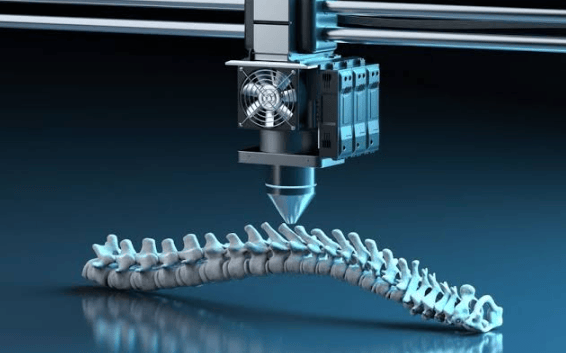
en.Wedoany.com Reported - Researchers at the Swiss Federal Laboratories for Materials Science and Technology (Empa) are using wire arc additive manufacturing (WAAM) technology to repair and reinforce damaged steel components, extending the service life of infrastructure such as bridges. This technique uses a robotic arm and an electric arc to melt welding wire, depositing metal layer by layer onto a substrate, effectively "patching" cracked or damaged steel structures.
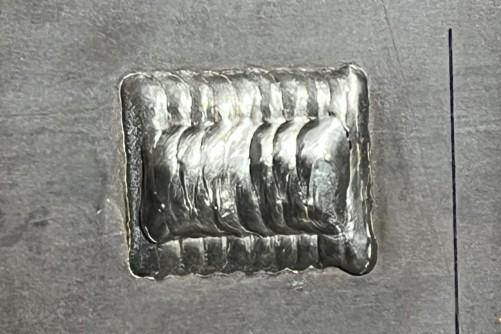
Steel is widely used in building structures, but corrosion or stress can lead to damage. Repairing cracked steel components is often costly and difficult. Empa's research aims to address this issue by optimizing the geometry of 3D-printed reinforcements to distribute stress, preventing or slowing crack propagation. The team emphasizes that the key to effective reinforcement lies in shape rather than material quantity.
In experiments, researchers printed steel reinforcements onto cracked steel plates of various sizes and subjected them to repeated loading tests. Results showed that the fatigue life of WAAM-repaired steel plates could be extended by up to four times, with plates featuring two-layer stepped reinforcements performing best.
However, this method also presents challenges. Improper geometric design of 3D-printed patches may create new stress concentrations, with risk points at the contact area between the printed metal and the steel substrate. Additionally, most WAAM systems are based on industrial robotic arms, making transportation to infrastructure sites difficult. Currently, damaged components must be disassembled and sent to workshops for repair, which is impractical for components installed within structures. The development of mobile WAAM 3D printers is expected to improve this situation.
Beyond repair applications, the Empa team is also exploring the use of metal additive manufacturing and intelligent geometries to produce structures that can yield under extreme loads and return to their original shape when the load is reduced. Such structures are suitable for earthquake-prone regions, as well as bridges and technical devices requiring vibration resistance. The research team is also focusing on the production of mechanical components that require stress resistance and minimal weight.
Metal WAAM technology shows great promise in the repair field. For example, in the marine industry, this technology is used for on-demand repairs. The team states that through 3D printing, metal reinforcements can be precisely applied where needed in a structure, saving materials, energy, and costs.
This article is compiled by Wedoany. All AI citations must indicate the source as "Wedoany". If there is any infringement or other issues, please notify us promptly, and we will modify or delete it accordingly. Email: news@wedoany.com
Related Products



Pneumatic high-pressure wear-resistant ball valve
Zhejiang Deca Control Valve Meter Co., Ltd.
High-Speed Flexible Fully Automatic Stamping Production Line
JIER Machine-Tool Group Co., Ltd.
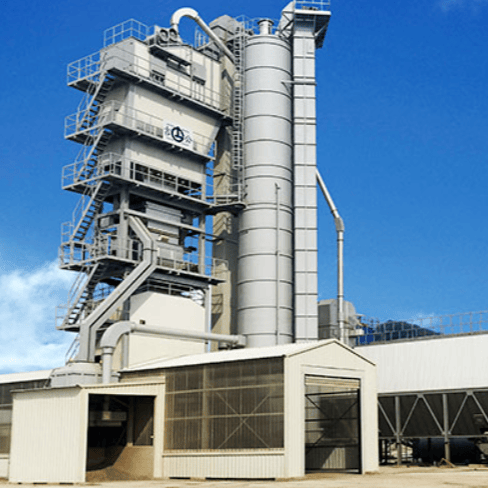
LBH4000 Batch Environmental Protection Asphalt Mixing Plant | Asphalt Batching Plant | Asphalt Mixing Plant
Jilin Province Road Construction Machinery Co., Ltd.
CAP1400 main feedwater flow nozzle flowmeter.
Jiangsu Hongda Instrument Technology Co., LTD.

Industrial and Commercial Point-Type Gas Detector
Jinan Benan Technology Development Co., Ltd.
Strip Coating and Plating Production Line Equipment
MCC-SFRE HEAVY INDUSTRY EQUIPMENT CO., LTD.