Global Technical Services Says Lubrication Management Key to Sustainable and Profitable Manufacturing
en.Wedoany.com Reported - Gaurav K Mathur, Director and CEO of Global Technical Services, stated that lubrication excellence is no longer a maintenance function but a strategic discipline that directly impacts reliability, sustainability, and profitability in manufacturing. In industries where contamination, equipment wear, and unplanned downtime can erode profits, lubrication is becoming a critical pillar of operational excellence. He comprehensively elaborated on how Total Lubrication Management (TLM), oil diagnostics, condition monitoring, and AI-driven reliability intelligence are transforming maintenance strategies in cement plants, emphasizing the importance of contamination control, prescriptive maintenance, and closer collaboration between Original Equipment Manufacturers (OEMs), lubricant suppliers, and asset owners.
Modern manufacturing is facing increasing challenges due to rising costs and shrinking profit margins, making sustainability a necessity from both economic and environmental perspectives. Given the harsh operating conditions of modern cement plants, characterized by high dust, high contaminants, and extreme environments, tribologists and researchers are developing advanced lubricant solutions. These solutions, through careful formulation of base oils and additives, provide superior lubrication performance while improving energy efficiency and extending equipment life. However, contamination is a key barrier to realizing the full potential of high-performance lubricants, and robust contamination control strategies must be implemented in lubrication systems. Even the most advanced lubricants cannot deliver expected performance if lubrication practices are poorly managed, ultimately leading to resource waste, shortened equipment life, and increased operating costs.
To balance sustainability goals with the performance demands of heavy-duty lubrication, the cement industry has gradually adopted the Total Lubrication Management (TLM) concept. This approach covers key aspects such as lubricant ordering, storage, handling, application, and contamination control. Through effective condition monitoring and contamination control, the usable life of hydrocarbon-based lubricants can be significantly extended, with their lifespan depending more on the lubrication strategy and its consistent execution than on time. This practice aligns with modern TLM practices, where condition-based maintenance, contamination control, and system monitoring enhance lubricant life and overall asset reliability.
Oil analysis provides deep insights into lubricant condition and equipment mechanical health. Setting up an oil analysis laboratory within the plant enables immediate access to test results, which is crucial for proactive maintenance and preventing equipment failures, as mechanical wear can begin to develop within 48 hours. Through systematic oil and grease analysis, organizations can identify wear patterns, contamination, and early signs of failure. The industry is shifting from predictive maintenance to prescriptive maintenance, which not only identifies what and when a failure will occur but also recommends what actions to take, why, and how to prevent recurrence. Global Technical Services, with over 25 years of experience in Total Lubrication Management, has built capabilities in lubricant performance evaluation, equipment condition monitoring, failure analysis and prevention strategies, and maintenance optimization. It has developed a machine learning-based AI platform called REMO (Reliable Equipment Manufacturing Operations). This platform is designed to predict the Remaining Useful Life (RUL) of lubricants and assets, analyze complex datasets from oil diagnostics and operating conditions, and provide maintenance teams with actionable prescriptive insights, with the model continuously evolving.
One of the biggest lubrication challenges for key cement equipment such as rotary kilns, crushers, and gear systems is the shortage of specialized talent. As younger generations show declining interest in core industrial careers, organizations face a significant talent gap. The lack of skilled domain experts may lead to underutilization of investments in infrastructure and industrial assets. To bridge this gap, the industry must increasingly rely on systems, mechanization, robotics, automation, and artificial intelligence as complementary forces. Machine learning and AI will support management decisions through data-driven insights and predictive analytics, helping build resilient, efficient, and sustainable operations.
Regarding the impact of synthetic and specialty lubricants on future efficiency, decisions should be based on overall manufacturing cost and Total Cost of Ownership (TCO). As profit margins shrink, decision-making is shifting toward TCO-based evaluations, with the focus moving from theoretical performance to the value achievable under actual operating conditions. A solution that delivers consistently optimized performance under constraints often provides better value than a high-end product that cannot realize its full potential.
Collaboration between lubricant suppliers, Original Equipment Manufacturers (OEMs), and cement producers is essential for driving operational excellence. OEMs understand equipment metallurgy and design constraints, lubricant suppliers possess expertise in tribological requirements, and asset owners define operational and strategic goals. Specialized lubrication companies act as reliability and sustainability partners by implementing Total Lubrication Management (TLM) to connect these three stakeholders. TLM is a holistic concept covering all aspects of lubrication, from product selection and storage to application, monitoring, and optimization, with the ultimate goal of operating assets according to managed performance, reliability, and sustainability objectives.
This article is compiled by Wedoany. All AI citations must indicate the source as "Wedoany". If there is any infringement or other issues, please notify us promptly, and we will modify or delete it accordingly. Email: news@wedoany.com
Related Products



CAP1400 main feedwater flow nozzle flowmeter.
Jiangsu Hongda Instrument Technology Co., LTD.
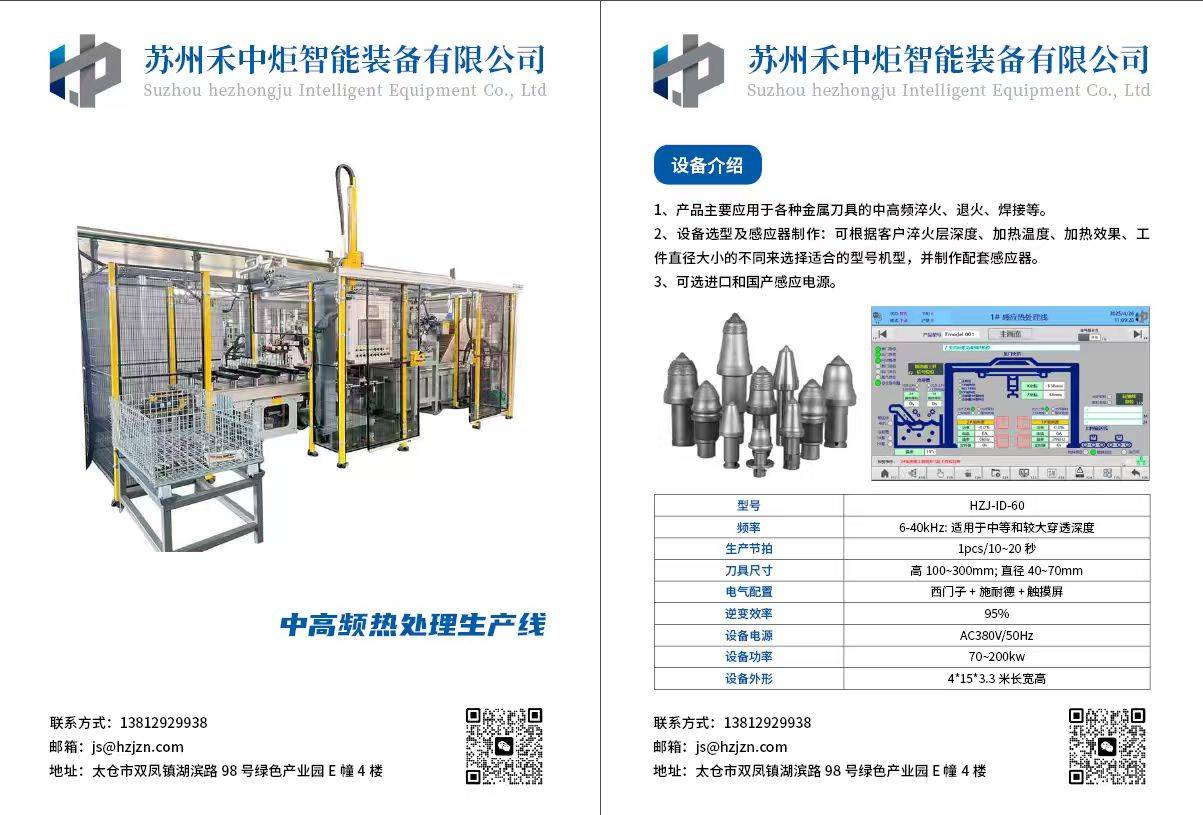
Excavator Bucket Teeth Heat Treatment Production Line
Suzhou Hezhongju Intelligent Equipment Co., Ltd.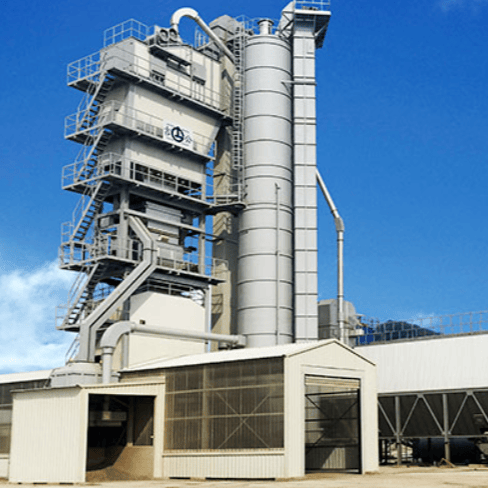
LBH4000 Batch Environmental Protection Asphalt Mixing Plant | Asphalt Batching Plant | Asphalt Mixing Plant
Jilin Province Road Construction Machinery Co., Ltd.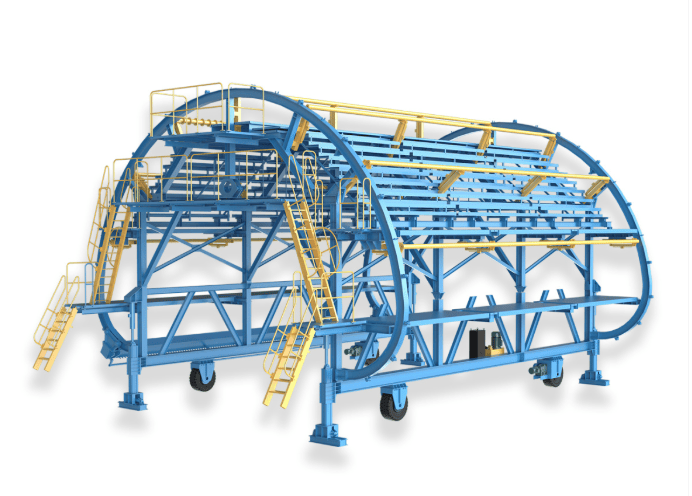
QLZNGJ Intelligent Steel Reinforcement Trolley
Luoyang China Railway Qiangli Machinery Co., Ltd.
Industrial and Commercial Point-Type Gas Detector
Jinan Benan Technology Development Co., Ltd.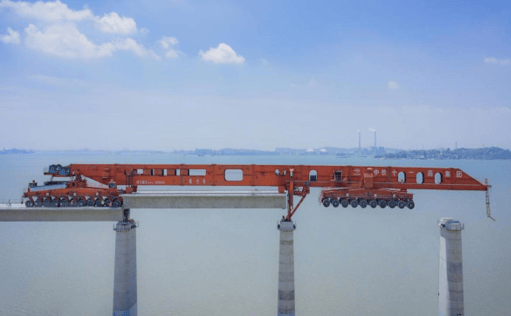
High-Speed Railway Lifting, Transporting, and Erecting Equipment: Integrated Transport and Erection Machine
Hanjiang Heavy Industry Co., Ltd. of China Railway 11th Bureau Group