Pratt & Whitney to Launch 35-Part Kit in 2027, Nearly Doubling A320neo Time-on-Wing
en.Wedoany.com Reported - Pratt & Whitney has introduced the High-Stage (HS+) upgrade kit for Airbus A320neo operators, a 35-part modification package designed to close the durability gap between the existing fleet and the new GTF Advantage standard. For operators, the key metric has shifted from fuel burn to time-on-wing (TOW).
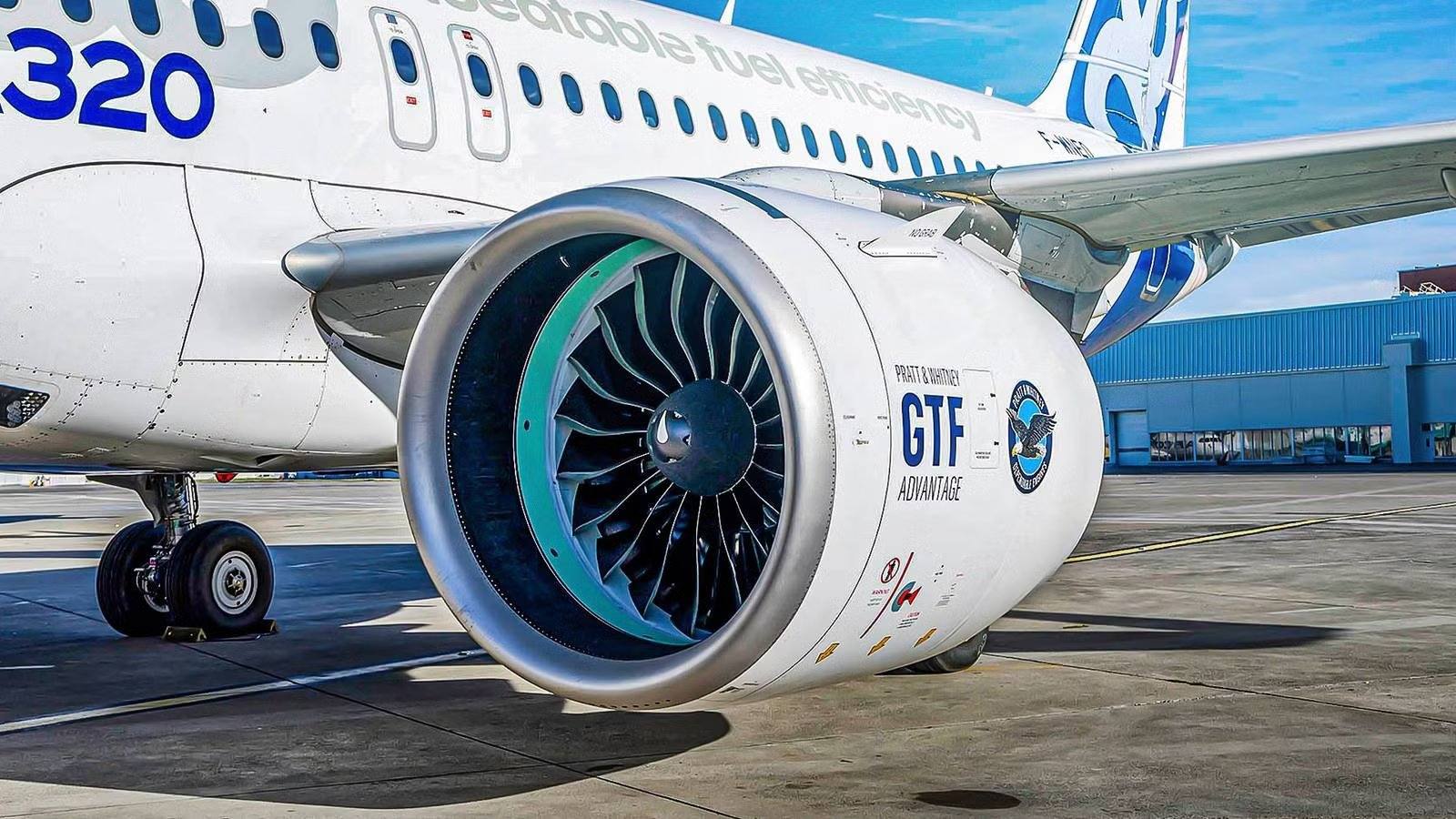
The HS+ upgrade targets the engine's highest thermal stress zones—the combustor and high-pressure turbine (HPT)—bringing GTF Advantage durability design into the in-service PW1100G fleet, allowing existing assets to approach approximately 90% to 95% of GTF Advantage durability without requiring a full engine replacement. Rather than restructuring the overall engine architecture, Pratt & Whitney focuses on replacing the hot-section components most susceptible to wear and oxidation. The 35 parts feature advanced airfoil designs and the latest coatings, optimized cooling hole geometries, and more precise drilling techniques. Pratt & Whitney states that the kit addresses the root causes of premature engine removals, theoretically enabling operators to nearly double time-on-wing compared to the baseline GTF configuration; the upgraded engine remains interchangeable and mixable with both the original GTF and GTF Advantage, facilitating mixed-fleet management.
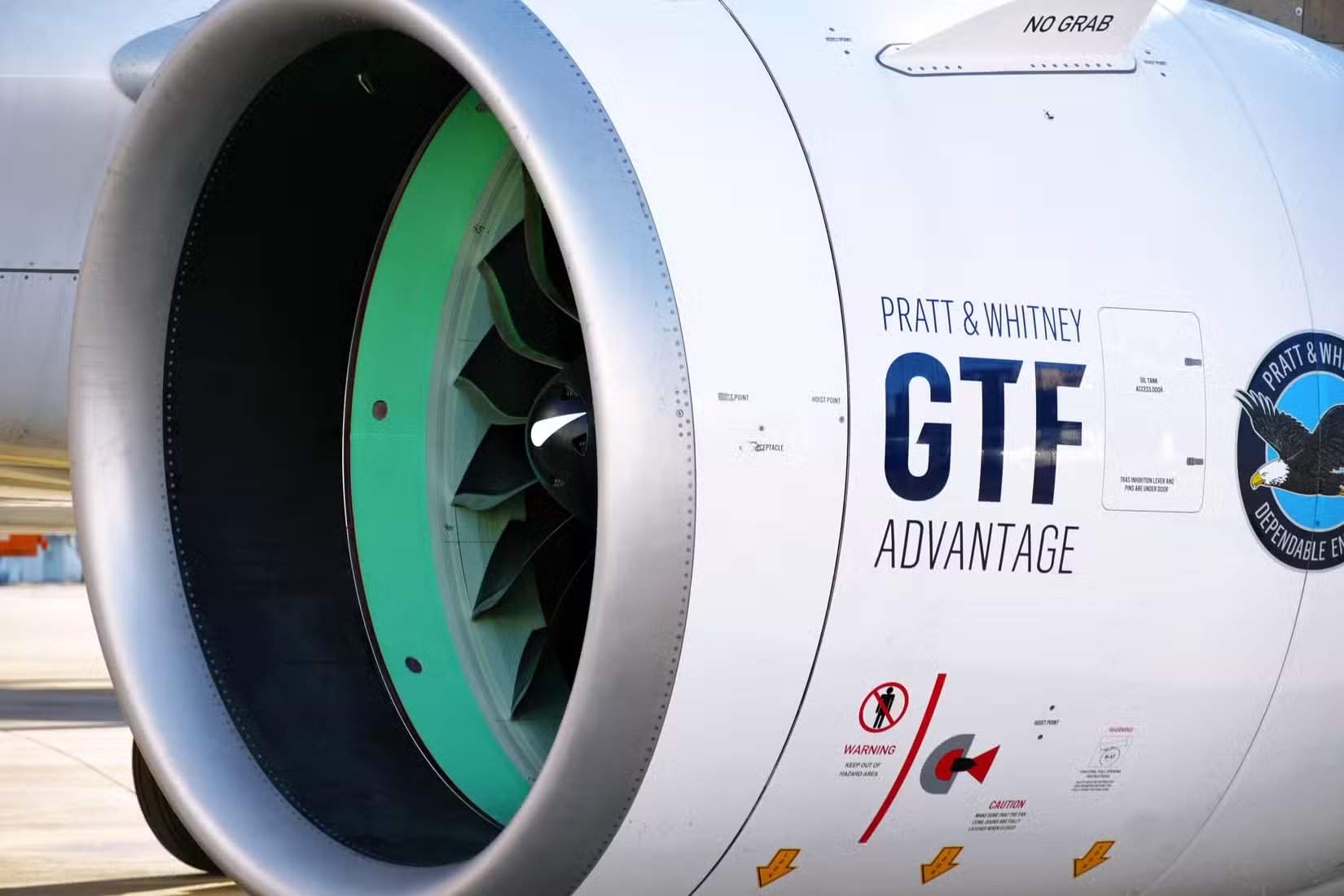
To ensure an uninterrupted supply chain for the 35 parts, Pratt & Whitney has coordinated shop visit scheduling across 21 global maintenance, repair, and overhaul (MRO) facilities. For operators, the critical factor lies in shop capacity availability. Pratt & Whitney leverages advanced manufacturing capabilities and localized footprint within its supply chain to reduce reliance on long-lead casting processes, cutting parts lead times by more than 60% during routine maintenance. By standardizing turnaround times, Pratt & Whitney aims to push retrofit volume within a 24-month transition window to a level sufficient to impact fleet reliability metrics.
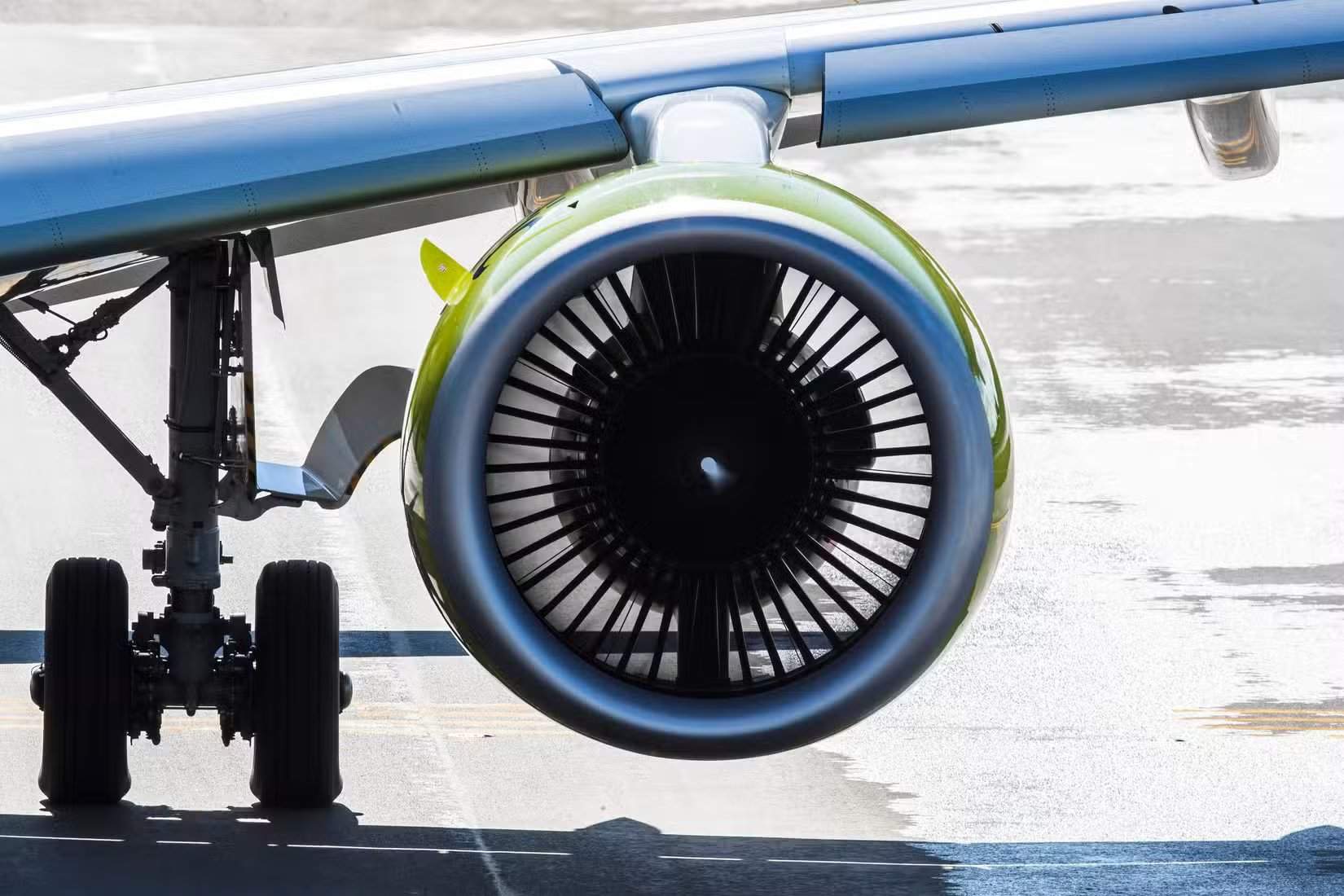
Beyond durability, the HS+-integrated engine also gains the GTF Advantage's 4% to 8% takeoff thrust increase, delivering clear benefits for takeoff performance at hot-and-high airports, along with a 1% reduction in fuel burn. Across an entire A320neo fleet, this 1% can accumulate into significant operational cost and carbon emission savings. With enhanced hot-section oxidation and thermal stress resistance, fleet maintenance cadence shifts from reactive, unscheduled removals to planned maintenance cycles, maximizing aircraft availability and revenue-generating flight hours.
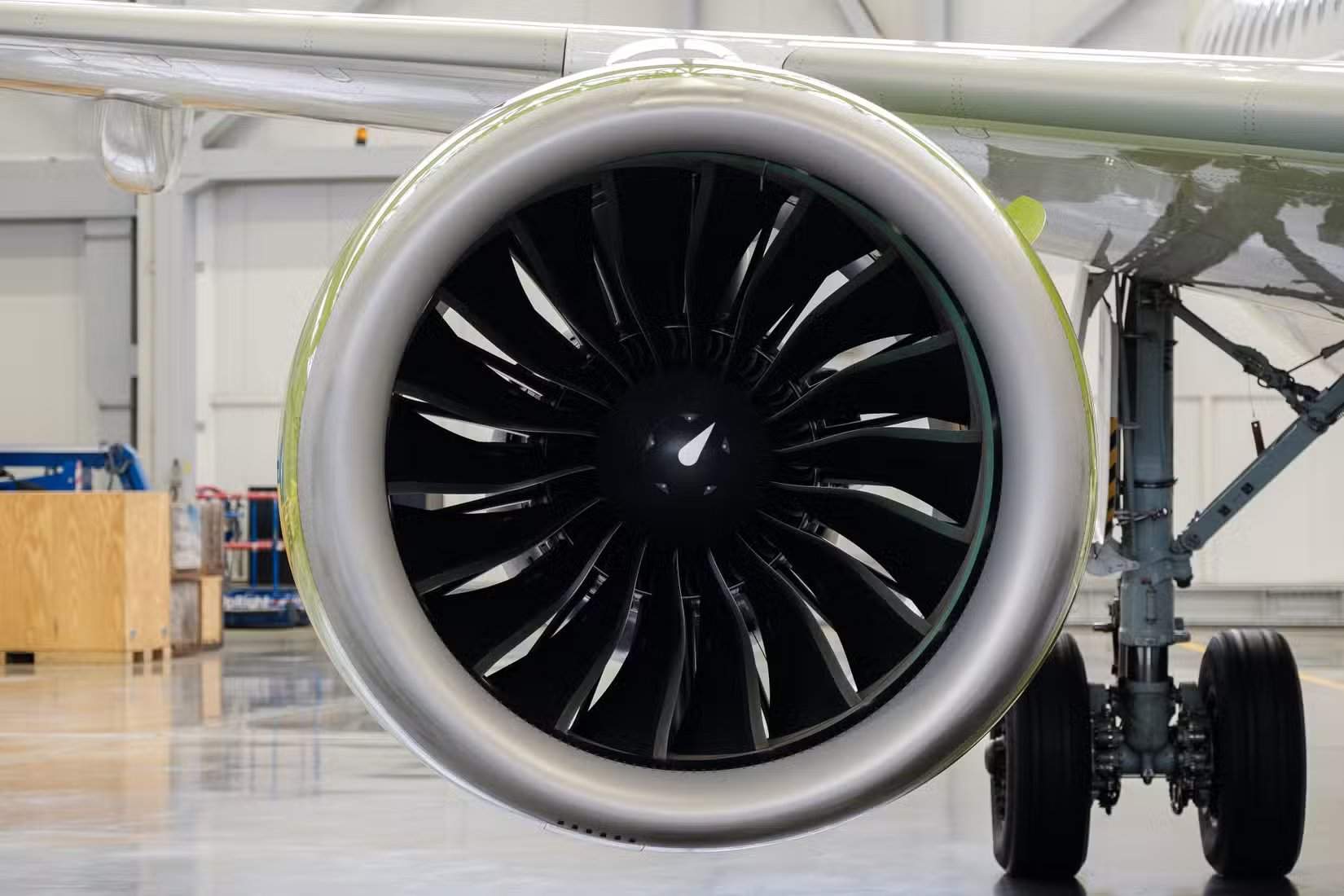
The HS+ kit is being rolled out across a multi-year transition window. New GTF Advantage engines are already in production, targeting 100% Advantage-standard engine deliveries to Airbus by early 2028; HS+ serves as the bridging solution for in-service aircraft. Certification for the kit is expected to be completed by the end of 2026, with full deployment in the first quarter of 2027. Early adopters will have the 35 parts integrated during routine scheduled shop visits, aligned with natural fleet wear cycles. Pratt & Whitney will phase implementation over several years to avoid overwhelming the MRO network with concentrated shop visit surges.
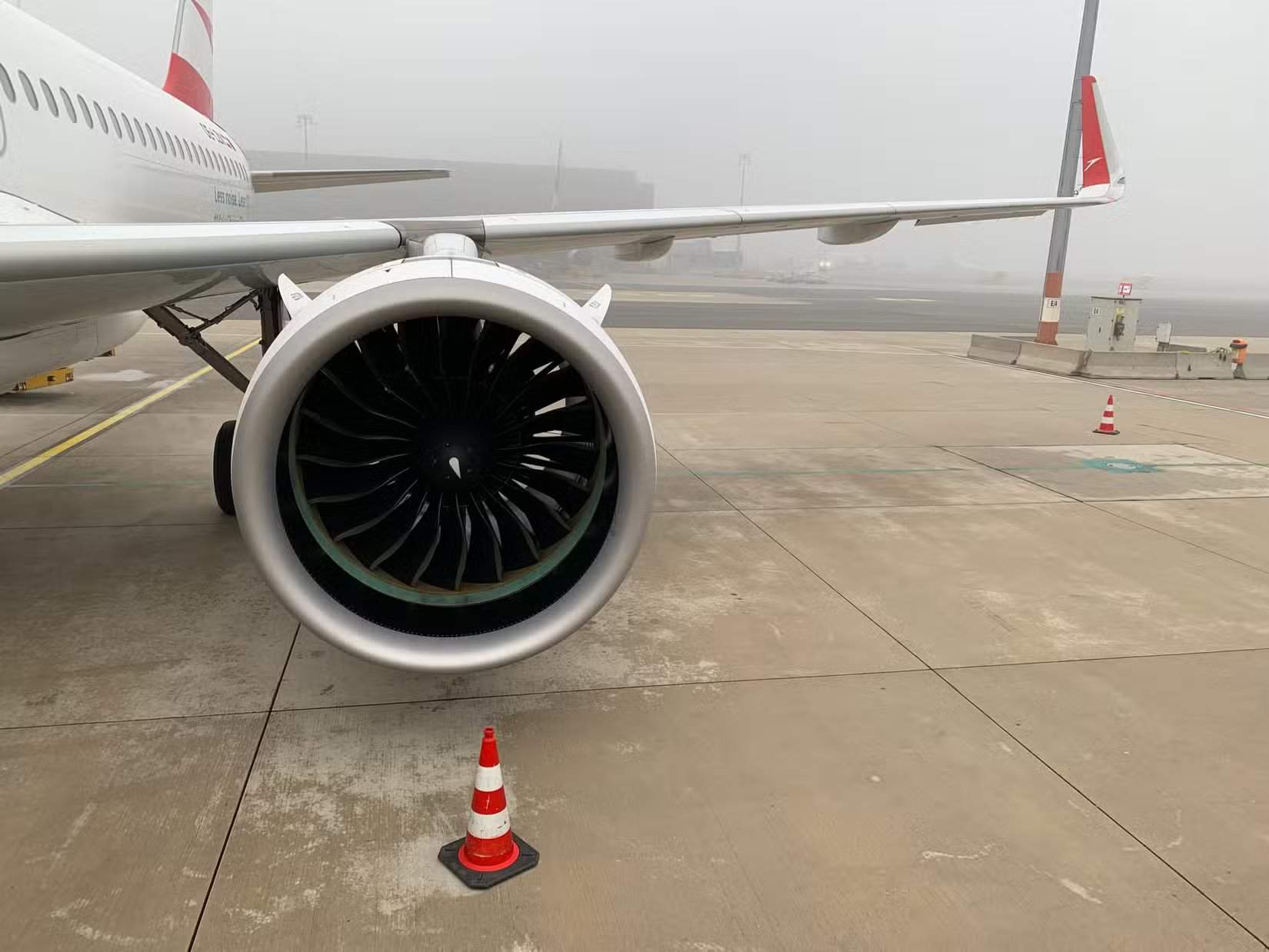
As of mid-2026, Pratt & Whitney reports that the number of aircraft grounded due to engine-related issues has declined by approximately 40% from the program's peak. This improvement is attributed to the shift from reactive, emergency engine removals to proactive, planned maintenance models. As the HS+ kit is progressively integrated during routine shop visits, the uncertainty of premature engine removals driven by accelerated thermal degradation is being eliminated from the fleet.
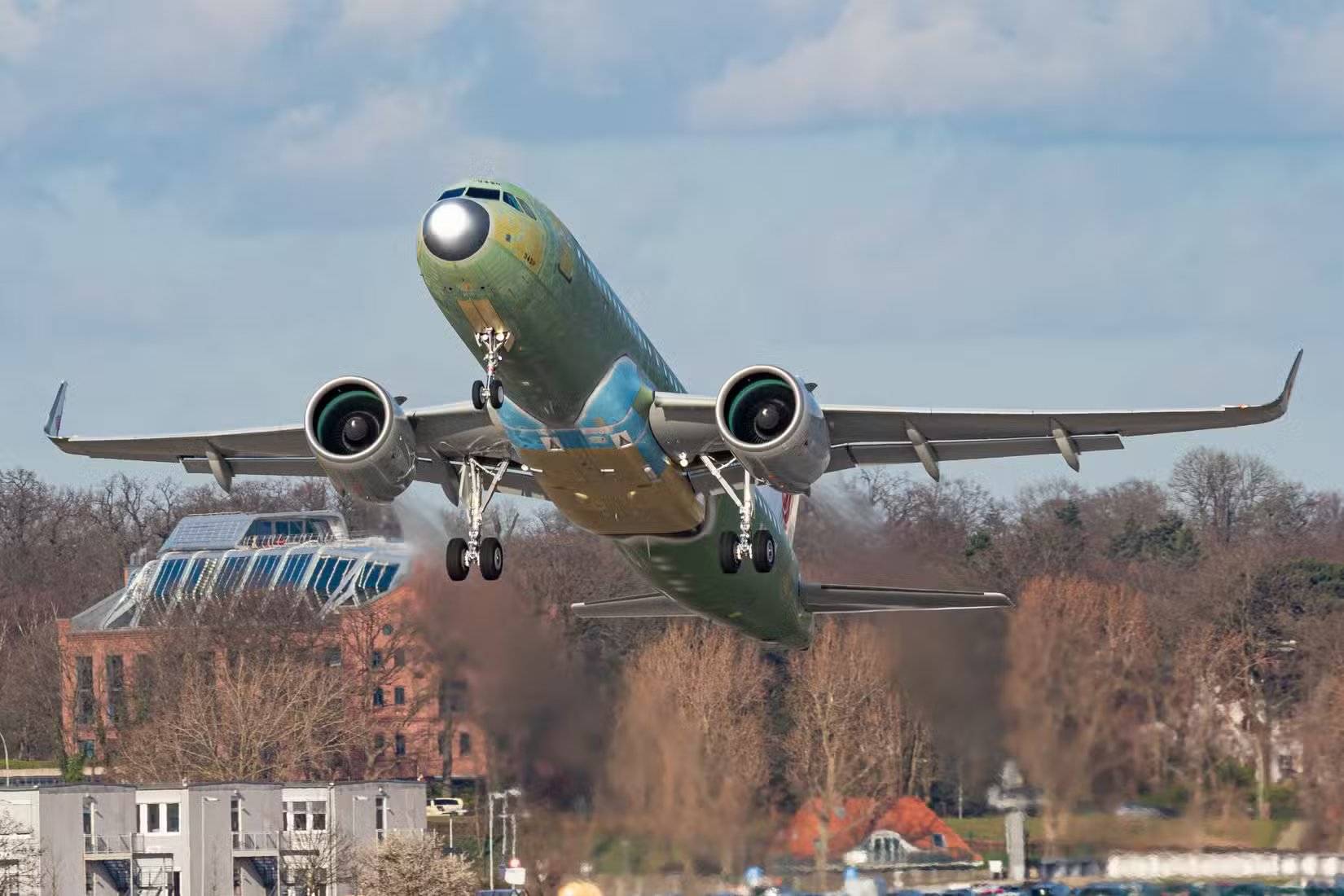
For airlines and lessors, the 35-part HS+ upgrade is removing a major barrier to long-term A320neo ownership—namely, the impact of GTF engine durability on aircraft re-marketing and long-term sustainment. Operators that prioritize integrating the kit during planned overhauls will be the first to gain higher utilization and lower unscheduled maintenance costs. This program also serves as a reference for how the industry manages the transition of engine technology from early stages to mature reliability, where the ability to industrially mass-produce, distribute, and install complex upgrades is as critical to commercial success as the engine's original design. Following this round of durability upgrades, GTF engines will continue to serve in global fleets for many years to come.

Related Products


Wheel and Track Technology Business
Beijing Research & Design Institute of Rubber Industry Co., Ltd.
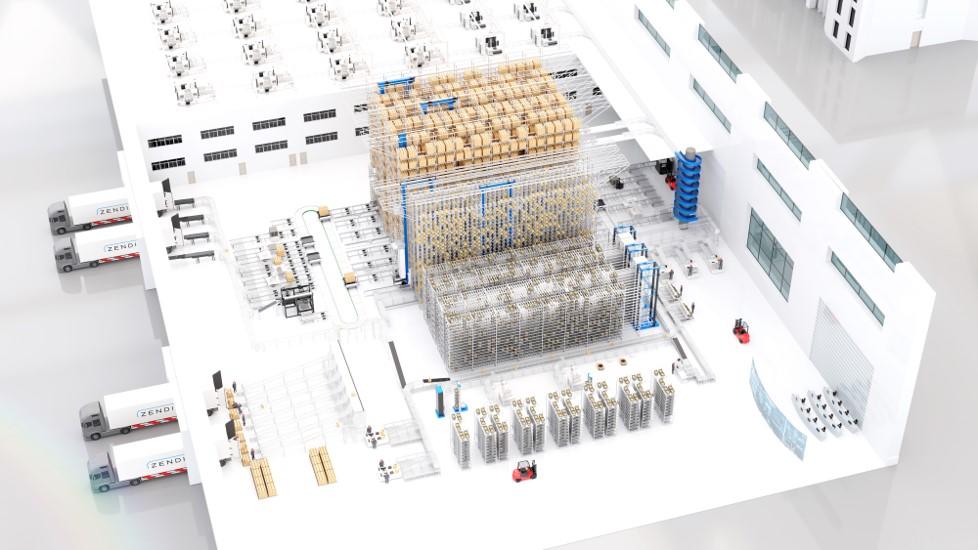
One-Stop Steward Service for the Entire Logistics System Integration Chain
Zhongding Intelligent (Wuxi) Technology Co., Ltd.

CLW5180TXSD6 Dongfeng Tianjin Washing and Sweeping Truck
ChengLi Special Automobile Co., Ltd.
GSR6-27.5kV SF6 Free Gas-insulated Metal-enclosed Switchgear
Zhejiang Juhonkia Intelligent Electric Co., Ltd.