Spain's Sagrada Familia Completes 172.5-Meter Highest Tower in June
en.Wedoany.com Reported - The structural design and material craftsmanship of ten representative buildings in Spain showcase diverse technological approaches in modern architecture, including titanium metal curved surfaces, ceramic cladding systems, curved balconies, large-span wooden grid structures, and glass-steel composite support systems. These buildings are located in Bilbao, Madrid, Barcelona, Seville, Valencia, Santander, Calpe, and Donostia-San Sebastián, designed by architects such as Frank Gehry, Antoni Gaudí, Santiago Calatrava, and Rafael Moneo. Among them, Barcelona's Sagrada Familia completed the consecration and inauguration of its highest tower in June 2026.
The Guggenheim Museum Bilbao (Museo Guggenheim Bilbao), designed by Frank Gehry, opened in 1997. Its building envelope is composed of titanium, limestone, and glass, with the titanium cladding transitioning from silver-gray to gold depending on the weather and the sun's position. The interior space is organized around a central atrium, connecting different floors through curved walkways, stairs, and glass elevators.
Torres Blancas in Madrid, designed by Francisco Javier Sáenz de Oiza, was built in the 1960s. The building is neither white nor composed of multiple towers; instead, it adopts an organic structural form with cylindrical volumes, curved balconies, and circular platforms, aiming to transfer the terrace features of garden homes and public spaces into high-rise residential buildings. The Official College of Architects of Madrid (Colegio Oficial de Arquitectos de Madrid) considers it one of the great works of the architect and 20th-century Spanish architecture.
Casa Vicens in Barcelona, Antoni Gaudí's first major commission, was built in 1883. The building's facade combines stone, brick, iron, and green and white ceramics, adorned with plant motifs, blending Eastern references, geometric forms, and handcraft elements. Its original rooms, terrace, and smoking room are open to the public for visits.
Metropol Parasol in Seville, designed by German architect Jürgen Mayer, is located in Plaza de la Encarnación. This project covers the historic center area with a large wooden grid structure, featuring an approximately 250-meter-long observation walkway on the roof. The complex includes an underground archaeological exhibition space, a ground-floor market, and a rooftop observation platform.
Muralla Roja in Calpe, designed by Ricardo Bofill, was built in the early 1970s. Through a labyrinthine layout of courtyards, stairs, passages, and terraces, the building incorporates organizational techniques from North African vernacular architecture. A color differentiation system using red, pink, purple, and blue is employed to identify spaces and modulate volume perception. This project is a private residential property, and the public can view its overall silhouette from surrounding public spaces.
The City of Arts and Sciences (Ciudad de las Artes y las Ciencias) in Valencia extends approximately two kilometers along the old riverbed of the Turia River. Santiago Calatrava designed the Planetarium, Science Museum, Observation Tower, Palace of the Arts, and Agora, while Félix Candela contributed to the roof structure of the Oceanarium. The complex creates a unified landscape image through white structures, glass surfaces, and water reflections.
The Barcelona Pavilion, designed by Ludwig Mies van der Rohe and Lilly Reich, was originally the German Pavilion for the 1929 International Exposition. The building features freestanding walls, a flat roof structure, and a combination of glass, steel, travertine, and onyx. The original building was demolished in 1930 and later reconstructed on its original site in Montjuïc. Its spatial design creates a dynamic experience through perspective, reflection, and planar extension.
The Centro Botín in Santander, designed by Renzo Piano in collaboration with Luis Vidal + Arquitectos, is suspended high above the Bay of Santander. The building consists of two cantilevered volumes to ensure views and maintain continuity of the public space below. Its facade uses approximately 270,000 circular ceramic tiles to reflect the tones of the sky, water, and vegetation.
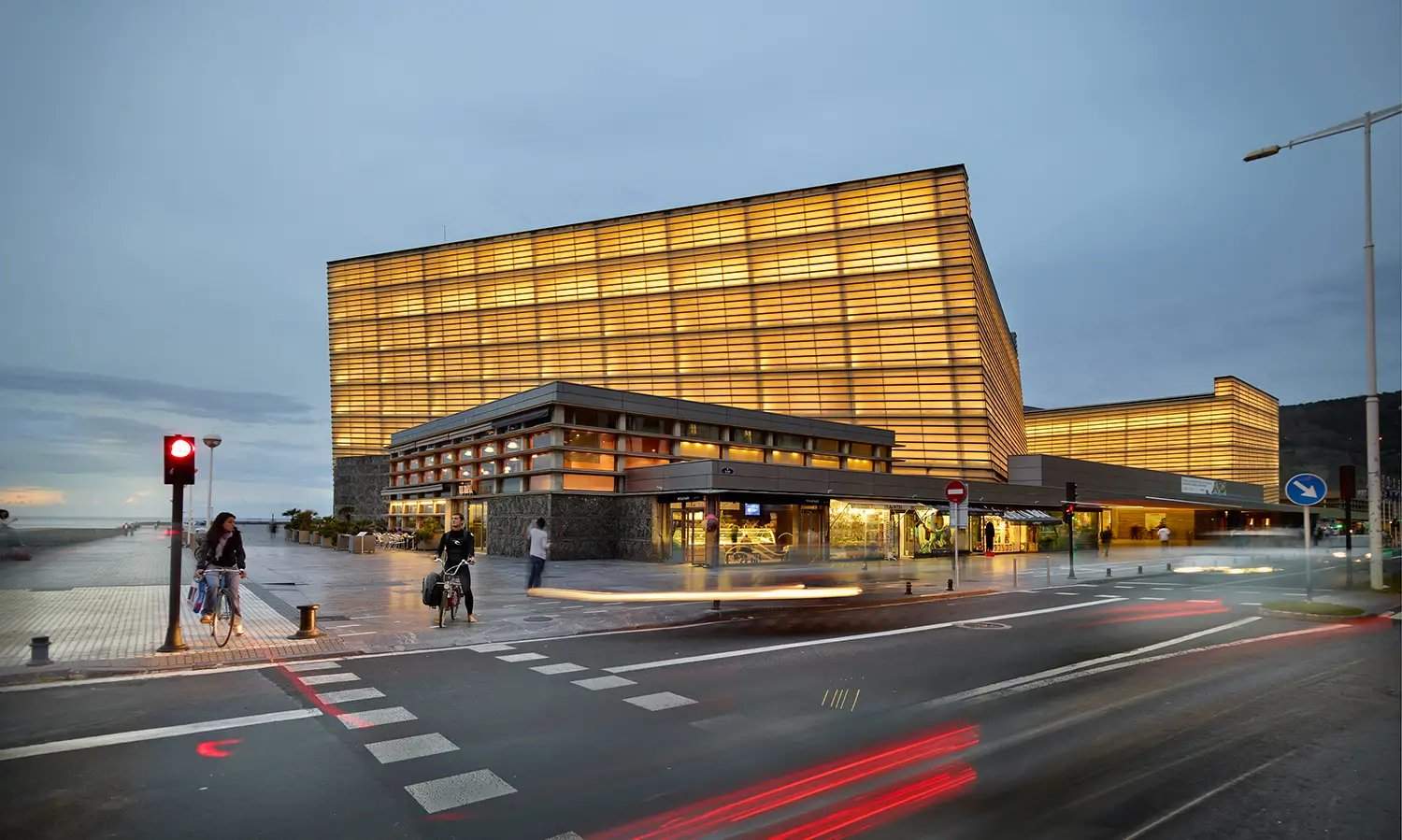
The Kursaal Congress Center (Kursaal) in Donostia-San Sebastián, designed by Rafael Moneo, is located at the mouth of the Urumea River. Two translucent glass volumes are conceived as "stranded rocks," absorbing Cantabrian light during the day and glowing from within at night. The complex houses auditoriums, exhibition halls, and conference spaces.
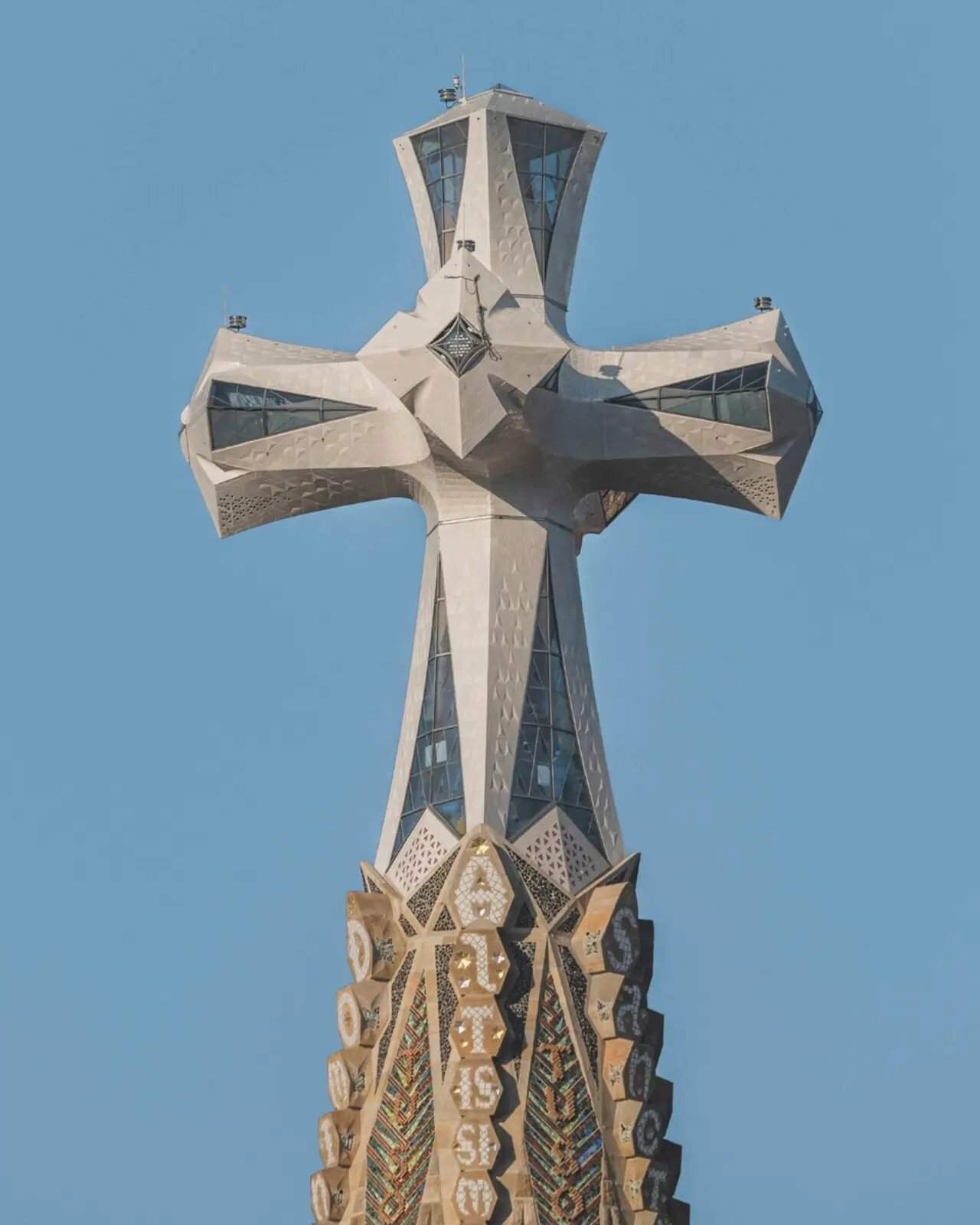
Barcelona's Sagrada Familia completed the consecration and inauguration of the Jesus Christ Tower on June 10, 2026. The tower reaches a height of 172.5 meters, becoming the tallest and most central structural element of the basilica and the tallest church building in the world. The top features a 17-meter-high white glazed ceramic and glass cross. The newly added tower completes the system of six central towers, though the current interior tour route does not yet include the new tower area. The exterior facades and tower silhouettes can be viewed for free, while the stained glass windows, bifurcated columns, and lighting effects in the nave reflect Gaudí's vision of designing the basilica as a "stone forest."
This article is compiled by Wedoany. All AI citations must indicate the source as "Wedoany". If there is any infringement or other issues, please notify us promptly, and we will modify or delete it accordingly. Email: news@wedoany.com
Related Products

Pure Polyurethane Wall Panel BD-AEF-PIR-01
Baodu International Engineering Technology Co., Ltd.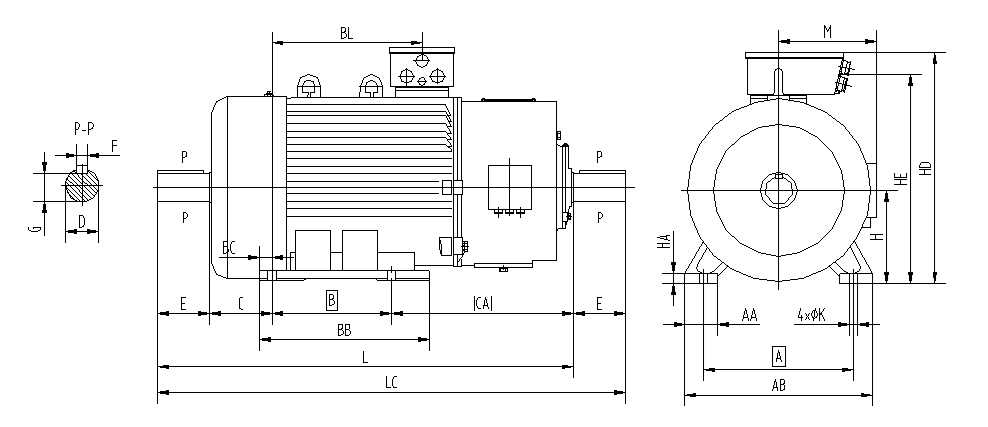
YZR (450-560) Series Wound Rotor Three-Phase Asynchronous Motors for Crane and Metallurgical Applications
Jiamusi Electric Machine Co., Ltd.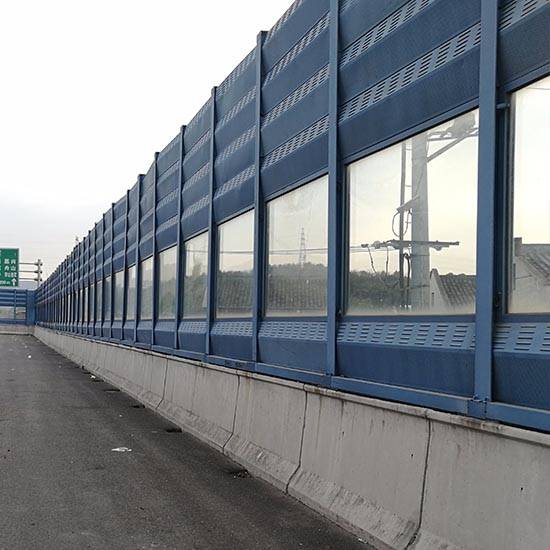
Metal sound barriers that can reduce the transmission of road noise
Hebei Jinbiao Construction Materials Tech Corp., Ltd.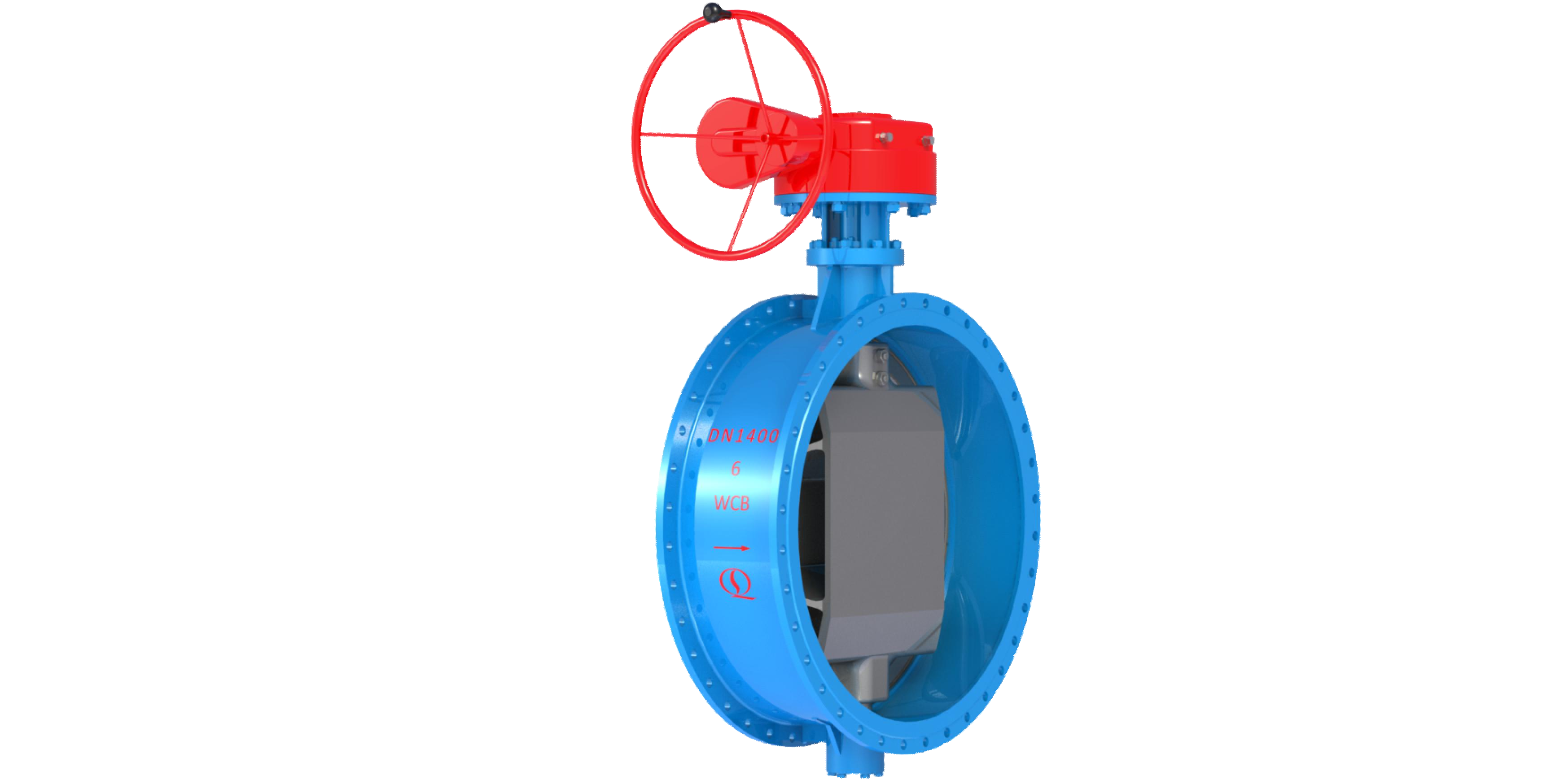
Bidirectional Metal Hard Sealed Seawater Butterfly Valve
Henan Quanshun Flow Control Science & Technology Co., Ltd.
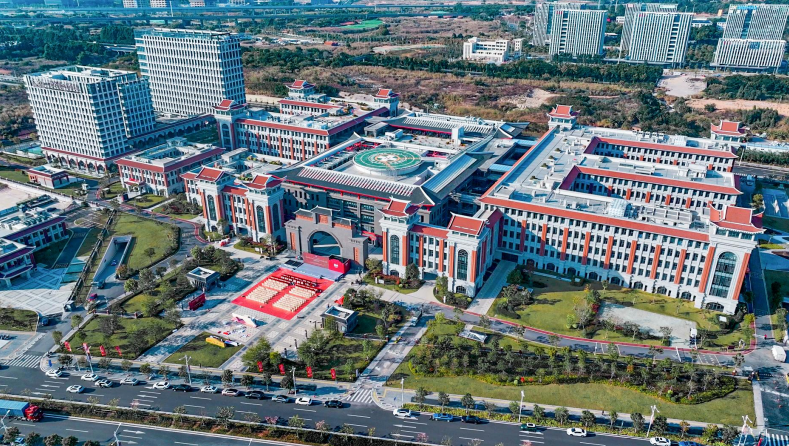
West China Xiamen Hospital of Sichuan University
Wuhan Huakang Century Clean Technology Co., Ltd.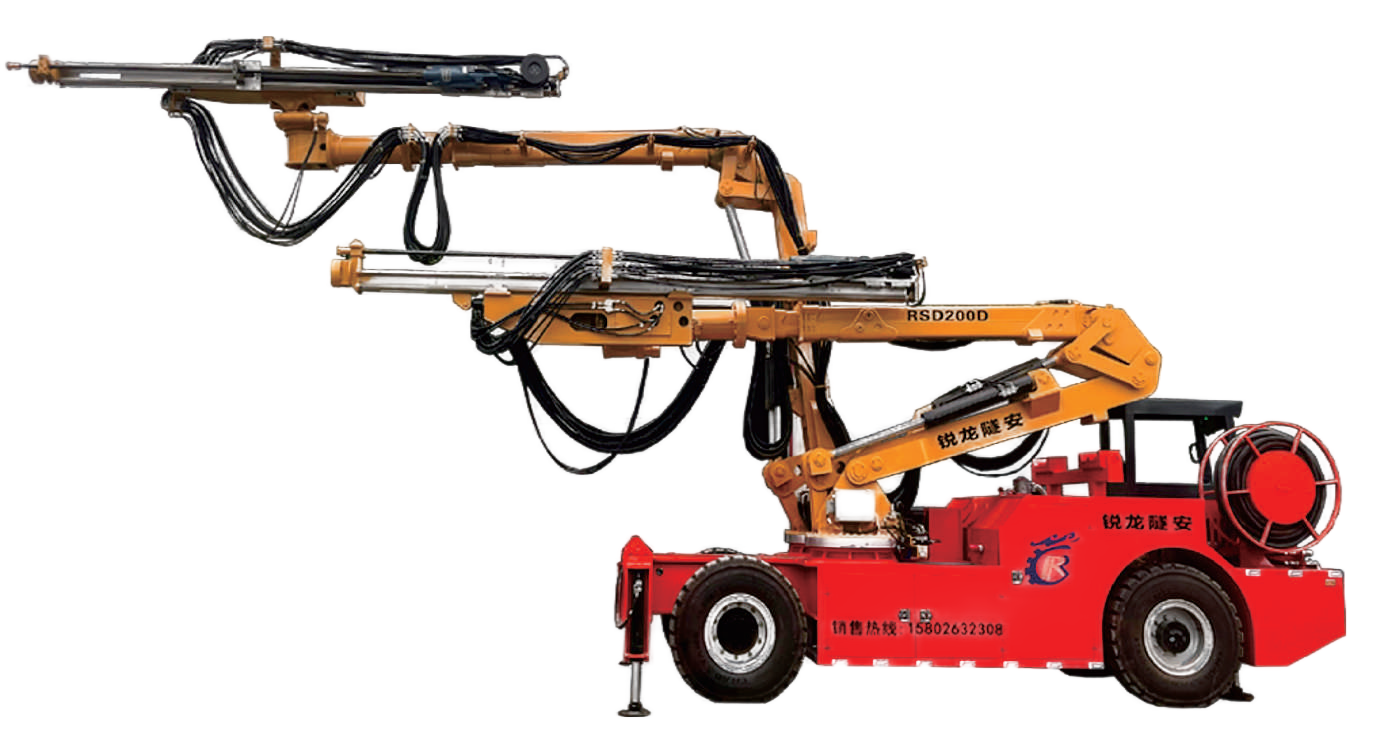
Dual-curved Arm Rock Drilling Trolley RSD200D
Chengdu Ruilong Machinery Manufacturing Co., Ltd.

Industrial and Commercial Point-Type Gas Detector
Jinan Benan Technology Development Co., Ltd.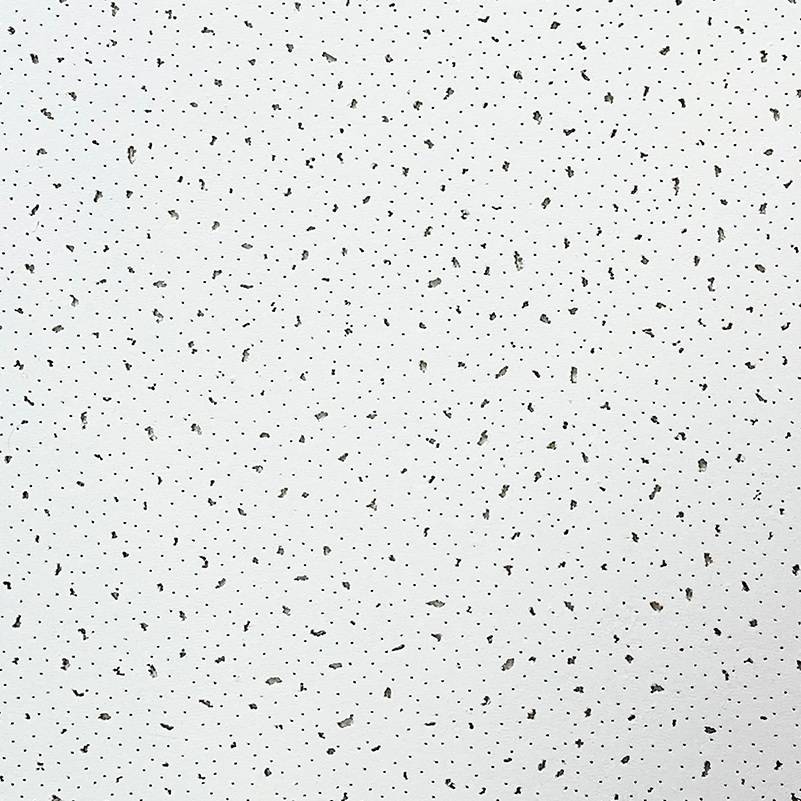
Acoustic Mineral Fiber Ceiling Tile 595x595x12mm
Shanxi Pano Trading Co., Ltd