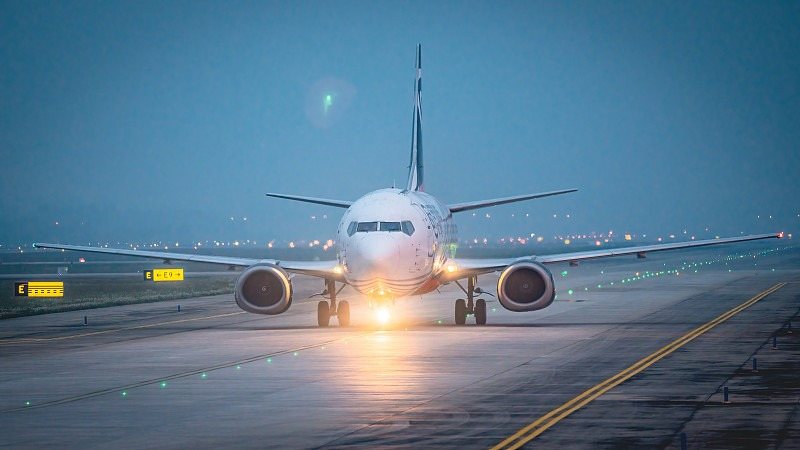
en.Wedoany.com Reported - Delta Air Lines has decided to install aerodynamic stabilizers on all 240 of its Boeing 737-800 and -900ER aircraft, following operational tests conducted jointly with Vortex Control Technologies that confirmed the modification reduces fuel consumption by 1.2%.
These blade-shaped aerodynamic devices, measuring 63.5 cm in length and 6.4 cm in height, are installed on the rear fuselage of Boeing 737NG models to alter airflow patterns, reduce flow separation, and improve pressure recovery, thereby achieving reduced drag and fuel consumption.
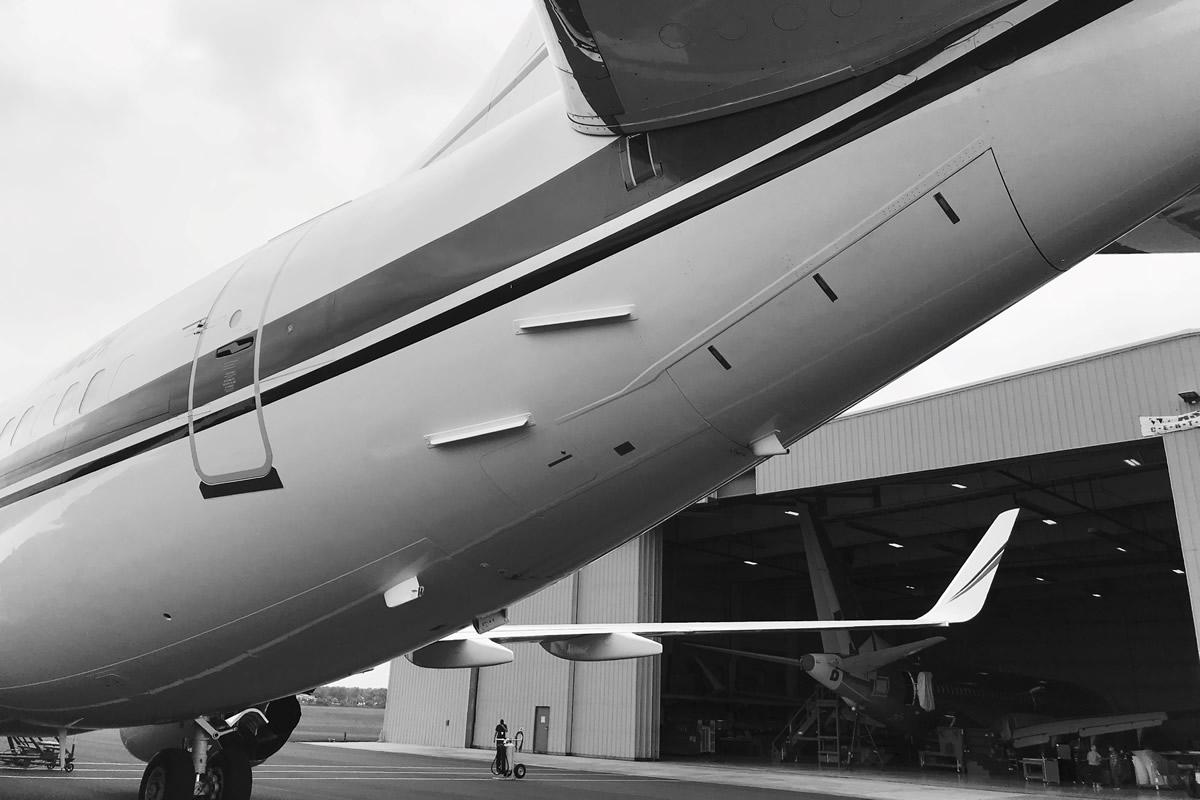
After completing operational tests on 22 aircraft, Delta Air Lines decided to roll out the fin installation across its entire fleet. Seattle-based Vortex Control Technologies is currently working with Delta to evaluate other aircraft in the fleet that could benefit from such modifications.
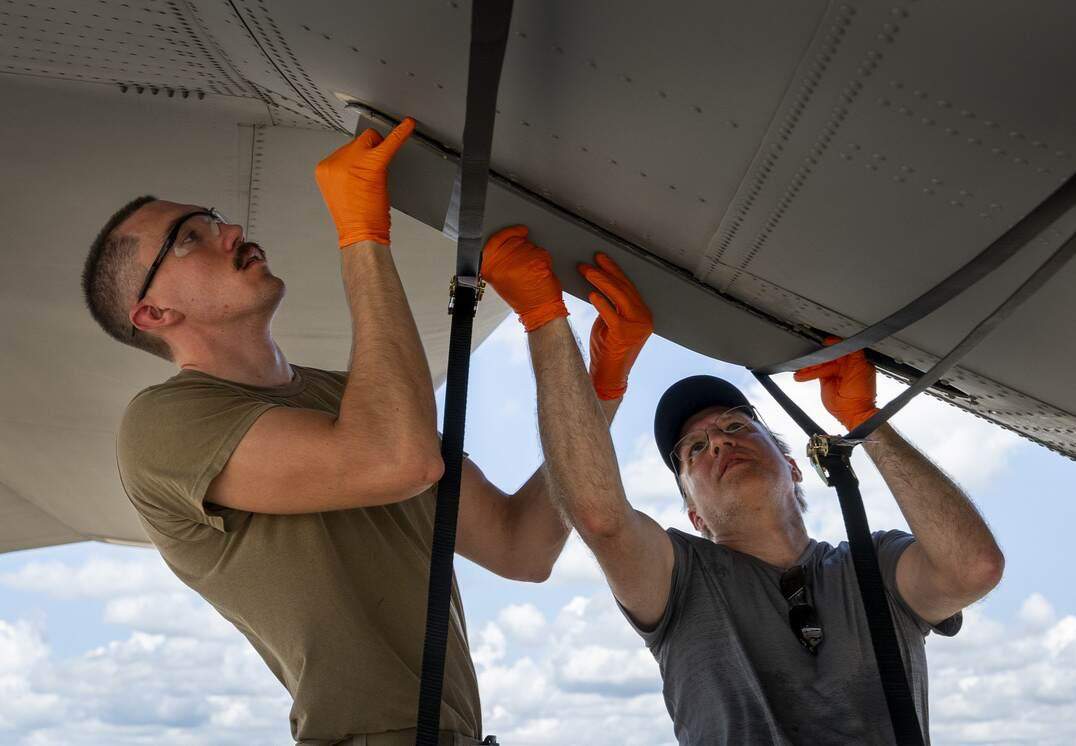
These fins were designed by former core team members of Lockheed Martin, who previously developed and tested micro-vanes for reducing aerodynamic drag on Lockheed C-130 and Boeing C-17 transport aircraft. The device received certification for the Boeing 737-700 in 2018, followed by certification for the -800 and -900ER models in 2023.
Since October 2018, these structures have been installed on Boeing 737 aircraft of six airlines, including Avelo, Copa, Norwegian, Southwest, and SunExpress.
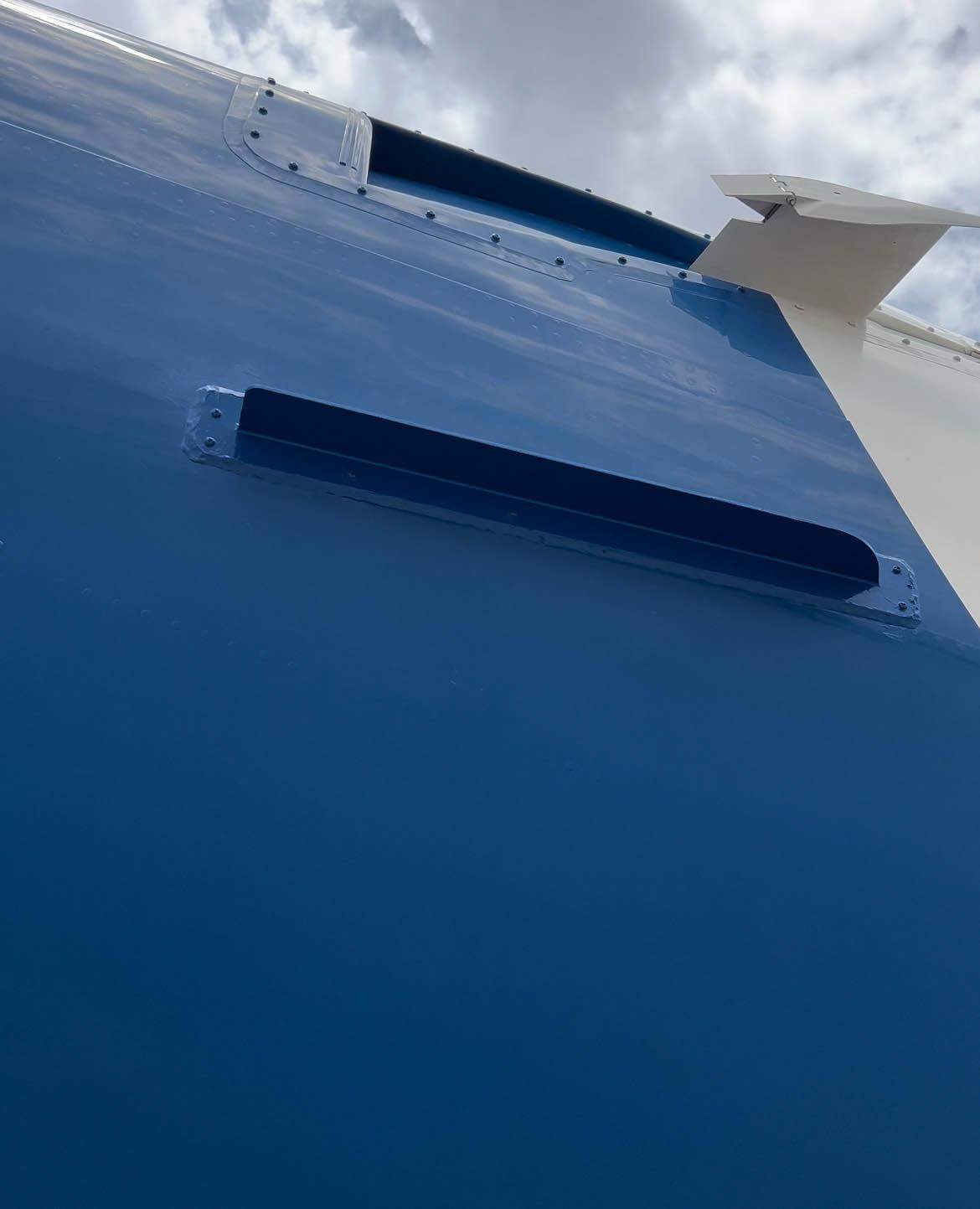
Delta Air Lines plans to complete the modification of its entire fleet within 18 months. These devices have low aerodynamic loads and are directly attached to the skin of the fuselage in non-pressurized areas using eight standard fasteners.
After installing the fins, some vortex generators between the Boeing 737's horizontal and vertical stabilizers can be removed, further reducing drag and eliminating a source of tail vibration.
Meanwhile, China has completed testing of a 7.5-ton class unmanned cargo aircraft. The aircraft, equipped with a megawatt-class hydrogen-fueled turboprop engine AEP100, flew 36 kilometers at a speed of 220 km/h at an altitude of 300 meters. Media reports describe this as the world's first test flight of a megawatt-class hydrogen-fueled turboprop engine.
This article is compiled by Wedoany. All AI citations must indicate the source as "Wedoany". If there is any infringement or other issues, please notify us promptly, and we will modify or delete it accordingly. Email: news@wedoany.com