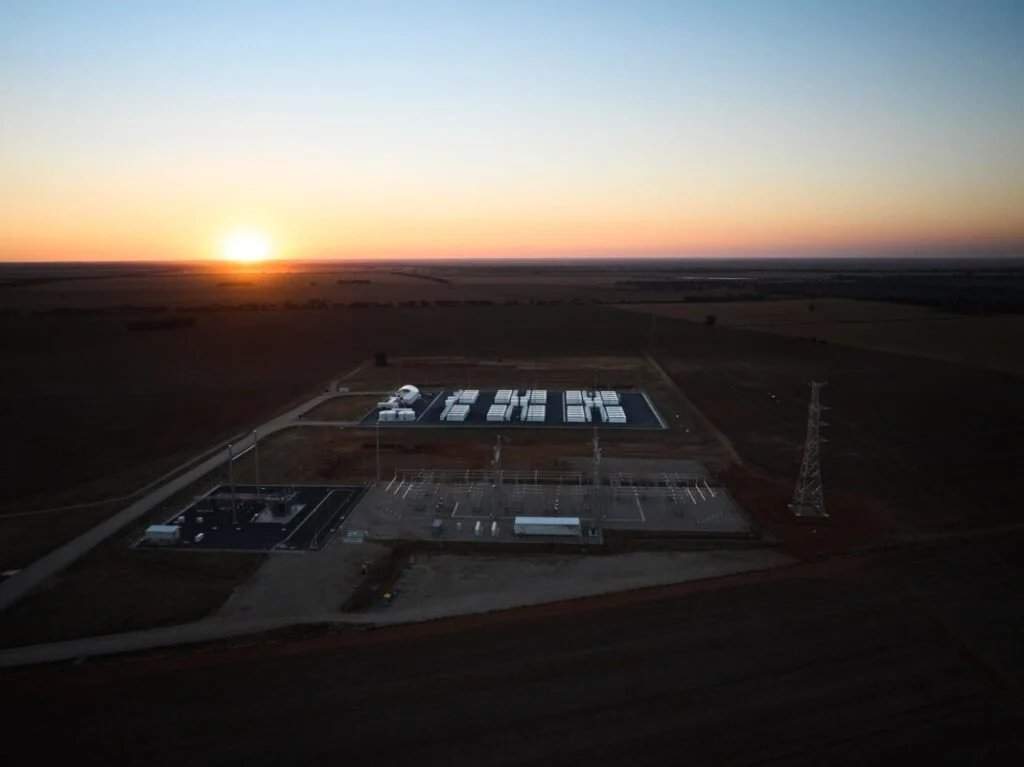
German Research Alliance Achieves 3000-Amp Charging Test for Trucks
en.Wedoany.com Reported - The Fraunhofer Institute for Solar Energy Systems (Fraunhofer ISE), MAN Truck & Bus, and the Technical University of Munich (TUM) have, for the first time this month, achieved stable operation of a complete charging path at a current of 3000 amperes under the NEFTON research project on truck charging and grid integration.
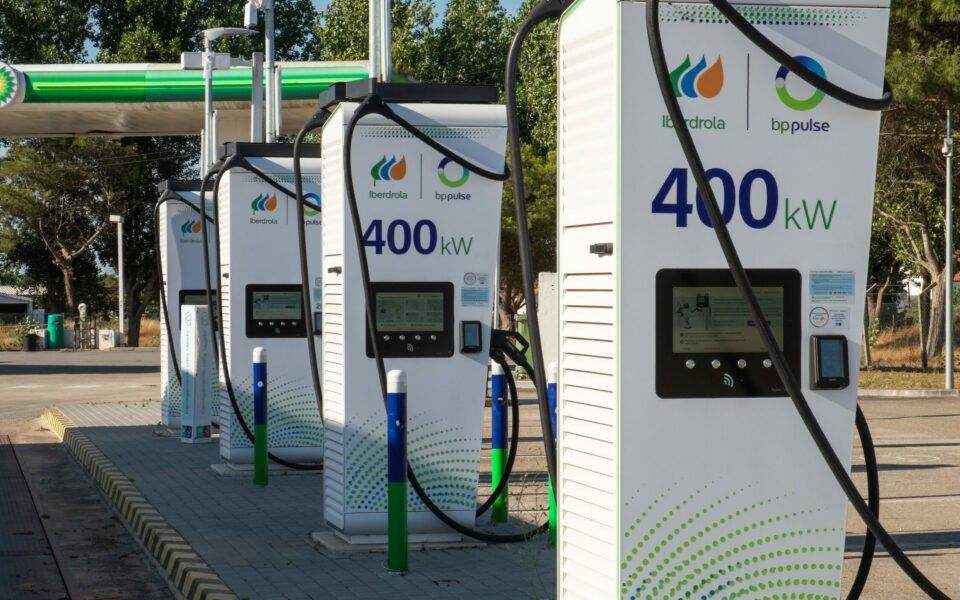
The Megawatt Charging Standard (MCS) specifies a maximum voltage of 1250 volts and a maximum current of 3000 amperes. Fraunhofer ISE notes that current charging stations have not yet reached their full potential, with existing systems delivering a maximum power of around 1 megawatt. MAN project manager Fabian Schweizer stated that this achievement will enable trucks to replenish over 400 kilometers of range in 10 to 15 minutes, but requires the development of a new generation of battery systems specifically designed for ultra-high charging power, which are not yet available.
Researchers tested the complete charging path—including cables, connectors, power distribution equipment, and vehicle batteries—on a dedicated low-voltage test bench at the Technical University of Munich, with currents up to 3000 amperes and a voltage of 1250 volts. The tests evaluated thermal behavior, switching components, cooling systems, and safety architecture. Professor Malte Jaensch, involved in the project, stated that these results "lay a critical foundation for the application of 3-megawatt charging technology in the industrial sector."
Fraunhofer ISE project manager Dirk Kranzer stated that the new test bench has been integrated into the institute's existing fault ride-through testing facility, which can simulate brief voltage dips, allowing for the evaluation of charging hardware while testing grid connection control requirements.
The European Union has approved funding of up to 1.6 billion euros (approximately 1.8 billion U.S. dollars) for Germany's highway truck charging project. A national funding program set to launch in 2026 will cover warehousing and public heavy-duty charging, grid connection, battery storage, and load management. Germany plans to establish approximately 350 truck charging points nationwide, with initial funding covering around 130 sites and 1410 charging points, including connections with at least 1000 kW MCS-rated power.
Another study on electric truck fleet operations, released by Fraunhofer ISE in 2026, found that combining rooftop photovoltaics, stationary battery storage, and energy management software is the most cost-effective configuration for logistics warehouses among the tested scenarios. The study shows that pairing a 1 to 2 megawatt-hour battery with approximately 2275 kilowatt-peak (kWp) of photovoltaic capacity can meet about 60% of a warehouse's building electricity demand and 77% of its self-generated charging demand. Compared to uncontrolled operation, this configuration can reduce annual electricity costs by up to 62.5%.
Related Products

Global Sulfur Hexafluoride Gas Supply and Cylinder Export
Foshan Yuexin Industrial Gas Co., Ltd.
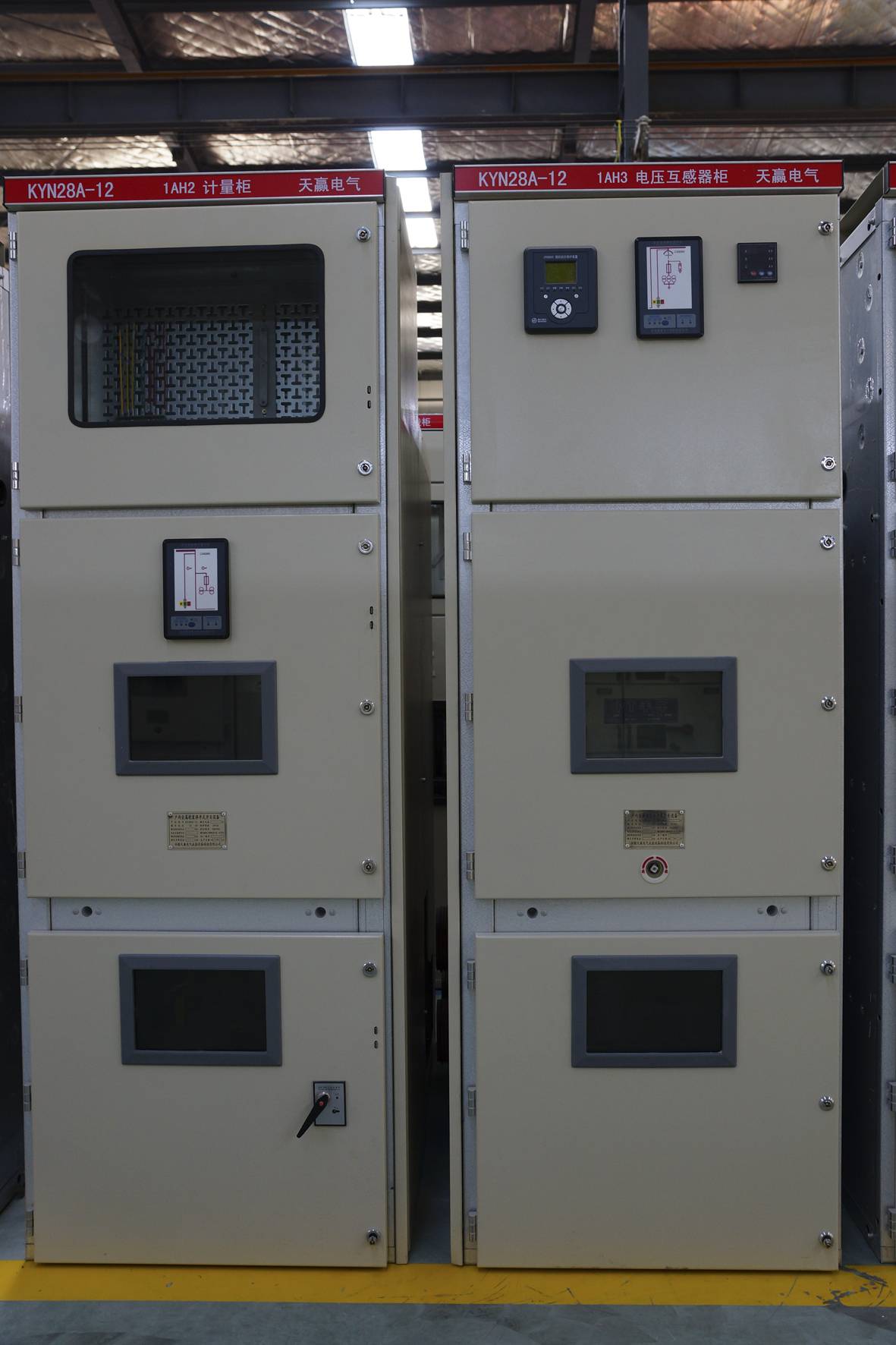
KYN28 - High Voltage Switchgear
Anhui Tianying Electrical Equipment Manufacturing Co., Ltd.

CAP1400 main feedwater flow nozzle flowmeter.
Jiangsu Hongda Instrument Technology Co., LTD.
Standard Nozzle Flowmeter
Jinggong Automatic Control Instrument Complete Technology Development Company