en.Wedoany.com Reported - First Lithium Minerals Corp. has reported exploration results with brine lithium concentrations reaching up to 1,299.5 mg/L at its Ascotán Salar exploration project in the Antofagasta Region of Chile. The data is based on surface sampling activities conducted by the company in March 2026 and was released on June 9, 2026.
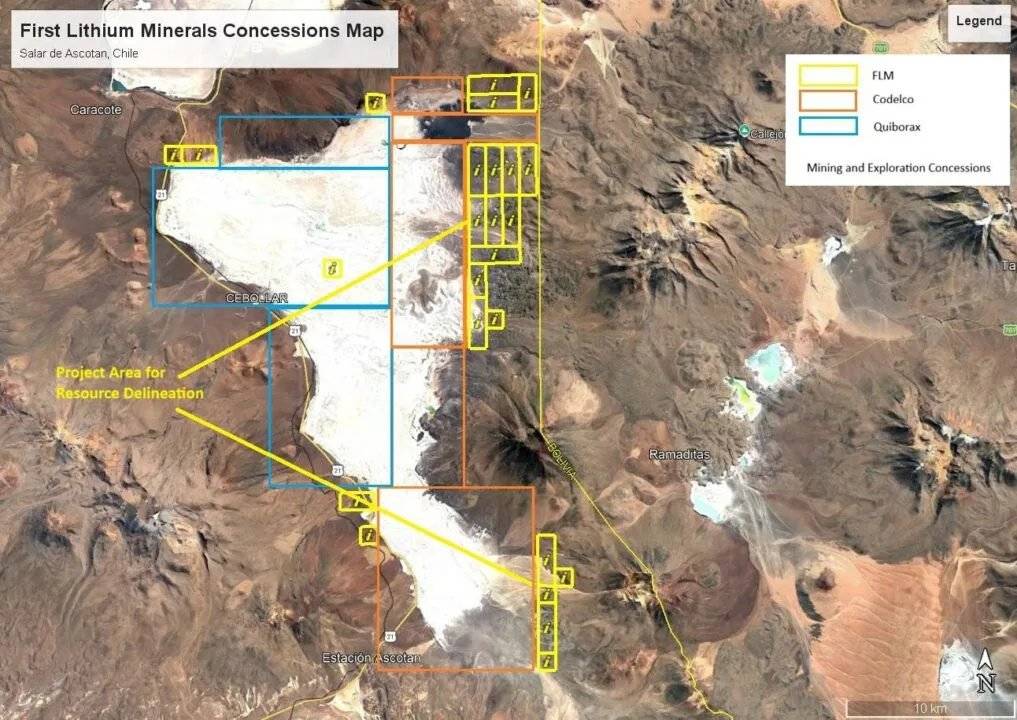
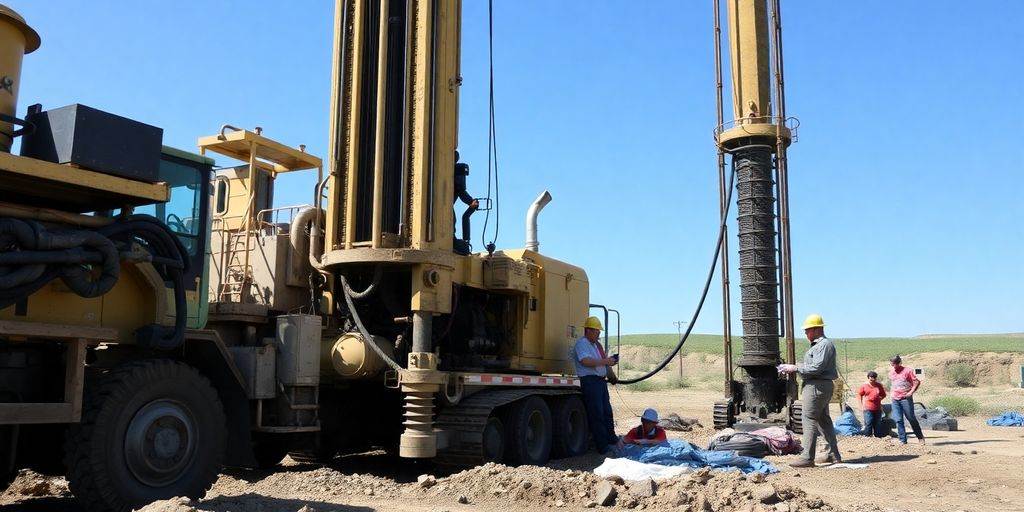
The Canadian junior mining company used a portable auger drill to collect samples from shallow sediments at depths of 1.0 to 1.5 meters below the surface hard crust. A total of 40 shallow holes were drilled, of which 20 revealed shallow brine layers. Analytical results show lithium concentrations ranging from 93.5 mg/L to 1,299.5 mg/L, with an average of 417.4 mg/L and an average magnesium-to-lithium ratio of 8.4. Among nine samples with lithium content exceeding 300 mg/L, three samples had lithium concentrations above 1,000 mg/L. The company noted that these samples are selective and do not represent overall mineralization or general characteristics of the salar, and do not constitute a resource or reserve estimate.
The OCA Salar de Ascotán project is located in the Ascotán Salar in northern Chile, comprising approximately 1,800 hectares of mining exploration rights. The salar is situated in the Andean highlands near the Bolivian border, at an elevation of approximately 3,716 meters, in a high-altitude desert environment. The surrounding area has well-developed mining infrastructure, is close to Calama, accessible via Route 21, and adjacent to the Antofagasta-to-Bolivia railway line.
These surface results complement previous geophysical data. Earlier studies have established a preliminary hydrogeological model indicating brine indications starting at approximately 200 meters below the surface, with thicknesses reaching up to 400 meters, and consolidated lacustrine basement or bedrock near a depth of 600 meters. The company stated that the most promising area is the intersection of samples with lithium concentrations exceeding 1,100 mg/L and magnesium-to-lithium ratios between 8 and 10. The magnesium-to-lithium ratio is an important variable affecting the metallurgical complexity and processing costs of brine projects.
First Lithium plans to initiate a 1,500-meter drilling program in the second half of 2026, but this work ultimately depends on funding, government permits, and the implementation of relevant community agreements. The company holds a 100% interest in approximately 8,900 hectares of mining exploration rights across the Ollagüe, Carcote, and Ascotán salars in the Antofagasta Region.
In the context of Chile's pursuit of lithium resources beyond the Atacama Salar, early-stage projects like Ascotán provide indicators of exploration interest. At the current stage, the project has no confirmed production, resource estimates, or approved development plans, and its mining value will depend on whether subsequent drilling can confirm the continuity of the deep brine system.