All Five Tunnels on Xiangyi Expressway Yichang Section Constructed by China Railway 18th Bureau Successfully Holed Through
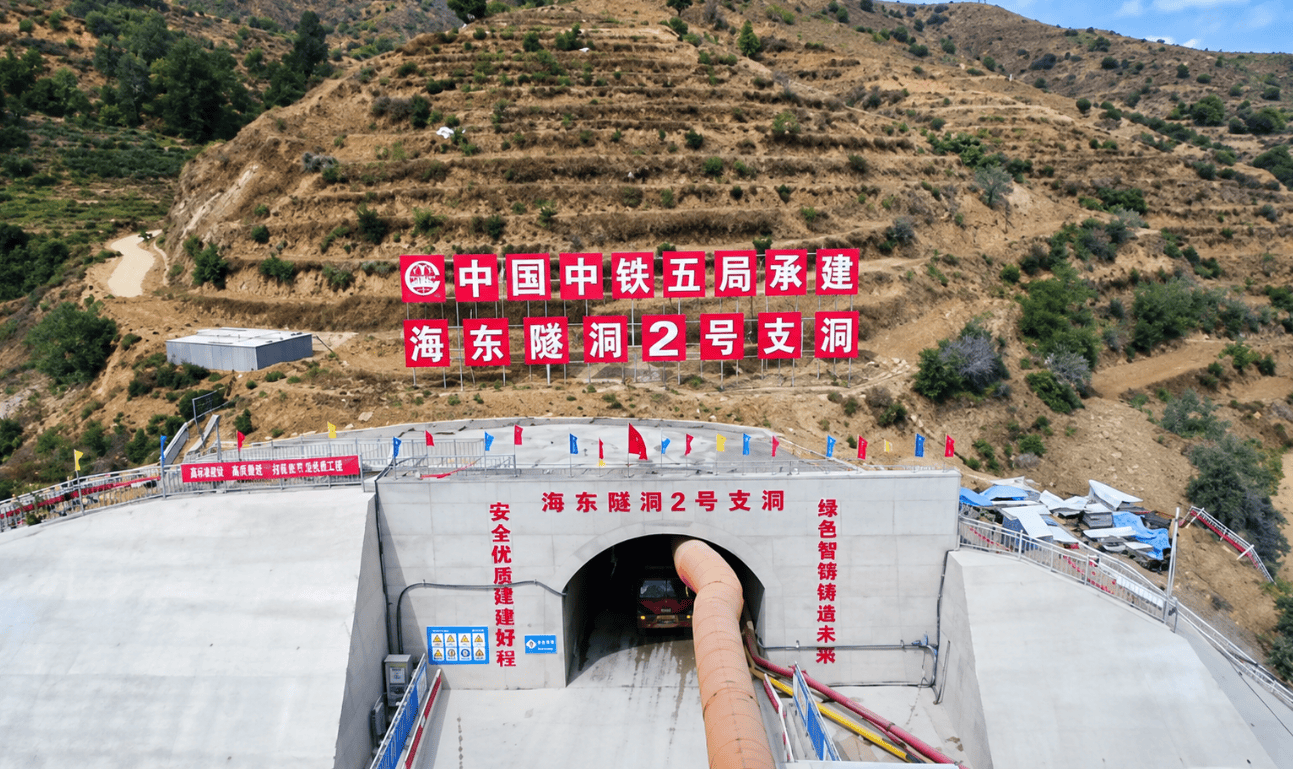
en.Wedoany.com Reported - On July 2, the Chunqiu Zhai Tunnel, a key control project on the Yichang section of the Xiangyi Expressway in China, was holed through on both lines. With this, all five tunnels within the Civil Engineering Contract Section 1 of the Yichang section, undertaken by China Railway 18th Bureau Group Co., Ltd., have been successfully connected. The total length of the tunnel group exceeds 8.7 kilometers, and the overall construction period is two months ahead of schedule.
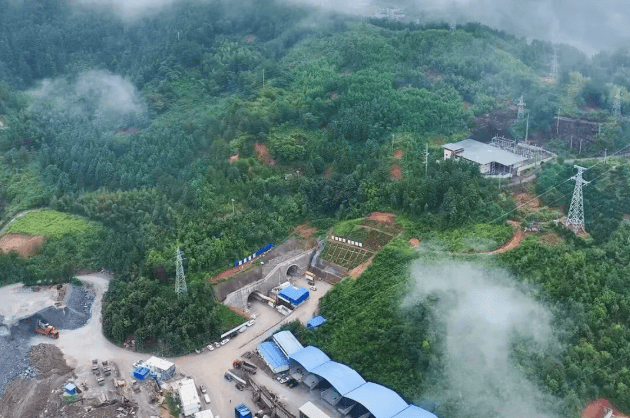
Rooted in the Jingshan Mountains and overcoming numerous challenges over more than 800 days and nights, the builders of China Railway 18th Bureau have transformed the natural barrier of Jingshan into a smooth thoroughfare, completing the most critical piece of the puzzle for Yichang's "northward fast-track" expressway framework.
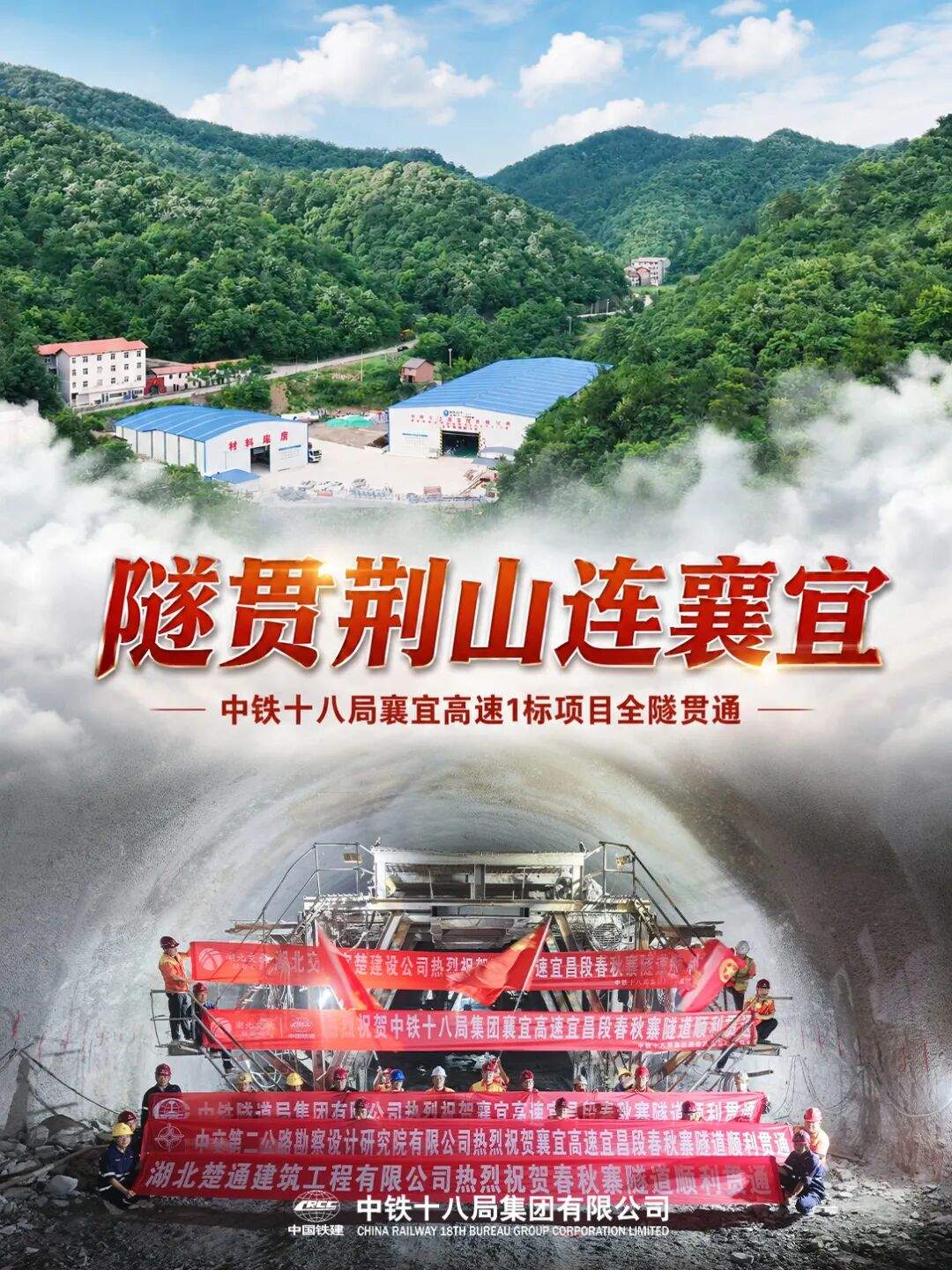
The Xiangyi Expressway is a key project in Hubei Province's 14th Five-Year Comprehensive Transportation Plan. It starts from the southern ring road of Xiangyang City and ends at the Guanzhuang Interchange on the Hurong Expressway in Yiling District, with a total length of approximately 156 kilometers. The Civil Engineering Contract Section 1 of the Yichang section, undertaken by China Railway 18th Bureau, is about 10.6 kilometers long and includes five tunnels.
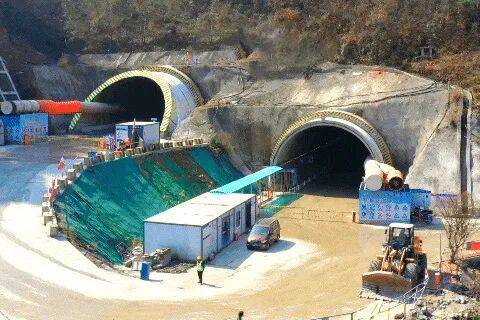
The Chunqiu Zhai Tunnel, which was holed through this time, is approximately 2,600 meters long with a maximum burial depth of 293 meters. It is a typical low-gas tunnel. The traversed section lies in a low mountain and hilly area with significant terrain undulations and complex climatic and hydrological conditions. It also features complex geological conditions such as coal mine goafs, bedding planes, shallow overburden, harmful gases, and soft soil layers, making construction and safety control extremely challenging.
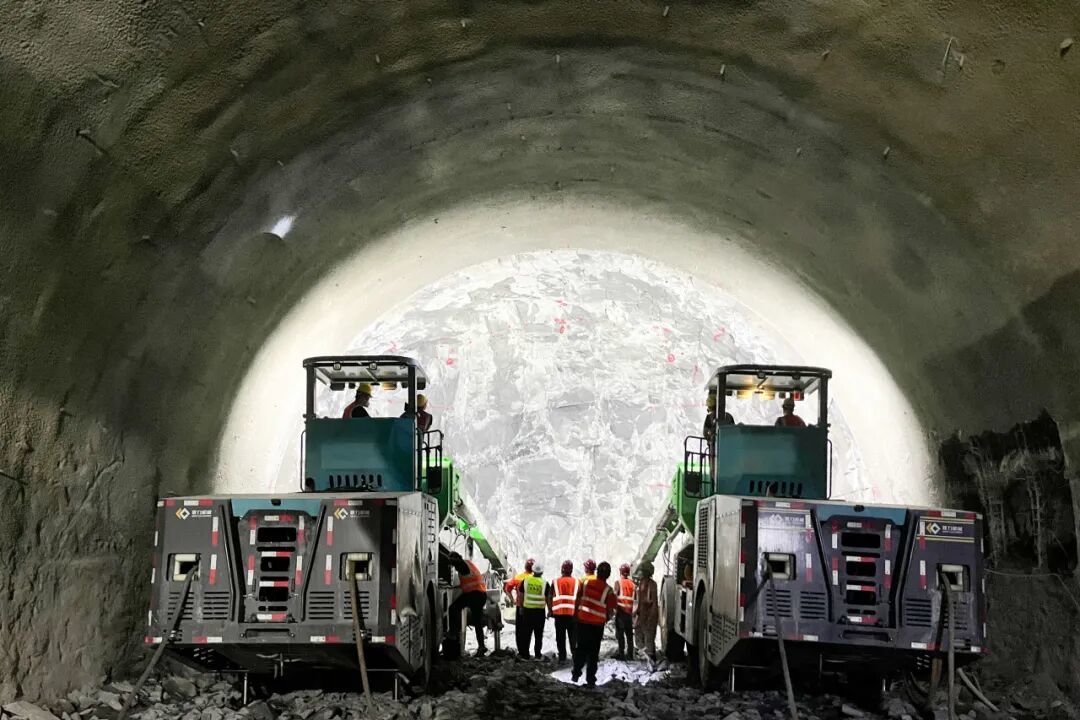
During construction, the project team adapted measures to local conditions, adopting a two-way excavation method and rationally utilizing blasting techniques and large-scale mechanical excavation to ensure construction progress. Addressing the challenges of low-gas tunnel construction, the project team adhered to a "technology-driven safety" strategy, establishing a real-time monitoring and early warning information system for low gas concentrations. This was supplemented by a full-chain prevention and control system encompassing "advance forecasting, ventilation assurance, intelligent monitoring, ignition source control, and standardized operations," laying a solid foundation for safe tunnel construction.
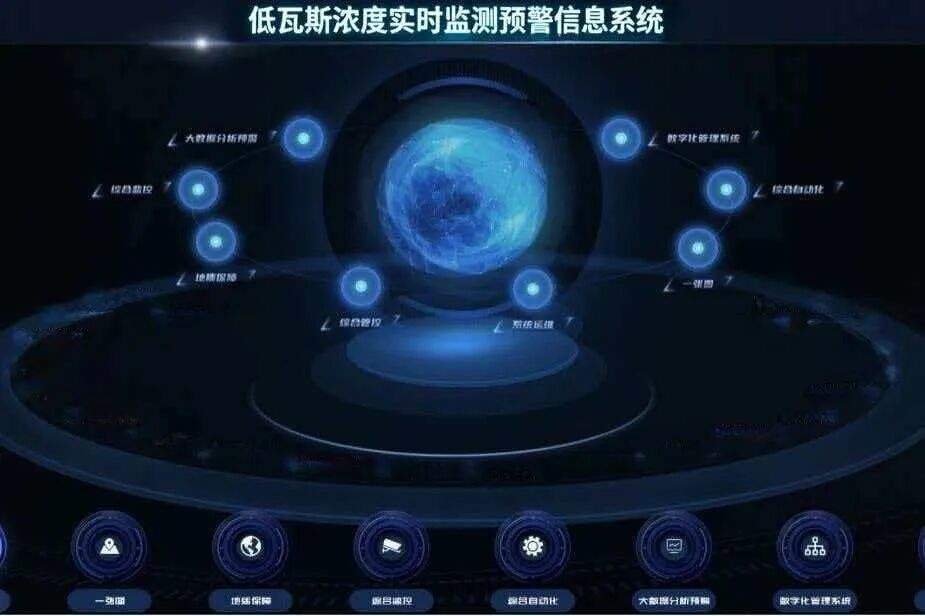
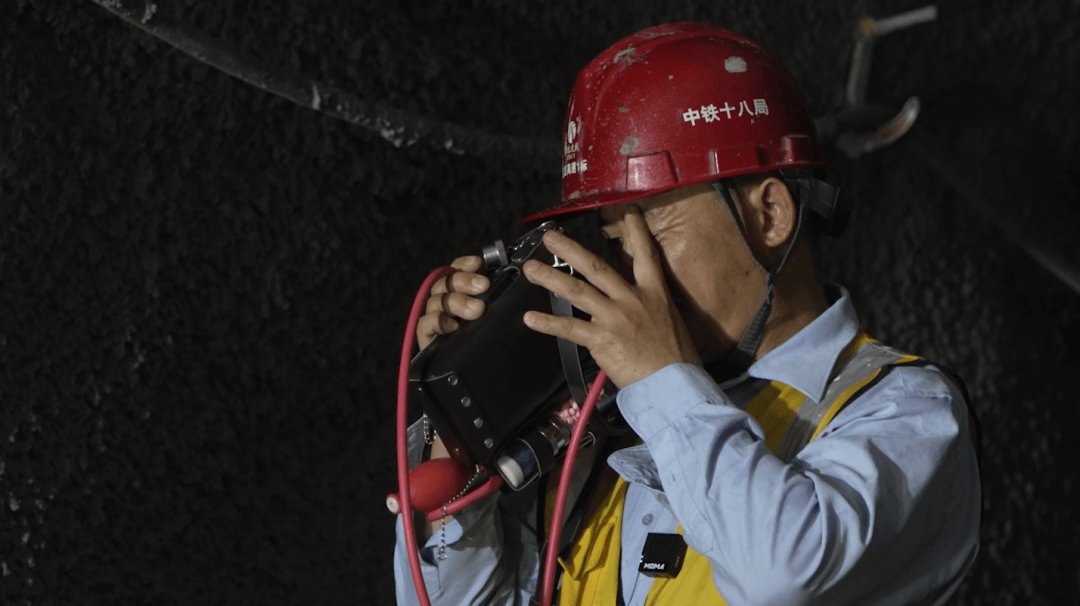
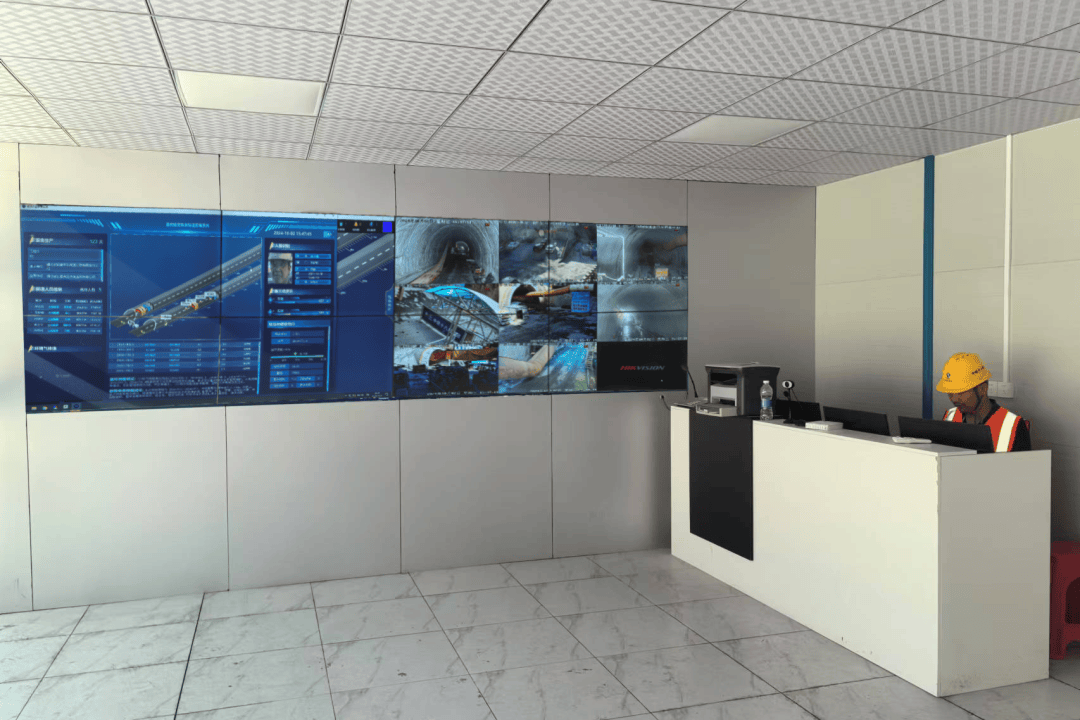
"We deployed high-sensitivity methane sensors and optical gas detectors in key operational areas such as the tunnel face and secondary lining formwork trolleys, achieving 24-hour uninterrupted full-coverage monitoring. Once the gas concentration reaches the safety warning threshold, the system rapidly initiates a linked response process of 'gas anomaly alarm – gas-electric interlock automatic power-off – fan variable frequency speed increase for enhanced ventilation.' Various risk parameters are converted into visual data in real-time, nipping safety hazards in the bud," the project manager explained.
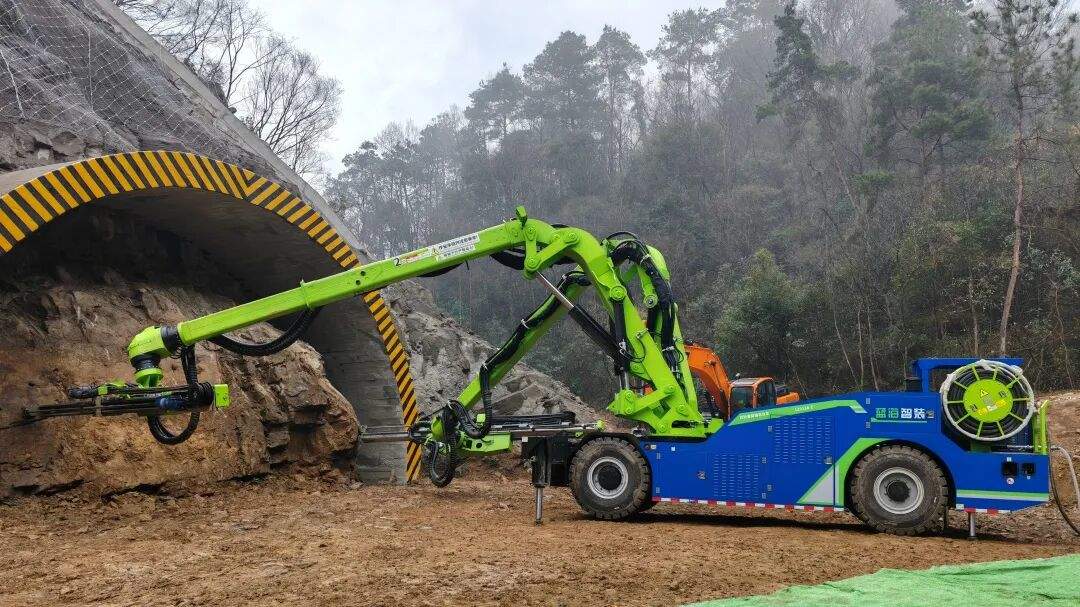
The project construction balanced geological challenges with ecological protection, persistently advancing technological innovation and green construction simultaneously. All tunnel portals adopted a "zero-excavation" entry technique, using minimally invasive construction methods to minimize disturbance to the mountain body and protect the original natural landscape along the route. For construction wastewater, an on-site "multi-stage sedimentation + sewage filtration" treatment system was deployed. The purified water resources were recycled for concrete mixing and road watering for dust suppression, ensuring "no pollution during construction, no disruption to greenery during development."
In terms of intelligent construction, the project fully deployed intelligent large-scale equipment such as double-boom rock drilling jumbos and wet shotcrete manipulators. It deeply integrated BIM+GIS 3D modeling technology to build an integrated digital construction management platform, scientifically advancing the construction. Tunnel excavation efficiency increased by 30%, achieving a dual improvement in construction safety and project quality and efficiency.
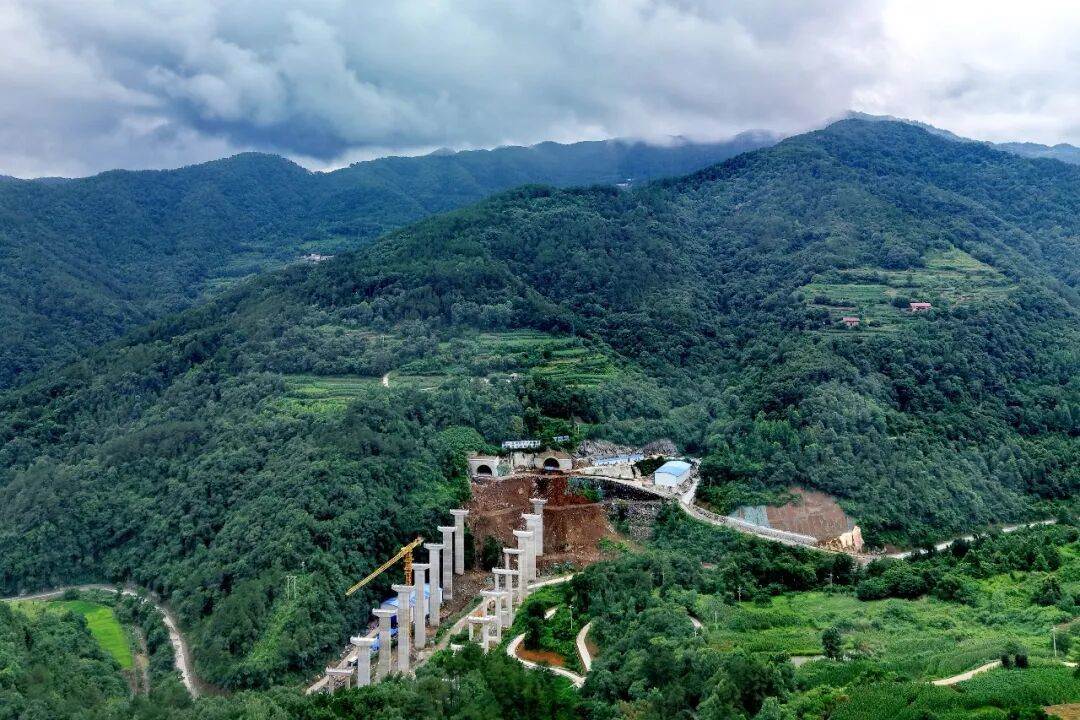
Once the entire line is completed and opened to traffic, the travel time between Yichang and Xiangyang, two provincial sub-central cities, will be reduced from 3 hours to 1.5 hours. This will help accelerate the rapid development of the Yichang-Jingzhou-Jingmen and Xiangyang metropolitan areas, injecting strong momentum into Hubei's efforts to accelerate its construction as a key strategic fulcrum for the rise of Central China.
Related Products

ERW Welded Pipe (Black Pipe and Hot-dip Galvanized Steel Pipe)
Handan Zhengda Steel Pipe Co., Ltd.
West China Xiamen Hospital of Sichuan University
Wuhan Huakang Century Clean Technology Co., Ltd.
Pure Polyurethane Wall Panel BD-AEF-PIR-01
Baodu International Engineering Technology Co., Ltd.
Ceiling light | led Ceiling Light | LED Indoor light | LED Ceiling lighting
Queendom Group Technology Co., Ltd.
300mm Segment Type Countdown Traffic Light (Core Type)
Yangzhou FAMA Intelligent Equipment Co., Ltd.