Japan's Ministry of Economy, Trade and Industry Proposes Deploying 10 Million AI Robots by 2040
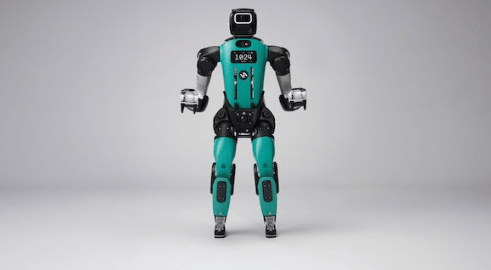
en.Wedoany.com Reported - Recently, Japan's Ministry of Economy, Trade and Industry (METI) released a revised version of the "AI Robot Strategy," proposing the deployment of 10 million AI robots across 18 fields by 2040. The Japanese government aims to use AI robots to alleviate labor shortages caused by an aging population and low birth rates, expanding robot applications from factory production lines to real-world scenarios such as nursing care, logistics, construction, agriculture, services, and public infrastructure.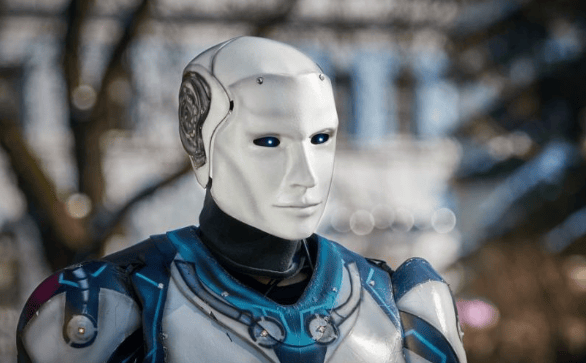
The core of this strategy is not merely to increase the number of robots, but to integrate AI models, robot hardware, and industrial applications. Traditional robots rely more on preset programs to perform fixed actions, suitable for standardized production scenarios like automobiles and electronics. AI robots, however, need to understand voice, images, video, sensor data, and the surrounding environment, then autonomously generate actions based on task objectives. METI refers to this capability as "Physical AI," i.e., entity AI oriented toward real-world actions. To support this direction, the Japanese government plans to provide up to 1 trillion yen over the next five years to Noetra, a company jointly participated in by SoftBank, NEC, Honda, Sony, and others, for developing a multimodal foundational platform. The fiscal 2026 budget allocation for this is 387.3 billion yen. This platform will serve robot control, environmental recognition, task planning, human-machine interaction, and industry scenario adaptation in the future. The goal is not just to create a chat model, but to enable robots to "see, understand, judge, and act" in real spaces.
Japan's robotics industry originally had a strong manufacturing base. Industrial robots, motors, reducers, sensors, and precision manufacturing capabilities are Japan's long-standing advantages. However, in service robots, humanoid robots, and AI model ecosystems, Japan faces competitive pressure from countries such as the United States and China. This revised strategy aims to bind robot hardware advantages with domestic AI model development, intending to fill the gap in "brain" capabilities.
If the deployment target of 10 million units is advanced, it will drive a longer equipment and service chain. Robot bodies require servo motors, reducers, controllers, torque sensors, vision modules, batteries, power management, edge computing chips, and safety protection components. The AI platform needs training data, simulation environments, model compression, cloud computing power, on-site communication, and system integration. Application deployment also requires redesigning operational processes for scenarios such as nursing care, warehousing, construction, agriculture, inspection, retail, cleaning, and transportation facility maintenance. By promoting AI robots across 18 fields, the Japanese government indicates that subsequent procurement demand will not be limited to industrial production lines but will spread to public services, lifestyle services, and infrastructure maintenance. The real challenge lies here: whether robots can adapt to unstructured environments, safely approach the elderly, children, and ordinary consumers, and reduce costs in actual business operations will determine whether this strategy can transition from a policy goal to a sustainable market.
Related Products

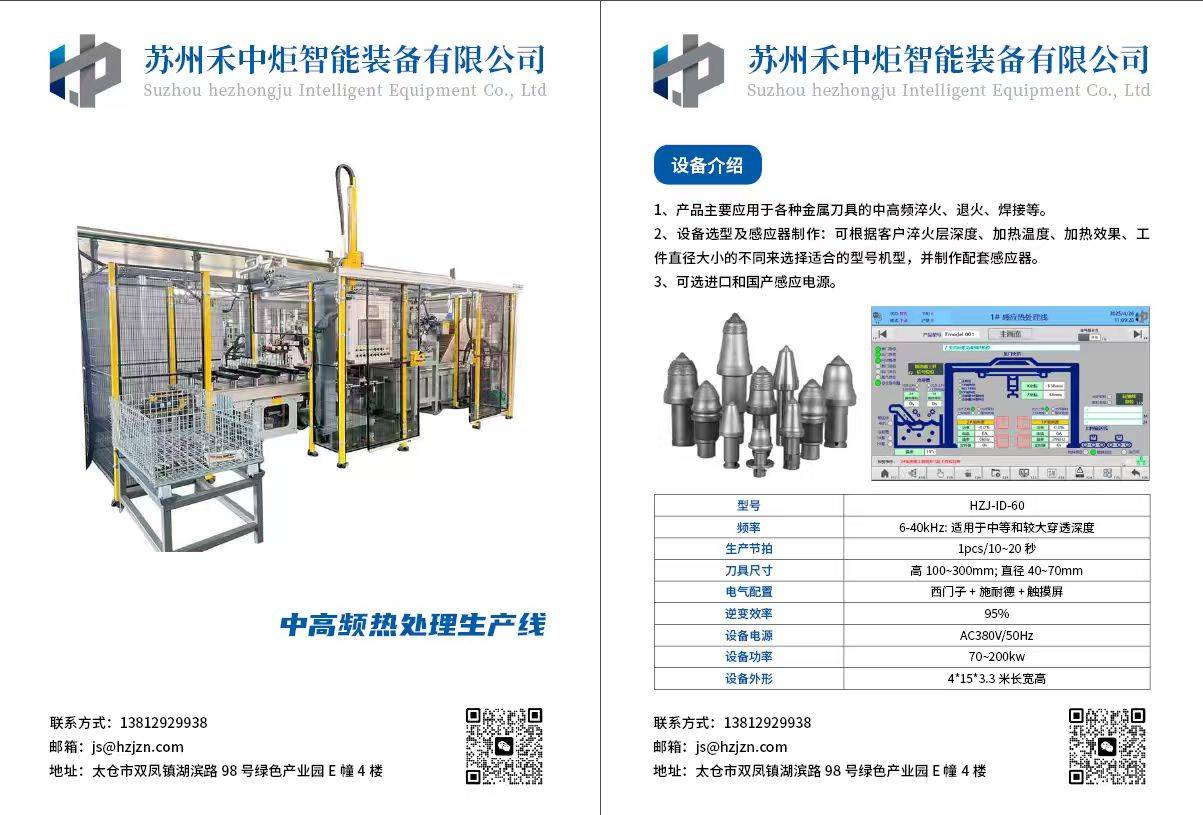
Excavator Bucket Teeth Heat Treatment Production Line
Suzhou Hezhongju Intelligent Equipment Co., Ltd.
Standard Nozzle Flowmeter
Jinggong Automatic Control Instrument Complete Technology Development Company

CAP1400 main feedwater flow nozzle flowmeter.
Jiangsu Hongda Instrument Technology Co., LTD.
Pallet Solutions Product Line: HD3000 Double-Column Stacker Crane
Zhongding Intelligent (Wuxi) Technology Co., Ltd.
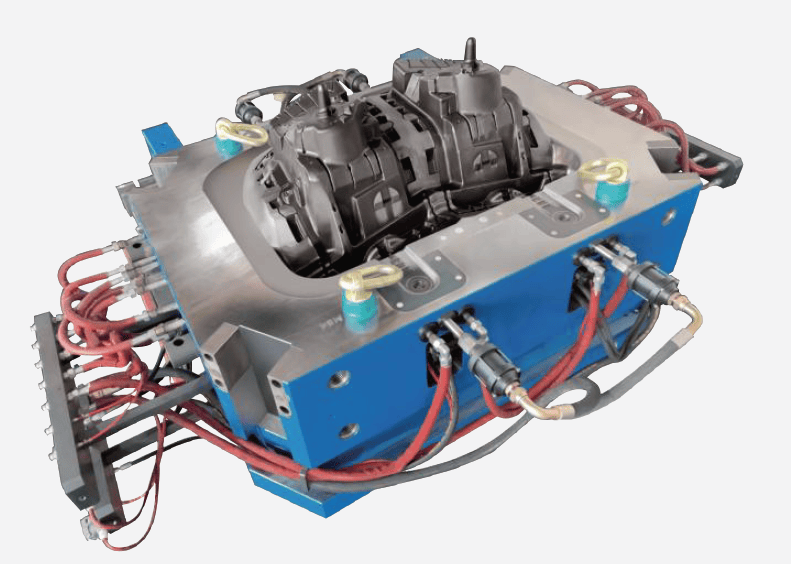
Aluminum-Magnesium Alloy High-Pressure Die-Casting Molds
NINGBO HELI TECHNOLOGY CO., LTD.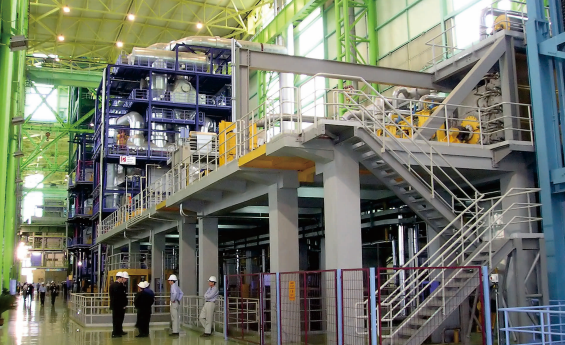
Strip Coating and Plating Production Line Equipment
MCC-SFRE HEAVY INDUSTRY EQUIPMENT CO., LTD.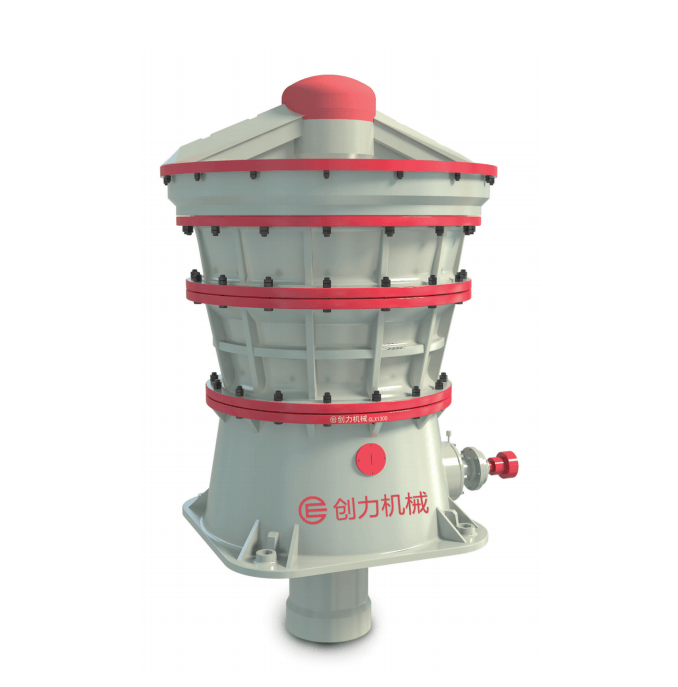
CLX Series Intelligent Hydraulic Gyratory Crusher
Guangdong CHUANGLI intelligent machinery Equipment Co., LTD