When Smart Instruments Become Connected Assets: Managing Industrial Cybersecurity Across the Lifecycle
en.Wedoany.com Reported - Digital fieldbuses, industrial Ethernet, wireless networks and remote asset-management platforms are connecting Automation Instruments to increasingly broad control environments. Connectivity enables remote diagnostics, centralized configuration and condition analysis, but it also changes the instrument risk profile. Accuracy, drift and hardware failure are no longer the only concerns.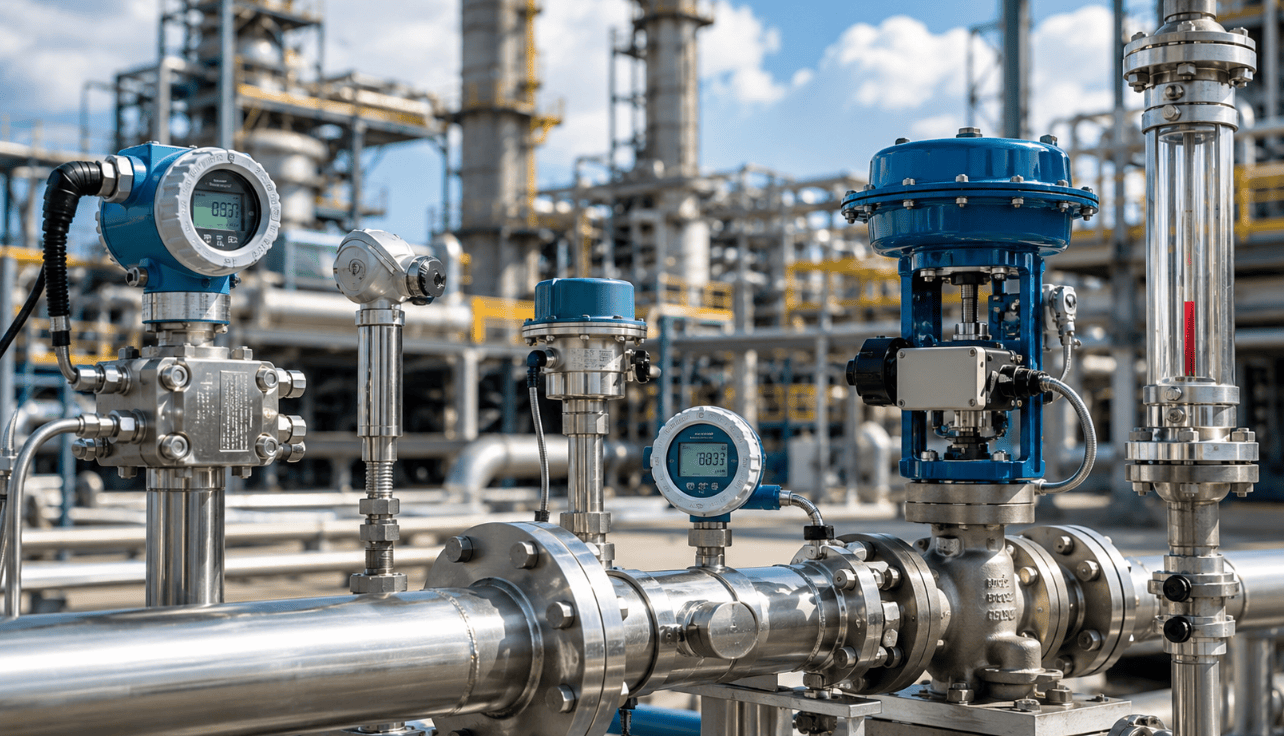
A connected instrument may also be exposed to account misuse, vulnerable firmware, unauthorized configuration, communication disruption and supply-chain weaknesses. The device does not need a direct internet connection to become part of an attack path. Access may be provided through an engineering workstation, control system, gateway, maintenance laptop or remote-service platform.
Threats can originate outside or inside the organization. A compromised maintenance computer can introduce malware into a control environment. A default password can allow unauthorized changes. A lost wireless terminal may expose credentials. An employee may alter a configuration unintentionally or deliberately. Cybersecurity must therefore address people, processes, products and system architecture.
The ISA/IEC 62443 series provides standards and technical reports for the cybersecurity of industrial automation and control systems. The series covers organizational security programs, risk assessment, system design, component requirements and secure product-development lifecycles. Its lifecycle approach reflects the fact that industrial cybersecurity cannot be achieved through one firewall or antivirus product.
An asset inventory is a practical starting point. A plant should know which transmitters, analyzers, valve positioners, gateways, handheld configurators and engineering tools are installed. Records should include model, firmware, protocol, network relationship, location and responsible department. Without this information, the organization cannot determine which assets are affected by a vulnerability or plan an upgrade.
Network segmentation can limit the spread of faults and attacks. Instrument networks, control networks, safety systems and enterprise information systems should not communicate freely without defined boundaries. Zones can be established according to process function and risk, with controlled conduits for necessary communication.
Segmentation must still support plant operation. Maintenance access, time synchronization, historian data and remote support may require carefully designed connections. A network that is theoretically isolated but routinely bypassed by temporary laptops or unmanaged modems is not secure. The architecture must match actual work practices.
Identity and access management is equally important. Engineers may need to change range, damping or diagnostic settings. Maintenance personnel may need read access to condition data. Operators may only need device status. Providing every user with the same privileged account increases the consequences of mistakes and makes accountability difficult.
Least-privilege access should be combined with records of important configuration changes. The organization should be able to determine who changed a setting, when the change occurred and what the previous value was. Critical functions may require approval or dual authorization before changes are applied.
Firmware management is a new lifecycle responsibility for many instrumentation teams. An update may correct vulnerabilities and functional defects, but it can also change communication, certification or device behavior. Plants should verify the source and integrity of firmware, test compatibility and prepare a recovery method before deployment.
Legacy devices that cannot be upgraded require compensating controls. These may include stronger segmentation, restricted access, monitoring or planned replacement. Keeping an unsupported device in operation without knowing its exposure creates an accumulating risk, particularly when the surrounding network continues to evolve.
Remote maintenance can reduce travel and accelerate troubleshooting, but a temporary support connection should not become a permanently open path. Remote access should be authorized, linked to a known identity, protected in transit and limited by time, asset and function. Sessions should be logged, and access should be removed when the work is complete.
Wireless instrumentation adds requirements for key management, device admission, coverage and radio interference. Wireless networks can reduce cabling cost and are useful in tank farms, rotating equipment and retrofit projects. Reliability, however, depends on network capacity, update rate, battery life, retransmission and the surrounding radio environment, not only on signal strength.
Cybersecurity and functional safety can also intersect. If an attacker can change a trip setpoint, suppress a measurement or prevent a final element from operating, a cyber event may become a process-safety event. Safety systems need appropriate independence while their configuration access, interfaces and change records receive strict protection.
Supplier management determines whether connected instruments remain supportable. Purchasing documents should ask about the secure development process, vulnerability-disclosure policy, patch-support period, account controls, logging, signed firmware and secure decommissioning. Industrial instruments often remain installed long after a product is removed from active sale.
The benefits of smart instrumentation remain substantial. Rich diagnostics can reduce inspection effort and identify problems earlier. Connectivity can improve configuration control and asset analysis. These advantages can only be sustained when instrumentation, control, process, safety, maintenance, information-technology and purchasing teams share responsibility for asset inventory, segmentation, access, updates and incident response.
Connected instruments should be treated as managed industrial assets throughout their service life. When cybersecurity is integrated into design, procurement, operation and retirement, smart instruments can support safer and more efficient production without becoming an unmanaged source of risk.
Related Products


Industrial and Commercial Point-Type Gas Detector
Jinan Benan Technology Development Co., Ltd.

CAP1400 main feedwater flow nozzle flowmeter.
Jiangsu Hongda Instrument Technology Co., LTD.

Pneumatic high-pressure wear-resistant ball valve
Zhejiang Deca Control Valve Meter Co., Ltd.
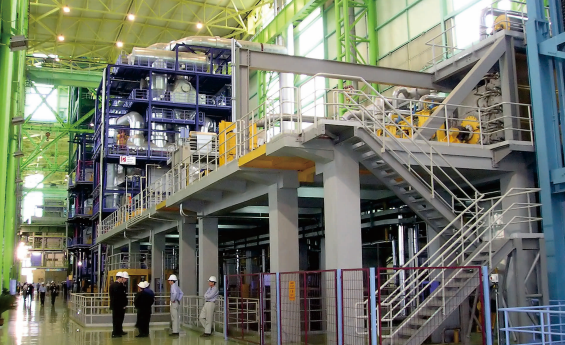
Strip Coating and Plating Production Line Equipment
MCC-SFRE HEAVY INDUSTRY EQUIPMENT CO., LTD.
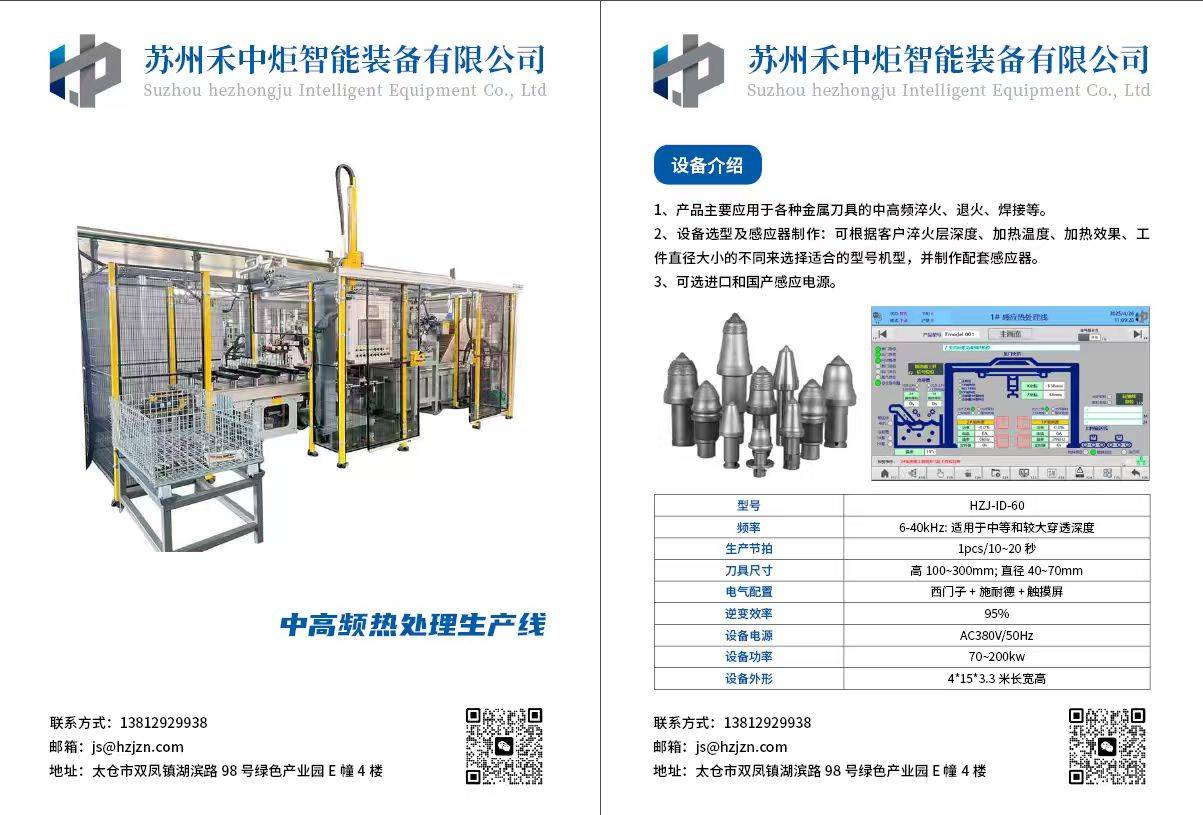
Excavator Bucket Teeth Heat Treatment Production Line
Suzhou Hezhongju Intelligent Equipment Co., Ltd.