Kangra Completes Donkerhoek Water Project in South Africa, Benefiting 120 Households
en.Wedoany.com Reported - Coal mining company Kangra has completed a water infrastructure project in the Donkerhoek area, providing water support to over 120 households and demonstrating the role of public-private partnerships in sustainable community development. On July 1, 2026, Kangra participated in a community celebration alongside multiple government departments, marking the official conclusion of the project's second phase.
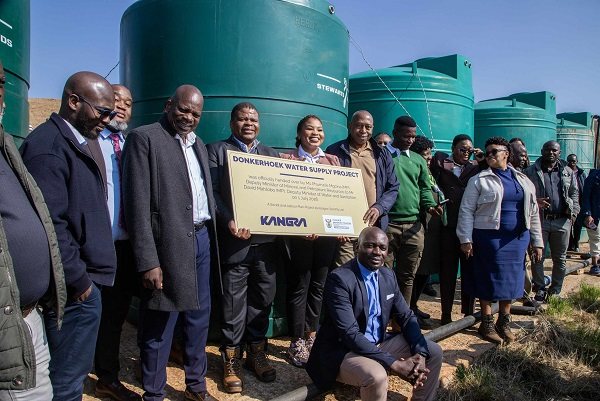
This project is part of Kangra's ongoing Social and Labour Plan (SLP), which includes laying water infrastructure across eight farms in the area, along with supporting agricultural measures. The SLP consists of a series of five-year community upliftment projects, overseen by the Department of Minerals and Petroleum Resources.
The current phase builds on the successful implementation of the first phase, completed in 2023, which served households under the Yende Farmers Trust. During that phase, Kangra installed yard taps for 30 households. This handover also includes renovating a community hall and building new homes for two families, implemented in collaboration with Kangra, the Yende Trust, and the Mkhondo Local Municipality.
Mpumelelo Saliwa, Kangra's Engineering Manager, stated that such projects reflect the company's legal and moral responsibility to improve people's lives. He described it as a life-changing breakthrough for the Donkerhoek community, demonstrating what can be achieved when the private sector and government work together.
The event began with a site inspection and a ribbon-cutting ceremony.
Phumzile Mgcina, Deputy Minister of the Department of Minerals and Petroleum Resources, noted that the Donkerhoek project showcases the significance of the Social and Labour Plan as a tool for promoting sustainable development in mining communities. She said the SLP aims to ensure that mining brings lasting development impacts. Such projects create opportunities for communities to build sustainable livelihoods and ensure that the benefits of mining endure long after operations cease.
David Mahlobo, Deputy Minister of the Department of Water and Sanitation, praised Kangra for fulfilling its commitments and commended community leadership for seizing the opportunities presented by the project. He said these initiatives demonstrate what can be achieved when mining companies, government, and communities collaborate. Beyond improved services, residents have gained skills, employment opportunities, and a foundation for building sustainable enterprises that will benefit future generations.
Other speakers at the event included Melusi Yende, Chairperson of the Donkerhoek Development Committee; Speed Mashilo, MEC of the Department of Co-Operative Governance, Human Settlements and Traditional Affairs (COGHSTA) in Mpumalanga; and Phalaborwa Malatsi, MMC for Infrastructure and Technical Services at the Gert Sibande District Municipality.
Nomgqibelo Hlophe, an elderly resident from Jagdrift, said this was the first time in her life she had a tap in her yard. She has now established a vegetable garden in her backyard. She noted that she now drinks clean water, no longer water contaminated by cattle and horses.
Before the taps were installed, residents had to travel long distances to fetch water from local streams using buckets and wheelbarrows. The water was often contaminated by animals, posing health and hygiene risks to the community. Another resident, Kantrina Dlamini, said daily chores have become much easier with the taps.
In addition to water supply, Kangra supports local agricultural development to unlock the community's commercial farming potential. The Donkerhoek community has over 600 hectares of land, but it was previously underutilized due to limited equipment and challenges in achieving commercial value through a cooperative representing all eight farms. Kangra addressed this by providing a tractor with implements, including a boom sprayer and disc harrow, boosting productivity.
Furthermore, a five-hectare vegetable garden project operated through an independent cooperative was previously unable to achieve commercialization due to non-compliance with South African Good Agricultural Practices (SAGAP) standards. Kangra built critical infrastructure, including chemical storage facilities, a packaging area, sanitation facilities, and fencing.
Beneficiary households in the second phase of the water project come from three farms: Thuthukani, Jagdrift, and Witbank. This brings the total number of farms benefiting from the project to four, following the first phase launched in 2023, which served residents of the Yende Farmers Trust.
Construction was carried out by a local company, involving representatives from all eight farms, and created 16 temporary jobs. Kangra also partnered with COGHSTA and the Community Work Programme to train community members in skills such as plumbing and bricklaying. These trainings enable residents to participate in infrastructure maintenance while increasing employment opportunities.
Lungile Mthethwa, a training beneficiary, said the company that undertook the project came from the community, and community members themselves completed the work. Kangra plans to expand the project to the remaining four farms in the future, with coverage expected to reach approximately 270 households.
These projects were successfully implemented in collaboration with several key partners, including: Donkerhoek community representatives, Mkhondo Local Municipality, the Inkomati-Usuthu Water Management Area, the Department of Minerals and Petroleum Resources, the Mpumalanga Department of Agriculture, the Community Work Programme (CWP), and COGHSTA.
Related Products


Ultra-Pure Ferrite Stainless Steel Products
Gansu JISCO Group Hongxing Iron and Steel Co., Ltd.

RISITA explosion-proof air conditioning
Guangdong RISITA Air Conditioning Equipment Co.,Ltd.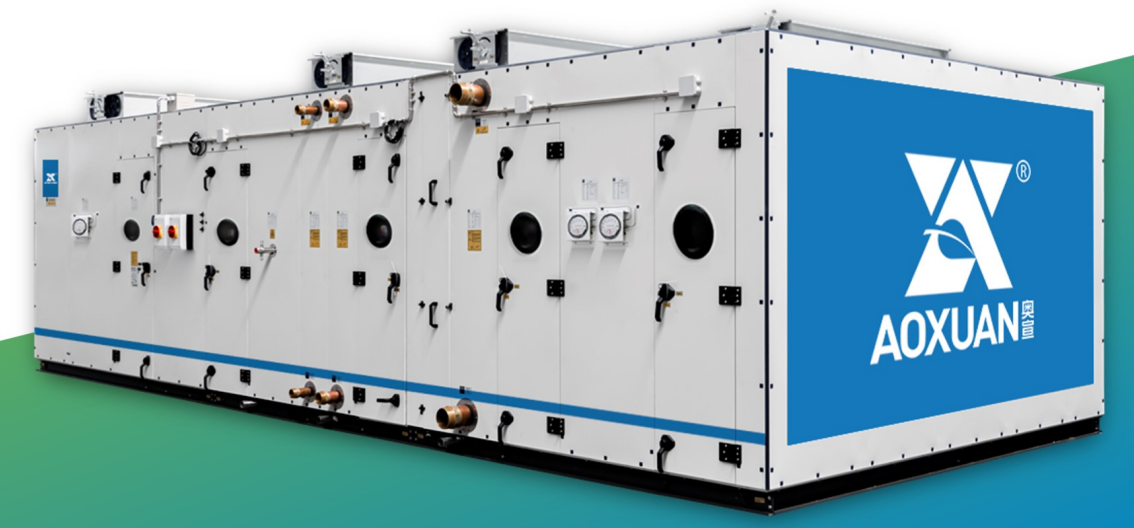
Aoxuan Intelligent Precision Air Conditioning Unit
SHANGHAI AOXUAN PURIFICATION TECHNOLOGY CO., LTD.
Pure Polyurethane Wall Panel BD-AEF-PIR-01
Baodu International Engineering Technology Co., Ltd.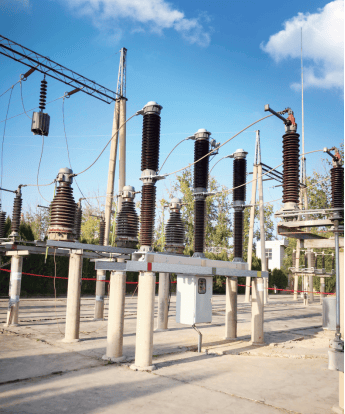
145kV Porcelain Column Type Sulfur Hexafluoride Circuit Breaker
TBEA ZONFA Shanghai High Voltage Switchgear Co., Ltd.