Industrial Users Need More Than Simple Power Factor Correction
en.Wedoany.com Reported - In manufacturing plants, mines, ports, chemical parks, steel mills, water treatment facilities and large commercial buildings, Reactive Power Compensation is becoming an important part of electrical system upgrading. Many companies first consider it because low power factor may lead to utility penalties. In practice, its value goes beyond cost reduction. It also affects equipment capacity, voltage quality, power system stability and production continuity.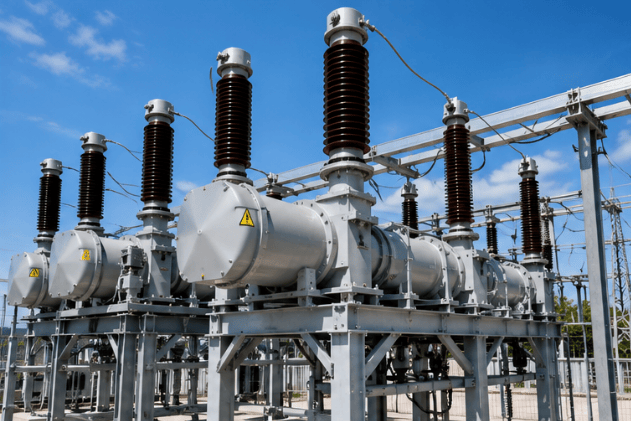
Industrial loads are often inductive. Motors, transformers, fans, pumps, compressors and welding equipment require reactive power to establish magnetic fields. When the power factor is low, a larger current is needed to deliver the same amount of active power. This increases heating in cables and busbars, raises transformer loading and worsens voltage drop in the distribution system.
For factories already operating close to their electrical capacity limit, reactive power compensation can release part of the available supply capacity without immediate large-scale expansion. This is especially valuable when a company is adding new production lines, upgrading automation systems or increasing the number of motor-driven loads.
At the equipment level, reactive compensation helps improve voltage quality. Voltage fluctuation can affect variable-frequency drives, servo systems, automated production lines, precision instruments and lighting systems. In continuous production industries, a voltage-related shutdown may cause losses far greater than the investment in compensation equipment.
However, industrial compensation should not be understood as simply installing more capacitors. If the system includes many inverters, rectifiers, electric arc furnaces or other nonlinear loads, harmonics can cause capacitor overheating, resonance amplification and equipment damage. In these cases, detuned reactors, active filters, dynamic var compensation or integrated power quality solutions may be required.
The future of industrial reactive power compensation will be more digital and service-oriented. Intelligent controllers, power factor monitoring, harmonic analysis, temperature monitoring, switching records and remote maintenance platforms can help users avoid overcompensation, undercompensation and unexpected failure. For large power users with fluctuating loads and high continuity requirements, reactive compensation is becoming a reliability management tool for the whole electrical system.
Related Products


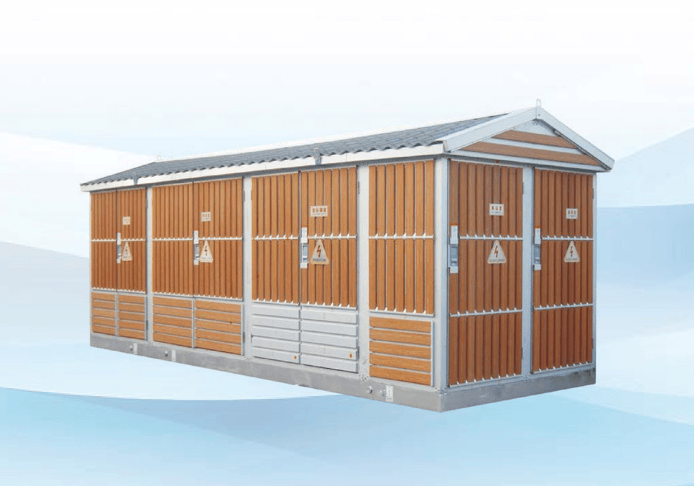
YB □ -12/0.4/1250 Outdoor Prefabricated Substation (European Style)
Shangrao Shangyu Intelligent Electric Co., Ltd.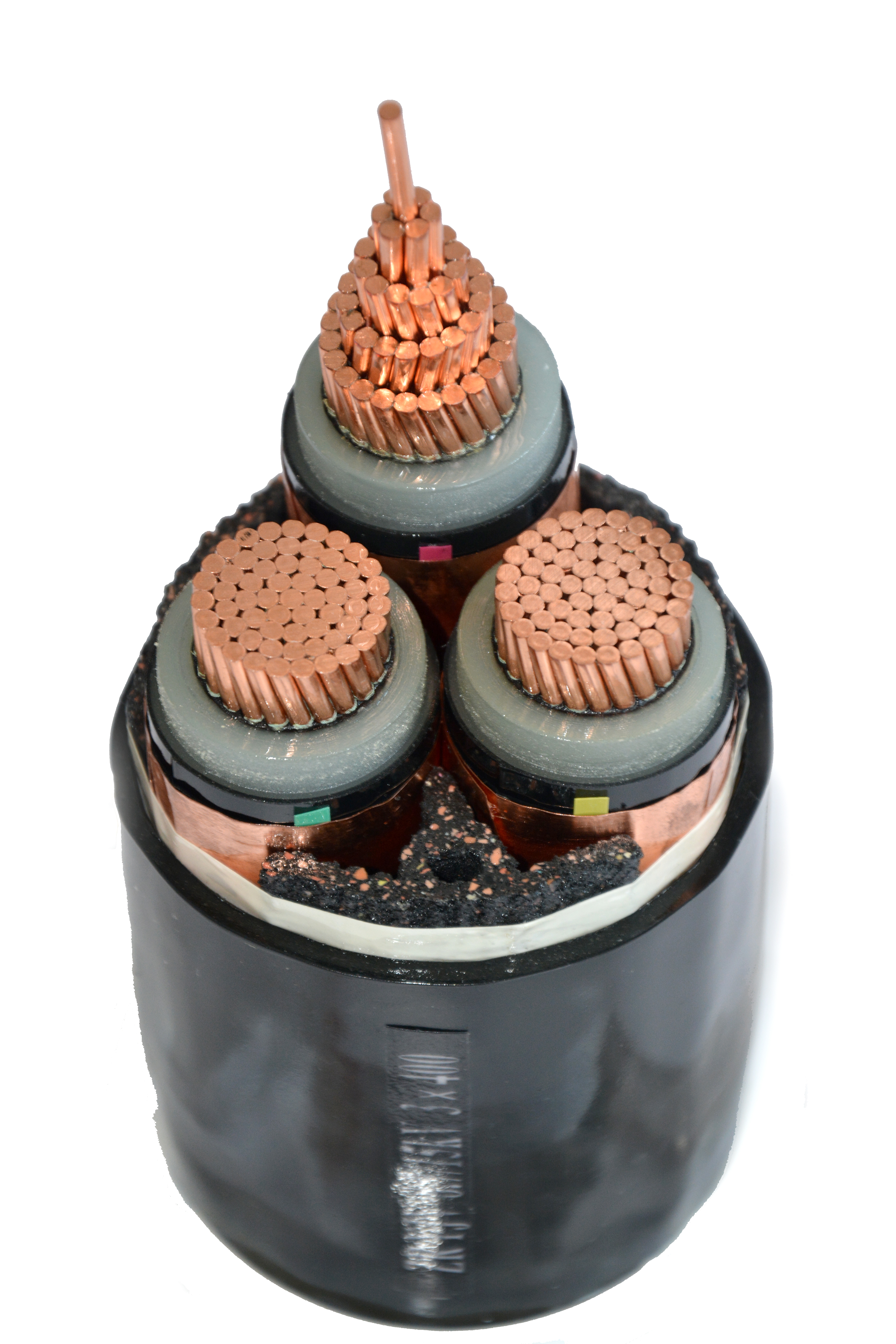
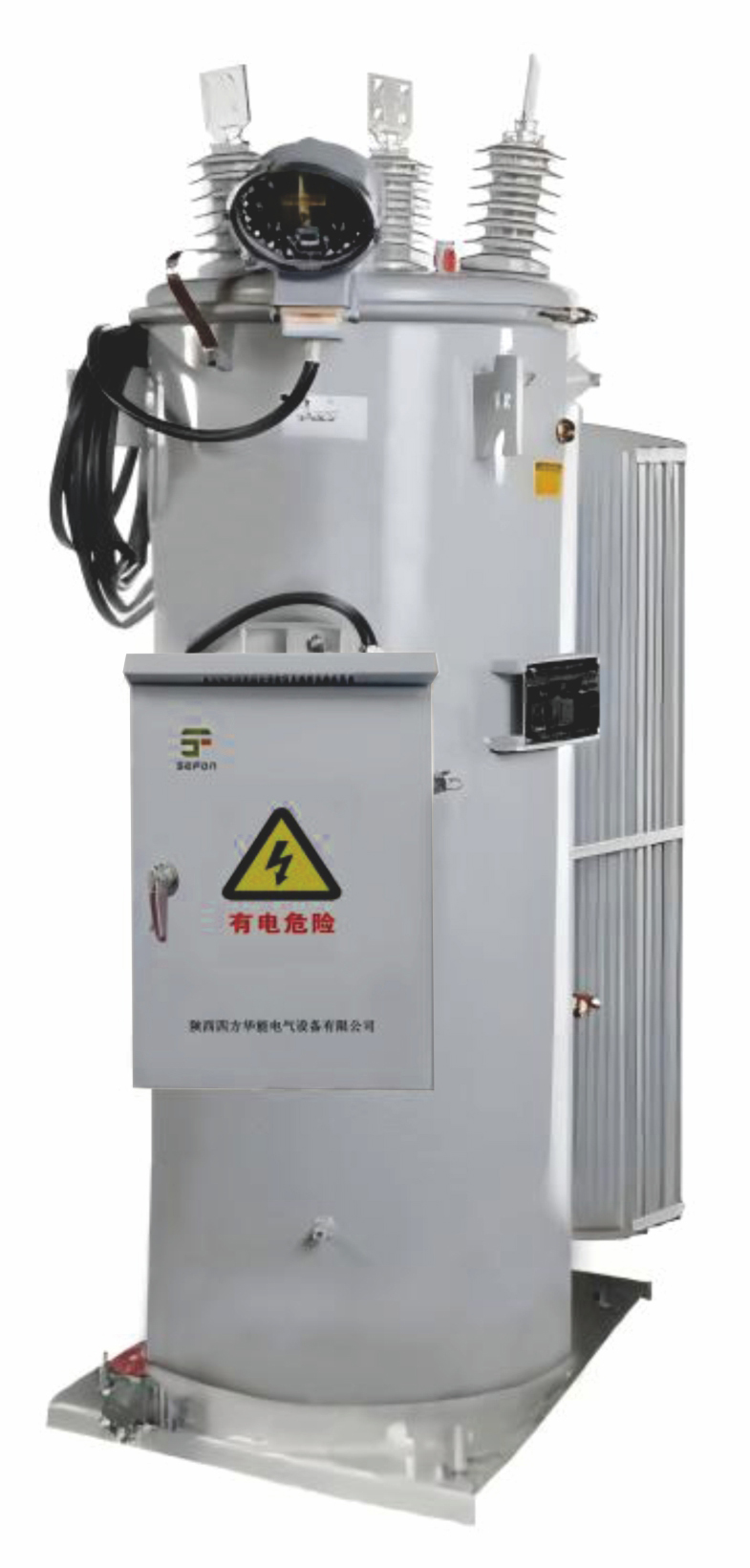
Single-Phase Automatic Voltage Regulator(AVR)
Shaanxi Sefon Electrical Equipment Co.,Ltd.
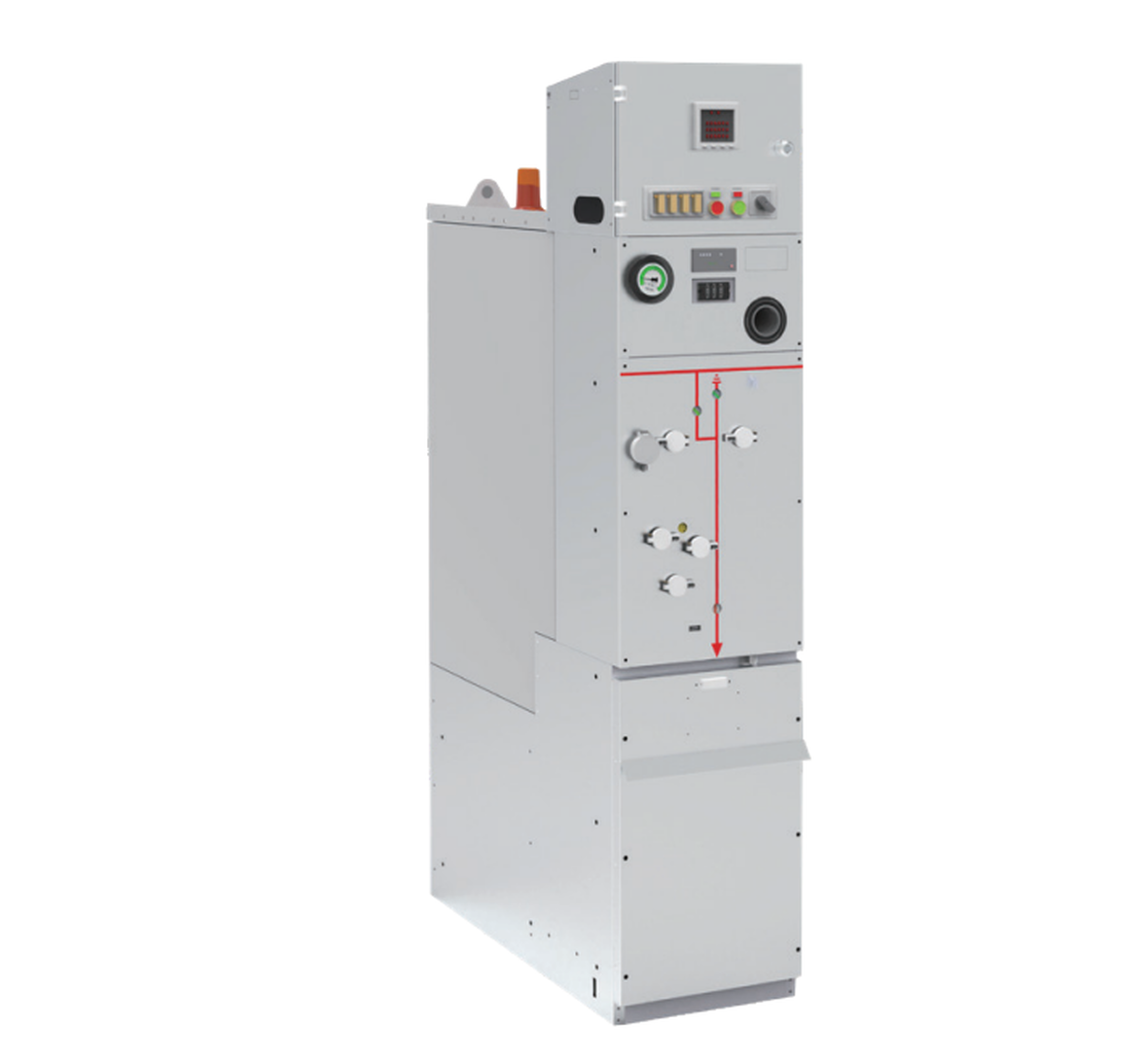
12kV1250A SF6 Gas Insulated Switchgear (C-GIS)
Shanghai Bapei Switching Equipment Co., LTD.
Hebei Zongheng Group Fengnan Iron and Steel Co., Ltd. Industrial Microgrid Smart Energy Management and Control System
Capital Engineering & Research Incorporation Limited