Renewable Integration Is Creating New Demand for Dynamic Voltage Support
en.Wedoany.com Reported - The large-scale integration of wind, solar and energy storage is changing the logic of Reactive Power Compensation. In traditional power systems, voltage support was mainly provided by synchronous generators, transformer tap changers, capacitor banks and reactors. As more renewable power plants connect through power electronic inverters, system inertia, short-circuit strength and voltage regulation methods are changing.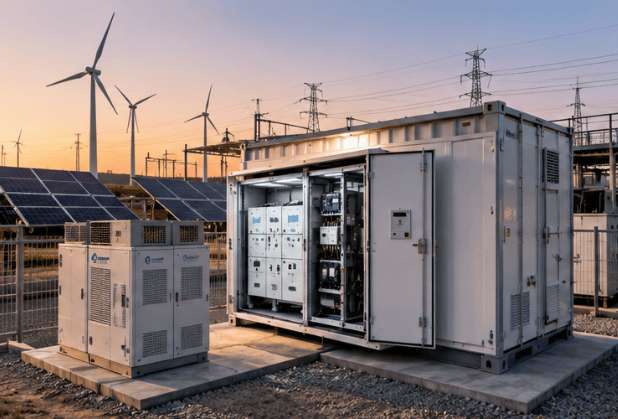
Renewable power plants are often located in resource-rich areas far from major load centers. They need collector lines, substations and transmission corridors to deliver electricity to the grid. Line impedance, weather variation, output fluctuation and grid-code requirements at the point of interconnection all influence reactive power demand.
Solar plants may experience rapid output changes caused by cloud movement. Wind farms may face wind-speed fluctuation and fault ride-through requirements. These conditions require faster reactive response and more accurate voltage control than many conventional static compensation systems can provide alone.
Capacitor banks still have value in renewable projects, but they are usually not enough for fast dynamic regulation. Static var generators, STATCOM systems, static var compensators, inverter-based reactive control, storage converters and plant-level coordination platforms are becoming important parts of renewable interconnection design. These systems can adjust reactive power according to voltage, power factor, grid instructions and operating limits.
The main challenge is system coordination. Strong performance from a single device does not guarantee stable voltage control at the whole plant level. Inverters, pad-mounted transformers, collector lines, step-up transformers, dynamic compensation devices, protection systems and dispatch communication must be coordinated. Poor parameter settings can lead to overcompensation, voltage oscillation, frequent equipment operation or failure to meet interconnection requirements.
As large renewable bases, source-grid-load-storage projects and industrial microgrids continue to develop, reactive power compensation will be more closely connected with energy storage, smart substations, energy management systems and grid dispatch platforms. Equipment suppliers will need more than hardware capability. Modeling, simulation, grid-connection analysis, control strategy design and on-site commissioning will become critical parts of the solution.
Related Products
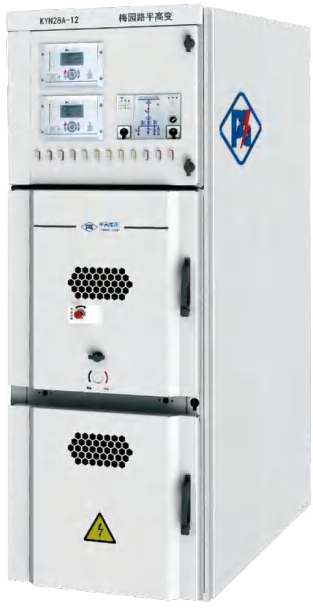

KYN28A-12 Metal Armored Removable Switchgear
Tianjin Ping Gao Intelligent Electric Co., Ltd.
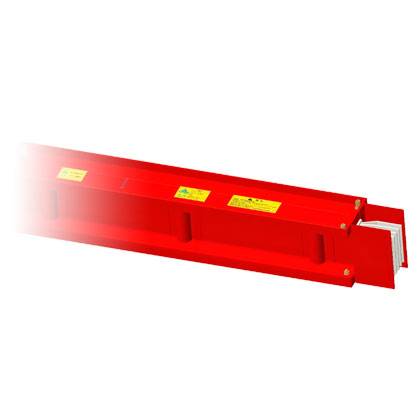
Mineral-insulated Compact Busway (Fire-resistant Busduct)
Zhuhai Guangle Electric Busway Co., Ltd.
Solar Street Light - Tiger Shark
Shandong Bopu Photoelectric Lighting Technology Co., Ltd.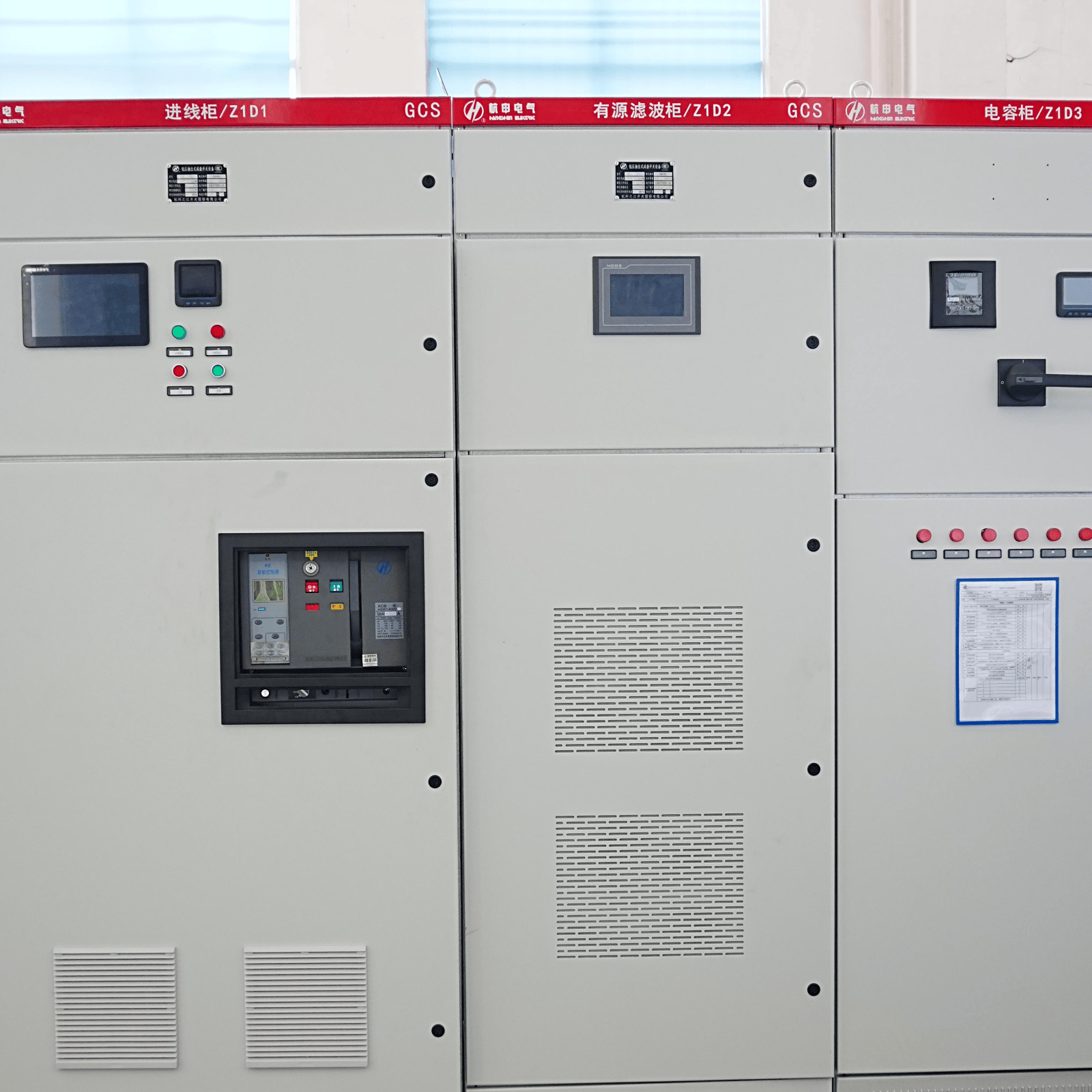
SLVA Standardized Low-Voltage Switchgear (Product Reviewed and Approved by State Grid)
Hangzhou Zhijiang Switchgear Stock Co., Ltd.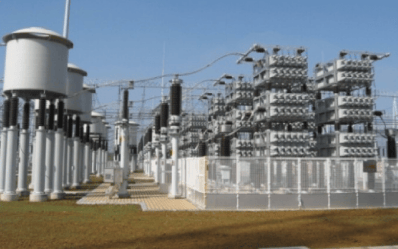
Rack-Mounted High Voltage Shunt Capacitor Complete Set
Xi'an XD High Voltage Bushing Co., Ltd.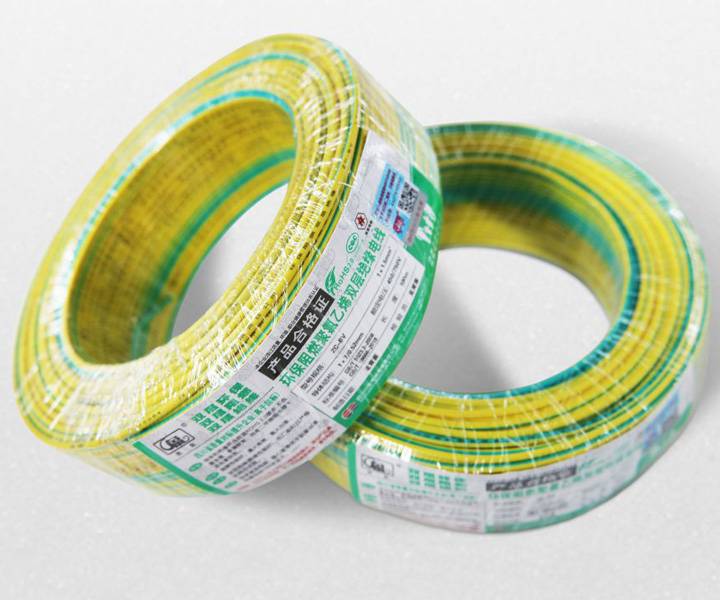
Environmentally Friendly Flame-retardant PVC Double-layer Insulated Wire
Sichuan Chndo Cable Co., Ltd.
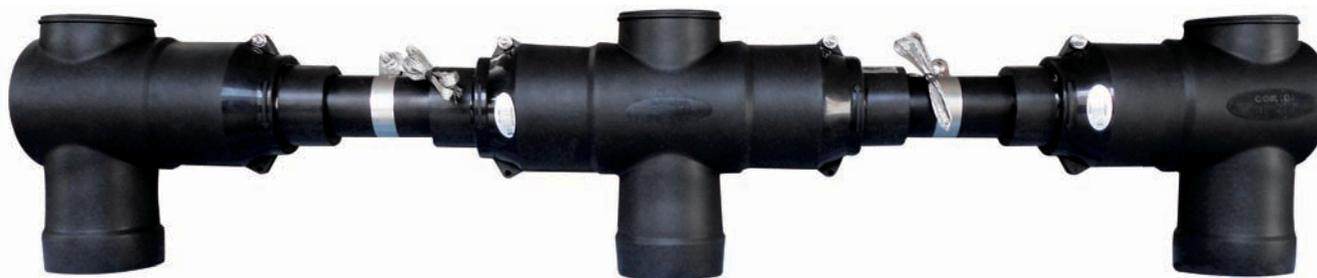
24kV, 15kV/1250A, 630A Shielded Three(Four)-Way Hard Busbar and Busbar Connector
Beijing Fangyuan Electric Appliance Co., Ltd.