New Zealand's Meridian Energy Secures Three-Year Permit to Access 545GWh Hydro Storage at Lake Pūkaki
en.Wedoany.com Reported - New Zealand state-owned enterprise Meridian Energy has received final approval from the Fast-track Approvals Panel to access contingent hydro storage at Lake Pūkaki in the South Island, clearing the last regulatory hurdle for the project.
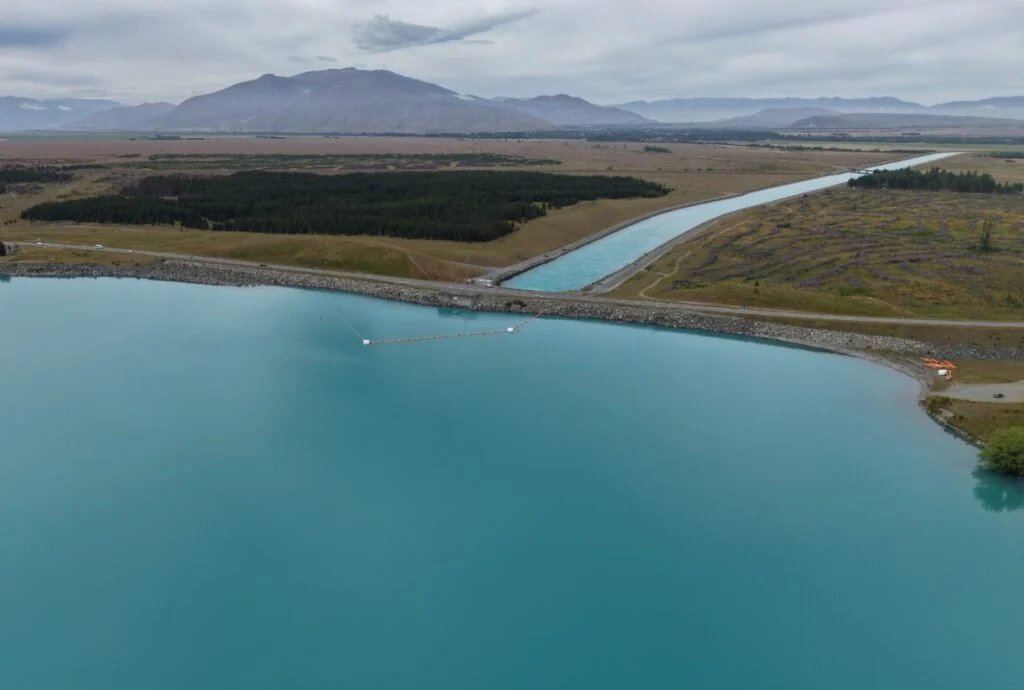
The permit allows New Zealand's largest electricity generator to draw an additional 545GWh of generation capacity over the next three winters (2026, 2027, and 2028). The final decision is based on a draft approval released in early June and maintains the core structure of that earlier decision. The permit removes threshold conditions that previously prevented Meridian from proactively using this storage band during periods of supply tightness, enabling it to access water stored between 518 meters and 513 meters above sea level at Lake Pūkaki without requiring Transpower to first issue a security alert.
Meridian CEO Mike Roan welcomed the final approval. He said accessing contingent storage would increase the amount of available renewable energy and reduce fuel costs, thereby lowering wholesale electricity prices, which would exert downward pressure on fixed rates offered by retailers to customers. Despite opposition from Transpower, Genesis Energy, and Energy Minister Simeon Brown, the draft decision was released; the Electricity Authority supported the application, viewing it as providing a pragmatic mechanism for managing potential energy shortages.
Acknowledging the concerns raised, Meridian stated it would voluntarily limit the use of additional storage in 2026. The company proposed that for the remainder of this year, only half of the five-meter contingent storage would be considered accessible when supply security risks are elevated, and it plans to hold further discussions with electricity industry stakeholders on how to manage storage access over the full three-year period. Lake Pūkaki is a core component of the Waitaki Power Scheme, which includes eight hydroelectric stations with a combined capacity of 1,761MW, accounting for approximately 32% of New Zealand's hydroelectric installed capacity. The contingent storage permit does not alter the physical infrastructure or operating parameters of the scheme, but rather changes the administrative threshold at which Meridian can access the lower storage band.
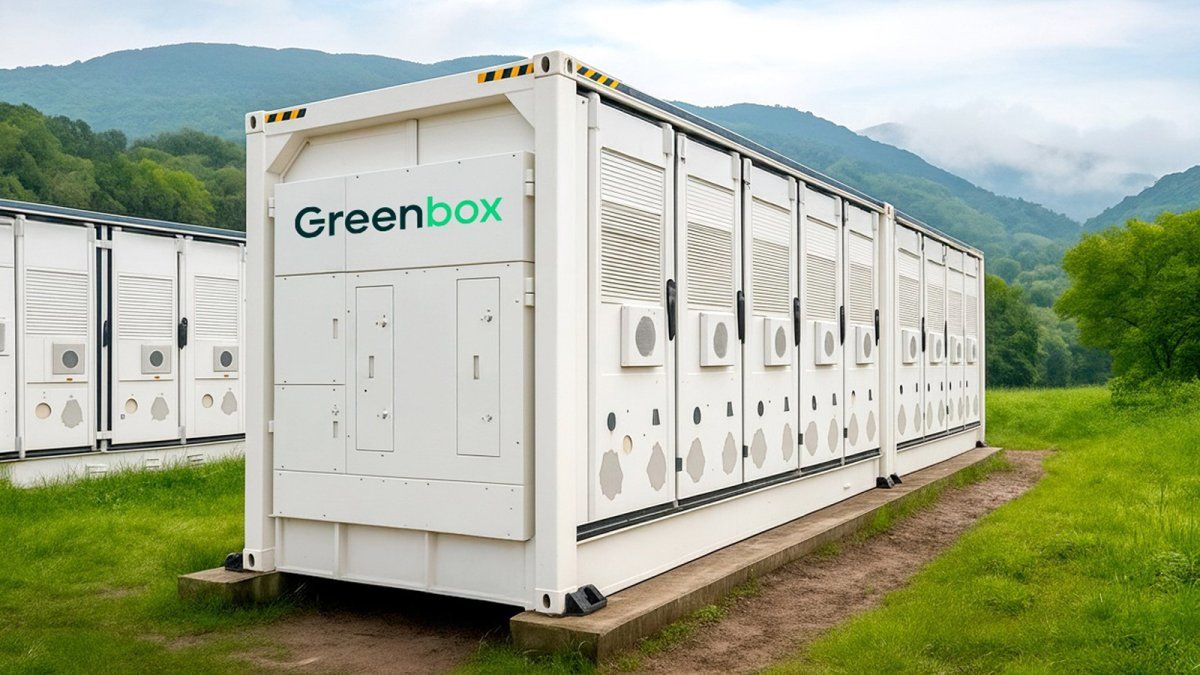
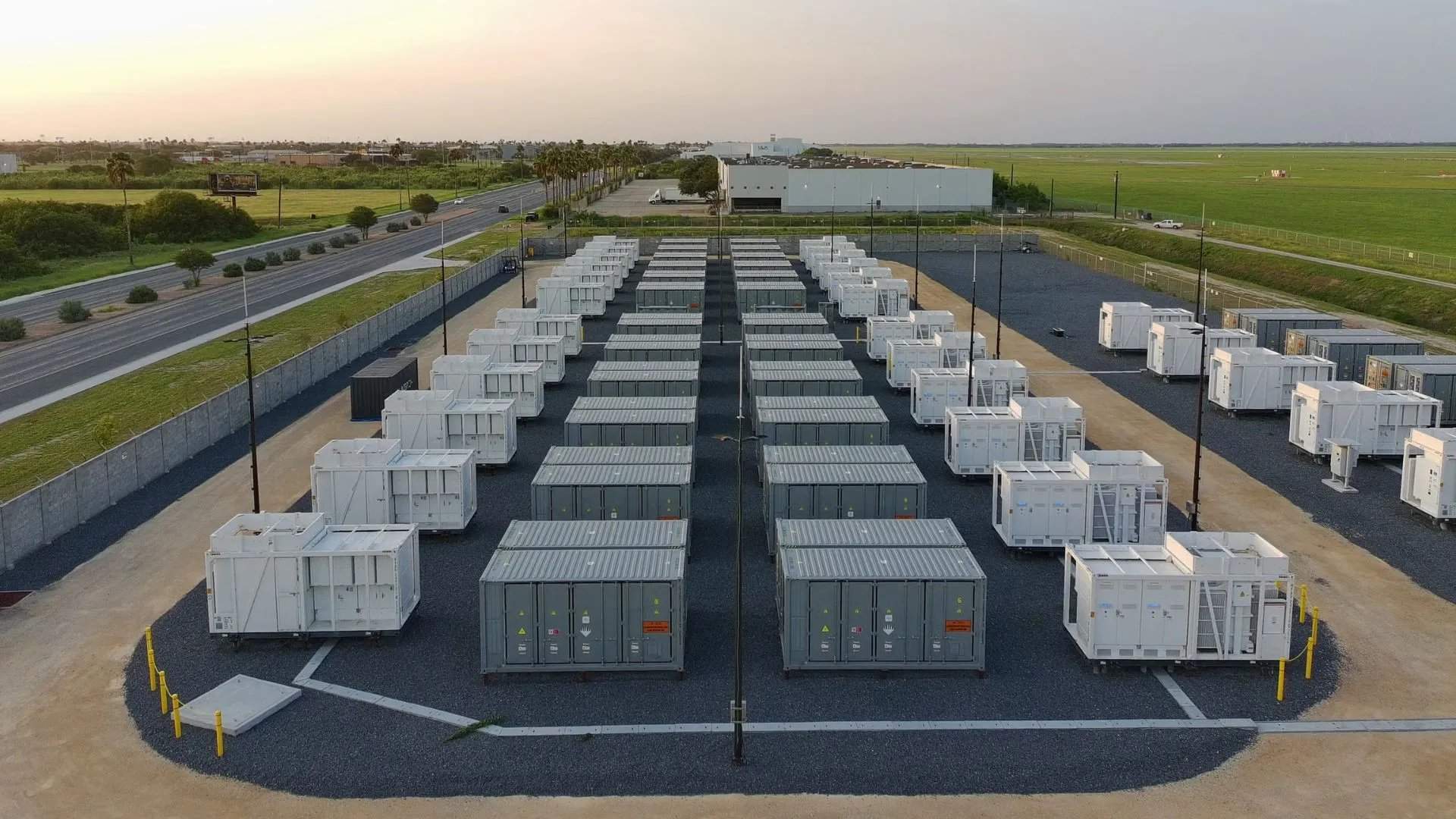
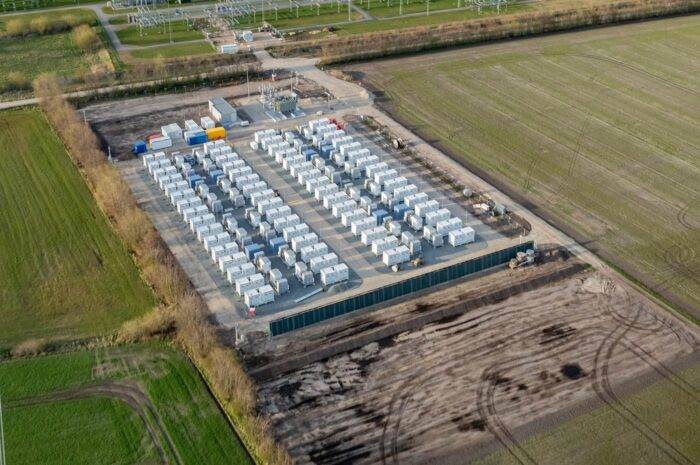
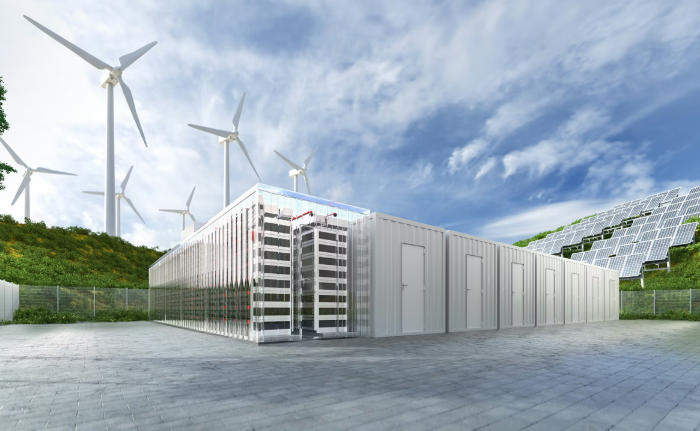
Transpower's 2026 Security of Supply Assessment found that the national winter energy margin would fall below the low security standard by 2031, with a gap of 698GWh remaining even if all committed and approved projects proceed as planned. Under an expected future scenario incorporating lower natural gas supply forecasts, the gap would emerge in 2030. The 545GWh of contingent storage at Lake Pūkaki could cover most of the projected shortfall in a given winter, provided the lake has sufficient water available. Meridian is advancing battery storage alongside its hydro application. In May 2025, the company commissioned New Zealand's first grid-scale battery energy storage system at its Ruakākā site near Whangārei, a 100MW/200MWh system using lithium iron phosphate (LFP) chemistry supplied by Saft. It has since committed to building a second 200MW battery energy storage system.
Related Products

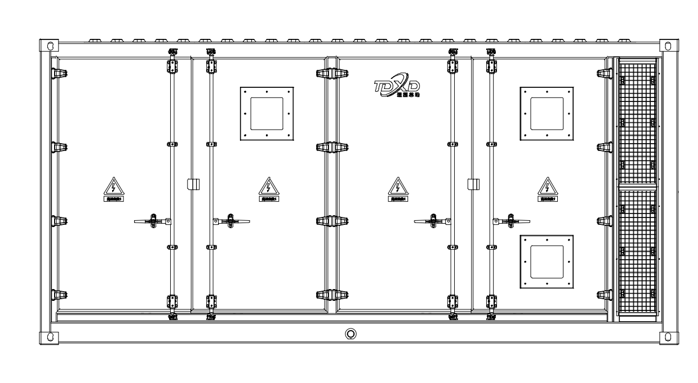
5012kWh DC Energy Storage System TD-EES-5012kWh
Suzhou Tongding Xindong Energy Storage Technology Co., Ltd.
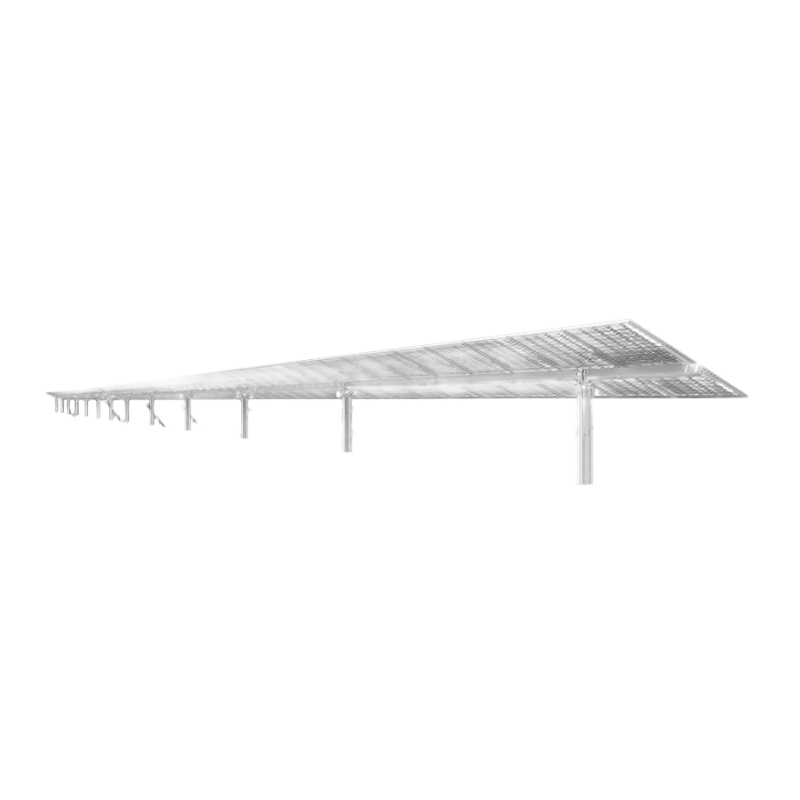
TAI Slew-drive Single-axis Independent 1P Tracking Bracket System
ANTAI TECHNOLOGY CO., LTD.
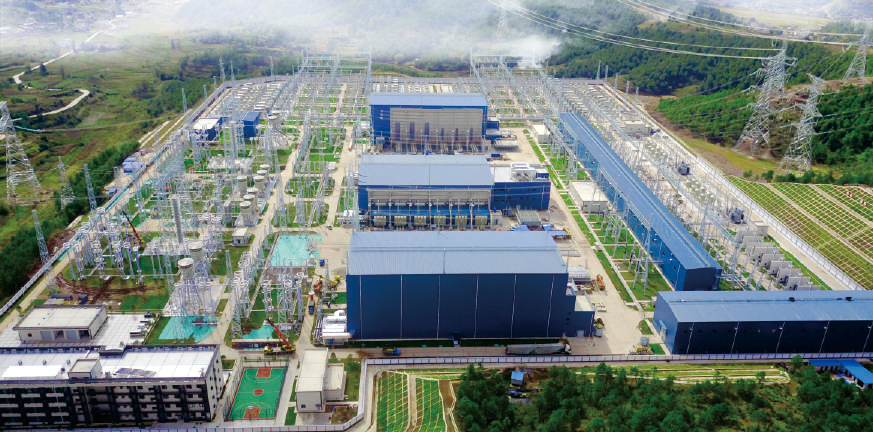
High-voltage Direct Current (HVDC) Transmission System Research and Integrated Design
XI'AN XD POWER SYSTEMS CO., LTD.
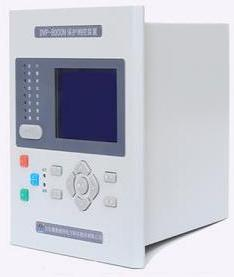
Microcomputer Protection and Substation Automation
Beijing Agent Devote Power Technology Development Co., Ltd.
0.66kV Power Supply Instrument Transformer
Guangdong Sihui Instrument Transformer Works Co., Ltd.