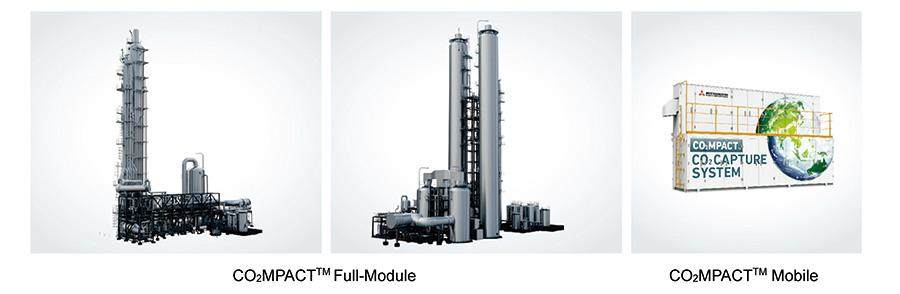
Saudi Aramco and others build CCS project in Jubail to capture 9 million tons of CO2 annually
en.Wedoany.com Reported - Globally, the United States, Canada, and Central Europe are experiencing extreme heatwaves, with record-breaking high temperatures causing casualties and impacting ecosystems, highlighting the accelerating trend of climate change. According to the Paris Agreement, to limit global warming to 1.5°C, global greenhouse gas emissions must peak by 2025. In this context, industries face immense pressure to reduce emissions, particularly regarding carbon dioxide (CO2), prompting many companies to turn to carbon capture and storage (CCS) or carbon capture and utilization (CCU) technologies.
The carbon capture process is central to these solutions and serves as a critical first step in addressing industrial emissions. There are three main methods for capturing CO2: post-combustion capture, pre-combustion capture, and oxy-fuel combustion capture. Post-combustion capture involves capturing CO₂ from exhaust or flue gases after fossil fuels or biomass are burned; pre-combustion capture converts fossil fuels into a hydrogen-rich gas mixture, extracting and separating CO₂ before combustion; in oxy-fuel combustion, fuel is burned with nearly pure oxygen, producing carbon dioxide and water vapor, enabling efficient capture.
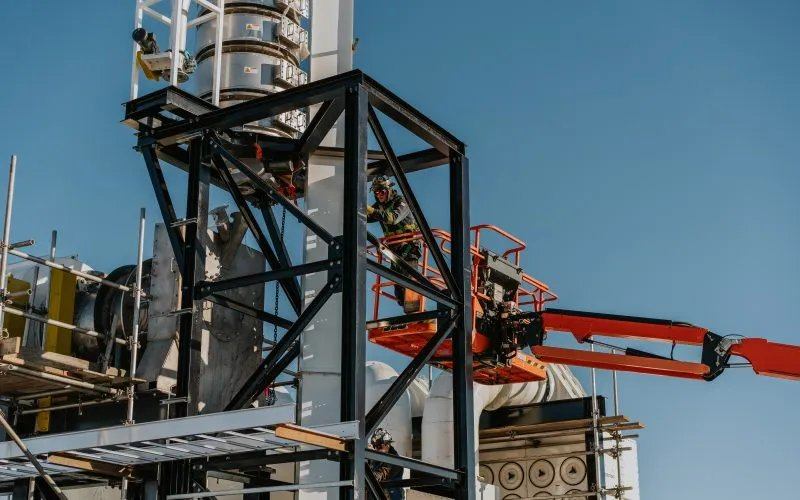
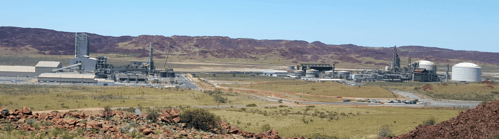
Carbon capture and storage (CCS) is a decarbonization technology that captures CO2 emissions from industrial processes, compresses them, and transports them via pipelines or ships for permanent storage in deep underground locations. Industries such as chemicals, oil and gas, which are difficult to decarbonize, are adopting this technology to limit and reduce operational carbon emissions. CCS technology enables industries to transition to net-zero emissions while renewable energy and green alternatives scale up. A typical example is the Jubail Carbon Capture and Storage project in Saudi Arabia, jointly established by Saudi Aramco, UK-based Linde, and US-based SLB. The project is expected to capture 9 million metric tons of CO2 annually in its first phase from three Saudi Aramco gas plants and other industrial sources, which will then be stored in underground saline aquifers via a pipeline network. Additionally, US-based Exxon Mobil has announced plans to build one of the world's largest CCS projects at its integrated refinery and petrochemical complex in Baytown, Texas, expected to transport and store up to 10 million metric tons of CO2 annually.
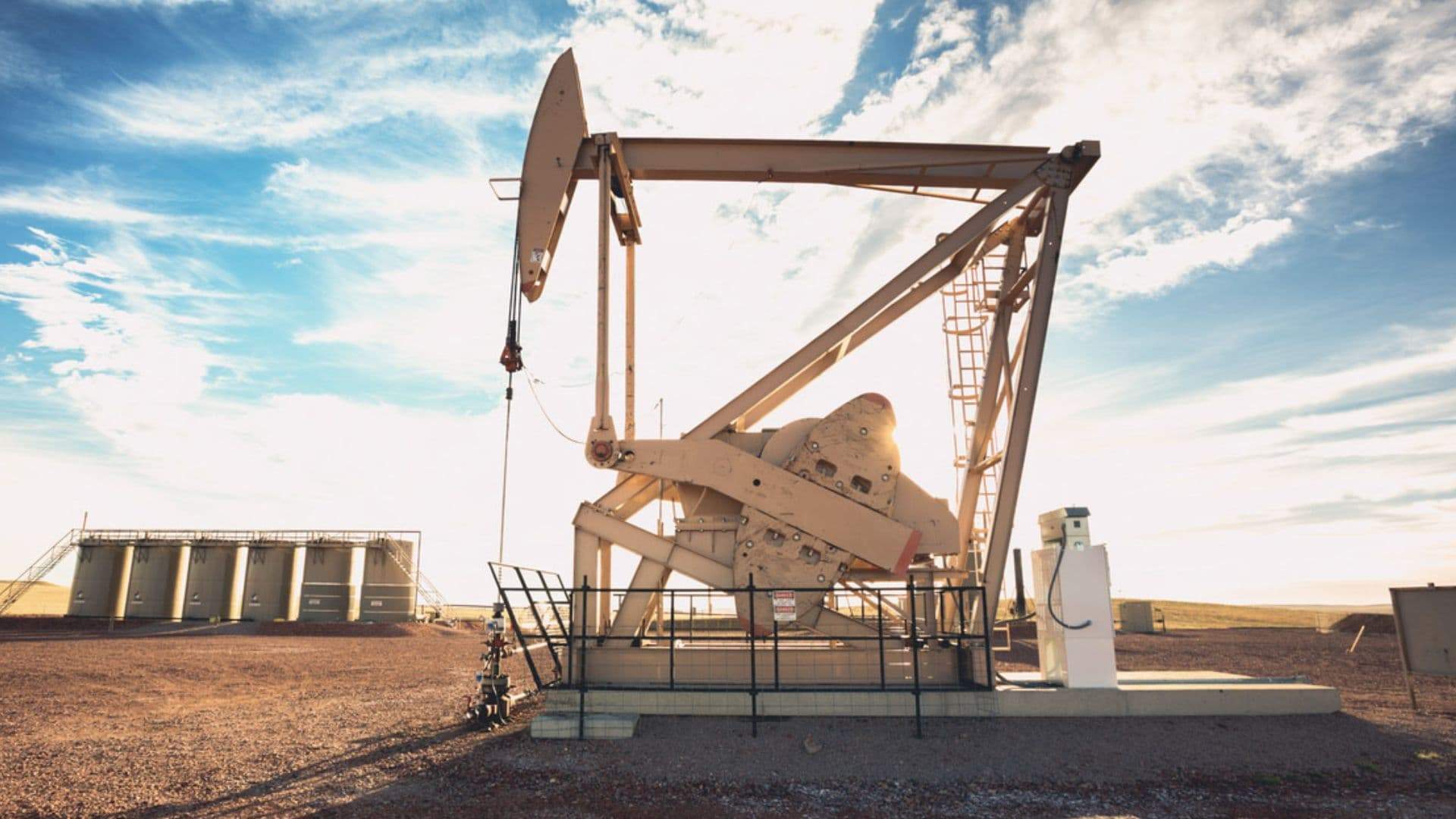
Carbon capture and utilization (CCU) technology goes a step further by capturing CO2 emissions from industrial processes and repurposing them to produce synthetic fuels, plastics, and other products, transforming waste CO₂ into a resource that supports the circular economy. This technology is used in the oil and gas industry for enhanced oil recovery (EOR), injecting captured CO2 into depleted oil and gas reservoirs to boost extraction, and can also serve as a feedstock to produce synthetic fuels, chemicals, and building materials. Linde, in collaboration with Heidelberg Materials and BASF, has announced that a CO2 capture process based on Oase blue technology will be used for the first time in Europe at a large-scale CO2 capture plant. This is the world's first large-scale CCU plant, planned to capture, purify, and liquefy approximately 70,000 metric tons of CO2 annually. Linde will sell most of the liquefied CO2 as a feedstock for the chemical, food, and beverage industries. The plant's groundbreaking was announced in June 2024. Additionally, one of the world's largest operational CCU plants came online in 2024, developed by Celanese in partnership with Japan's Mitsui & Co. in Clear Lake, Texas. The project captures 180,000 metric tons of CO2 emissions annually and produces 130,000 metric tons of low-carbon methanol, which can be used in products such as adhesives, packaging, paints, and coatings. As applications grow, CCS and CCU are expected to play a key role in balancing industrial growth with climate responsibility.
Related Products


CAP1400 main feedwater flow nozzle flowmeter.
Jiangsu Hongda Instrument Technology Co., LTD.
High-voltage Direct Current (HVDC) Transmission System Research and Integrated Design
XI'AN XD POWER SYSTEMS CO., LTD.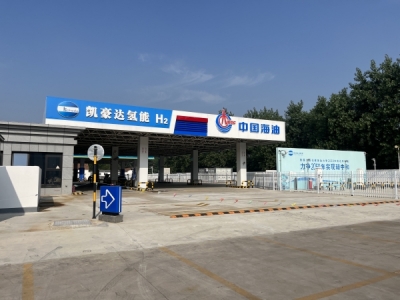
Hydrogen production and hydrogenation charging refueling gas integrated energy station
Shenzhen Kohodo Hydrogen Energy Co., Ltd.
Hydraulic Turbine Genset
Dongfang Electric Corporation Dongfang Electric Machinery Co., Ltd.
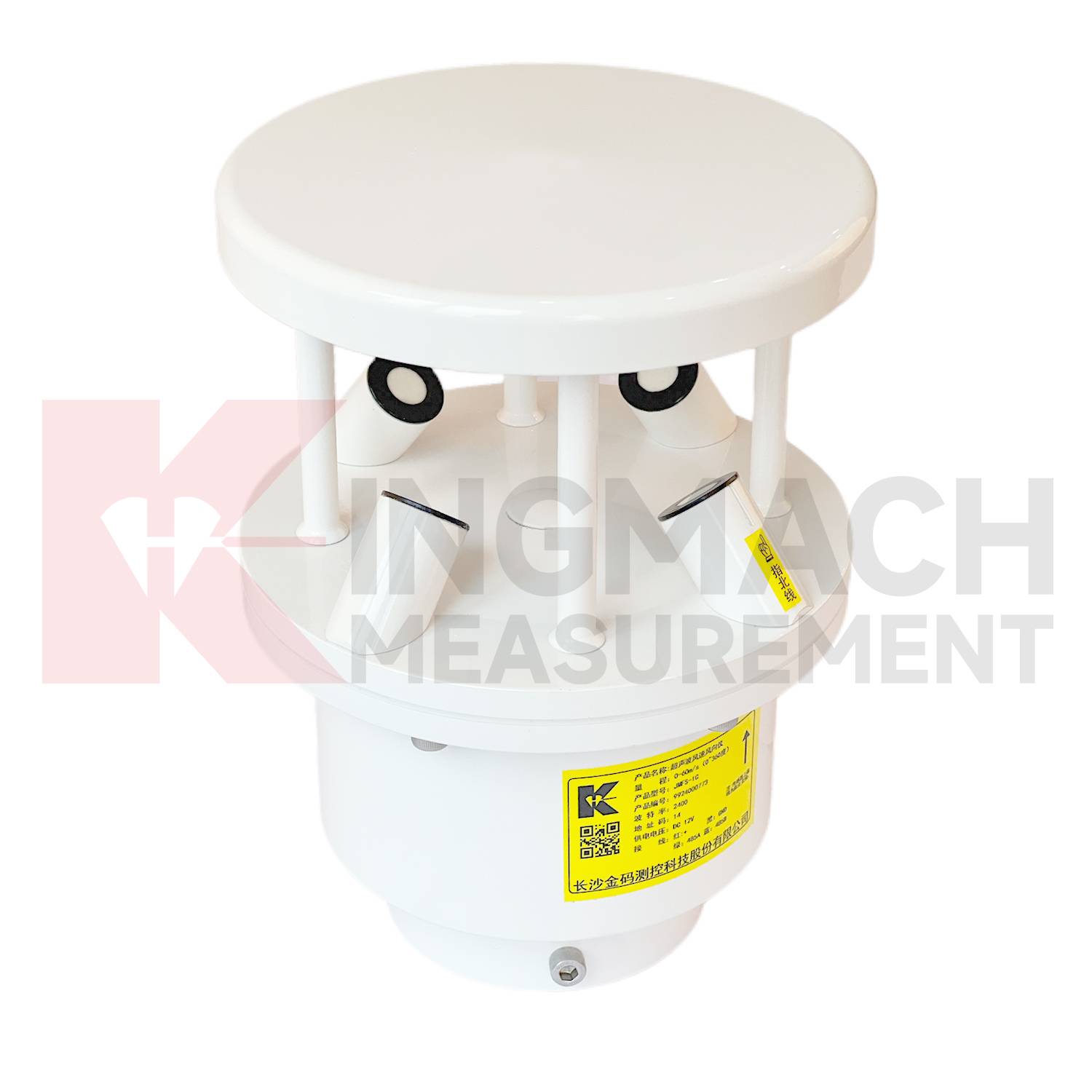
Ultrasonic Wind Speed and Direction Instrument
Kingmach Measurement & Monitoring Technology Co., Ltd.
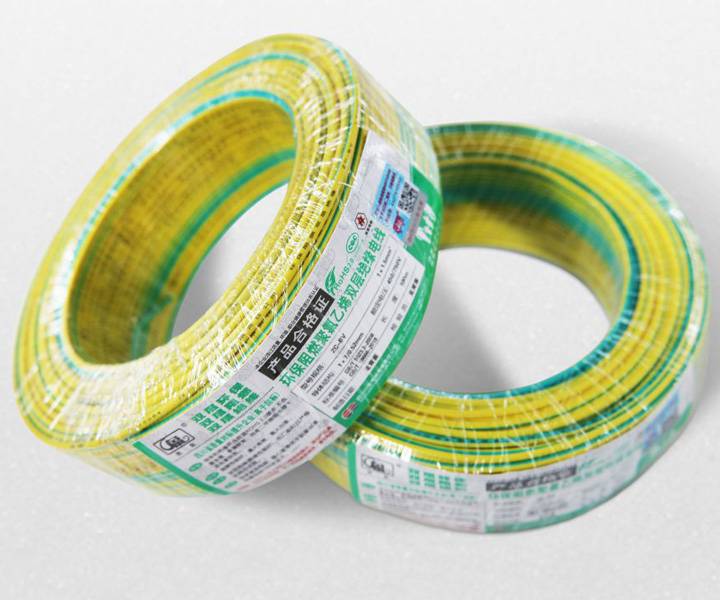
Environmentally Friendly Flame-retardant PVC Double-layer Insulated Wire
Sichuan Chndo Cable Co., Ltd.