Belarus Life Activates and Upgrades Over 100 4G/5G Base Stations
en.Wedoany.com Reported - Belarus Life recently announced the progress of its mobile network expansion in June, with over 100 4G and 5G base stations nationwide having been activated or upgraded, further increasing mobile network capacity and coverage. The project covers different areas including cities, rural regions, and roadsides, focusing on improving mobile internet access in high-traffic locations, remote areas, and inside buildings.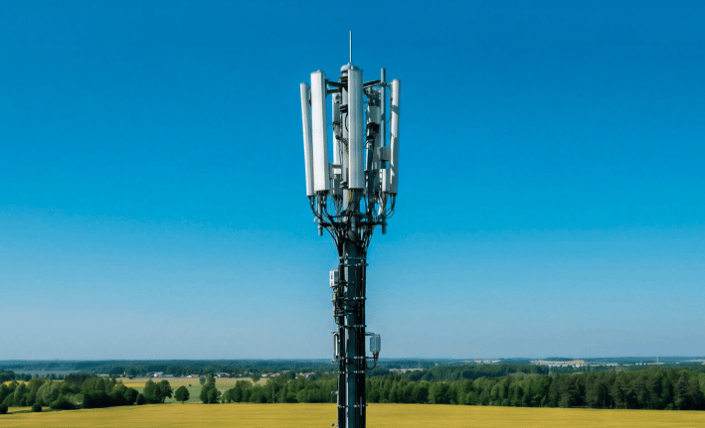
The 4G network construction covers 19 administrative districts in Belarus, improving data transmission conditions in over 20 residential areas, including cities such as Novopolotsk and Byaroza, as well as villages like Boruny, Karasino, Nagornaya, Osobino, Kostrovo, and Tereblich. The project activated a total of 80 LTE base stations operating in the 1800MHz, 2600MHz, and 800MHz frequency bands.
Different frequency bands serve distinct network tasks. The 1800MHz band balances coverage radius and data capacity; the 2600MHz band is mainly deployed in densely populated urban areas and hotspots with high traffic to increase download capacity during peak hours; the 800MHz band targets distant areas, building interiors, and roadsides, leveraging its strong propagation capability to expand signal coverage. This multi-band simultaneous deployment enables Life to adjust the network structure based on local population density, usage demand, and geographical conditions.
5G network expansion is also ongoing. Currently, Belarus Life users can access over 1,100 5G base stations, covering Minsk, Mogilev, Vitebsk, Gomel, and Brest, with Grodno also included in subsequent activation plans. Life launched user-facing 5G services in Belarus in April 2026, with current construction primarily focused on the capital and major regional cities.
The relevant network is jointly built by Belarus Life and beCloud, Belarus's unified infrastructure operator. beCloud is responsible for providing and operating the 4G and 5G core networks, while Life delivers communication services to end users through this network. This shared infrastructure model reduces duplicate construction of sites and wireless equipment among operators and continuously expands coverage across different regions through a unified network.
The over 100 base stations announced this month include newly activated facilities and upgrades to existing sites, not all of which are newly built. The authorities have not separately disclosed the number of new 4G and 5G sites, nor have they revealed equipment suppliers, project investment amounts, or specific site locations. What is clear is that the construction completed in June has extended Life's 4G network to 19 administrative districts while increasing its available 5G base station count to over 1,100.