Panasonic CEO Says Battery Plans Align With Slower EV Demand
Wedoany.com Report-May 16, Panasonic Holdings Corp.’s cautious approach to expanding electric vehicle (EV) battery production has proven effective amid slower global EV demand, Chief Executive Officer Yuki Kusumi stated. The Osaka-based company, a major supplier of lithium-ion batteries to Tesla Inc., is preparing to launch production at a new factory in Kansas, USA, while pausing plans for a third plant.
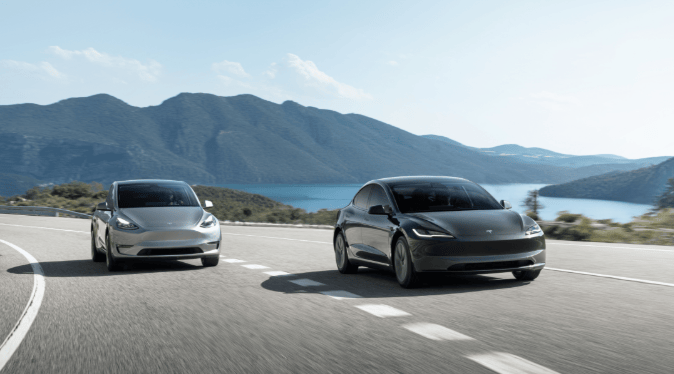
Since 2017, Panasonic has manufactured batteries in Nevada, supporting Tesla’s production of Model 3 and Model Y vehicles. The Kansas facility, set to begin operations in the first half of the fiscal year (April 2025 to March 2026), will further strengthen Panasonic’s U.S. presence. Kusumi noted that a key customer urged the company to prioritize the Kansas plant to source batteries locally, reducing reliance on imports.
Kusumi explained the decision to delay a third factory, stating: “The talk of a third factory was based on anticipation of large-scale EV adoption but I doubted we’d see a quick transition, especially in the U.S., because of issues such as charging infrastructure, battery cost and reliability. As things stand now, I’m relieved we didn’t move forward with securing a location for a third factory.” This decision aligns with market trends, as slower EV adoption in regions outside certain markets has led other manufacturers to adjust expansion plans. For instance, Panasonic declined nearly $700 million in state incentives for a proposed site in Oklahoma in December 2024, and Nissan Motor Co. recently canceled a battery plant project in Fukuoka, Japan.
Panasonic’s U.S.-based operations position it favorably as automakers like Tesla, Toyota, Subaru, and Mazda seek local suppliers amid trade dynamics and incentives from the U.S. Inflation Reduction Act. The company’s established infrastructure gives it an edge over competitors like Honda and Hyundai, who are also expanding U.S. battery production.
Beyond batteries, Kusumi is overseeing a major restructuring of the century-old company. Last week, Panasonic announced plans to reduce its workforce by 10,000, over 4% of its employees, to streamline non-growth areas and enhance profitability. The company aims to prioritize energy storage, data-center power solutions, and AI-driven automation while maintaining its EV battery and home appliance sectors.
Despite global EV market challenges, Kusumi emphasized sustained demand, stating: “In reality, demand hasn’t decreased for us right now.” Panasonic’s strategic focus on operational efficiency and selective expansion ensures it remains a key player in the EV battery supply chain while adapting to evolving market conditions.
Related Products

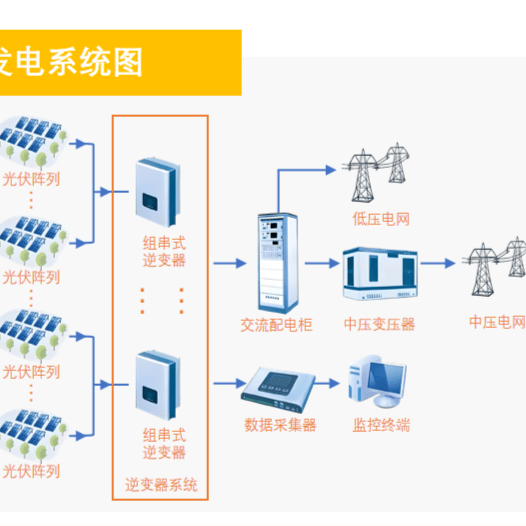
Photovoltaic and Wind Power Generation Technology
Beijing Boqi Electric Power SCI-TECH Co., Ltd.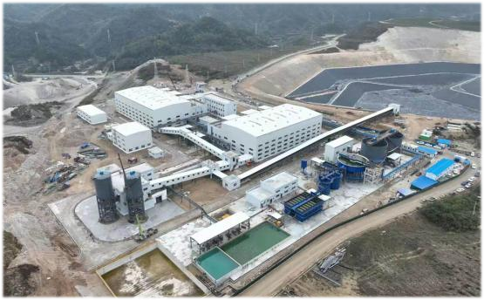
Yingping Mining Section Open-pit Tailings Backfill Treatment of Goaf Ecological Restoration EPC Project
China Bluestar Lehigh Engineering Corporation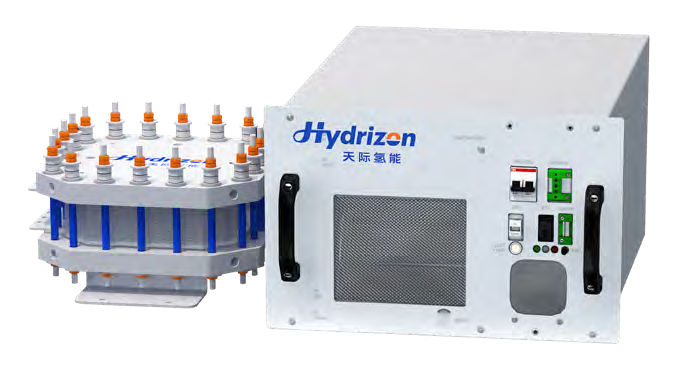
HI-Pro Green Hydrogen High-efficiency Production System-HI-PRO-AEM
Hydrizon Technology (Beijing) Co., Ltd.
Off-Grid Fuel Cell Supercharging Station (180kW Configuration)
Shanghai REFIRE Group Limited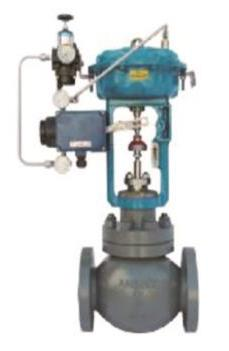
Quick-Change Single-Seat Control Valve / Quick-Change High-Pressure Single-Seat Control Valve
Beijing Consen Automation Technology Co., Ltd.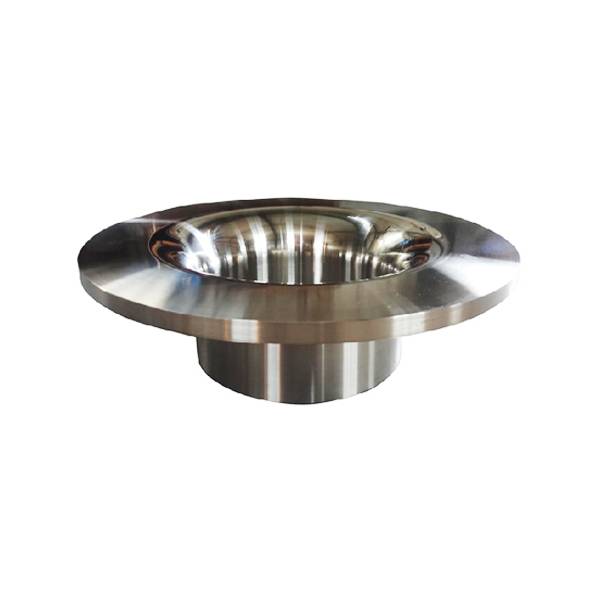
Standard Nozzle Flowmeter
Jinggong Automatic Control Instrument Complete Technology Development Company
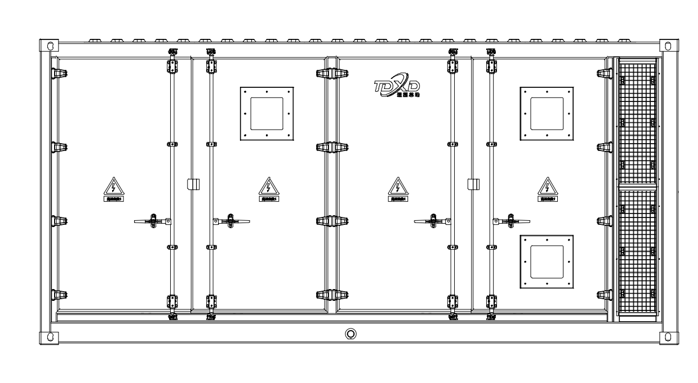
5012kWh DC Energy Storage System TD-EES-5012kWh
Suzhou Tongding Xindong Energy Storage Technology Co., Ltd.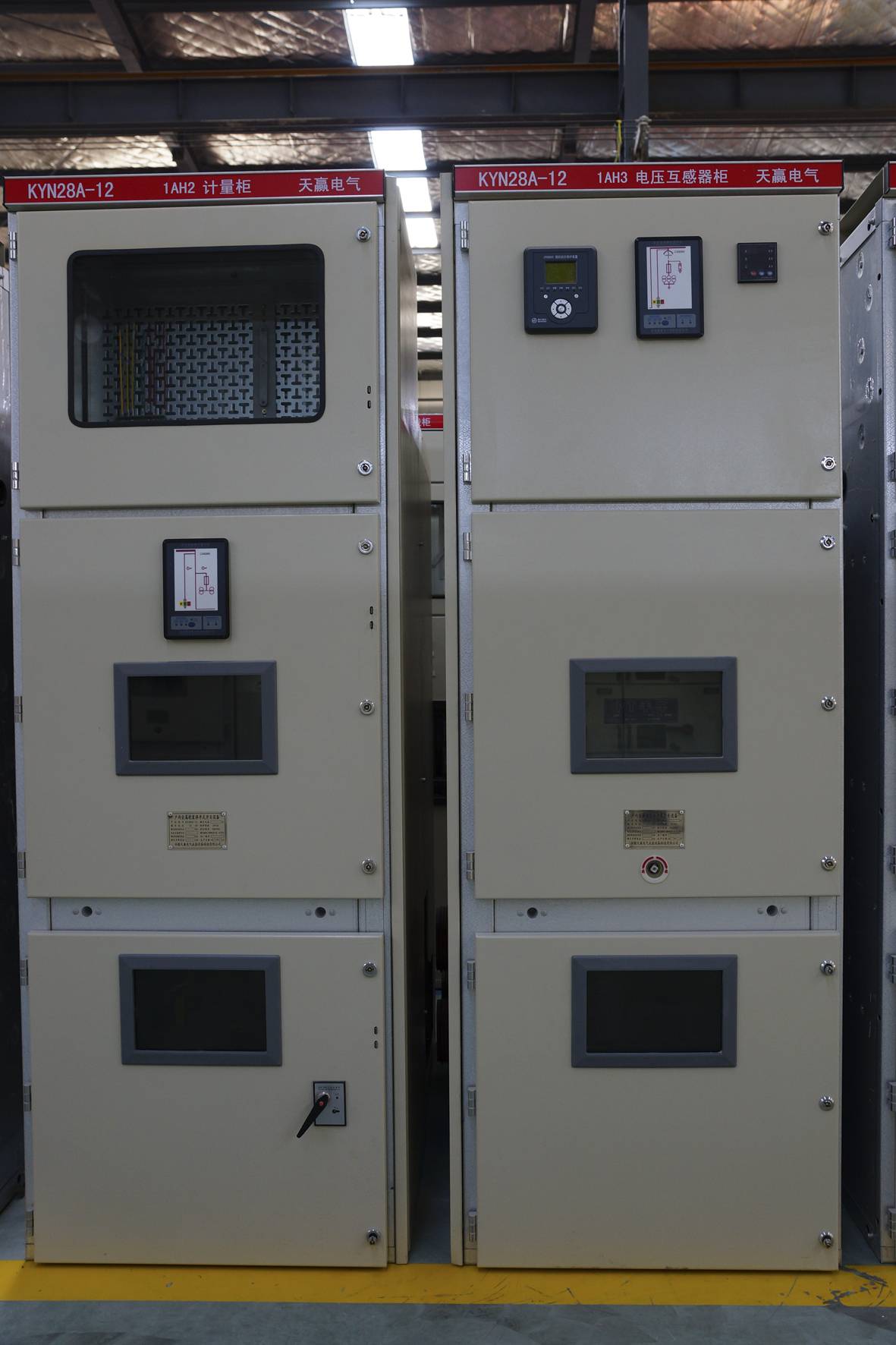
KYN28 - High Voltage Switchgear
Anhui Tianying Electrical Equipment Manufacturing Co., Ltd.
Perfluorinated Ionic Membrane-CM-10N Series Membrane
Guizhou Juneng Century Technology Co., Ltd