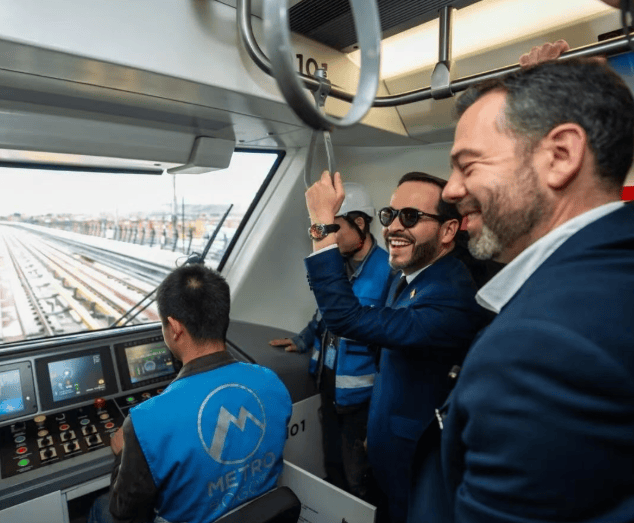
Second TBM Launched for Mumbai-Ahmedabad High-Speed Rail in India
en.Wedoany.com Reported - Afcons Infrastructure has launched a second Herrenknecht Mixshield tunnel boring machine (TBM) with a diameter of 13.6 meters for the Mumbai-Ahmedabad High-Speed Rail project, to construct the country's first undersea railway tunnel.
This TBM has commenced excavation from the Sawli (Ghansoli) launch shaft towards Vikhroli, as part of the technically challenging 21-kilometer underground C2 package. This package was awarded to Afcons Infrastructure by the National High Speed Rail Corporation Limited (NHSRCL) in 2023, and includes a 7-kilometer section beneath Thane Creek, which will be India's first railway undersea tunnel.
This launch follows the first Herrenknecht TBM, which began excavation from Vikhroli towards the Bandra Kurla Complex (BKC) on July 5. The two machines will jointly excavate a 16-kilometer twin-tube tunnel between Sawli and BKC, while the remaining 5 kilometers of the underground alignment have already been completed using the New Austrian Tunneling Method (NATM).
The Mumbai-Ahmedabad High-Speed Rail line is India's first high-speed rail project, developed by NHSRCL. The Mumbai underground section is considered one of the most technically challenging parts of the scheme, combining deep urban tunnels with India's first undersea railway crossing.
The newly launched TBM is one of the largest shield machines used in Indian railway tunnel construction. This slurry balance Mixshield unit features a 13.6-meter diameter cutterhead, is 96 meters long, and weighs approximately 3,200 tons.
The TBM is equipped with a semi-continuous advance (SCA) system, allowing for the installation of tunnel lining segments while excavation is in progress. This method enables simultaneous excavation and segment installation, increasing advance rates and helping to accelerate construction progress.
Launching the machine required the construction of a 39-meter-deep shaft at Sawli. Due to limited working space, the TBM was assembled after being lowered in sections underground. Its backup system includes four double-deck gantries, housing slurry pumps, hydraulic systems, grouting equipment, electrical equipment, workshops, and emergency refuge chambers.
The equipment is fitted with a continuous gas monitoring system capable of detecting methane, oxygen, carbon monoxide, and carbon dioxide, as well as automatic fire detection and suppression systems. During excavation, a comprehensive real-time monitoring network—including settlement markers, inclinometers, strain gauges, and vibration sensors—will monitor ground movements to protect nearby buildings and infrastructure.
The completed tunnel will be constructed as a fully waterproof structure, using double EPDM sealing gaskets combined with water-swellable seals to prevent water ingress and ensure long-term durability.
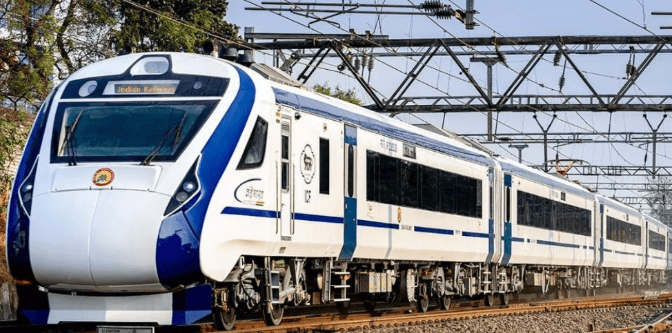
The Mumbai-Ahmedabad High-Speed Rail project, spanning approximately 508 kilometers, is India's first high-speed railway. Once completed, the line will connect Mumbai and Ahmedabad, significantly reducing travel time between the two cities.
Related Products
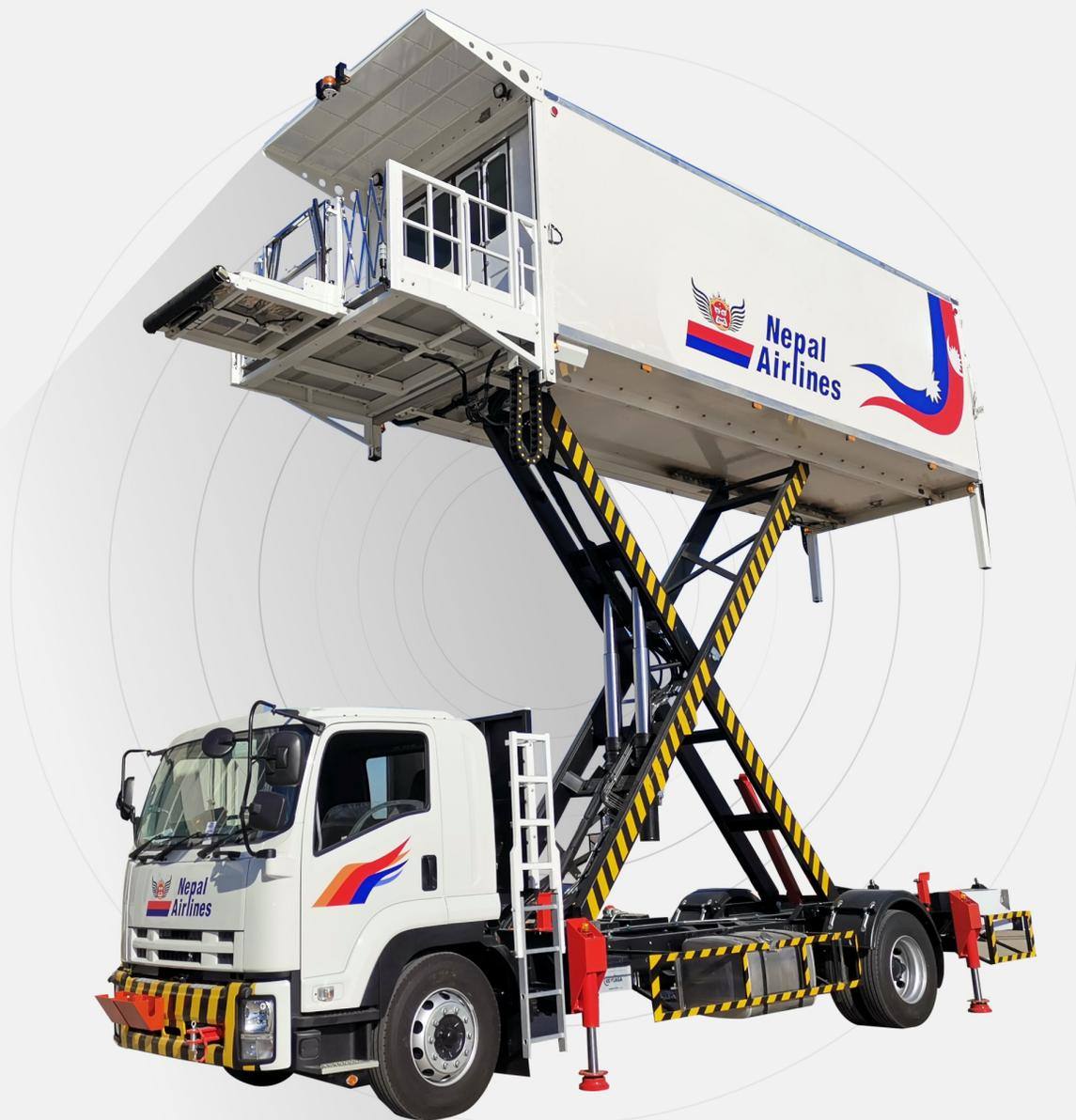

XC-6000e Type Aviation Catering Truck (Fuel Type)
Shenzhen CIMC-TianDa Airport Support Ltd.
Pantograph-Catenary Comprehensive Detection Device (1C)
CHENGDU TANGYUAN ELECTRIC CO., LTD.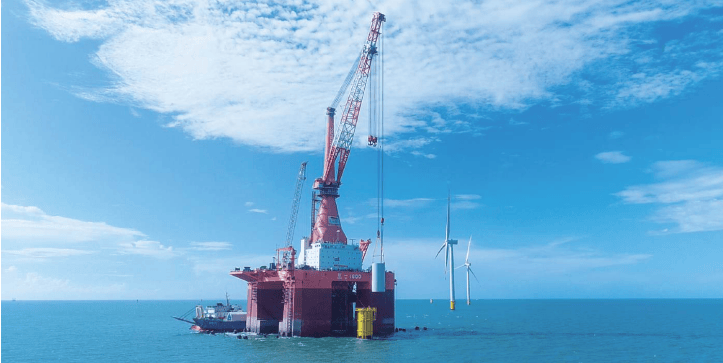
"Shunyi 1600" Deep-submerging Bottom-sitting Multi-functional Wind Power Engineering Vessel
Zhengli Offshore Engineering Co., Ltd.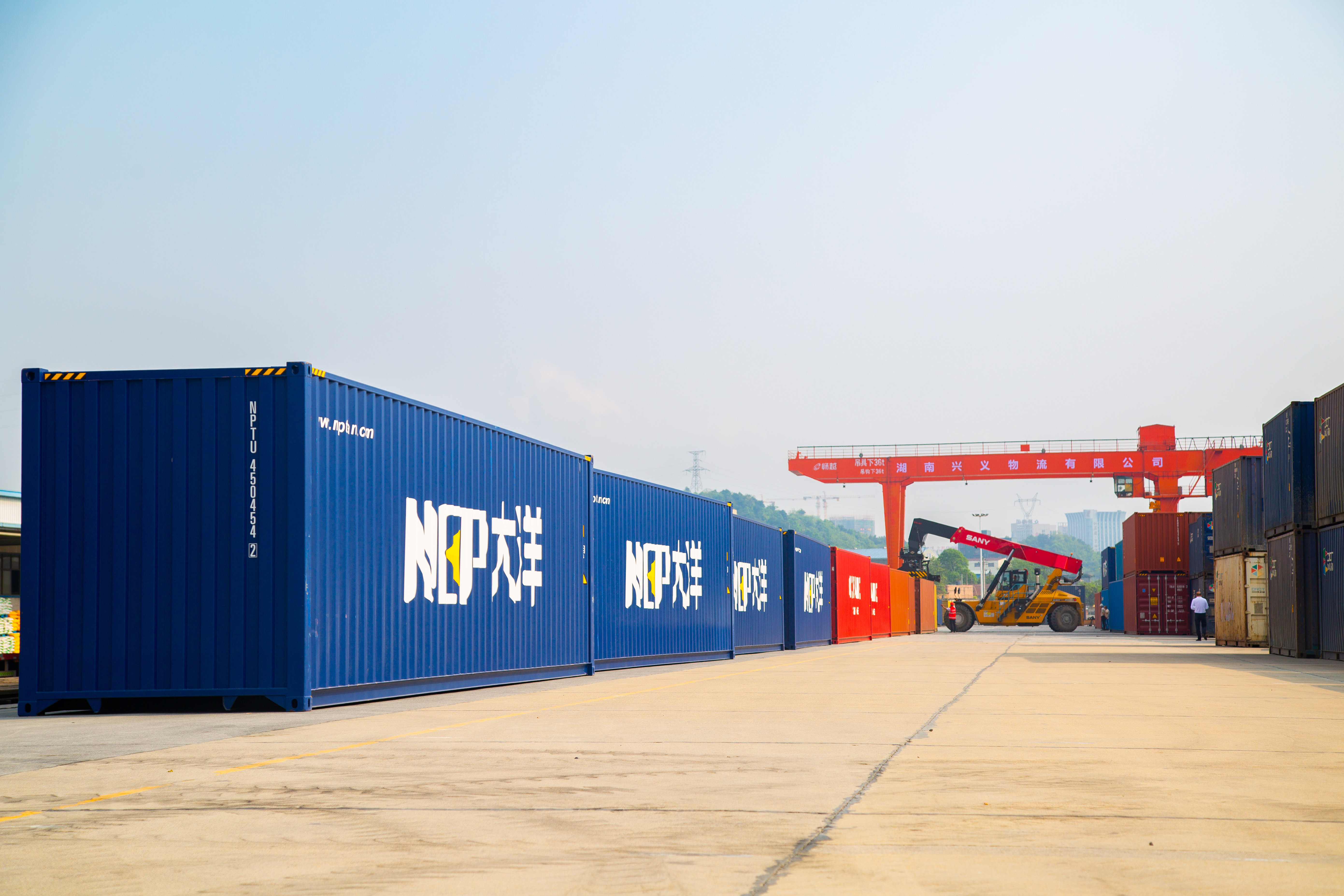
China - Alashankou/Khorgos - Europe Full Range Transportation (Mala/Hamburg/Duisburg/Budapest, etc.)
Shenzhen Neptune Logistics Co., Ltd.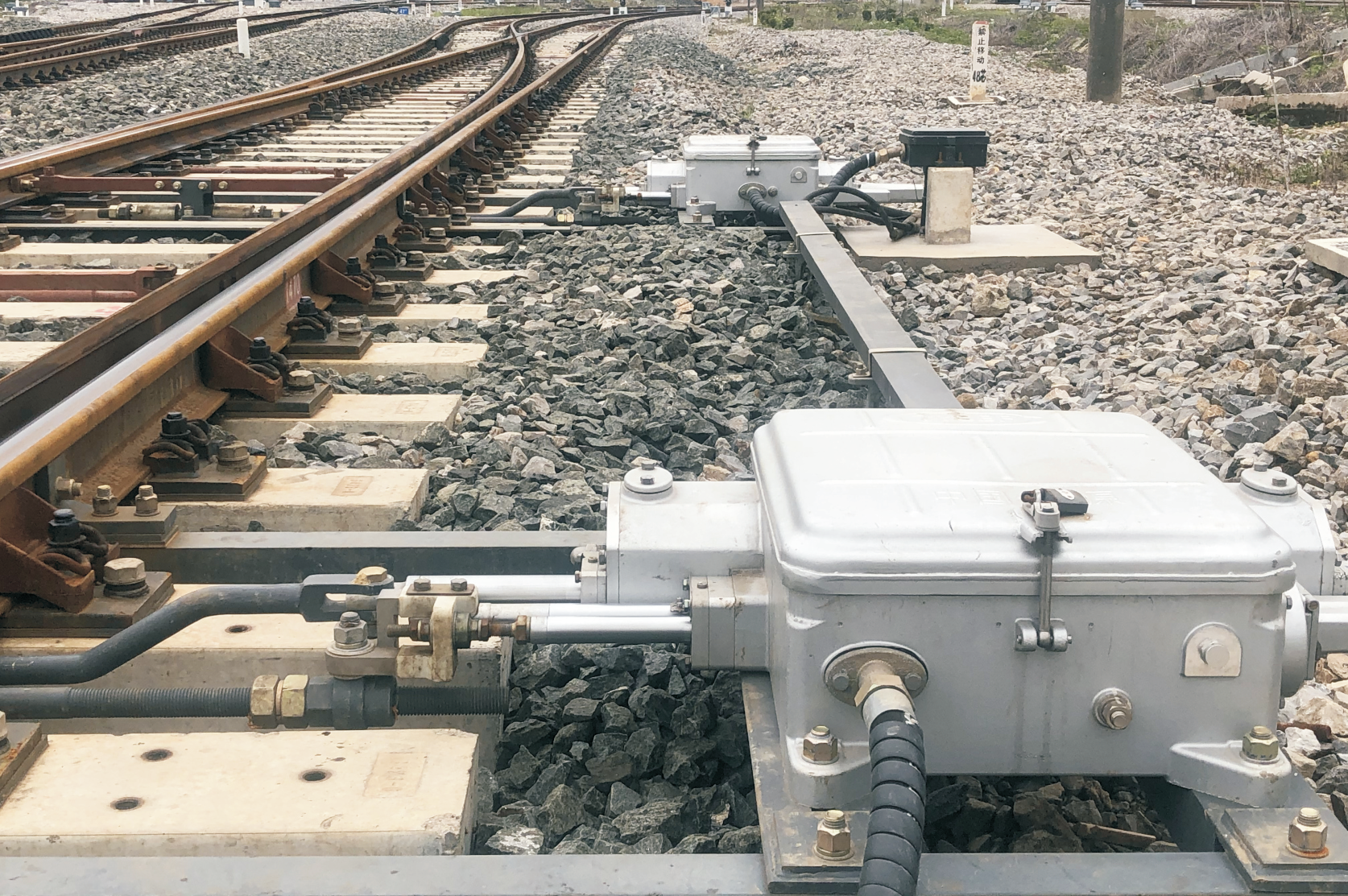
ZY(J)7(M) Sealed Type Electro-Hydraulic Turnout Machine
TAIYUAN CR JINGFENG EQUIPMENT TECHNOLOGY CO., LTD.