en.Wedoany.com Reported - PBS's early decision to enter the unmanned aerial vehicle propulsion sector gave it a head start, and this Czech engine manufacturer has achieved rapid growth in small power units. Headquartered in Velka Bites near Brno, the engineering company's history dates back to the mid-19th century, and it identified opportunities in unmanned technology at the turn of the century, initiating related development.
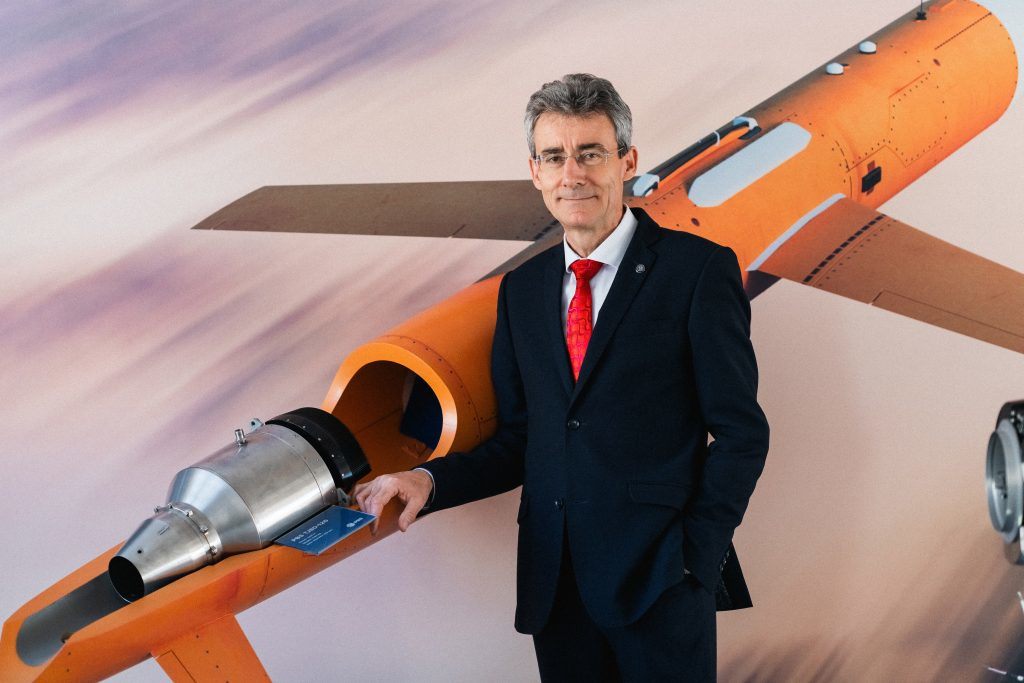
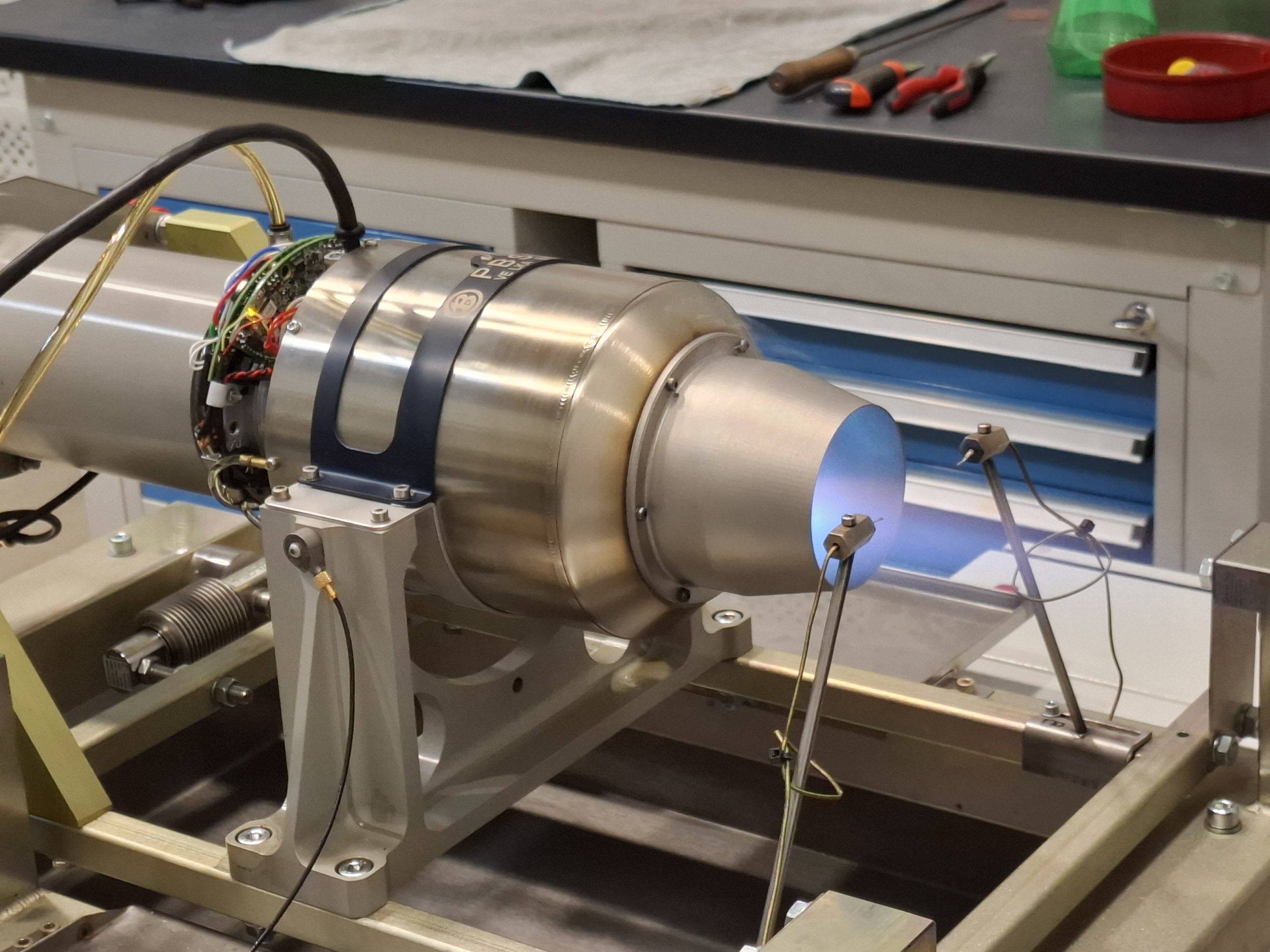
Since launching its first engine in 2003—the TJ100 small turbojet with a thrust of 281 lbf (1,250 N)—PBS has made rapid progress. This engine is primarily used in unmanned aerial vehicles, light experimental aircraft, and target drones. Following the TJ100, the company has successively introduced multiple engines, including its latest product, the TJ200. Milan Macholan, CEO of PBS Czech business, stated that the company produced 1,500 engines last year, and this total will reach 2,000 in 2026.
The TJ200, with a thrust of 512 lbf, debuted at last year's Paris Air Show. Designed for high-speed platforms, it is PBS's most powerful engine to date. This model joins the TJ40, TJ80, TJ100, and TJ150 in the company's portfolio and, according to PBS, "represents a new performance class." Features of the TJ200 include full authority digital engine control and seawater resistance, making it suitable for naval deployment.
Many aerospace companies have benefited from the post-pandemic market rebound. For PBS, growth over the past four years has been particularly significant, with engine production increasing nearly sixfold. In April this year, the company produced its 2,000th TJ100 engine, reaching an important milestone. Aerospace business accounts for about four-fifths of the company's operations, with expected revenue of 3.7 billion Czech koruna ($170 million) this year, up from 2.7 billion koruna last year, and 80% of products are exported.
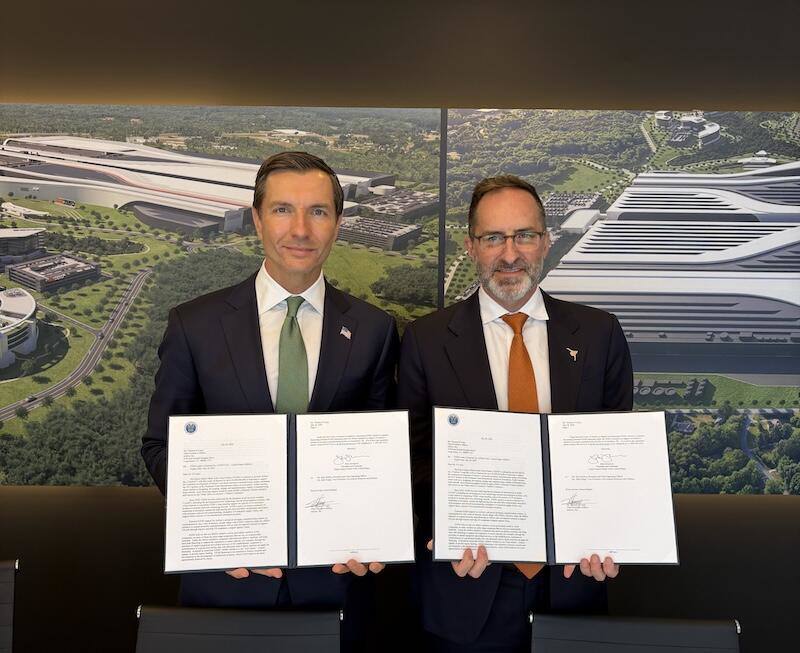
PBS attributes its success to an early bet on the booming drone market and continuous investment in equipment and infrastructure. Although the Velka Bites factory dates back to the early Cold War era, the production floor is now equipped with numerous expensive new milling and cutting machines. A plant under construction will double the Czech factory's capacity to nearly 4,000 units next year. Macholan stated that combined with output from the U.S. factory opened last year in Roswell, a suburb of Atlanta, total production could reach five figures within three or four years. Beyond small engines, PBS recently signed a significant agreement with Lockheed Martin to produce components for fighter jets and is collaborating with Pratt & Whitney to develop auxiliary power units (APUs) for future platforms.
The collaboration with Pratt & Whitney was announced in September at an event attended by two Czech government ministers, highlighting PBS's growing status as a partner to industry giants. Macholan noted that PBS is one of only four companies in the world capable of developing and certifying an APU from scratch (the others being Honeywell, Safran, and an RTX subsidiary). He expects prototype work to take two years, with production taking place in Velka Bites.
The contract with Lockheed Martin, initially proposed in 2024 and confirmed in March, is linked to the Czech Republic's order of F-35s. PBS will lead a consortium of Czech companies to design replacements for fuel system components. Macholan stated that the goal is to become part of Lockheed Martin's supply chain, which represents a significant step forward for the company, as Lockheed Martin conducts a comprehensive audit of operations, including security compliance and capability.
PBS products have been used in the conflict in Ukraine, and the company is also collaborating with Ukraine's Ivchenko-Progress to develop a new engine called the AI-PBS-350 for unmanned vehicle applications, including cruise missiles and anti-ship missiles. This follows a memorandum of understanding signed between the two companies in 2023. PBS also supplies its TJ100 engine to European missile manufacturer MBDA for its Crossbow loitering effector currently under development.
Growing demand from the United States prompted PBS owner William Didden to invest $20 million in building a factory in Roswell, which began production in September. Macholan stated that this move will make it easier for the company to produce engines compliant with the International Traffic in Arms Regulations (ITAR) while shortening delivery times for U.S. customers. Meanwhile, Velka Bites will focus on producing non-ITAR products for other markets.
Macholan takes pride in PBS's patented technology and other intellectual property, which belongs to the Czech business, including built-in starter generators and seawater resistance, which particularly allows target drones shot down over water to be recovered and reused. The Velka Bites operation is also highly vertically integrated, with production, testing, and customer support all conducted at the same location. Macholan noted that even with the new production workshop, the Czech factory will be near full capacity by 2027, while the U.S. factory is ramping up quickly, and PBS is now accepting orders for delivery in 2028. He stated that the company has 25 years of experience in the drone field and has been continuously improving its product line, with no one able to match it.