2026 FIFA World Cup in US, Canada, and Mexico Fully Embraces AI, VAR Accuracy Reaches 99.1%
en.Wedoany.com Reported - In the final of the 2026 FIFA World Cup hosted by the United States, Canada, and Mexico, Spain defeated Argentina to reclaim the trophy after 16 years, bringing the tournament to a close. This edition marked the first full-scale introduction of artificial intelligence technology, with the accuracy of Video Assistant Referee (VAR) decisions rising to over 99.1%.
Li Haipeng, Director of the Sports Training Research Center at the China Institute of Sport Science under the General Administration of Sport of China, explained that each stadium in this World Cup was equipped with 16 optical tracking cameras, operated collaboratively by the VAR team (including the video assistant referee, three assistants, and replay operators). When six key situations occur—goals, penalties, red cards, mistaken identity, corner kicks, and second yellow cards—the VAR team automatically reviews the footage. If a "clear and obvious error" is identified, the VAR team alerts the on-field referee to review the incident at the pitchside monitor, with the referee making the final decision.
VAR technology was first introduced at the 2018 FIFA World Cup in Russia, and the 2022 tournament in Qatar saw an upgrade with Semi-Automated Offside Technology (SAOT). In this edition, SAOT was further enhanced, with the offside alert trigger threshold tightened from 50 centimeters to 10 centimeters, allowing decisions to be relayed to on-field officials within three seconds. The system uses multiple dedicated tracking cameras to capture players' skeletal points in real time, combined with pre-established 3D digital twin models and high-precision motion sensors in the match ball, enabling real-time offside intervention. When the AI system determines a clear offside, it sends an immediate alert to the assistant referee, who can raise the flag without waiting for the attacking play to conclude. Simultaneously, a 3D offside animation is automatically generated and transmitted to the VAR room, stadium screens, and broadcast feeds. This system is used solely for objective offside determinations and does not involve subjective calls such as interfering with an opponent; the assistant referee retains the final decision-making authority.
This World Cup has added VAR review authority for corner kicks and second yellow cards. Li Haipeng believes that technology should serve the game as its primary duty, with the core challenge being to find a balance between pursuit of decision accuracy and preservation of football's charm. He noted that the application of new technologies in football requires balance at the institutional and regulatory levels, including increasing tolerance for physical contact between players, strictly adhering to the threshold for technological intervention (initiating VAR only for "clear and obvious errors"), and dynamically adjusting review authority based on practical feedback. He also suggested exploring a coach challenge mechanism, allowing coaches to request a limited number of reviews per match for disputed decisions, thereby returning some control over VAR initiation to match participants. Li Haipeng stated that in the future, the degree of VAR intervention should be flexibly adjusted according to the pace demands of different tournaments, allowing technology to better serve the game itself. As of now, three teams—Croatia, Egypt, and Iran—have formally filed complaints with FIFA regarding disputed decisions resulting from excessive VAR intervention.
Related Products

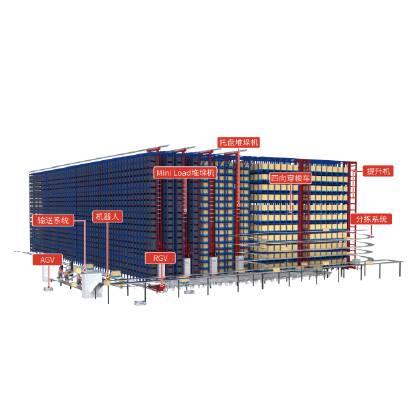

G.652.D Wavelength-extended Non-dispersion Shifted Single-mode Optical Fiber
HONGAN GROUP CO., LTD.
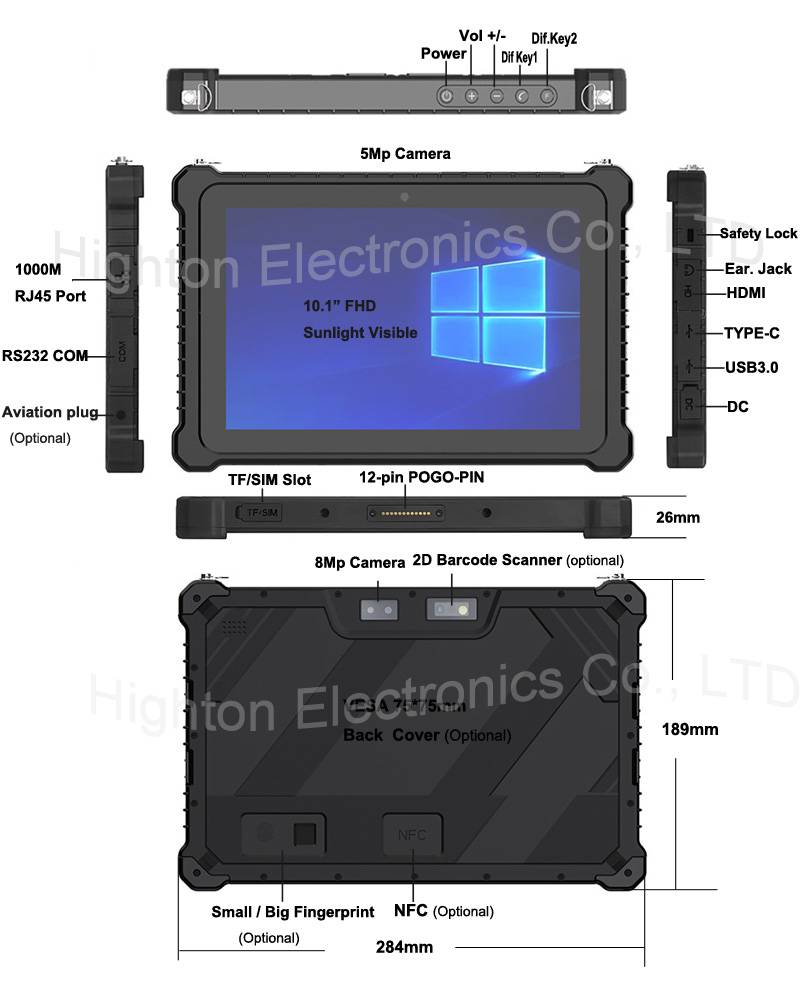
Hot Selling 10 Inch Intel N5100 I5 I7 FHD 8 +128GB 16+256GB Win10 Pro Win11 Pro 4G 5G Rugged Tablet PC Pad with NFC Barcode
Highton Electronics Co., Ltd.
MUX Series Communication Interface Device for Security and Stability Control System
Nanjing NR Electric Co., Ltd.
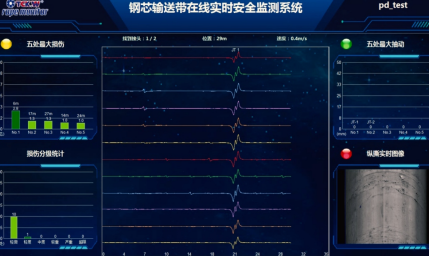
Conveyor Belt Intelligent Monitoring System
LUO YANG WIRE ROPE INSPECTION TECHNOLOGY CO., LTD.