LG Electronics to Close Huizhou Factory in China in October 2026
en.Wedoany.com Reported - LG Electronics has confirmed that it will fully cease production operations at its Huizhou factory in October 2026. Established in Huizhou in 1993, this factory was LG Group's first manufacturing base in China, operating for over 34 years.
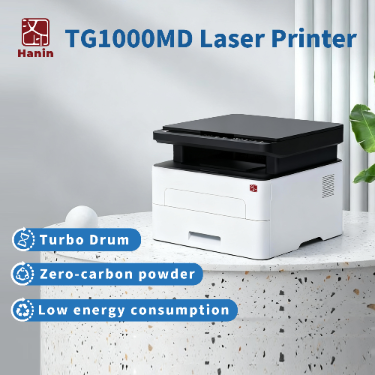
In 1993, LG Electronics, together with LG China and TCL Group, established a joint venture manufacturing subsidiary in Huizhou (LGEHZ), with LG Electronics holding an 80% stake. The factory officially commenced production in 1994, with products evolving from early home theaters and Blu-ray DVD players to smart printers, beauty devices, and the XBOOM series of high-end audio systems. Over 90% of the factory's products are exported overseas, covering markets in North America, Europe, Latin America, and Central Asia. The annual production capacity for audio products alone reaches 2.6 million units, with total annual output value exceeding 2 billion RMB.
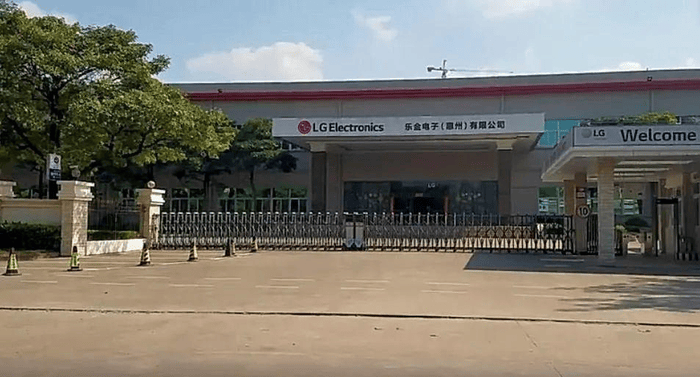
The direct cause of the factory's closure is three consecutive years of declining net profit. Public operating data shows that net profit was approximately 12.5 billion KRW in 2023, fell to 10.9 billion KRW in 2024, and further dropped to 9.2 billion KRW in 2025. Profitability has been continuously weakening, making it difficult for the traditional large-scale, labor-intensive manufacturing model to adapt to current market competition.
In terms of external factors, local Chinese audio and consumer electronics manufacturers, leveraging well-established supply chains and cost control, have formed strong competition in the mid-to-low-end market. Internally, LG's own strategic shift towards high-end, premium, and high-value-added product lines means that the standardized, high-volume export production model of the Huizhou factory no longer aligns with its new strategic direction.
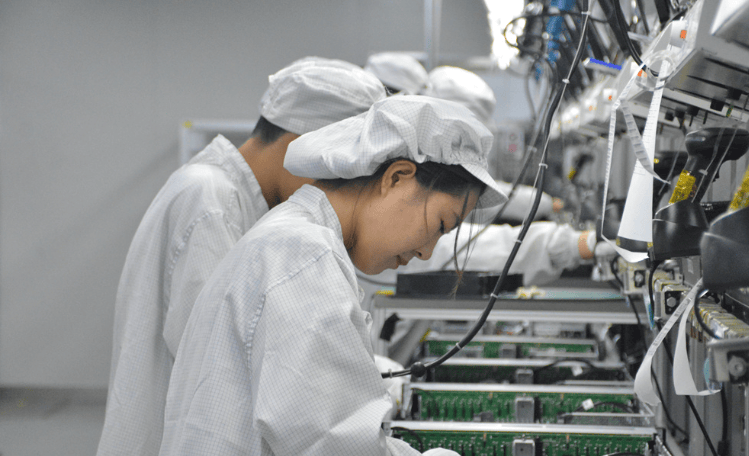
Regarding post-closure arrangements, industry information currently points to three directions. First, production capacity will be transferred to the Vietnam base, where LG has an established production system in Haiphong; the standardized audio product capacity from the Huizhou factory is expected to be transferred in batches. Second, deepen ODM/OEM cooperation with local manufacturing enterprises, leveraging China's supply chain and contract manufacturing technology to maintain production capacity through outsourcing. Third, conduct asset integration and business liquidation for the Huizhou subsidiary entity, completing the comprehensive wind-down of personnel, premises, and equipment.
Related Products