SwRI and UTSA's Mars Electrolyzer Approved for Parabolic Flight Testing
en.Wedoany.com Reported - A new electrolyzer technology jointly developed by Southwest Research Institute (SwRI) and the University of Texas at San Antonio (UT San Antonio) has passed a critical review by the National Aeronautics and Space Administration (NASA) and has been approved for parabolic flight testing. The project aims to evaluate the performance of an electrolysis device called the "Mars Atmospheric Consumable Synthesis Reactor" (MARS-C) in partial gravity environments.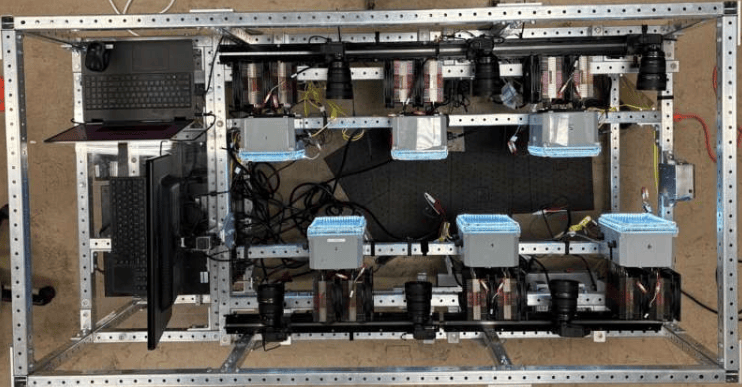
MARS-C is an in-situ resource utilization (ISRU) technology developed by Shrihari Sankarasubramanian, an assistant professor in the Department of Biomedical and Chemical Engineering at UT San Antonio, with NASA support. The technology applies voltage to electrochemically convert simulated Martian brine and carbon dioxide into oxygen, ethanol, and other hydrocarbons, aiming to produce fuel, oxygen, and other life-support compounds necessary for long-term human habitation using local Martian resources. Similar technology could also be applied to the Moon and other planetary bodies.
The project is co-led by Kevin Supak, a project manager in SwRI's Fluid Engineering Department, and Sankarasubramanian. The team modified a prototype electrochemical cell into a payload containing six cells, measuring 3 by 7 feet. Each cell is installed in a sealed box, with controlled environmental humidity and simulated Martian temperatures using thermoelectric heat pumps.
"The payload is ready to fly on an aircraft executing a parabolic profile. We have demonstrated to NASA that the design, procedures, and safety considerations meet the requirements for conducting parabolic flight tests," Supak said. "This will be the first demonstration of an electrolyzer capable of operating under Martian environmental conditions, where gravity is one-third of Earth's, with lower temperatures and atmospheric pressure."
SwRI and UT San Antonio will test MARS-C through a series of parabolic flights. Parabolic flights provide low-gravity conditions through free-fall periods generated by an arcing flight pattern, subjecting the payload to approximately 15 to 20 seconds of lunar, Martian, or zero-gravity levels. This approach builds on SwRI's previous work studying boiling processes in partial gravity during parabolic flights, which showed that lower gravity affects surface bubble dynamics and, consequently, gas production rates.
During testing, the electrolytic cells will operate to produce ethanol and other hydrocarbons, with cameras recording gas accumulation on the electrode surfaces. Operating equipment will also monitor the current in the cells. After the flights, the team will extract fuel samples from the cells and measure their hydrocarbon content to quantify the relationship between fuel production and gravity levels. "By qualifying for this parabolic flight, we will understand how the hydrocarbon-producing electrolyzer behaves under Martian gravity conditions," Sankarasubramanian said. "The insights gained will help us improve system design and performance, potentially enabling MARS-C to serve astronaut life support applications and Martian chemical product production."
The project is supported by NASA's TechLeap Prize, which aims to support future missions by advancing solutions to address technology gaps. The project also receives support from the Research Partnership Connect program, which fosters collaboration between SwRI and UT San Antonio. Additionally, the project is supported by the university's Klesse College of Engineering and Integrated Design (KCEID) and the Center for Space Technology and Operations Research (CSTOR), with funding from the University of Texas at San Antonio Office of Research and Southwest Research Institute.
Related Products


Industrial and Commercial Point-Type Gas Detector
Jinan Benan Technology Development Co., Ltd.
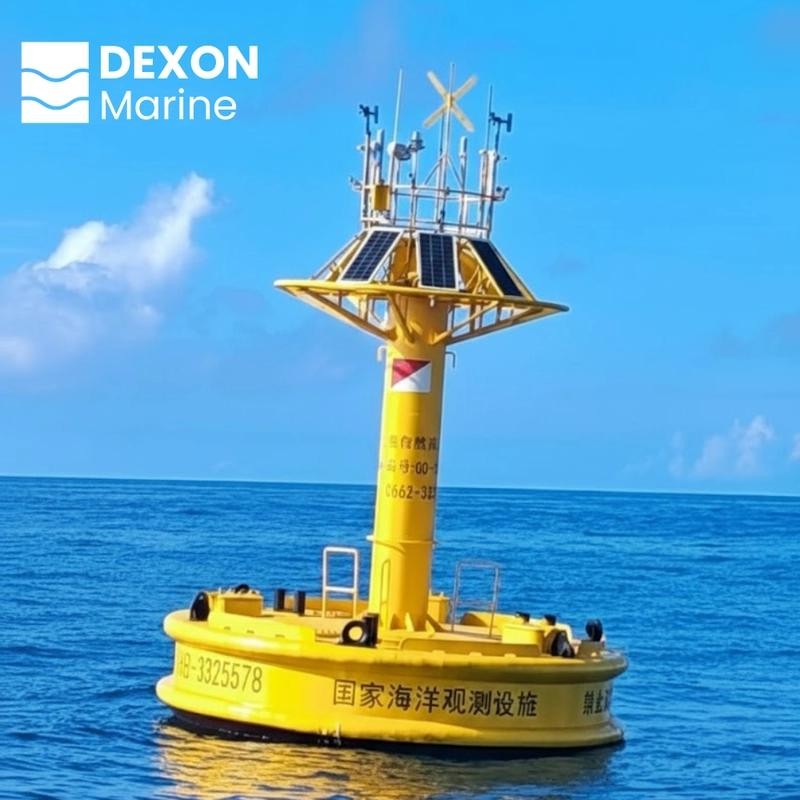
3m intelligent buoy combining navigation safety and real-time marine monitoring integrated navigation and marine monitoring system for real-time maritime data
Chengdu Dixin Technology Co., Ltd.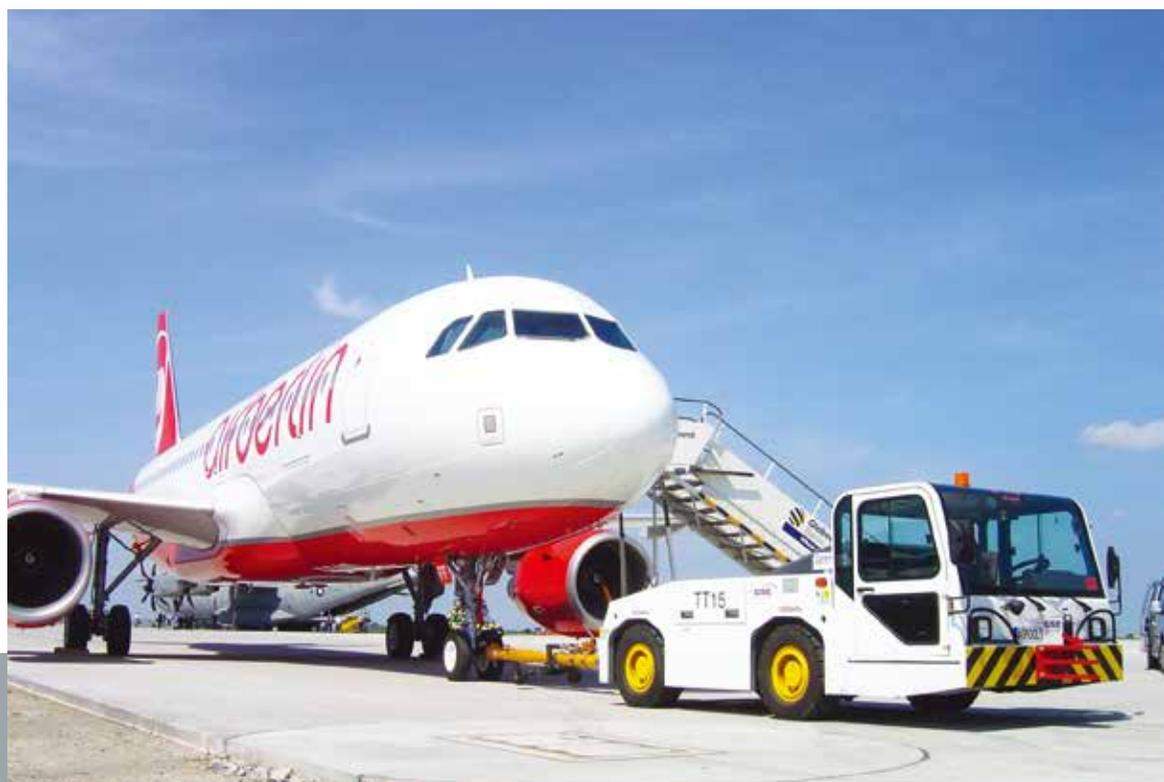
WGQY Series Aircraft Tow Tractor-WGQY15, WGQY27
Weihai Guangtai Airport Equipment Co., Ltd.
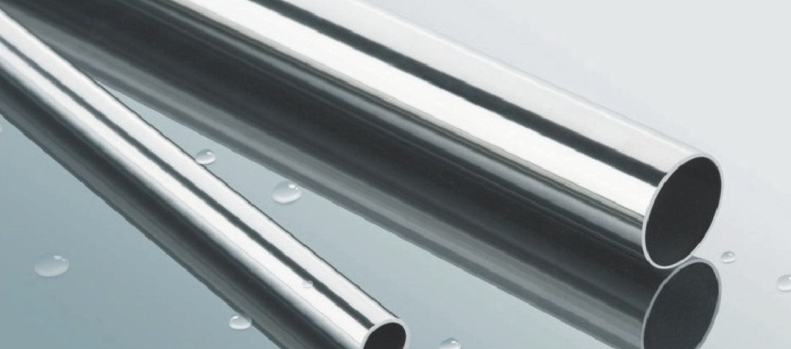
ERW Welded Pipe (Black Pipe and Hot-dip Galvanized Steel Pipe)
Handan Zhengda Steel Pipe Co., Ltd.