Portugal's TJA Completes Largest Purchase of Heavy Electric Trucks
en.Wedoany.com Reported - Mercedes-Benz Trucks Portugal and transport company TJA – Transportes J. Amaral S.A. have announced the completion of what is described as the "largest" purchase transaction of 44-ton heavy electric trucks ever conducted in Portugal.
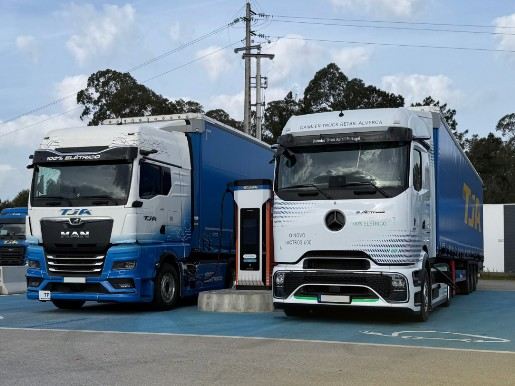
In a statement, TJA said that after receiving these vehicles, it became the company with the largest 100% electric heavy freight fleet in Portugal. These vehicles are part of an operation gradually built up since 2022, when the company introduced Portugal's first electric freight heavy truck (initially used for 26-ton urban distribution).
Mercedes-Benz Trucks considers this order, mediated by Sociedade Comercial C. Santos, a strong signal of commitment to decarbonizing road freight transport in Portugal. In a statement, the company said this partnership reflects the brand's technological leadership and its ability to develop innovative solutions that meet transport operators' operational requirements, helping to accelerate industry decarbonization.
The vehicle in question is the Mercedes-Benz eActros 600, which the manufacturer claims represents the pinnacle of heavy electric trucks, offering an unprecedented combination of range, performance, and energy efficiency, setting a new benchmark for electric mobility in road freight. Equipped with three LFP battery packs totaling 621 kWh of installed capacity and a maximum power output of 600 kW (over 800 hp), it is capable of long-haul transport operations under real-world conditions.
TJA has also provided training measures for its operations team to promote efficient use of electric technology and help maximize the potential of the new trucks from day one. Logistics operator trainer Rui Belmonte stated that the electric mobility partnership is crucial for TJA's sustainability, but driver training is essential, combined with rigorous route planning to ensure operations exceed expectations.
TJA noted that the choice to collaborate with different manufacturers was not accidental. Each vehicle was selected based on test results under real operating conditions, which confirmed range differences between models, allowing each truck to be tailored to the routes and service types it will perform. The company emphasized that this choice reflects an honest interpretation of the market.
TJA recalled that the total cost of ownership of a heavy electric truck depends on three factors that must work in synergy: vehicle acquisition cost, available charging infrastructure, and energy rate consistency. When one of these is insufficient, the economic difference compared to diesel vehicles is affected. Therefore, under current market conditions, the electrification of TJA's heavy fleet is not and cannot be a complete replacement; it is a gradual investment based on proprietary charging infrastructure and rigorous feasibility analysis for each service type. The company argues that providing the same purchase subsidies for heavy electric trucks as for light vehicles could change this situation and significantly accelerate the industry's transformation.
Related Products

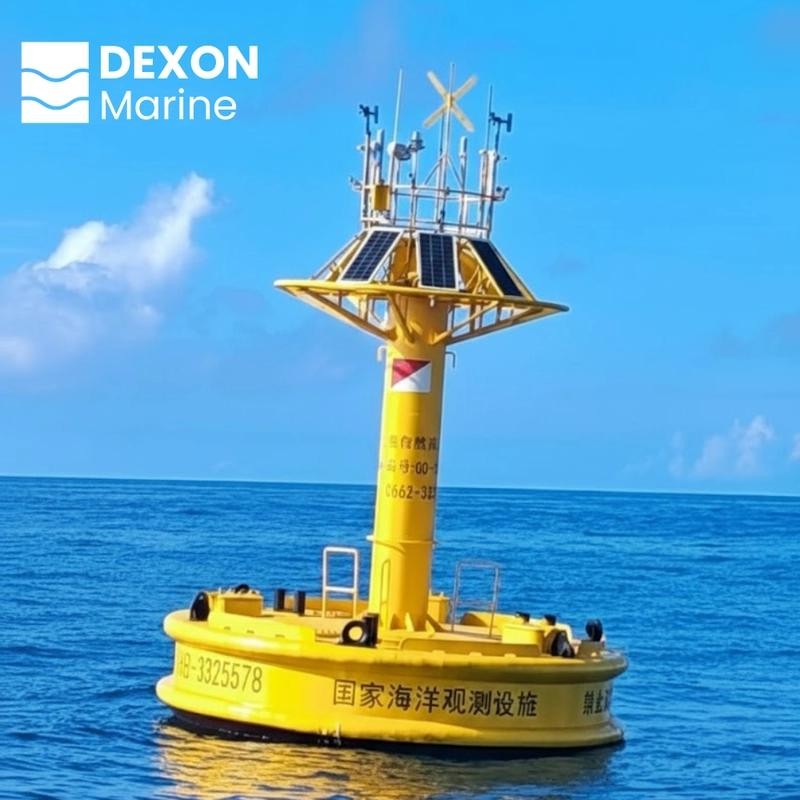
3m intelligent buoy combining navigation safety and real-time marine monitoring integrated navigation and marine monitoring system for real-time maritime data
Chengdu Dixin Technology Co., Ltd.

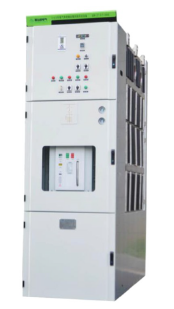
GSR6-27.5kV SF6 Free Gas-insulated Metal-enclosed Switchgear
Zhejiang Juhonkia Intelligent Electric Co., Ltd.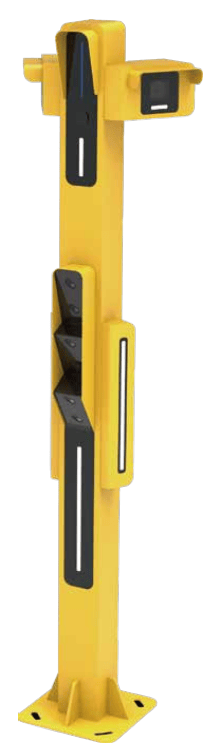
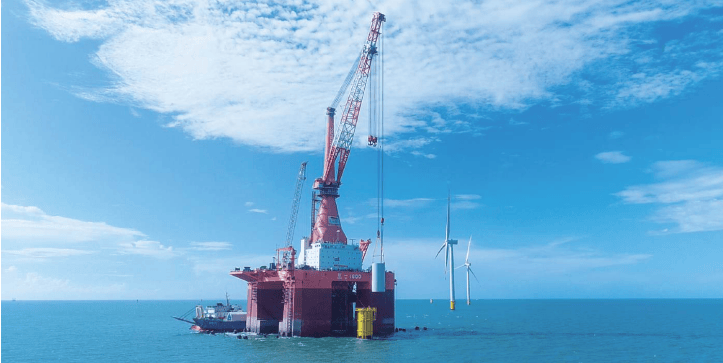
"Shunyi 1600" Deep-submerging Bottom-sitting Multi-functional Wind Power Engineering Vessel
Zhengli Offshore Engineering Co., Ltd.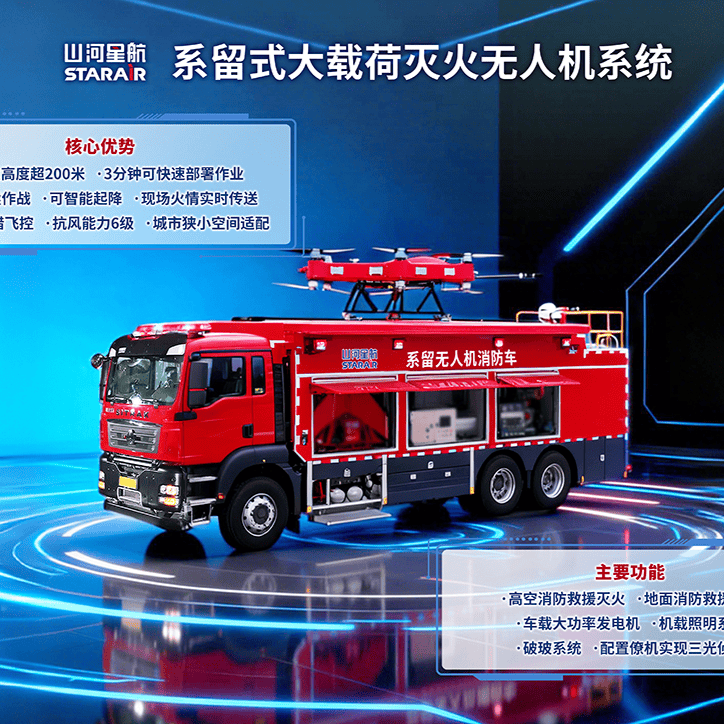
WGQY Series Aircraft Tow Tractor-WGQY15, WGQY27
Weihai Guangtai Airport Equipment Co., Ltd.