Indonesia Tightens Nickel Ore Quotas, Nickel Prices Bottom Out and Rise
en.Wedoany.com Reported - Recently, the price of the main Shanghai nickel futures contract has experienced significant volatility, primarily driven by a dual effect of revised supply-side expectations and cost-side support. Indonesian officials have explicitly stated that the RKAB nickel ore quota will not be fully relaxed in 2026, disproving the market's previous expectation of a substantial supply loosening and leading to a concentrated exit of short-selling funds. Simultaneously, weaker-than-expected US inflation data and rising sulfur prices due to geopolitical conflicts in the Middle East have significantly increased the cost of hydrometallurgical processing, providing strong bottom-line support on the supply side. However, demand-side drag is evident, with the stainless steel and new energy battery sectors in their traditional off-season. Downstream procurement remains limited to essential needs, lacking sustained inventory replenishment momentum. The current nickel price increase may represent a correction from previous overselling rather than a trend reversal.
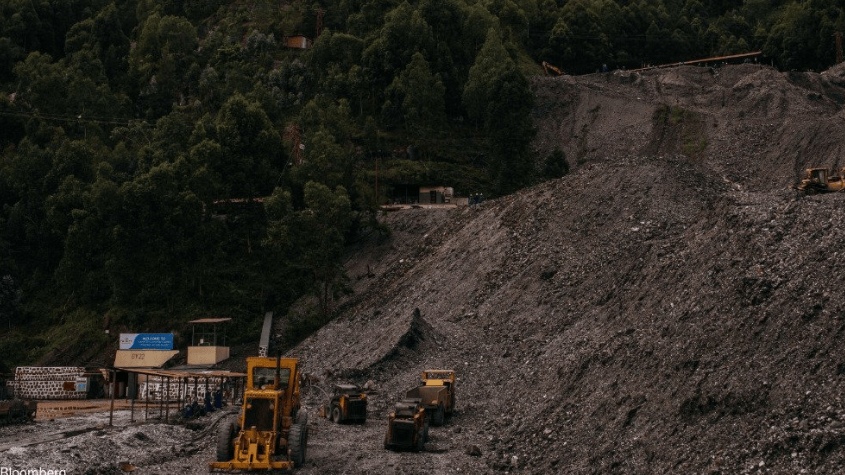
Indonesia, the world's largest nickel ore producer, holds absolute sway over the supply of nickel ore and nickel products. In early 2026, Indonesia's approved total nickel mining quota fell by over 30% year-on-year, with the quota in the core Weda Bay mining area, which saw the largest decline, dropping by 71%. This has led to insufficient raw ore supply in some local industrial parks. Due to Indonesia's policy of insisting on "integrated mining and smelting," new nickel ore quotas must be tied to local smelting capacity. Coupled with the earlier ban on raw ore exports, mines focused solely on exports can hardly obtain approval for production increases, locking in the limited room for raw material loosening throughout the year. Previously, the market had been shorting nickel prices based on expectations of ample supply, keeping prices in a prolonged bottoming range. However, Indonesia's Ministry of Energy and Mineral Resources recently stated officially that there are no plans for a nationwide quota increase in 2026, and the current revision window only allows for special case approvals. Only locally integrated smelting mines facing raw material supply disruptions can apply for small supplementary quotas, with the overall incremental volume being minimal and unable to alter the tightened supply pattern for the year. Following this news, earlier short positions were closed out for profit, and bargain-hunting funds entered the market, directly triggering a rally in nickel prices.
The July quota adjustment application is the only channel for changes this year in Indonesia, with final review results to be announced between August and September. Even if new quotas are approved, there is a lag in transmission from mine development to smelting, preventing a quick conversion into effective supply. This policy primarily impacts the medium-to-long-term total supply of nickel ore. The current driver is a short-term price correction from oversold levels. In the medium term, the supply-demand balance for nickel raw materials will gradually tighten, lifting the price floor. In the long term, Indonesia's continued tightening of mining rights will shift the industry's cost center upwards. The biggest variable ahead is the actual approved incremental volume after the application period ends in late July. If the increase exceeds expectations, the nickel price rebound will face rapid downward pressure.
On the cost side, geopolitical conflicts in the Middle East are disrupting sulfur transportation, keeping sulfur prices high and directly raising production costs for HPAL hydrometallurgical lines. Many hydrometallurgical plants are experiencing sustained losses and have proactively reduced output or halted production for maintenance. Some production lines have yet to resume operations, tightening the supply of circulating MHP. In pyrometallurgical processing, total nickel pig iron (NPI) production growth is limited due to power and environmental constraints. New smelting capacity added this year is also primarily hydrometallurgical, making it difficult to fill the gap.
Nickel demand is primarily composed of stainless steel and new energy batteries. Current signs of weakening total demand are evident, capping the upside for nickel prices. The stainless steel sector is entering its traditional summer consumption off-season, with domestic steel mills slowing down raw material procurement. Data on new housing starts and completions remains persistently weak, with the slowdown in completions dragging down end-use steel demand in sectors like elevators, decoration, and kitchen/bathroom fixtures. In previous years, stainless steel demand was offset by manufacturing and exports, but overseas demand for traditional manufacturing has weakened this year, and the persistently weak reality of the domestic real estate sector constrains the industry's demand elasticity in the long term.
In the new energy battery sector, high-nickel ternary (NCM) materials have been the main source of incremental nickel demand in recent years. However, July is an off-season for the industry. Battery manufacturers are consuming earlier inventories, and high nickel sulfate prices are suppressing downstream restocking demand, with companies showing no significant inventory replenishment activity. Lithium iron phosphate (LFP) batteries are crowding out the ternary battery market, potentially slowing the future growth rate of ternary material demand. The growth rate of domestic new energy vehicle production and sales is slowing month-on-month, although exports are performing well. The demand for nickel metal from new energy batteries is more optimistic than that from stainless steel, but the release of medium-to-long-term incremental demand is trending towards moderation.
Overall, nickel price trends remain primarily driven by supply-side disruptions, with upward movements constrained by weak demand-side realities. Shanghai nickel prices are likely to maintain a wide bottoming range in the short term, with rebounds priced in by strong expectations. The tightening of nickel ore raw material supply supports the price floor, but the demand off-season cannot sustain a unilateral sharp rise. In the medium-to-long term, if quotas remain tight and subsequent peak demand seasons materialize, the nickel price center is expected to rise steadily. The tight supply-demand balance will support medium-term valuation corrections. Key factors to watch going forward include the total amount of new quotas approved in the final Indonesian RKAB review and the volatility of sulfur and sulfuric acid prices driven by geopolitical disturbances in the Middle East.
Related Products
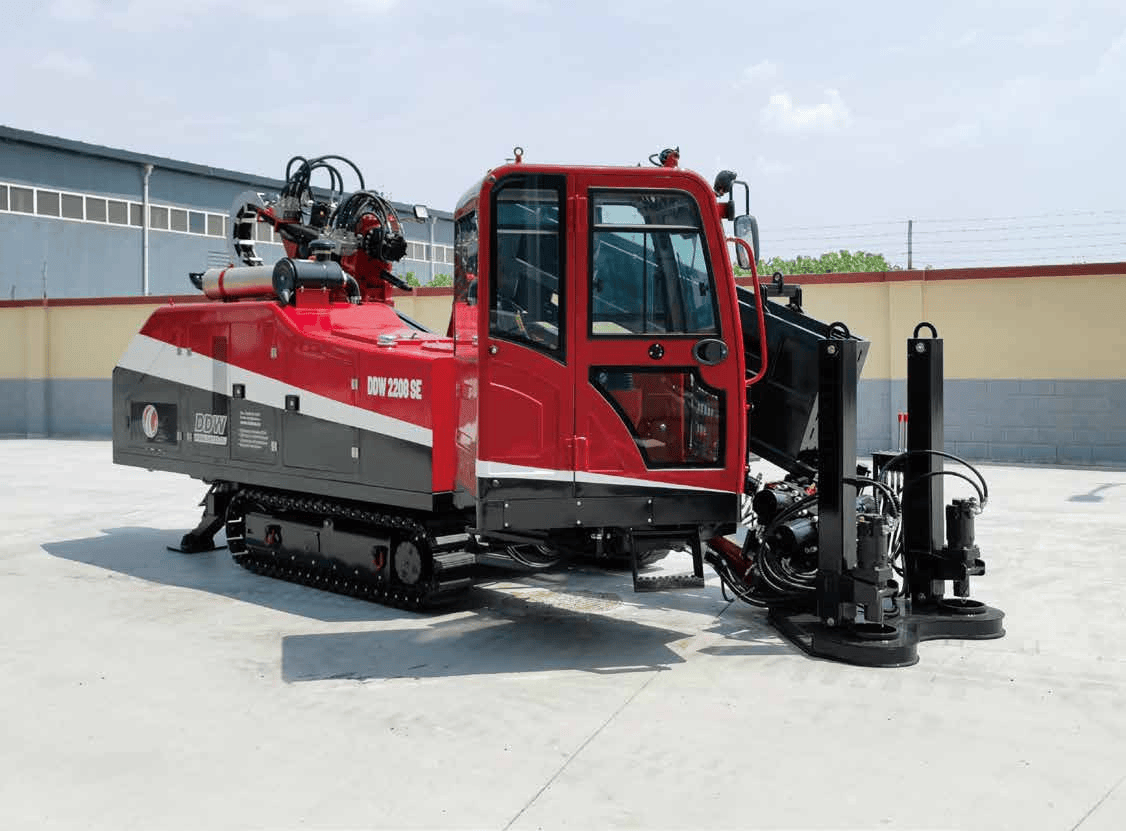

DDW22/08SE-HORIZONTAL DIRECTIONAL DRILL
DW/TXS Construction Equipment (Beijing) Co., Ltd.
Core Technologies of the Mining Technology and Equipment Business Unit: Efficient Mining Methods and Processes
CHANGSHA INSTITUTE OF MINING RESEARCH CO., LTD.
Hydraulic Plate and Frame Filter Press
Guangdong Leimeng Intelligent Equipment Group Co., Ltd.
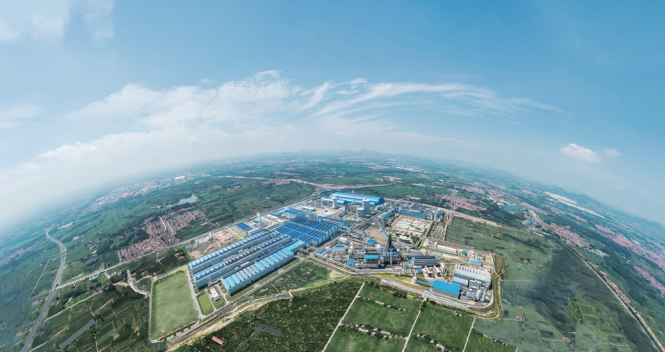
Linyi Steel Investment Special Steel 2.7 Million Tons per Year High-quality Special Steel Project
Capital Engineering & Research Incorporation Limited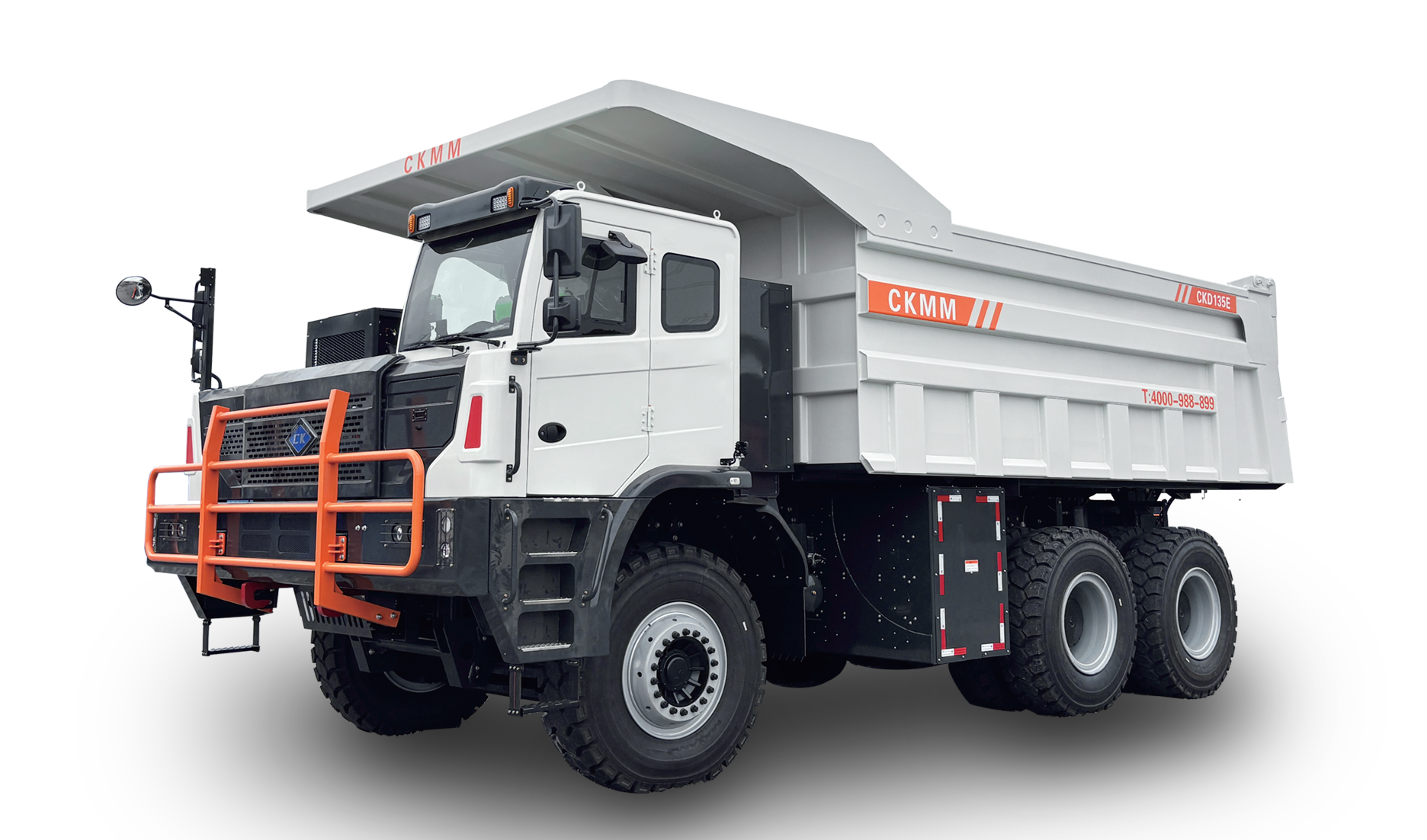
CKD135E Pure Electric Wide-body Dump Truck
Jiangsu Changkuang Engineering Machinery Co. Ltd.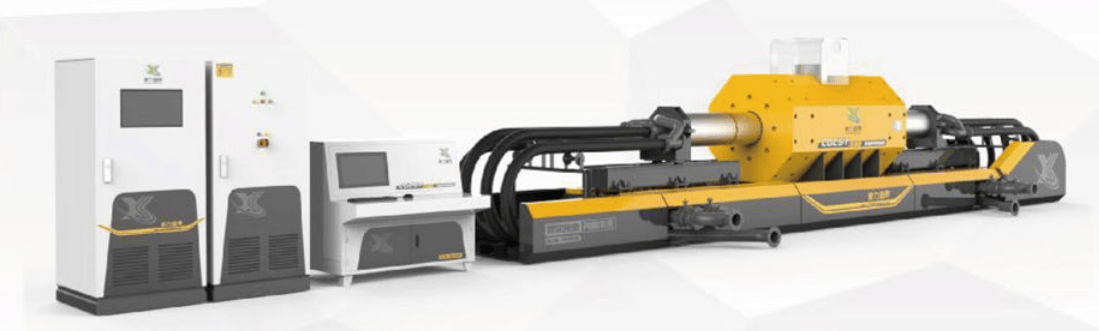
CITIC Heavy Industries Metallurgical Equipment Steel Smelting Engineering Equipment
CITIC Heavy Industries Co., Ltd.