Total Investment of 5.895 Billion Yuan! Quzika Hydropower Station on the Upper Lancang River in China's Tibet Breaks Ground
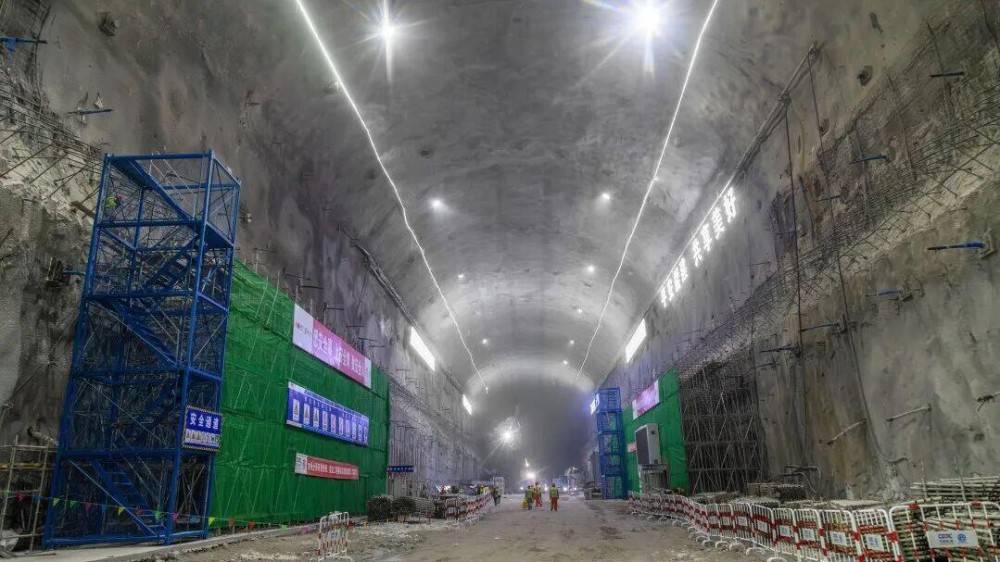
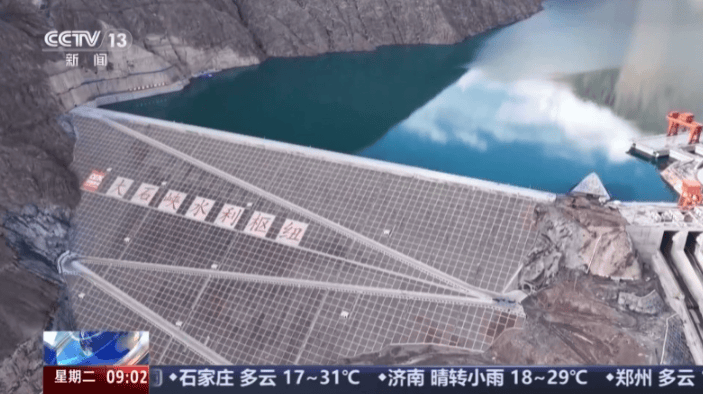
en.Wedoany.com Reported - The Quzika Hydropower Station, developed by Tibet Kai Tou (Tibet Development and Investment Group), held its groundbreaking ceremony on July 30 along the Lancang River, marking the start of full-scale construction. The project has a total investment of 5.895 billion yuan and an installed capacity of 405,000 kilowatts.
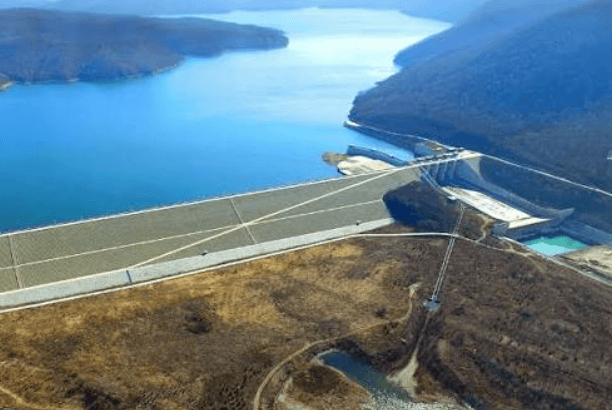
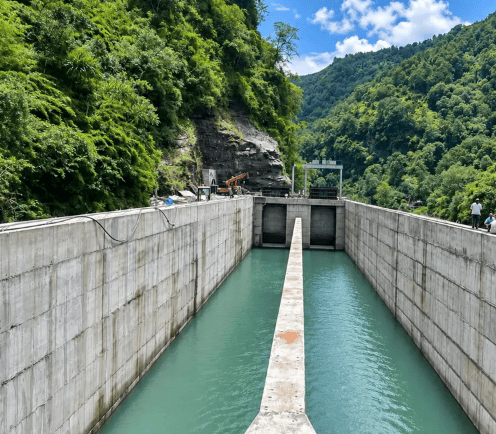
Bie Bixiong, Deputy Secretary of the Party Committee and General Manager of Tibet Kai Tou Quzika Hydropower Company, stated that the total construction period is 54 months, with an average annual power generation capacity of 1.869 billion kilowatt-hours. The reservoir and hub project consists of water-retaining structures, flood discharge structures, and water diversion and power generation buildings. The dam has a maximum height of 79.5 meters and a total length of 411 meters, with daily regulation capability.
The Lancang River boasts abundant hydropower resources and is a vital component of the clean energy base on the upper reaches of the river (Tibet section). It is understood that once the Quzika Hydropower Station is completed and operational, it will save approximately 560,000 tons of standard coal annually and reduce carbon dioxide emissions by about 1.46 million tons per year, helping to bridge the regional power grid gap and supporting the national "West-to-East Power Transmission" strategy. During the construction phase, the project is expected to directly generate approximately 198 million yuan in income for local farmers and herders, with annual tax contributions of about 37 million yuan after commissioning and total tax payments of 898 million yuan over its full lifecycle.
Quzika Hydropower Company, together with all participating construction units, has carried out targeted scientific research and technological breakthroughs focusing on dam foundation treatment, slope management, ecological protection, cultural heritage preservation, and power generation efficiency. A technical system adapted to the complex plateau geological conditions, while balancing heritage and ecological conservation, has been developed.
Related Products
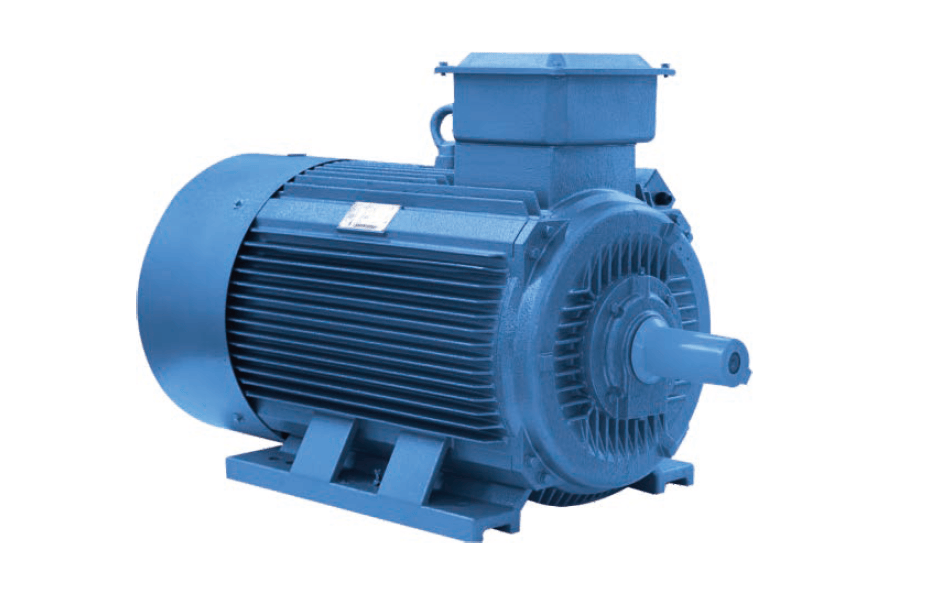

TYC Series High-Efficiency Permanent Magnet Synchronous Motor
Xiangdian Smart Energy Technology Co., Ltd.
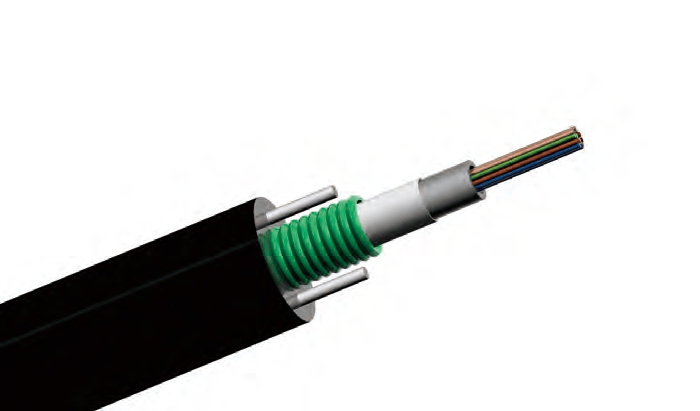
G.652.D Wavelength-extended Non-dispersion Shifted Single-mode Optical Fiber
HONGAN GROUP CO., LTD.
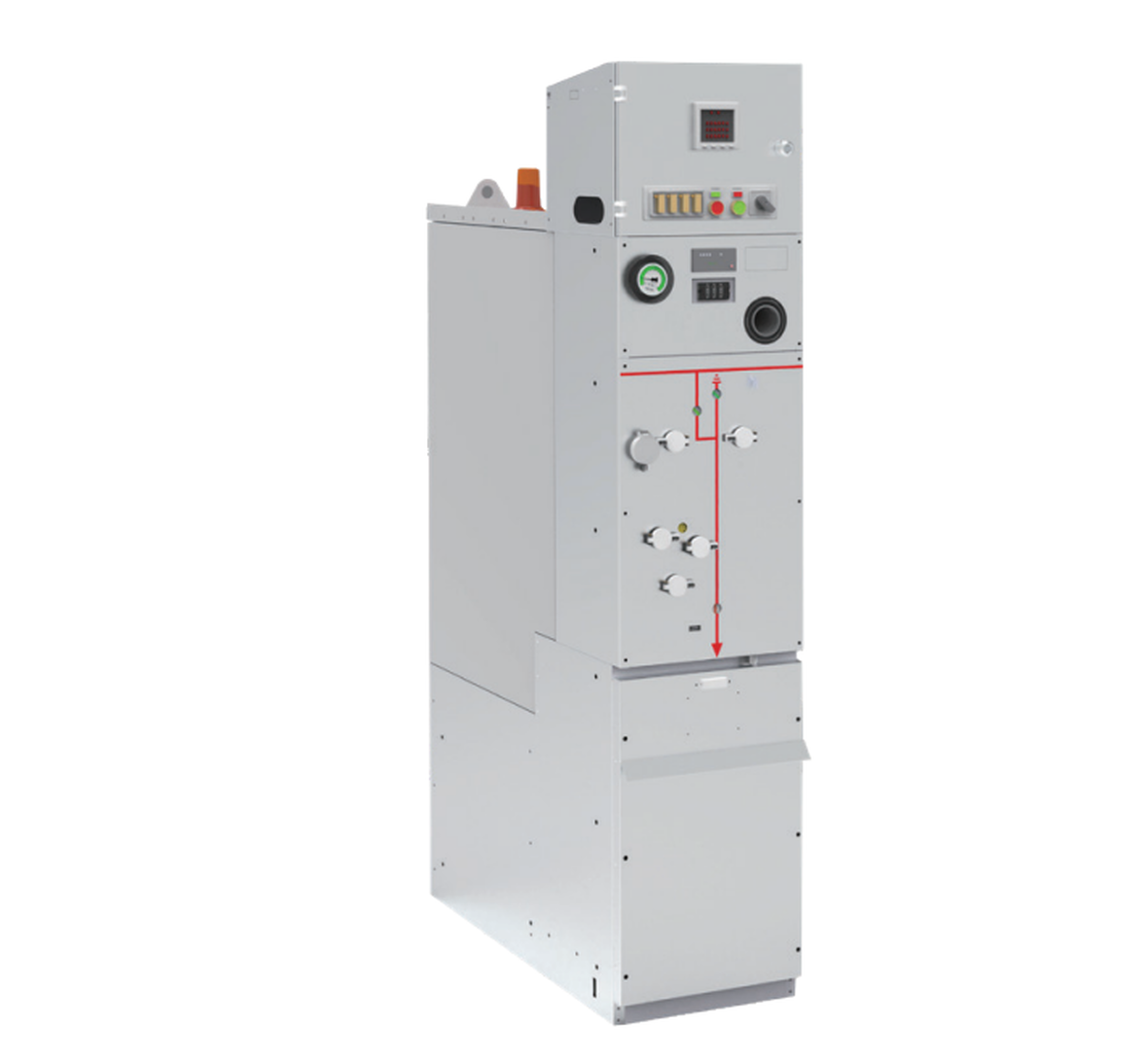

Industrial and Commercial Point-Type Gas Detector
Jinan Benan Technology Development Co., Ltd.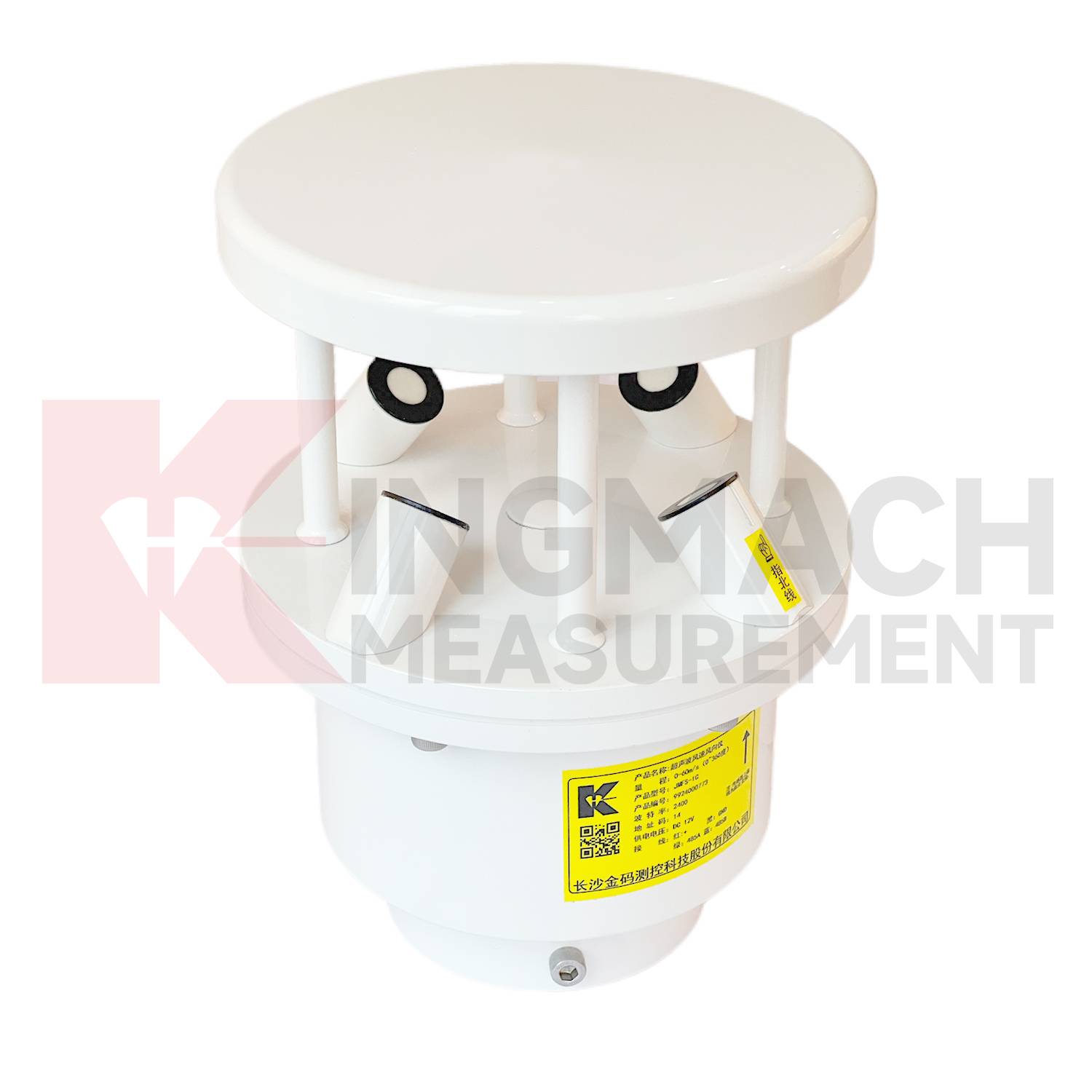
Ultrasonic Wind Speed and Direction Instrument
Kingmach Measurement & Monitoring Technology Co., Ltd.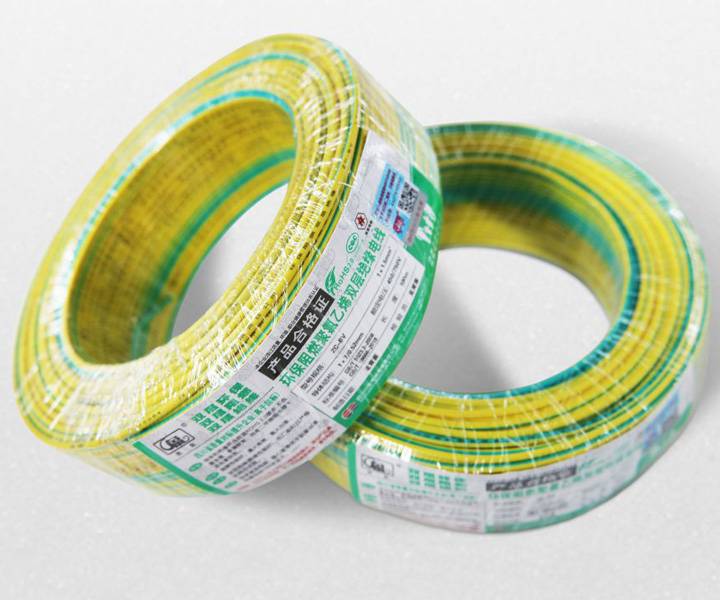
Environmentally Friendly Flame-retardant PVC Double-layer Insulated Wire
Sichuan Chndo Cable Co., Ltd.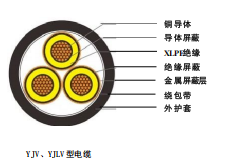
Rated Voltage 6-35kV Cross-linked Polyethylene Insulated Power Cable
TONGDING INTERCONNECTION INFORMATION CO., LTD.
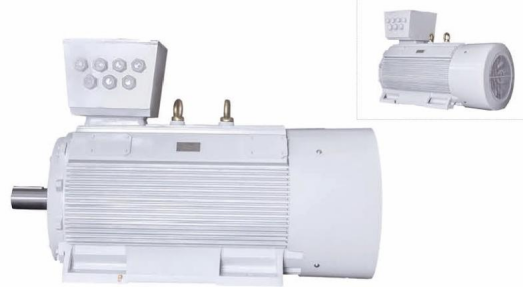
YE3 Series Low Voltage High Power Three-Phase Asynchronous Motor
Shandong Lijiu Electrical Machinery Co., Ltd.