Malaysia Expands Biodiesel Usage of B10 to B20 on Ground Transport Vehicles at Main Airport
Wedoany.com Report-May 29, Malaysia is expanding the use of biodiesel to ground transport vehicles at its main international airport as part of a broader strategy to reach net-zero carbon emissions by 2050. Plantation and Commodities Minister Johari Abdul Ghani announced the initiative during the launch of a biodiesel pilot project on Thursday.
Ground crew refuel the mobile luggage conveyor with B20 biodiesel at the Kuala Lumpur International Airport in Sepang, Malaysia May 29, 2025.
Under the new program, the biodiesel blend will increase from B10—comprising 10% palm-based biodiesel—to B20 for vehicles operating at the airport. This follows the country’s existing nationwide mandate for B10 biodiesel, with higher B20 implementation already in place in specific areas including Labuan, Langkawi, and most parts of Sarawak, excluding Bintulu.
The minister stated that this pilot initiative reflects the country’s commitment to reducing carbon emissions and promoting renewable energy use. Johari added: “If this pilot project succeeds, we will roll it out (to other sectors) as this is one of the country’s initiatives and our commitment to achieve net-zero carbon emissions by 2050.” No specific timeline was provided for the potential expansion.
Malaysia, the second-largest producer of palm oil globally, is aiming to strengthen the role of palm-based biodiesel in its energy mix. The move aligns with regional trends, as neighboring Indonesia—the top palm oil producer—has already launched a mandatory B40 biodiesel program and is evaluating the possibility of increasing the blend to B50.
In support of the initiative, Malaysian Palm Oil Board chairman Mohamad Helmy Othman Basha highlighted that similar pilot projects are being conducted at several major ports across the country. These include North Port Klang, Tanjung Pelepas Port, Johor Port, and Kuching Port.
According to Mohamad Helmy, the expanded use of palm biodiesel serves multiple objectives. It reduces reliance on fossil fuels, supports the palm oil sector, and enhances income opportunities for smallholder farmers and local communities. At the launch event, he stated: “This is proof that sustainable development and the economy can go hand in hand, benefiting both the people and the environment simultaneously.”
The pilot program at the airport is seen as a practical step to evaluate the performance and scalability of higher biodiesel blends in transportation. If successful, it could pave the way for broader application across other sectors, potentially accelerating Malaysia’s transition to cleaner energy sources.
This initiative demonstrates Malaysia’s focus on integrating renewable fuels into its transport sector while also supporting domestic palm oil producers. It forms part of a comprehensive approach to environmental sustainability and energy diversification in line with global decarbonization goals.
Related Products

6kV-35kV Medium and High Voltage Direct-Connected Energy Storage System
Hainan Jinpan Smart Technology Co., Ltd.

Hydraulic Turbine Genset
Dongfang Electric Corporation Dongfang Electric Machinery Co., Ltd.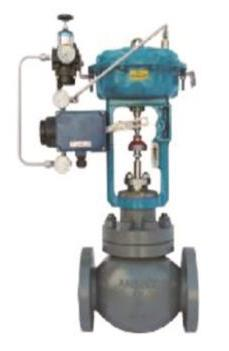
Quick-Change Single-Seat Control Valve / Quick-Change High-Pressure Single-Seat Control Valve
Beijing Consen Automation Technology Co., Ltd.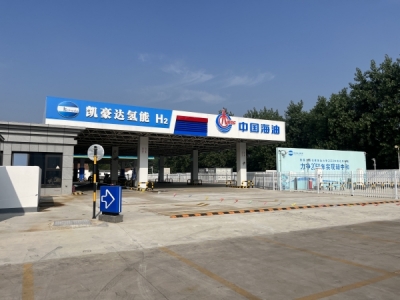
Hydrogen production and hydrogenation charging refueling gas integrated energy station
Shenzhen Kohodo Hydrogen Energy Co., Ltd.
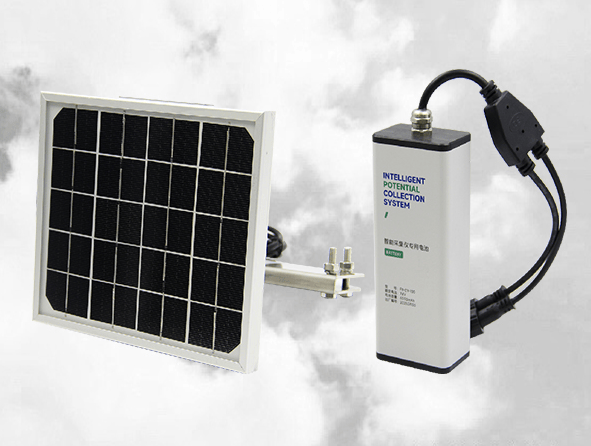
Inductive Power Harvesting Self-Powered Device - Safuneng
SELF ENERGY TECHNOLOGY (SHENZHEN) CO., LTD.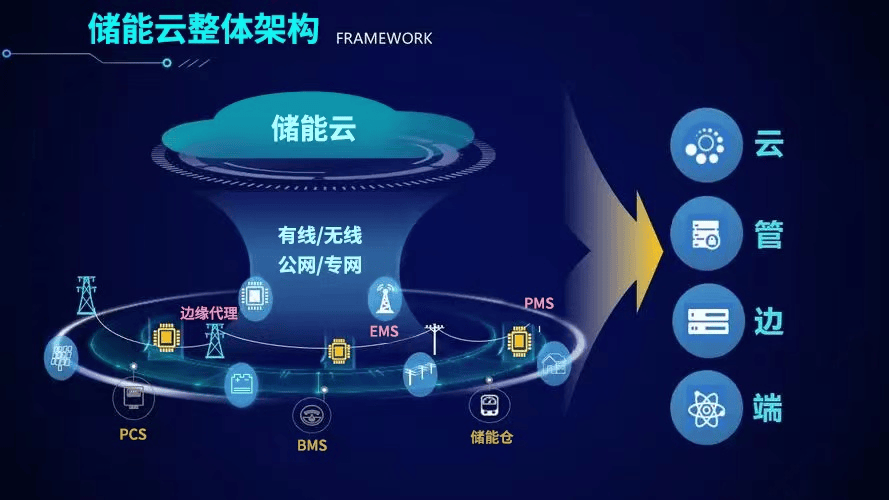
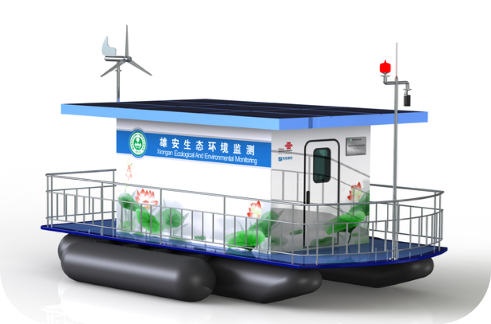
Floating Boat Water Quality Automatic Monitoring System
Hebei Sailhero Environmental Protection High-tech Co., Ltd.