London Eyes Robotaxi Launch, Raising Concerns Over Power Load and Safety
en.Wedoany.com Reported - Later this year, London may see the commercial rollout of driverless taxis, but whether these vehicles will help cut emissions or push up the capital's vehicle numbers and electricity load remains an open question.
The London Assembly has begun assessing the impact of such services on road safety, traffic congestion, employment, cybersecurity, and passenger mobility. Companies including Wayve, Uber, Lyft, and Waymo are vying for regulatory approval.
Commercial robotaxis have no precedent in the UK, and no vehicles in the country have yet been included on the list for general autonomous driving use.
Under current arrangements, Wayve and Uber are set to run trials in London in 2026; Google-owned Waymo has also expressed interest in launching autonomous ride-hailing tests in the capital.
Early fleets are expected to be predominantly electric, with individual trips potentially producing zero tailpipe emissions. However, large numbers of vehicles converging on charging stations could add extra strain to local power grids.
The scale of this impact will depend on fleet size, charging schedules, and whether operators can use smart charging to stagger demand away from peak hours.
A more pressing environmental question is whether robotaxis will actually replace private cars or compete with buses, rail, cycling, and walking.
Transport for London (TfL) has cautioned that shared autonomous fleets could ease congestion if they curb private car ownership; conversely, if they keep injecting additional vehicles into an already busy road network, the effect could be counterproductive.
Deadheading to pick up fares, trips back to charging depots, and cheaper ride-hail journeys could all push up total vehicle miles traveled.
Road safety is a focal point of debate. Government statistics show that human error is recorded as a contributing factor in 88% of road collision incidents, a figure often cited to argue that automation could reduce accidents; meanwhile, the 128,272 road casualties of varying severity registered in the UK in 2024 also underscores the high level of scrutiny over the safety standards of autonomous driving systems.
Under the Automated Vehicles Act, authorized autonomous vehicles must achieve a level of safety no less than that of a competent and careful human driver.
London's road conditions pose a considerable challenge for autonomous systems: narrow streets, dense cycle traffic, pedestrians, roadworks, emergency vehicles, and complex intersections coexist, differing markedly from the wide, grid-like road networks of many US cities.
The Assembly is also assessing the potential impact of the service on around 100,000 private-hire drivers and London's black cab industry.
Cyberattacks, passenger safety, accessibility for disabled users, and liability allocation in the event of vehicle failures are equally unavoidable topics in regulatory discussions.
Any commercial launch would be contingent on government approval and local licensing arrangements in London; as of the latest public information, operators have yet to confirm final fleet sizes, charging plans, or service areas.
Related Products



TAI Slew-drive Single-axis Independent 1P Tracking Bracket System
ANTAI TECHNOLOGY CO., LTD.
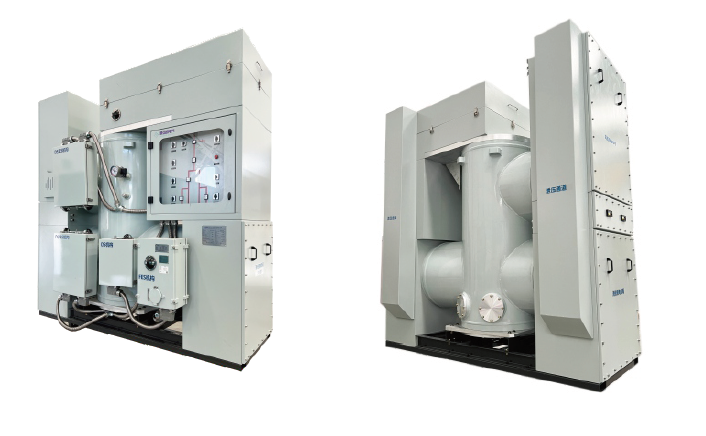
72.5kV 1250A 31.5kA SF6 free Gas-insulated Metal-enclosed Switchgear
Zhejiang Juhonkia Intelligent Electric Co., Ltd.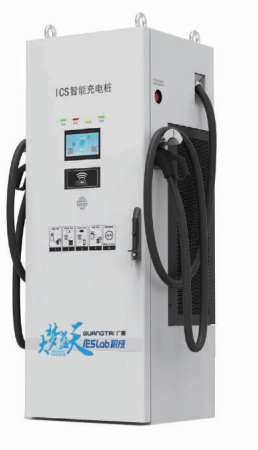
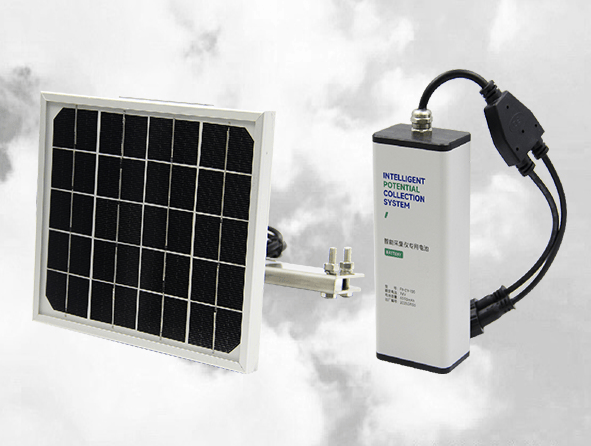
Inductive Power Harvesting Self-Powered Device - Safuneng
SELF ENERGY TECHNOLOGY (SHENZHEN) CO., LTD.