Jiangsu, China Releases Distributed PV Plan Targeting 120 GW Installed Capacity by 2030
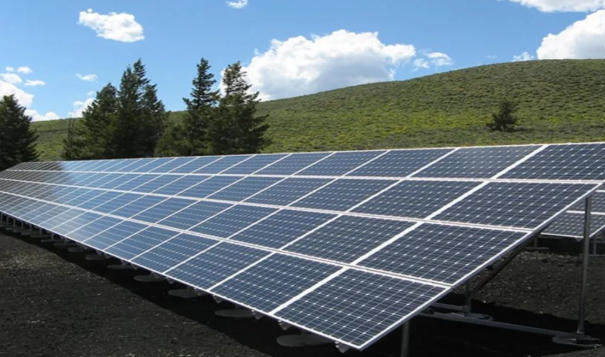
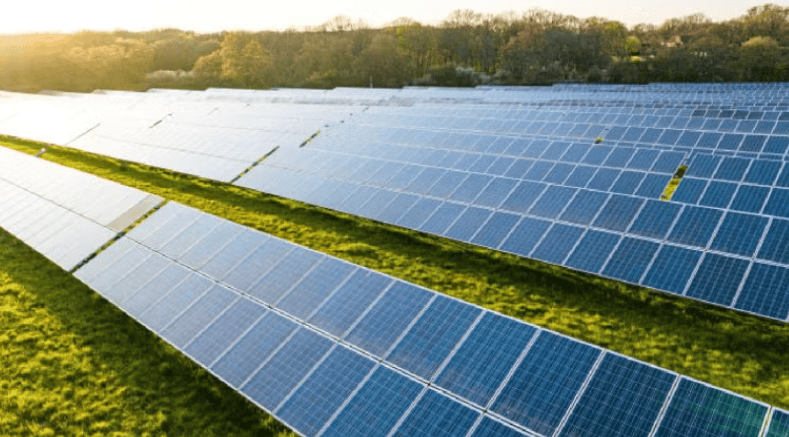
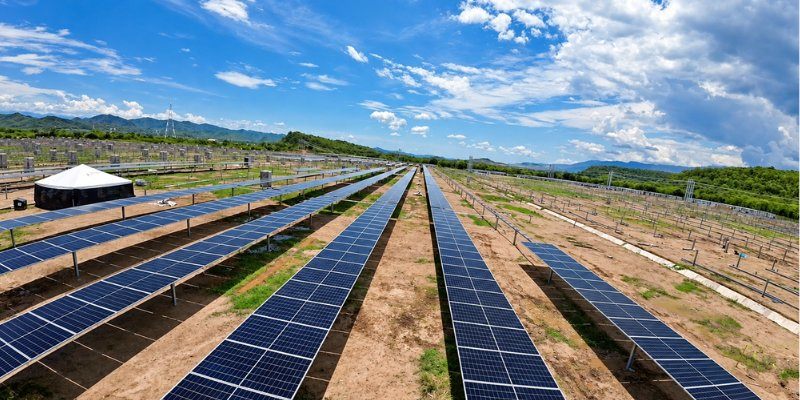
en.Wedoany.com Reported - On July 21, the Jiangsu Provincial Development and Reform Commission issued the "Jiangsu Province Distributed Photovoltaic Development Implementation Plan (2026-2030)" (Su Fa Gai Neng Yuan Fa [2026] No. 695), proposing that by 2030, the province's cumulative installed capacity of distributed photovoltaics will double compared to 2025, reaching 120 GW; looking ahead to 2035, the cumulative installed capacity will reach 160 GW.
The plan specifies that, in accordance with the overall requirements of "actively and steadily advancing carbon peak and carbon neutrality, promoting clean, low-carbon, and efficient energy use, and accelerating the planning and construction of a new energy system," and based on the province's abundant rooftop resources in industrial parks and rural areas, efforts to organize the development of distributed photovoltaics will be intensified. Development work will distinguish between commercial and industrial, and residential scenarios, with centralized grid connection as the primary approach and distributed access as supplementary. Priority will be given to advancing distributed PV development and construction in industrial parks, whole-village residential projects, public buildings, and transportation sectors, with simultaneous supporting construction of power grids and energy storage facilities.
Regarding centralized construction in industrial parks, the plan requires focusing on rooftop PV resource surveys and layout planning across parks at all levels. New industrial plants must reserve conditions for PV installation and power distribution access during the planning and design stage, with the proportion of usable building rooftops installed with PV reaching 100%; for existing industrial plants, PV should be installed on all usable building rooftops wherever possible. Support will be given to deploying distributed PV near computing power centers, and parks are encouraged to build virtual power plant aggregation platforms to uniformly participate in provincial demand response and electricity spot markets. Distributed PV in parks is encouraged to be developed through centralized grid connection and full-grid feed-in, providing green electricity to users with rigid carbon reduction and physical green power traceability needs in accordance with the principle of "sourcing capacity based on load."
For residential PV, the plan encourages whole-village contiguous development, with unified survey, design, construction, and maintenance at the natural village level, and grid companies formulating grid connection plans based on a "one village, one policy" approach. When connecting to the grid via centralized grid connection, grid companies are responsible for providing connection points to the public grid, while convergence facilities and grid connection supporting infrastructure are, in principle, invested in, constructed, and maintained by the project investment entities. Whole-village development adheres to the principle of villager voluntariness, supports village-enterprise cooperation and public rooftop equity participation, and establishes a benefit-sharing mechanism whereby "enterprises gain projects, farmers gain rent, village collectives gain income, and localities gain green development."
In the public building sector, efforts will comprehensively revitalize idle rooftop resources of public institutions such as Party and government offices, hospitals, cultural and sports venues, municipal supporting buildings, and grain storage facilities, promoting the installation of PV systems on all usable rooftops of new public buildings, while simplifying preliminary procedures for rooftop leasing of public institutions. In the transportation sector, new and expanded transportation infrastructure should fully consider distributed PV development needs along roads, ports, and stations during the planning stage; for existing expressways, parking shed PV power stations will be built using idle plazas at service areas; distributed PV projects constructed along individual expressway corridors, the main canal of the South-to-North Water Diversion Project, and port areas may be packaged and filed (approved) as a whole, or implemented together with transportation and water conservancy projects.
Regarding grid guarantees, the plan proposes orderly increases in distribution grid investment, accelerating the construction of smart distribution grids that meet the requirements for local and nearby consumption of distributed PV and centralized contiguous development, and implementing rural grid consolidation and upgrading projects. For system regulation capacity building, it will enhance regulation capabilities such as electrochemical energy storage and compressed air energy storage. Development entities are responsible for the simultaneous construction of "four capabilities" (observability, controllability, adjustability, and dispatchability) for distributed PV, and users and power sources are encouraged to simultaneously equip supporting energy storage systems, creating PV-storage integrated projects and building small-scale microgrids.
At the project management level, the plan clarifies that projects must avoid cultivated land, ecological protection red lines, historical and cultural protection lines, and river, lake, and reservoir management scopes. Project investment entities must strengthen whole-process safety management, select compliant and qualified equipment, and strictly prohibit damage to building main structures. Distributed PV projects that are rebuilt at deregistered addresses or relocated to new installation addresses must re-complete filing and grid connection procedures; project investment entities may change the grid feed-in mode once based on load and operating conditions. Filing authorities must not set any preconditions, and incomplete filing information should be notified for correction within 24 hours; failure to notify within the time limit is deemed as filing completion. Three working days after submitting filing information, project entities may print their filing certificates themselves.
In terms of safeguard measures, the Provincial Development and Reform Commission will determine annual development targets in conjunction with the "15th Five-Year Plan" carbon emission reduction and non-fossil electricity consumption requirements. Development and reform commissions at all levels, along with planning, housing and urban-rural development, transportation, and fire protection departments, will coordinate and cooperate to strengthen guarantees for factors such as land use and environmental assessment. Central and state-owned enterprises, local energy investment (urban investment) platforms, and private enterprises are encouraged to participate in project investment and construction, with market entities of all ownership types equally enjoying supporting policies for energy conservation and technological transformation. Development and reform commissions in each city are required to clarify their city's distributed PV development implementation pathways, annual plans, and project lists, and report them to the Provincial Development and Reform Commission after approval by the city government.
Related Products


Standard Nozzle Flowmeter
Jinggong Automatic Control Instrument Complete Technology Development Company
CAP1400 main feedwater flow nozzle flowmeter.
Jiangsu Hongda Instrument Technology Co., LTD.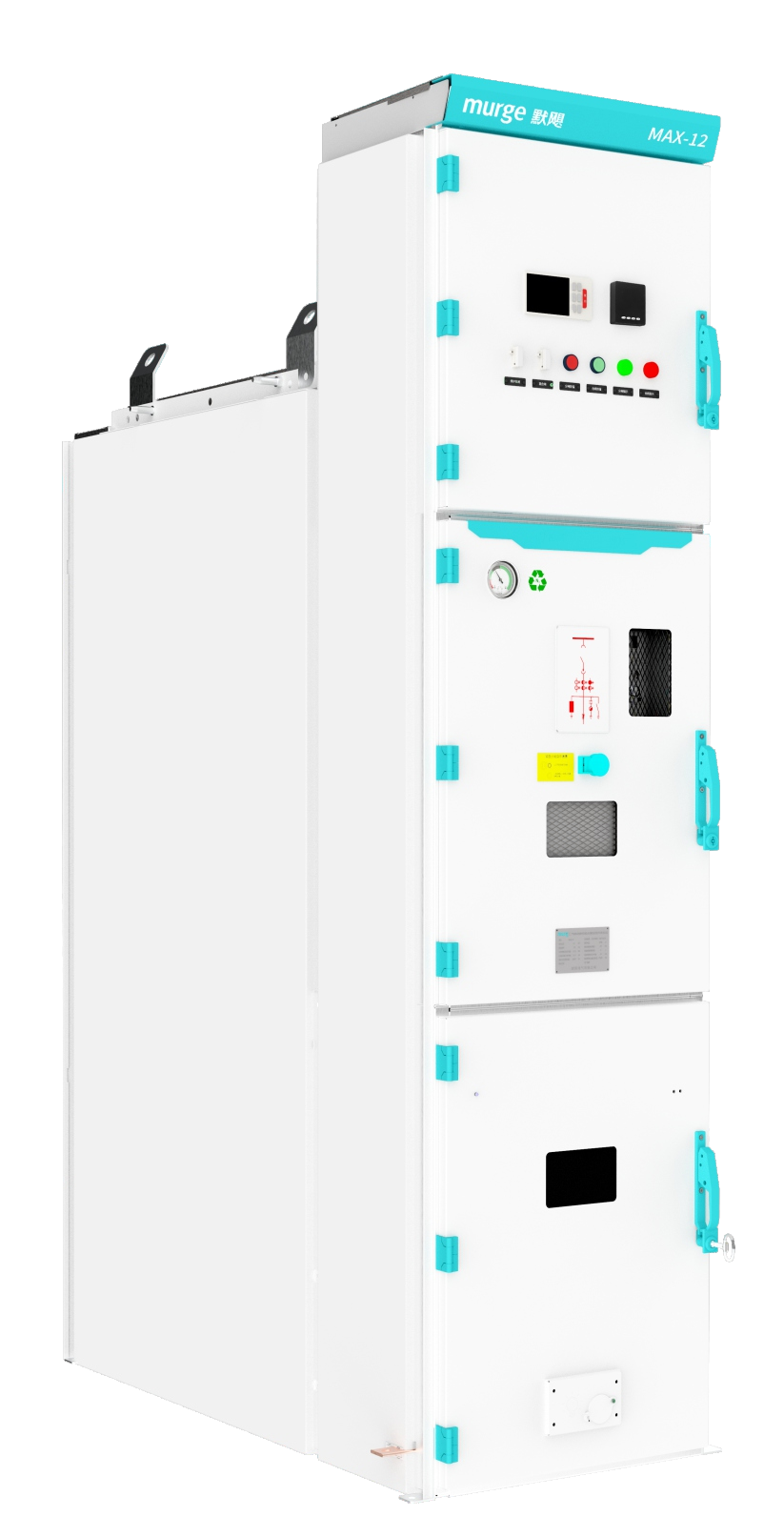
MAX-12 series Environmental Protection/SF6 gas insulated switchgear (C-GIS)
Murge Electric Co.,Ltd.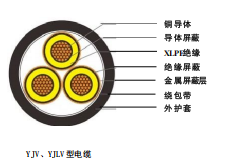
Rated Voltage 6-35kV Cross-linked Polyethylene Insulated Power Cable
TONGDING INTERCONNECTION INFORMATION CO., LTD.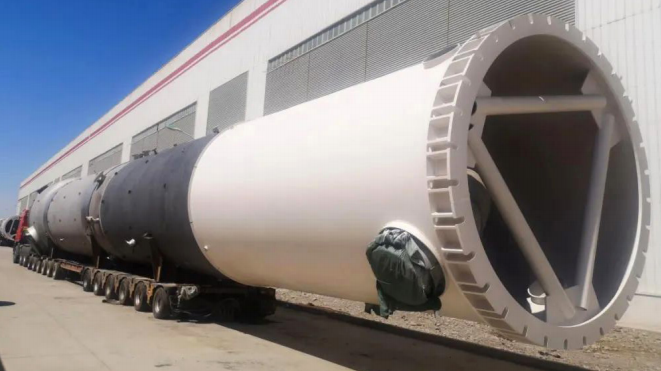
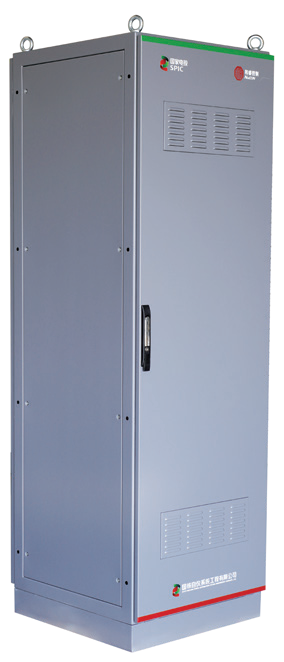
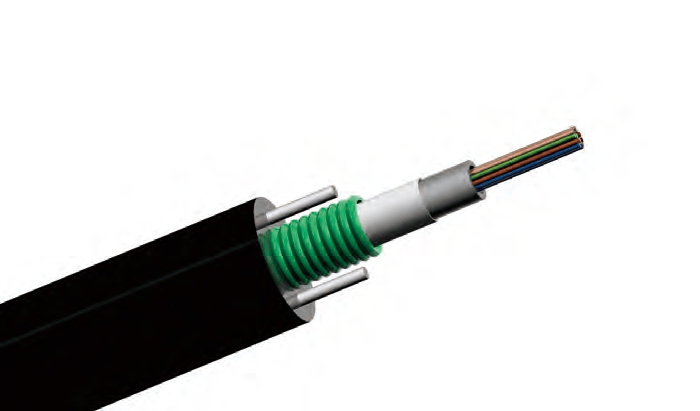
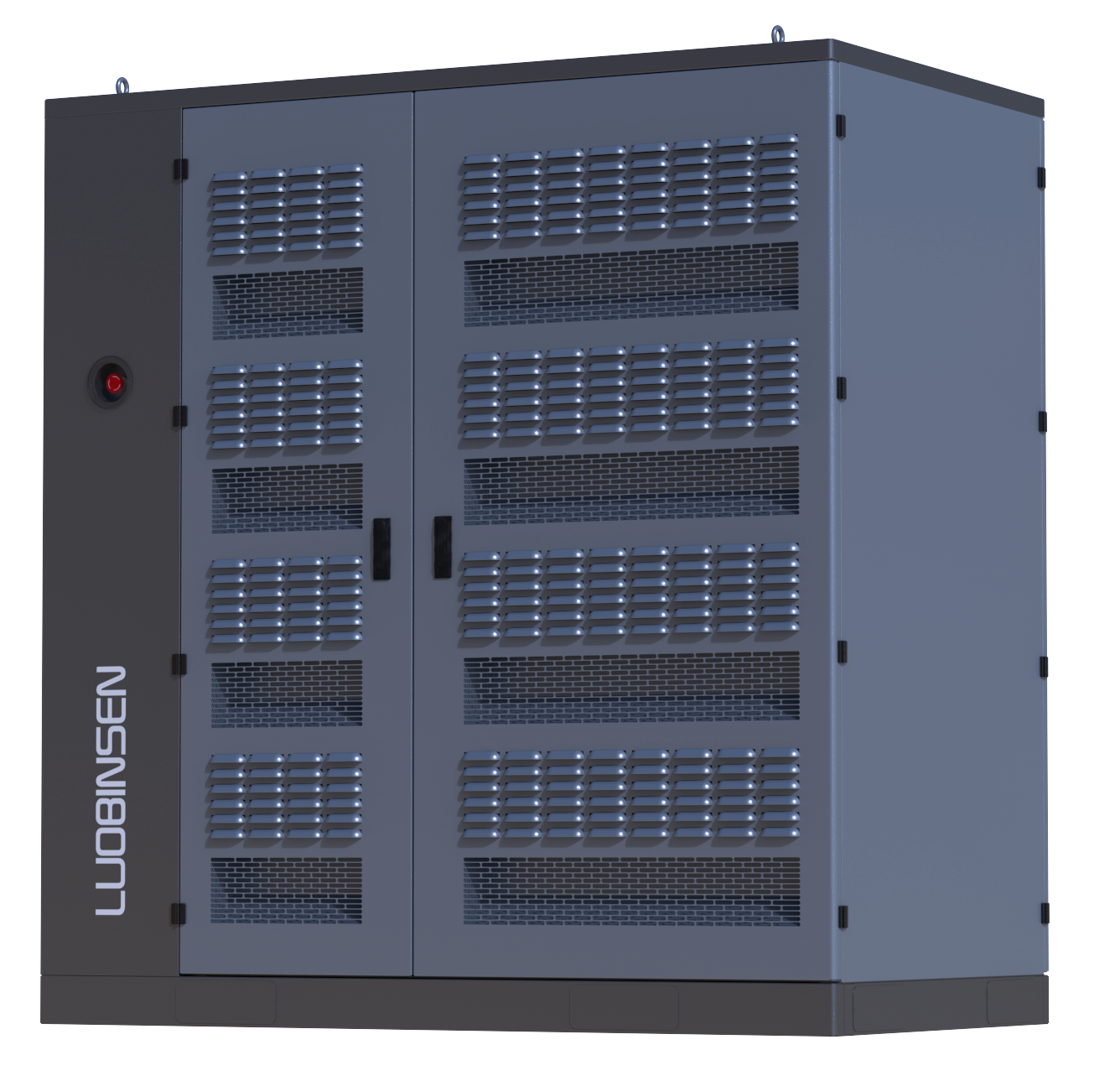
Quick-Change Single-Seat Control Valve / Quick-Change High-Pressure Single-Seat Control Valve
Beijing Consen Automation Technology Co., Ltd.
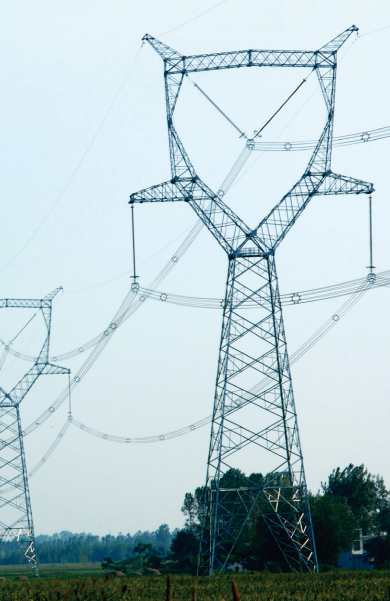
1000kV Jin Southeast-Nanyang-Jingmen UHV AC Transmission and Transformation Pilot Demonstration Project
Anhui Hongyuan Steel Tower Co., Ltd.