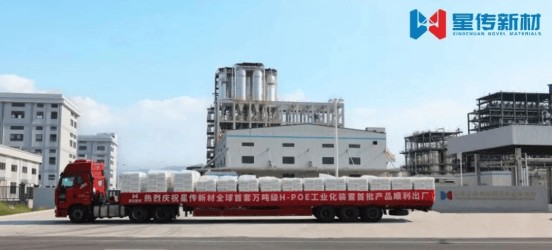
U.S. Plastics Association: 50% Tariff on Canadian Plastics, Limited Risk of Supply Disruption
en.Wedoany.com Reported - Dr. Perc Pineda, chief economist of the Plastics Industry Association (PLASTICS), has released a new economic analysis assessing the potential impact of the Trump administration's 50% tariff on certain Canadian plastics and plastic products. The analysis concludes that, given the United States' strong domestic production capacity and its trade surplus with Canada, the risk of supply chain disruptions stemming from the tariff is generally limited.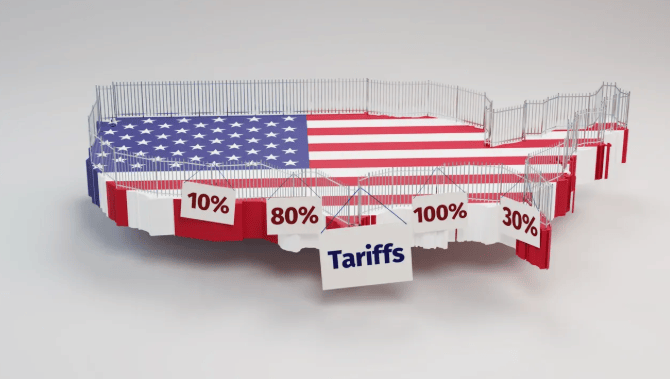
According to customs data, the total value of plastics imported by the United States from Canada in 2023 that are subject to the new tariff was approximately $2.99 billion, rising to $3.09 billion in 2024 and $3.10 billion in 2025. During the same period, the free alongside ship (FAS) value of U.S. exports of comparable plastics to Canada reached $4.65 billion in 2025, resulting in a trade surplus of $1.55 billion. In 2024 and 2023, U.S. exports of tariff-affected plastics to Canada stood at $4.74 billion and $4.75 billion, respectively; globally, total exports of such plastics in 2025 reached $16.3 billion (FAS value).
This Section 338 tariff is viewed as a reciprocal response to Canada's automotive trade measures. Pineda stated that, because the United States maintains strong domestic production in the affected plastic categories and retains a surplus with Canada, the risk of widespread supply disruption is limited. He also noted that the ongoing review of the United States-Mexico-Canada Agreement (USMCA) presents an opportunity to address remaining trade imbalances and enhance the competitiveness of North America's integrated plastics supply chain.
Regarding the scope of the tariff coverage, Pineda explained that although the annex to the announcement lists products by 8-digit HTS codes, the product descriptions are for reference only and do not limit the actual scope of the Section 338 action. Any listed 6-digit or 8-digit HTS code covers all 10-digit HTS codes subsumed under it, meaning the actual impact is broader than the product descriptions suggest.
Addressing industry concerns about the cumulative effect of tariffs—namely, the stacking of the new 50% tariff, Section 301 tariffs targeting forced labor issues, and Section 232 tariffs—Pineda pointed out that products meeting USMCA rules of origin, as well as all goods subject to Section 232 tariffs, are exempt from the additional Section 301 tariffs. The actual extent of price impacts depends on manufacturers' ability to adjust sourcing strategies, absorb rising input costs, and secure alternative supply sources.
Under the USMCA framework, there remains room for improvement in bilateral plastics trade between the United States and Canada. Pineda noted that the United States still imports more plastics from Canada than it exports, highlighting opportunities to strengthen trade ties under the modernized agreement. The plastics industries of all three countries benefit deeply from the agreement's integrated manufacturing supply chains, and with plastics playing a critical role as capital goods and intermediate inputs, maintaining robust market access is essential.
Potential areas for improvement that could be explored in the agreement review include updating rules of origin to prevent non-member countries from benefiting, and expanding coverage to Canada's agricultural sector, which relies heavily on plastic packaging and related products. Such adjustments could help shape a more balanced trade relationship and support North American manufacturers in competing globally.
Trade data from the past three years reveals divergent outcomes in U.S. trade with Canada and Mexico under the USMCA. The United States maintains a surplus in plastics trade with Mexico but a deficit with Canada, reflecting the differing industrial capabilities, production structures, and market demands of the two partners. Imports of plastics machinery supplement U.S. domestic capacity, providing manufacturers with access to specialized equipment; U.S. mold-making capabilities also have the potential to support more domestic production, reducing reliance on imported tooling.
The analysis concludes that, as the new tariffs take effect and USMCA negotiations progress, U.S. plastics manufacturers will experience a period of adjustment. Companies heavily reliant on Canadian imports will need to evaluate alternative sourcing options, including expanding domestic procurement or diversifying to other trading partners; the strong domestic capacity reflected in export data suggests that most manufacturers have viable options for supply chain restructuring. The tariff structure may create opportunities for U.S. producers to expand market share in product categories previously dominated by Canadian suppliers, thereby supporting manufacturing employment and capital investment in domestic production facilities. The outcome of the USMCA negotiations and the implementation effects of the new tariffs will shape the competitive landscape of North American plastics manufacturing in the years ahead.
Related Products




CAP1400 main feedwater flow nozzle flowmeter.
Jiangsu Hongda Instrument Technology Co., LTD.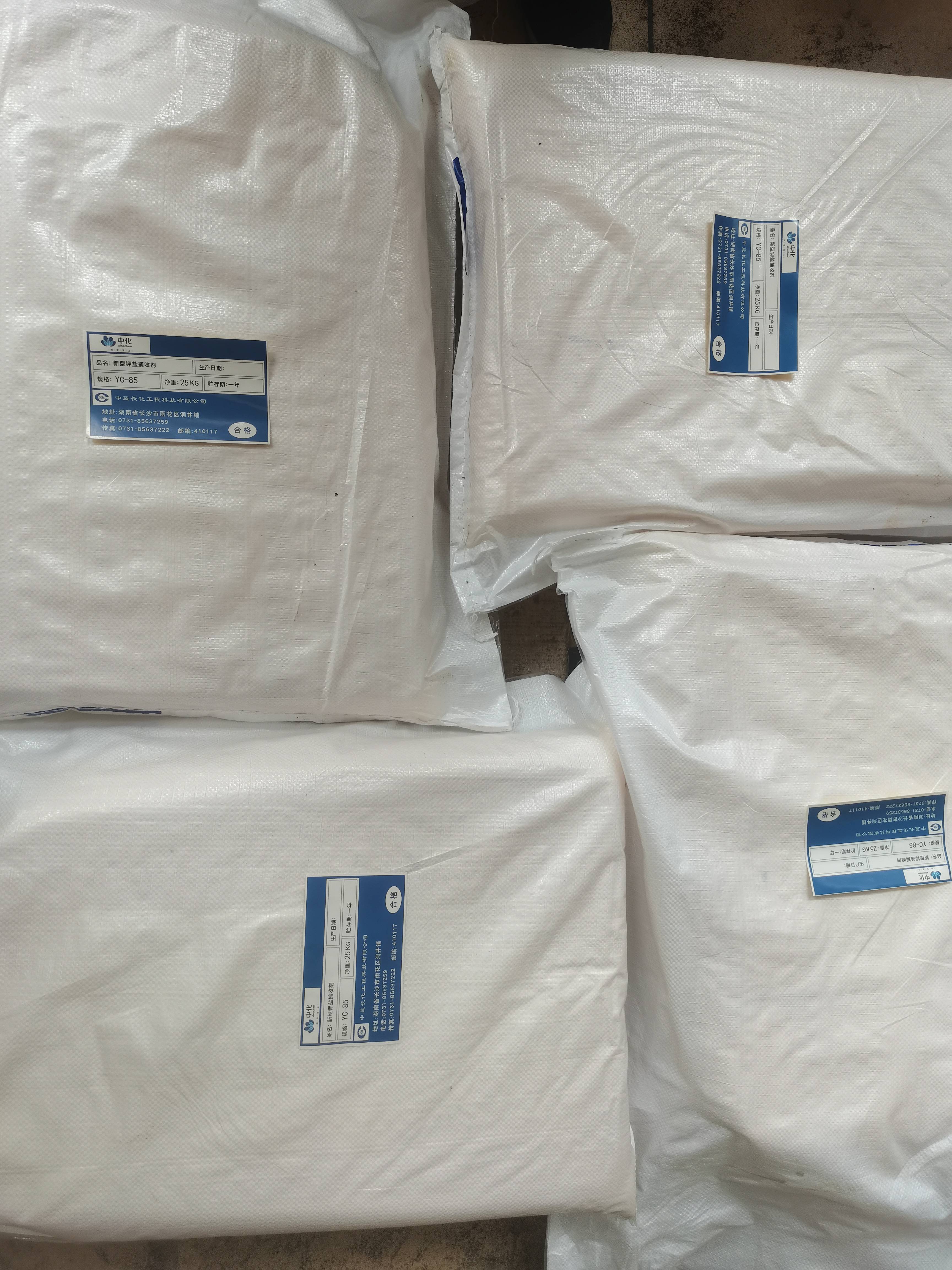
New Environmentally Friendly Green Potassium Salt Collector
Chonfar Engineering and Technology Co., Ltd.
Nitrogen Export, Nitrogen Manufacturer, High-purity Nitrogen Supplier
Foshan Yuexin Industrial Gas Co., Ltd.
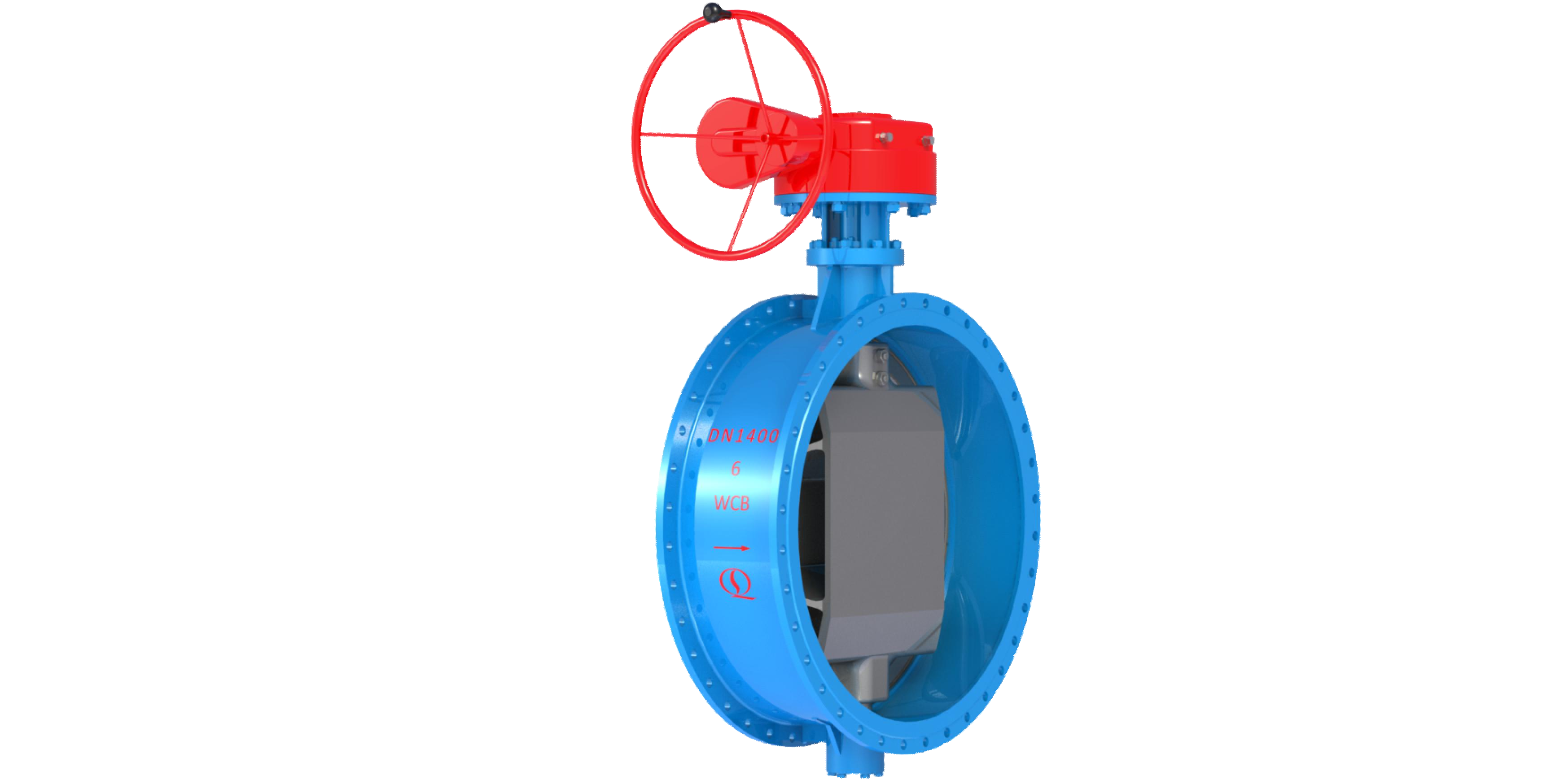
Bidirectional Metal Hard Sealed Seawater Butterfly Valve
Henan Quanshun Flow Control Science & Technology Co., Ltd.
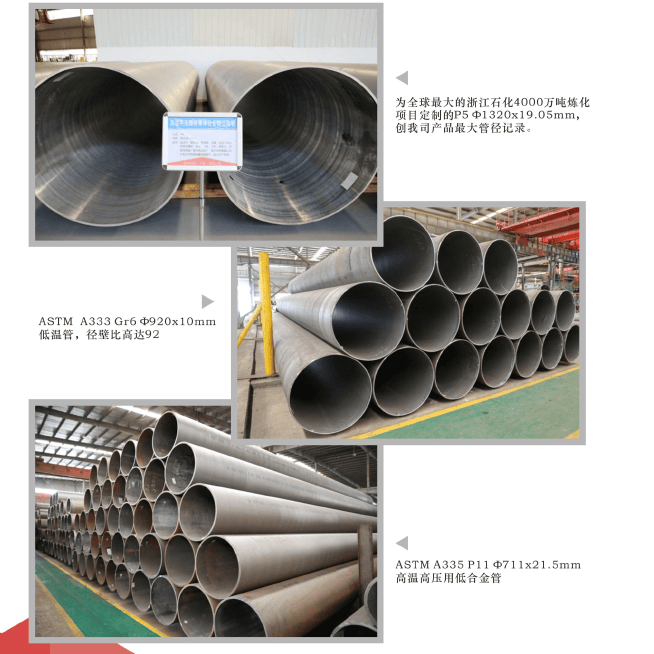
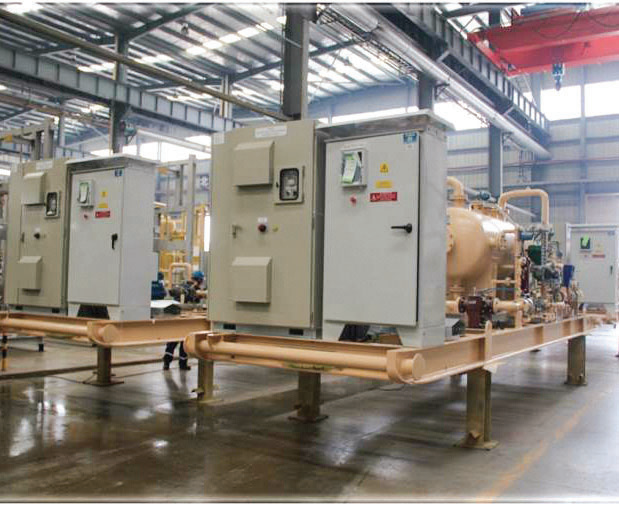

Steel Pipes for Refining and Coal Chemical Industries
YANGZHOU LONTRIN ENERGY EQUIPMENT CO.,LTD.