U.S. Oil and Gas Firms Invest Hundreds of Millions to Extract Lithium from Oilfield Brine; Feasibility Needs 3-5 Years to Verify
en.Wedoany.com Reported - Several major companies in the oil and gas industry are expanding their business into lithium production, collectively investing or committing hundreds of millions of dollars to extract this battery metal from oilfield brine, leveraging upstream industry technology and expertise. In the United States, boosting lithium output has been prioritized as a key component of the domestic supply chain.
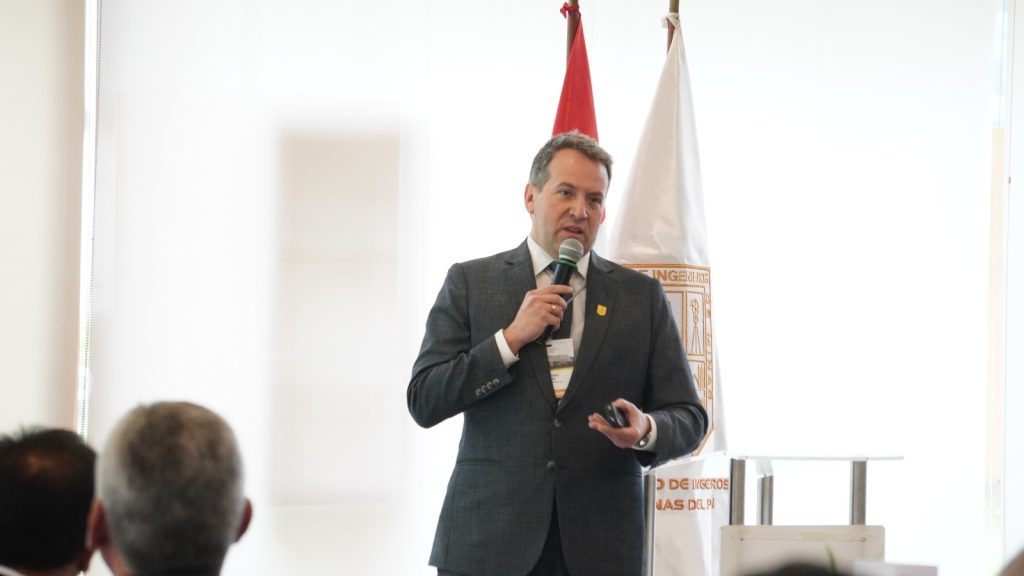
These projects remain in their early stages, and whether they can generate sustained returns or reach meaningful scale is a critical question under scrutiny. According to Wambui Mutoru, asset manager for Equinor's lithium projects, the answer should emerge within the next 3 to 5 years. Speaking on an expert panel at the Unconventional Resources Technology Conference (URTeC) in Houston, she noted that these projects are not yet fully proven but are on the verge of commercial viability.
Mutoru oversees Equinor's Southwest Arkansas lithium project, one of the most closely watched initiatives for commercializing direct lithium extraction (DLE) from underground brine. The first phase of this development, a joint venture with Standard Lithium, was originally expected to reach a final investment decision (FID) last year; the current target is approval by the end of this year.
The project focuses on the Smackover Formation, a long-depleted oilfield that now attracts industry investment due to its known large and high-concentration lithium brine deposits in the United States. Mutoru outlined the Arkansas project as well as earlier-stage developments in Texas during the conference.
The white powder that Equinor and other companies aim to produce is a key raw material for manufacturing cathodes, which are used in lithium-ion batteries. These batteries power electric vehicles, smartphones, military drones, and large-scale battery energy storage systems that support the power grid and renewable energy projects.
The U.S. government is eager for these new lithium projects to succeed in order to reduce dependence on China's critical minerals market. A 2025 analysis by the Center for Climate and Security shows that nearly three-quarters of U.S. lithium-ion battery imports come from China. To reduce vulnerabilities in the critical minerals supply chain, the U.S. government is providing financial support through a growing number of projects focused on domestic mining, processing, and battery manufacturing.
The U.S. Department of Energy has awarded a $225 million grant to support Equinor's Arkansas project. In July, the U.S. Department of Defense announced plans to purchase up to $300 million in battery-grade lithium carbonate over the next five years.
Related Products

Linyi Steel Investment Special Steel 2.7 Million Tons per Year High-quality Special Steel Project
Capital Engineering & Research Incorporation Limited
1050-1750mm Steel Strip Single-stand Reversible Cold Rolling Production Line
MCC-SFRE HEAVY INDUSTRY EQUIPMENT CO., LTD.
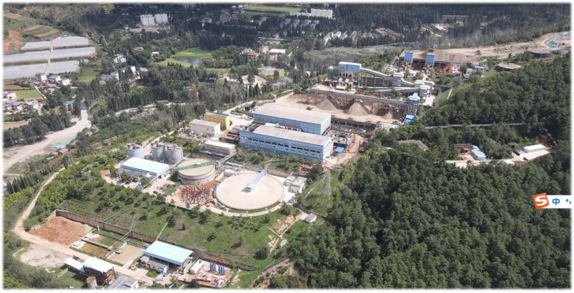
Yunnan Phosphorus Chemical Group Co., Ltd. 2 Million t/a Phosphorus Ore Mining and Beneficiation Project
China Bluestar Lehigh Engineering Corporation



Industrial and Commercial Point-Type Gas Detector
Jinan Benan Technology Development Co., Ltd.