Fed Holds Rates Steady, New York Gold Prices Fall 1.6%
en.Wedoany.com Reported - Gold futures on the New York Mercantile Exchange (Comex) settled at $4,037.86 per ounce last Friday, down 1.6% on the day, fully erasing gains made after the Fed's rate decision. The U.S. dollar index returned above the 100 mark, putting pressure on dollar-denominated precious metals. The front-month December contract fell 1.5% to $4,099.50; silver dropped 2.8% to $57.35, with its year-to-date decline widening to over 19%.
Interest rate risks continue to weigh on gold prices. The Fed kept its benchmark rate unchanged at 3.50%-3.75% on Wednesday, but the vote saw three dissents. Meanwhile, with oil prices above $90 per barrel, markets price in a 63% probability of a rate hike in September. Gold generates no interest income, and this rate outlook limits its upside potential.
Independent analyst Ross Norman told Reuters that gold is struggling to build significant upward momentum and remains in a correction phase within a broader structural bull market. Despite recent price declines, gold is still on track for its first monthly gain since February this month, though its year-to-date loss stands at 6.5%.
The global gold market is facing a simultaneous rise in output and costs. According to the World Gold Council's (WGC) Gold Demand Trends report, global gold mining output hit a record high of 966 tonnes in the second quarter; first-half production totaled 1,867 tonnes, up 3% from the same period in 2025.
All-in sustaining costs (AISC) also set a record, reaching $1,785 per ounce in the first quarter of 2026, up 5% quarter-over-quarter and 16% year-over-year. The WGC attributes the cost increase to higher royalties and corporate expenses, and expects additional cost pressures from higher energy prices stemming from the Middle East conflict.
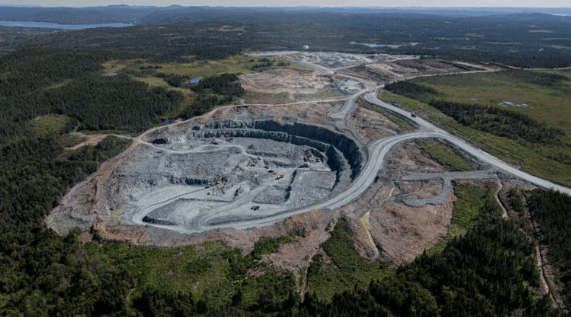
Despite rising costs, mining profitability remains strong. The average gold price in the first quarter was $4,872.90, implying a profit margin of roughly $3,100 per ounce. Projects such as Canada's Agnico Eagle Detour Lake mine, Chile's Gold Fields Salares Norte mine, and Rio2's Fenix mine, also in Chile, were key drivers of regional output growth, with Canada leading at 29% growth and Chile contributing 24%.
Official sector gold purchases reached 289 tonnes in the second quarter, a record for the period, up 62% from the same time in 2025. Poland's National Bank was the largest buyer with 51 tonnes; the People's Bank of China added 33 tonnes, its largest quarterly purchase since the fourth quarter of 2023.
Meanwhile, central bank selling has nearly vanished: Russia topped the seller list with just 22 tonnes sold. A WGC survey shows that 89% of central banks expect global gold reserves to rise next year, with 45% planning to increase their own holdings. Louise Street, senior analyst at the WGC, said central banks will remain significant buyers, though the pace of purchases may be slightly slower than over the past four years.
Investment demand showed a clear divergence. Investment demand excluding over-the-counter (OTC) trading fell 46% to 262 tonnes. Physically backed exchange-traded funds (ETFs) reduced holdings by 45 tonnes, with losses concentrated in June, when investors liquidated 74 tonnes.
The weakness was concentrated in North America, where ETF holdings fell by 61 tonnes in the first half, the worst performance since 2013. In contrast, Asian funds saw record inflows of 70 tonnes in the first half but recorded outflows of 15 tonnes in the second quarter. OTC trading and inventory flows reached 327 tonnes in the second quarter, up 91% year-over-year.
Jewelry consumption showed a trend of lower volumes but higher values. Global jewelry demand fell 17% to 278 tonnes, with China down 28% to 50 tonnes, its lowest second-quarter level in two decades; India declined 15% to 75 tonnes. However, the value of jewelry demand rose 14% to $40 billion in the second quarter, reflecting consumers shifting to lower-carat pieces in response to high prices.
Technology demand held steady at 80 tonnes, with growth in AI applications offsetting weakness in consumer electronics.
The WGC expects gold's trajectory in the second half to depend on the strength and structure of investment demand, with Asian central bank purchases and OTC activity as key drivers, while Western funds remain the weak link amid positive real interest rates and expectations of further rate hikes.
Related Products


Comprehensive Mining Automation Control System
Beijing Tianma Intelligent Control Technology Co., Ltd.
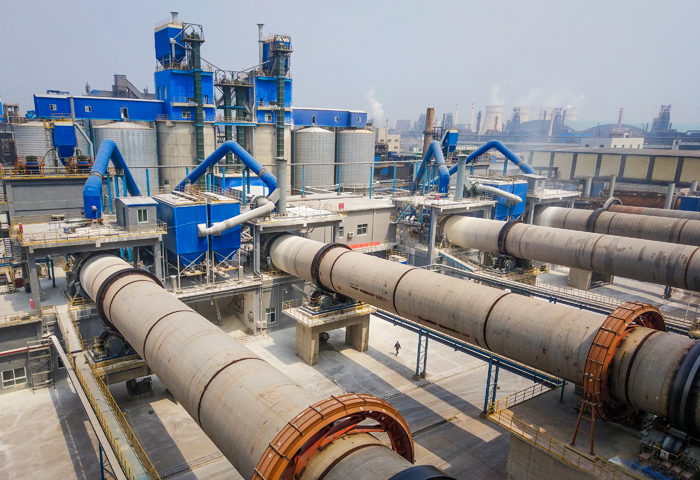
CITIC Heavy Industries Metallurgical Equipment Steel Smelting Engineering Equipment
CITIC Heavy Industries Co., Ltd.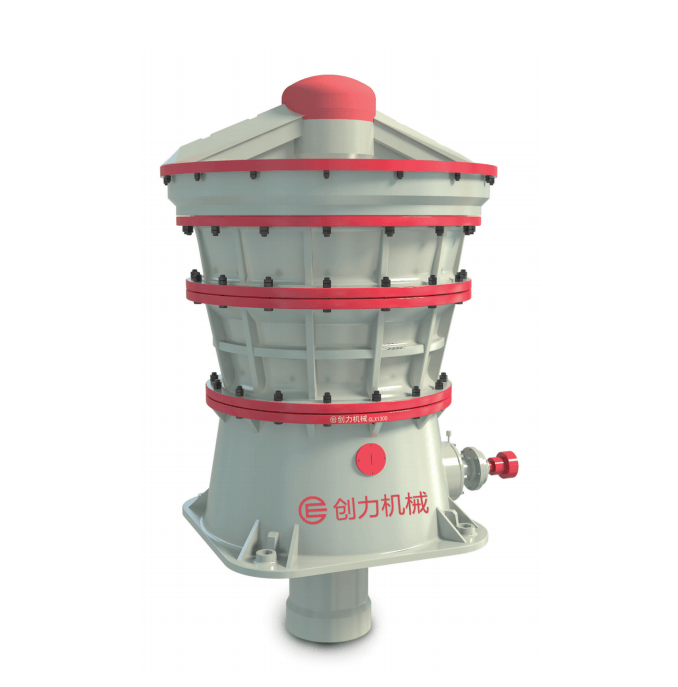
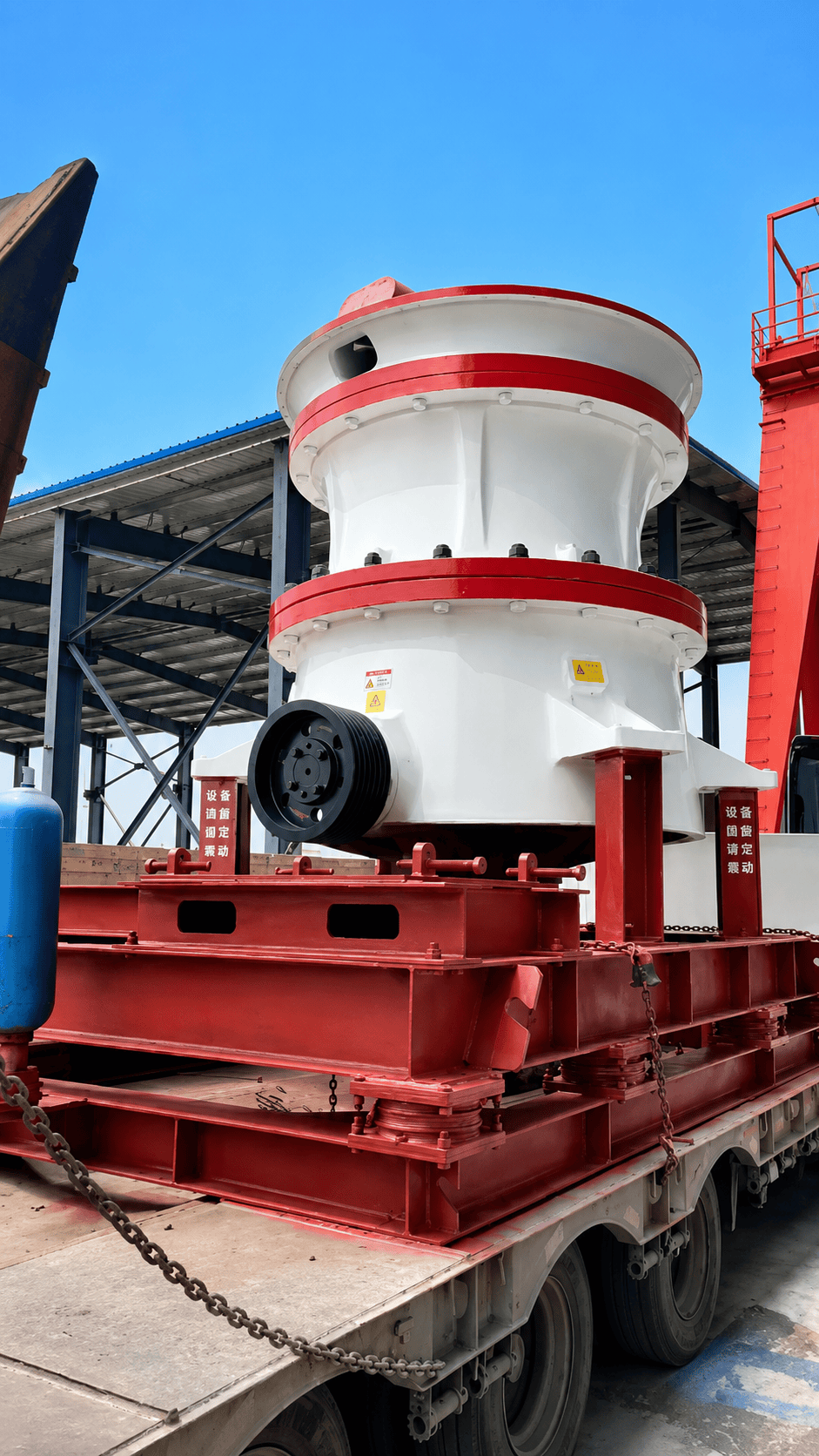
CLX Series Intelligent Hydraulic Gyratory Crusher
Guangdong CHUANGLI intelligent machinery Equipment Co., LTD

Industrial and Commercial Point-Type Gas Detector
Jinan Benan Technology Development Co., Ltd.
High-temperature Equal Wall Thickness High-power Screw Drilling Tool
Orient Energy & Technologies Co., Ltd.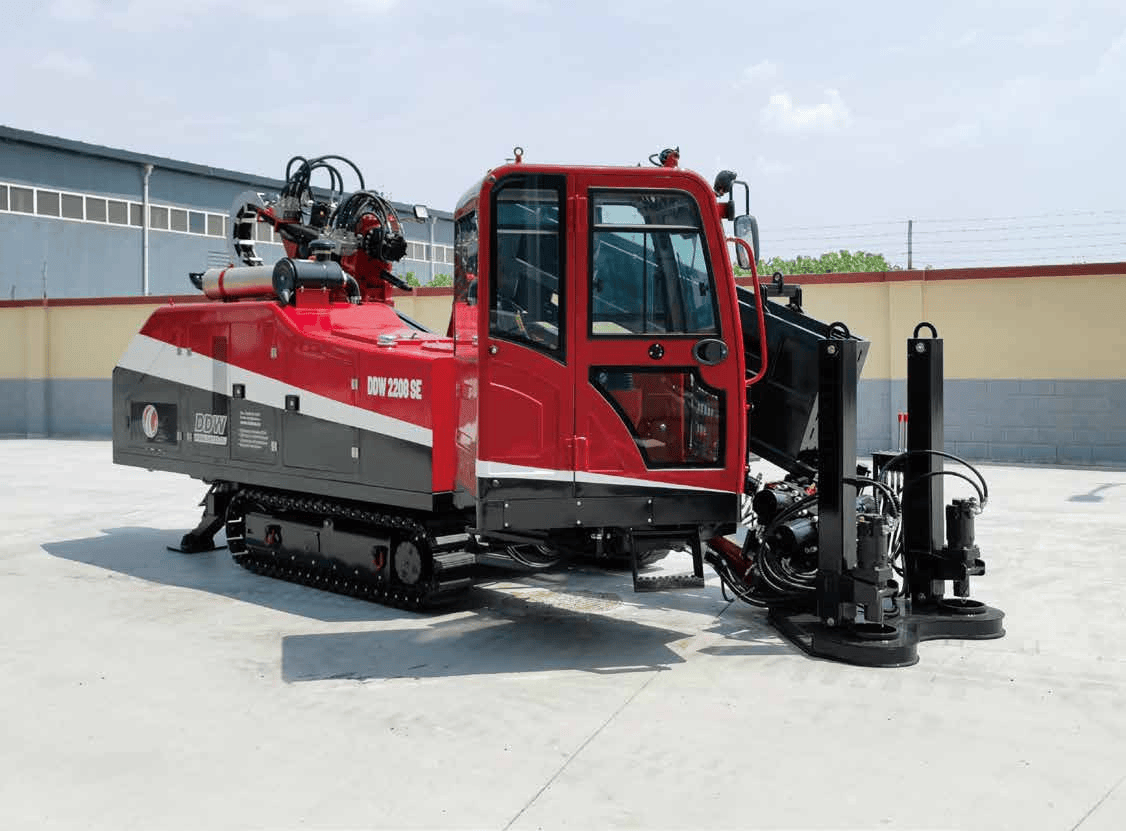
DDW22/08SE-HORIZONTAL DIRECTIONAL DRILL
DW/TXS Construction Equipment (Beijing) Co., Ltd.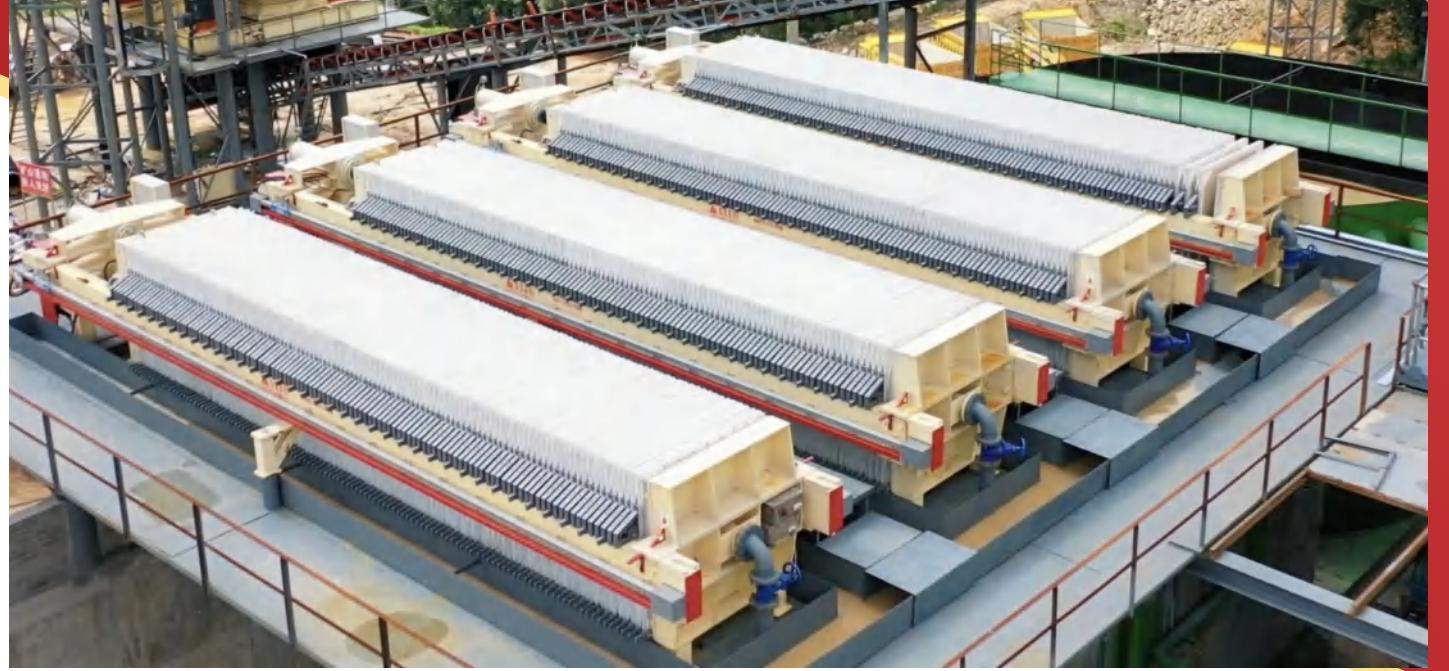
Hydraulic Plate and Frame Filter Press
Guangdong Leimeng Intelligent Equipment Group Co., Ltd.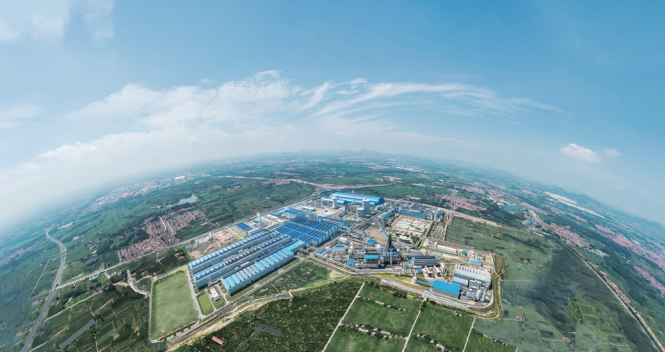
Linyi Steel Investment Special Steel 2.7 Million Tons per Year High-quality Special Steel Project
Capital Engineering & Research Incorporation Limited