Australia Wudinna Rare Earth Project Reagent Reduced by 40%, Recovery Rate Approximately 91%
en.Wedoany.com Reported - On September 16, Cobra Resources announced the latest metallurgical test results for the Wudinna rare earth project. The Australian Nuclear Science and Technology Organisation (ANSTO) completed 24-hour desorption tests on mixed samples from the Boland and Head exploration areas, testing rare earth recovery rates under different ammonium sulfate concentrations and acidity conditions. For the Boland samples, when the ammonium sulfate concentration was reduced from 0.5M to 0.3M, with reagent concentration reduced by 40%, the neodymium-praseodymium (NdPr) recovery rate decreased from 77% to 70%, retaining approximately 91% of the original recovery level.
The samples for this round of testing came from 26 sampling intervals across 24 drill holes. The Boland mixed sample had a total rare earth oxide grade of 605ppm, and the Head mixed sample had 706ppm. Boland was tested with 0.5M, 0.3M, and 0.1M ammonium sulfate, as well as acidified site groundwater with no ammonium sulfate added; Head was tested with 0.5M, 0.3M, and groundwater with no ammonium sulfate added. The pH range tested for Boland was 2.5 to 4, and for Head was 3 to 4.
Under the conditions of 0.5M ammonium sulfate and pH 3 for the Boland samples, the NdPr recovery rate was 77%; after the concentration was reduced to 0.3M, it was 70%. Under the same concentration adjustment, the dysprosium-terbium (DyTb) and heavy rare earth element recovery levels retained approximately 91% and 93%, respectively. When using acidified site groundwater with no ammonium sulfate added, the Boland samples still achieved a 51% NdPr recovery rate, a 46% DyTb recovery rate, and a 50% heavy rare earth element recovery rate.
For the Head samples under the conditions of 0.5M ammonium sulfate and pH 3, the NdPr recovery rate was 40%, lower than the 77% for Boland under the same conditions. In all Head test groups, the heavy rare earth recovery rates were higher than their NdPr recovery rates; after ammonium sulfate was reduced from 0.5M to 0.3M, the NdPr, DyTb, and heavy rare earth recovery levels retained approximately 90%, 91%, and 91%, respectively.
The tests also recorded changes in uranium leaching. Under pH 3 conditions for the Boland samples, when the ammonium sulfate concentration was reduced from 0.5M to zero, the uranium recovery rate decreased from 29% to 5%. For this set of data, only the two endpoints of 0.5M and zero ammonium sulfate have currently been published.
Cobra is preparing the maiden mineral resource estimate for the Wudinna rare earth project and plans to subsequently update the scoping study. Follow-up studies will combine recovery rates, reagent consumption, solution chemistry, and engineering design to determine the commercial operating parameters for the project's in-situ leaching scheme.
Related Products



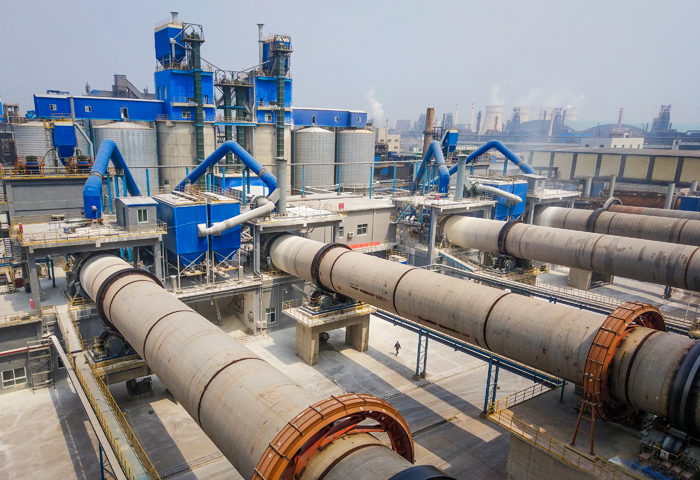
CITIC Heavy Industries Metallurgical Equipment Steel Smelting Engineering Equipment
CITIC Heavy Industries Co., Ltd.
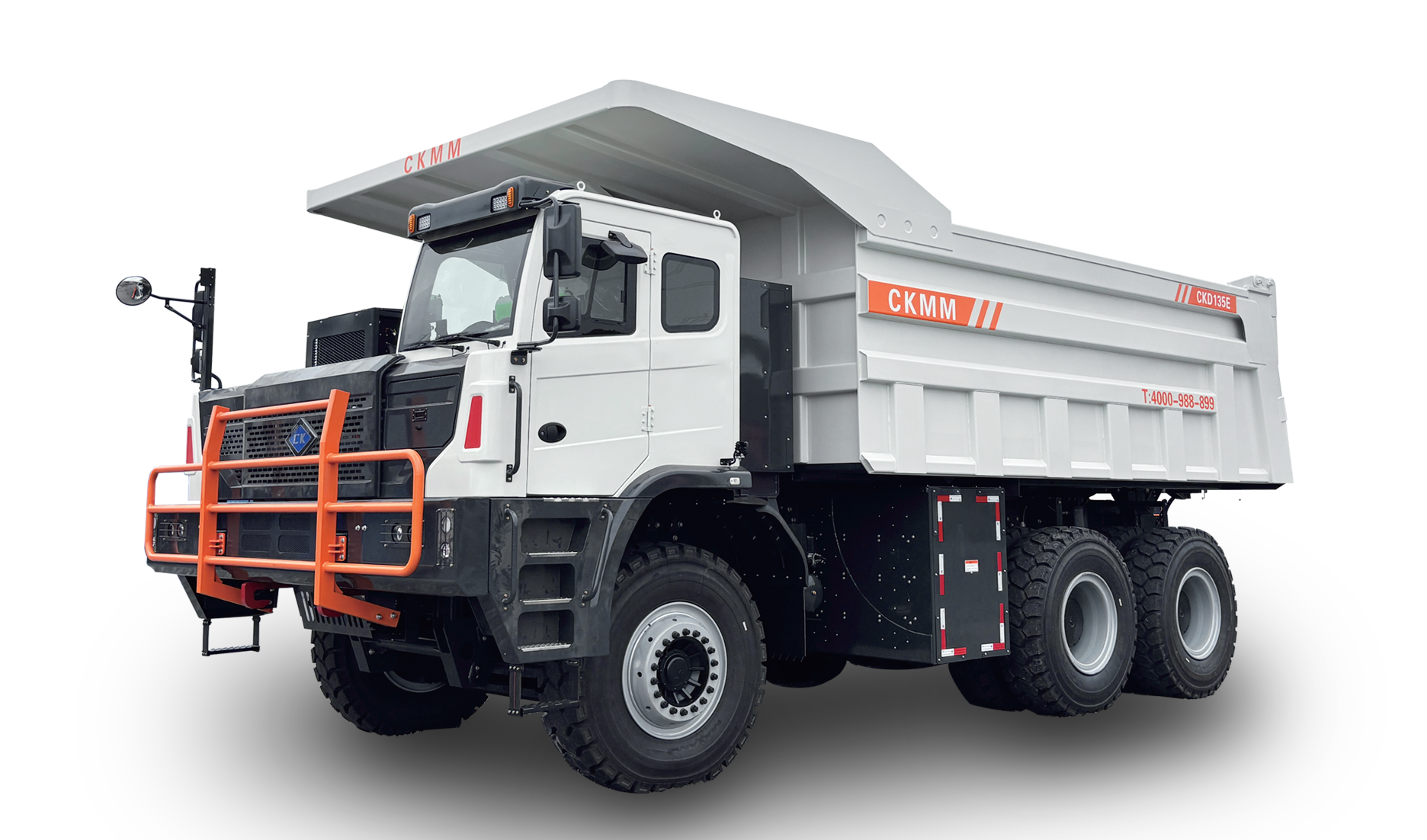
CKD135E Pure Electric Wide-body Dump Truck
Jiangsu Changkuang Engineering Machinery Co. Ltd.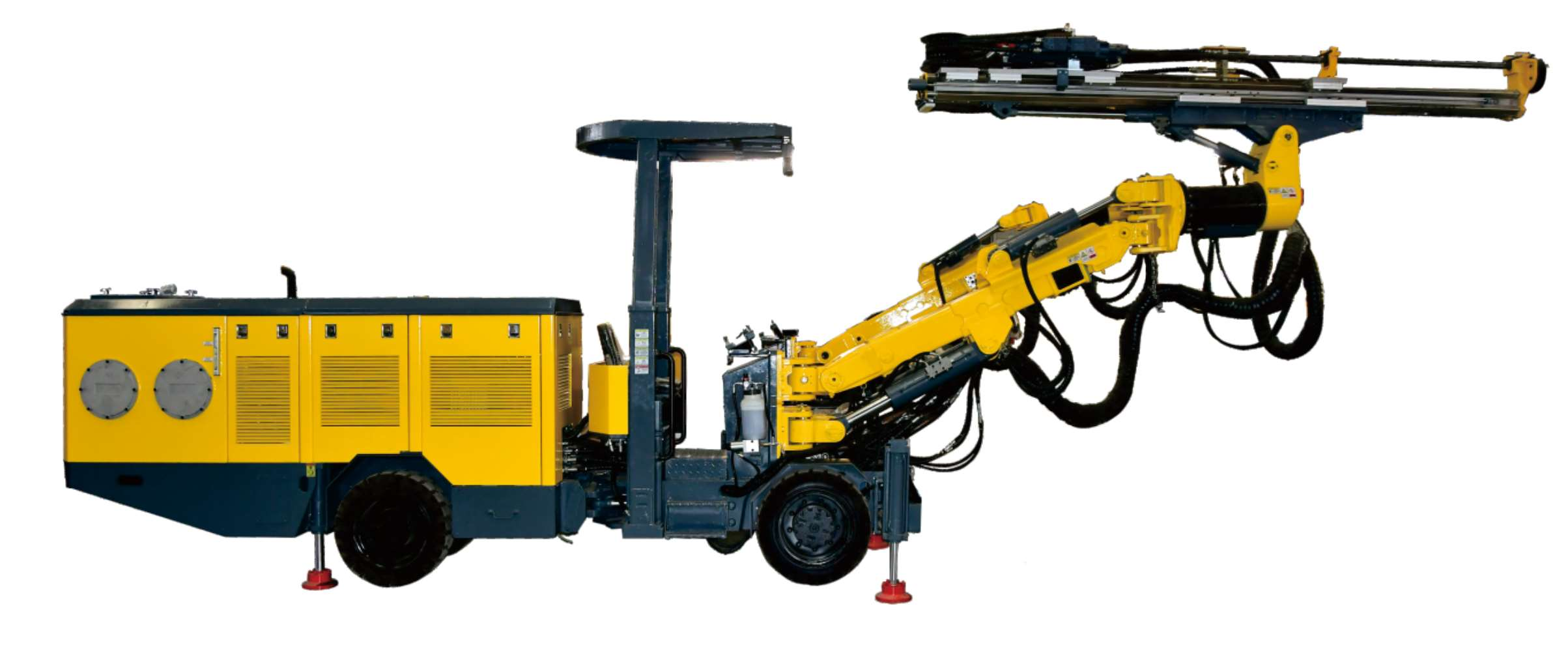

Mine Explosion-proof and Intrinsically Safe Industrial Ethernet Ring Network (10 Gigabit/Gigabit)
Chongqing Mas Sci&Tech Co., Ltd.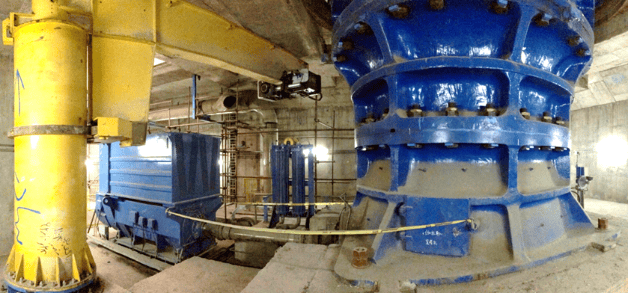
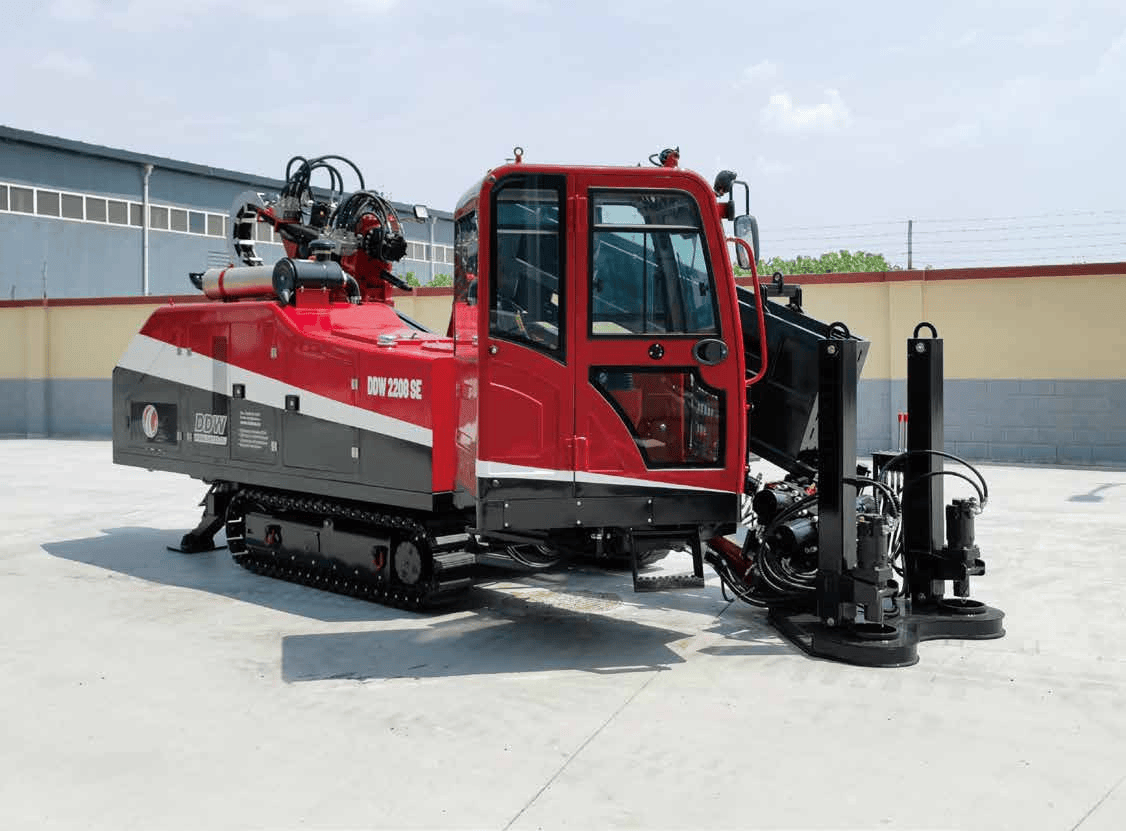
DDW22/08SE-HORIZONTAL DIRECTIONAL DRILL
DW/TXS Construction Equipment (Beijing) Co., Ltd.