Canada's Madsen Mine Produces 8,576 Ounces of Gold in Q2 2026, Up 51%
en.Wedoany.com Reported - Canadian gold company West Red Lake Gold Mines Ltd. (TSXV: WRLG | OTCQX: WRLGF) reported gold production of 8,576 ounces for the second quarter ended June 30, 2026, at its Madsen Mine in the Red Lake district of Ontario, a 51% increase from the 5,667 ounces reported in the first quarter of 2026. The 5,667-ounce figure was reflected in the financial results announced on May 27, 2026. The company declared commercial production at the Madsen Mine on January 1, 2026, with initial execution priorities including establishing underground development access, re-equipping the mobile fleet, and correcting survey deviations in historical legacy stopes.

The growth driven by this development-first strategy was not achieved by pulling high-grade stopes early, but rather through improved stope availability, increased mobile equipment utilization, and the systematic expansion of active underground working faces. Ounces mined during the period increased 73% to 10,459 ounces.
The primary operational challenges left by the previous operator of the Madsen Mine were severe equipment unreliability and constrained underground haulage capacity. In 2025, West Red Lake Gold directed capital toward renewing the mobile equipment fleet, introducing new underground trucks, loaders, and auxiliary equipment to support daily tonnage targets. By the second quarter of 2026, the arrival of the fleet resulted in markedly improved mechanical availability, with equipment uptime rising to 75% to 80%, allowing underground haulage cycles to keep pace with development and production schedules without frequent downtime restricting ore delivery to surface. Company President and CEO Shane Williams stated that the new equipment purchased last year arrived by year-end, and the company now operates seven or eight new trucks along with several new pieces of equipment; very little of the equipment inherited from the acquisition remains, and the fleet has progressively transitioned to newer units, thereby achieving 75% to 80% availability.
Second-quarter operating results released on July 15, 2026, showed underground ore mined increased 46% quarter-over-quarter, from 51,616 tonnes in the first quarter to 75,524 tonnes; the average daily underground mining rate was 878 tonnes per day, up 53% from 573 tonnes per day in the first quarter, and consistently exceeded 1,000 tonnes per day from mid-quarter onward. As the Madsen mill's permitted processing capacity is 800 tonnes per day, excess ore formed a 10,768-tonne surface stockpile by quarter-end, with surface inventory reaching nearly 15,000 tonnes entering the third quarter—equivalent to roughly two weeks of mill feed buffer, shielding milling operations from temporary underground sequencing delays. Williams explained that the mine cycles through six to seven stopes, including underground drilling, undercutting, stoping, and extraction; sorting out this sequence takes considerable time, and another quarter is still needed to reach the target. The company has also built a 15,000-tonne surface ore stockpile ahead of the mill.
During the process of rehabilitating historical mine plans, the engineering team discovered inaccurate survey data in legacy documents. The previous operator frequently encountered wall rock sloughing and dilution when working near improperly mapped historical stopes; updated underground surveys and closely spaced infill drilling revealed that unmined ore blocks are typically farther from old voids than historical drawings indicated. Based on the corrected survey data, the engineering team established clean, independent longhole stopes set back from historical voids. All production mined during the quarter used longhole open-stope methods rather than labor-intensive fill methods, thereby reducing mining dilution and increasing extraction rates at larger stope sizes. Williams stated that survey deviation issues were more pronounced when mining in old areas, but actual working positions were farther from existing stopes than previously thought—not immediately adjacent to old workings and therefore unmineable, as previously described; the company is establishing new stopes away from these areas to control dilution, increase extraction rates, and enlarge stope dimensions.
Regarding geological model and production reconciliation, the updated block model is based on over 200,000 meters of underground infill drilling (with hole spacing of 6 to 7 meters), and model-predicted grades closely match actual mill recovery rates. Second-quarter mined grade averaged 4.3 grams of gold per tonne, up 23% from 3.5 grams per tonne in the first quarter, driven by mining entering full ore blocks, including the 4447 mining area at South Austin. The 46% increase in tonnes mined to 75,524 tonnes, the 23% improvement in grade, and the 95% mill recovery rate combined to shift operating cash flow from breakeven in the first quarter to net cash accumulation, with voluntary debt repayment commencing. The first quarter of 2026 achieved cash breakeven at a production rate of approximately 2,000 to 2,500 ounces per month; with higher production in the second quarter, operations generated positive free cash flow. As development advances into lower-level mining areas such as 904 and 4447, management targets mined grades of 6 to 8 grams of gold per tonne in the second half of 2026. With mining rates exceeding mill capacity and infill drilling extending the mine plan into 2027 and 2028, the physical foundation of the Madsen Mine is sufficient to support the full-year 2026 production guidance of 35,000 to 45,000 ounces of gold.
From an execution risk perspective, haulage and mine sequencing risks were reduced in the second quarter, but achieving the aforementioned full-year production guidance still depends on two key variables: whether the daily underground mining rate can be sustained above 1,000 tonnes per day without creating stope sequencing bottlenecks; and maintaining the grade target of 6 to 8 grams of gold per tonne as mining progresses deeper into the 4447 and 904 mining areas requires ongoing infill drilling at 6- to 7-meter spacing to prevent grade dilution in lower-level ore blocks.
Related Products
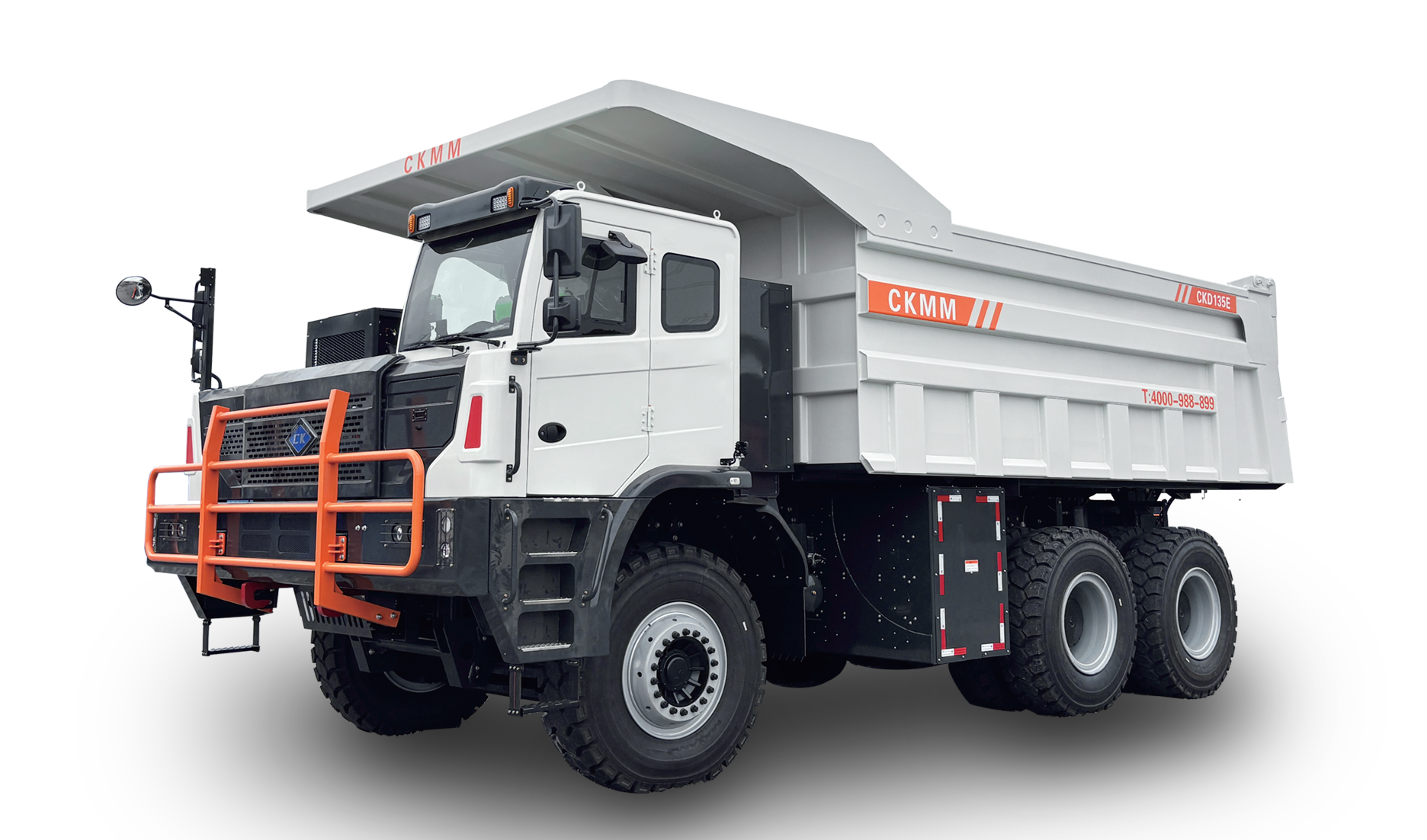

CKD135E Pure Electric Wide-body Dump Truck
Jiangsu Changkuang Engineering Machinery Co. Ltd.
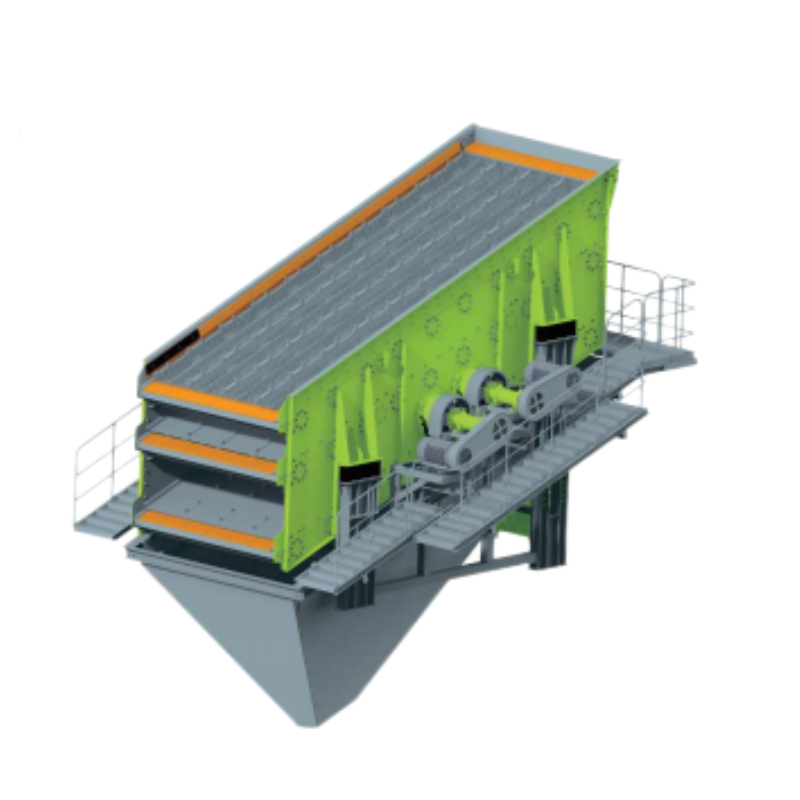
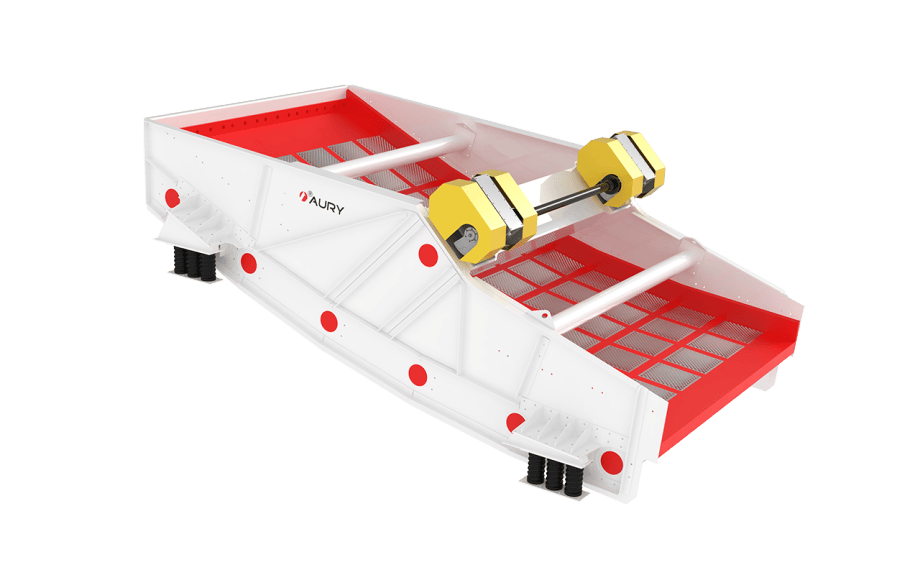
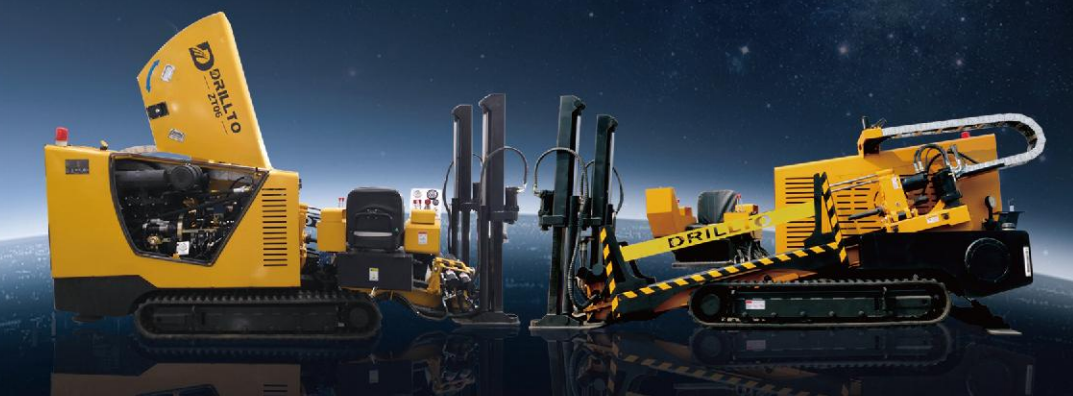
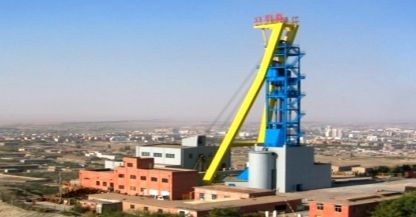
Core Technologies of the Mining Technology and Equipment Business Unit: Efficient Mining Methods and Processes
CHANGSHA INSTITUTE OF MINING RESEARCH CO., LTD.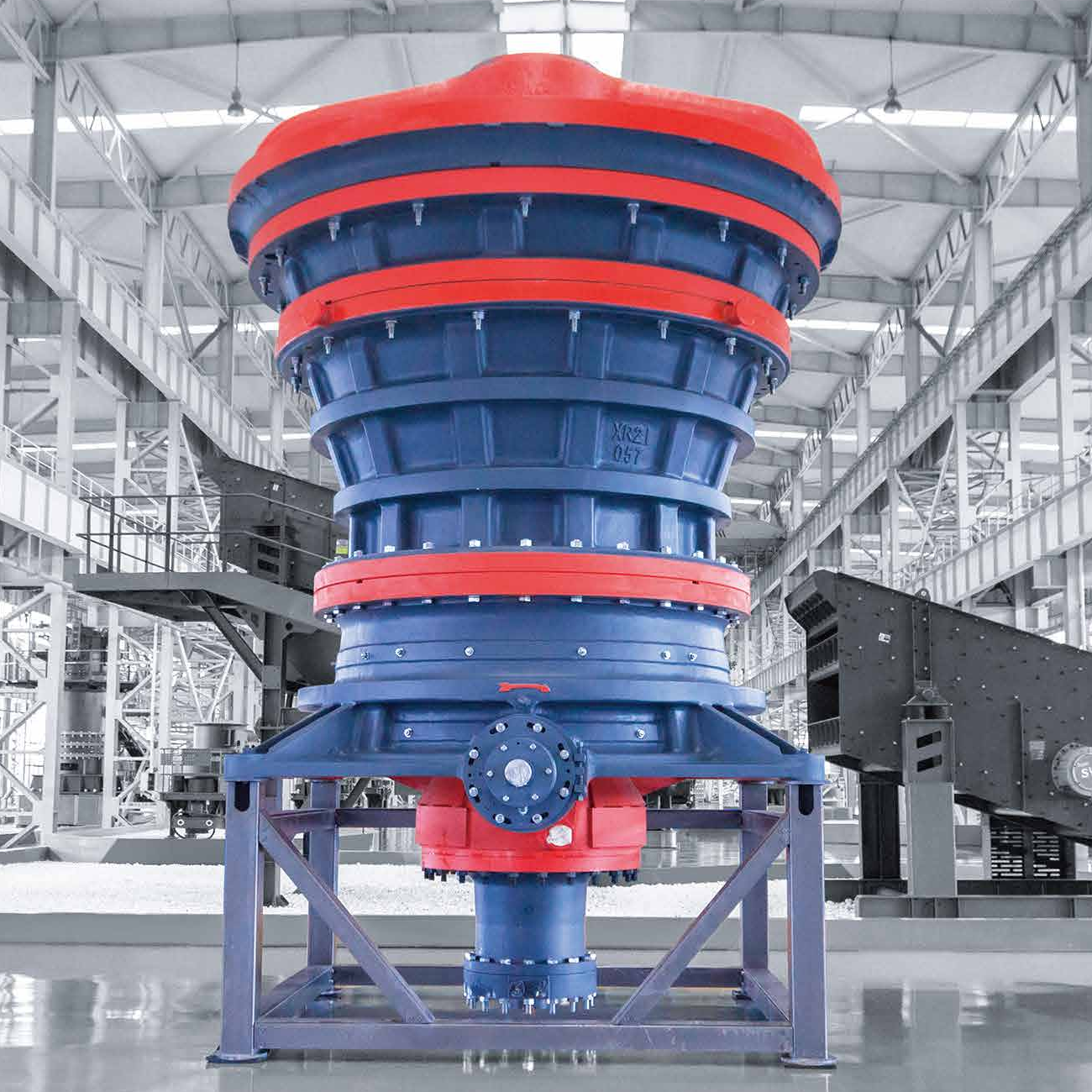
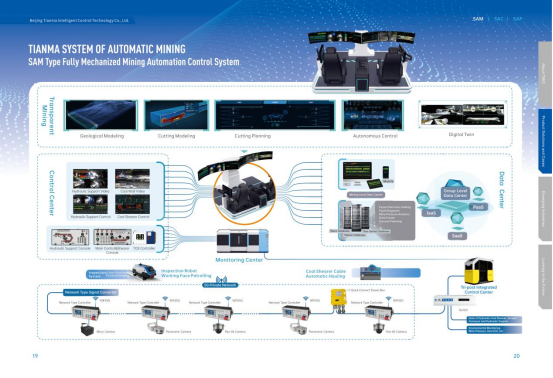
Comprehensive Mining Automation Control System
Beijing Tianma Intelligent Control Technology Co., Ltd.
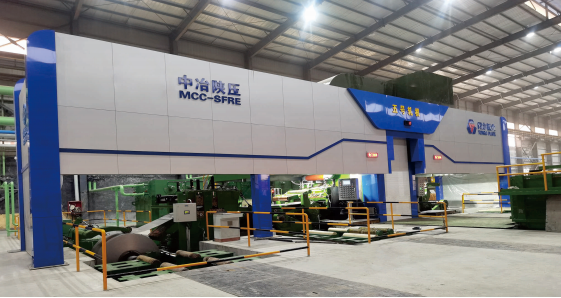
1050-1750mm Steel Strip Single-stand Reversible Cold Rolling Production Line
MCC-SFRE HEAVY INDUSTRY EQUIPMENT CO., LTD.