Bauru's ETE Vargem Limpa Wastewater Treatment Plant Restoration Begins, Aiming for 100% Sewage Treatment
en.Wedoany.com Reported - The restoration project for the Vargem Limpa Wastewater Treatment Plant (ETE Vargem Limpa) in Bauru, Brazil, has been launched. The project employs the Dutch Nereda technology, complemented by biogas power generation and sludge resource recovery facilities. Upon completion, Bauru will achieve 100% sewage treatment for the first time.
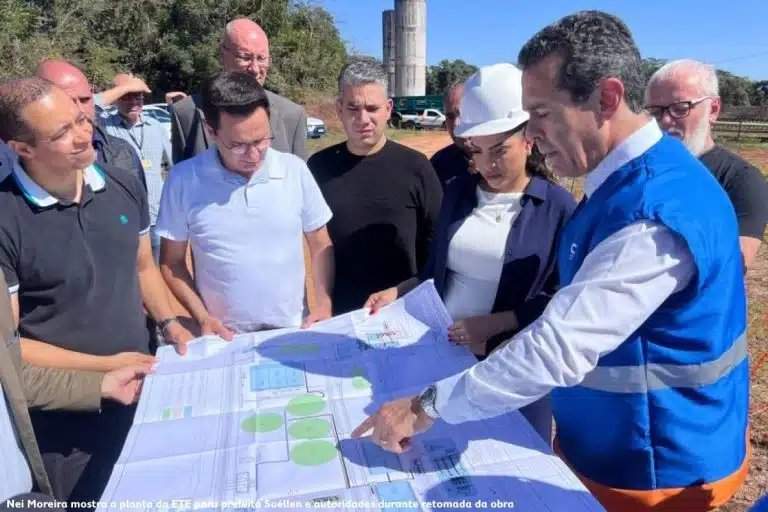
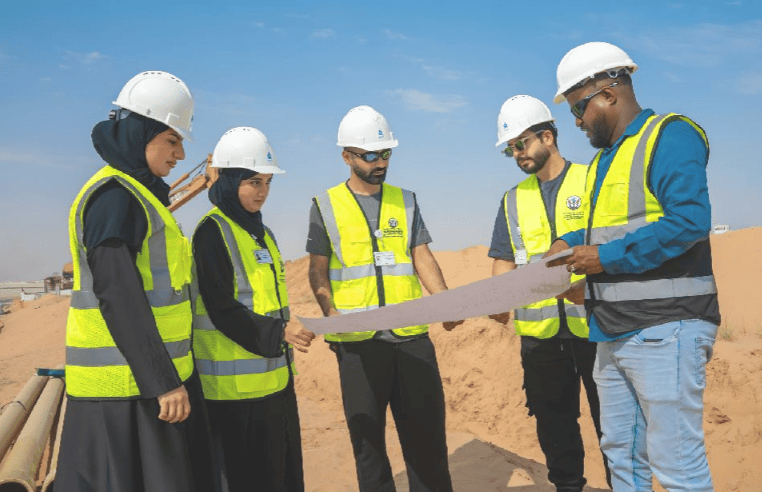
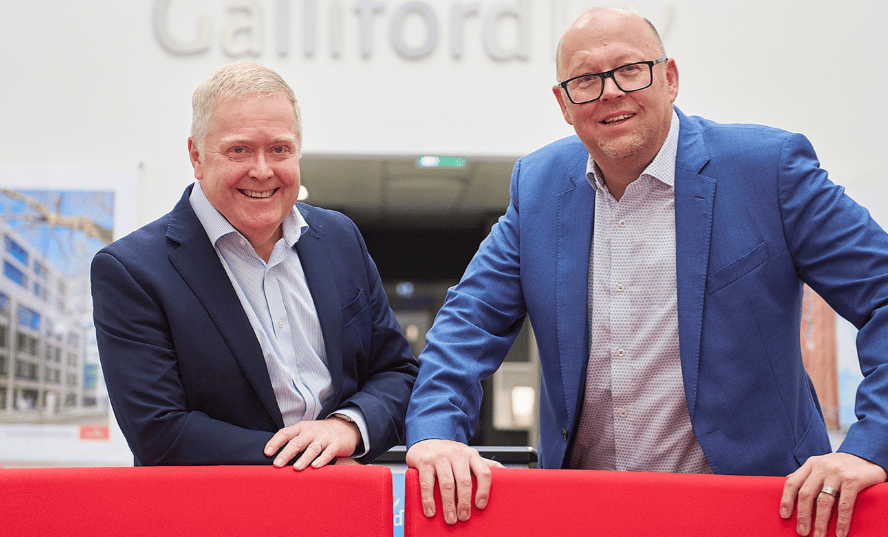
During a technical site inspection of the project, Nei Moreira, Chairman of the Bauru Sanitation Consortium (CSB), and Renato Camargo, Operations Director, presented the project details. They were accompanied by Mayor Suéllen Rosim, João Carlos Viegas de Souza, Superintendent of the Water and Sewage Department (DAE), Pérola Zanotto, Municipal Secretary of Infrastructure, Renato Purini, Government Secretary, Leonardo Marcari, Chief of Staff, and City Councilors Markinho Souza, André Maldonado, Sandro Bussola, Marcelo Afonso, and Edson Miguel. Staff from the City Hall, DAE, and CSB also participated in the technical inspection.
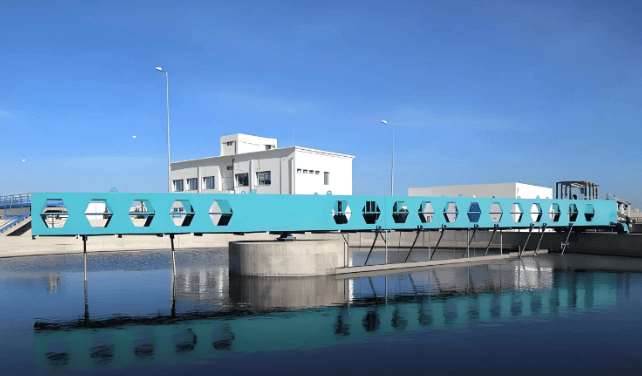
The core technology of the wastewater treatment plant adopts the Dutch Nereda process, a biological reactor system based on granular sludge, designed to remove phosphorus and nitrogen. These two substances are responsible for the degradation of rivers and the proliferation of aquatic plants in the Tietê River (Rio Tietê); the Bauru River (Rio Bauru) flows into the Tietê River, and this pollution issue has already impacted the Tietê-Paraná Waterway (Tietê-Paraná).
Moreira stated that the project was designed according to technical standard solutions, with the goal of placing the plant among the ten most efficient wastewater treatment plants in Brazil. He noted that the phosphorus and nitrogen removal standards planned for the project are not currently achieved by any operating plant using this technology.
The construction will include new circular reactors and entirely new foundations, replacing structures from the original project that were damaged by cracks and structural issues. Moreira stated that this decision aims to ensure greater operational safety and efficiency over the 30-year concession period.
The project plans to generate electricity from biogas produced by anaerobic digesters. Camargo explained that gases generated during sludge treatment will be converted into electrical energy, all of which will be reused within the plant. The plant will not be fully self-sufficient initially, with energy production to be gradually increased.
After anaerobic digestion and composting, the sludge will be converted into agricultural fertilizer, with a daily output of approximately 80 tons, available for external sale. Moreira stated that this solution is environmentally appropriate and beneficial to rural producers, and that waste materials such as branches and pruning residues can also be incorporated into the composting process. Revenue from compost sales will be shared with the city government in accordance with the concession contract.
Mayor Suéllen Rosim noted that Bauru's current sewage treatment rate is below 5%, and this project will help the city move away from one of its worst sanitation indicators, achieving 100% sewage treatment for the first time. She believes that the modernization of the wastewater treatment plant will also improve environmental indicators, boost the local economy, and make Bauru more attractive to new investments. She described the project as "a commitment to future generations."
The Vargem Limpa Wastewater Treatment Plant is scheduled to become operational within 36 months (3 years). Suéllen stated that the delivery commitment to the citizens of Bauru will be fulfilled, even if it means pressing the button to start the plant's machinery at the last minute, by December 31, 2028.
The restoration project also covers the drainage system on Avenida das Nações. Suéllen stated that after nearly 30 years, Bauru will have a city with treated sewage, and Avenida das Nações will become a street that no longer floods.
Related Products
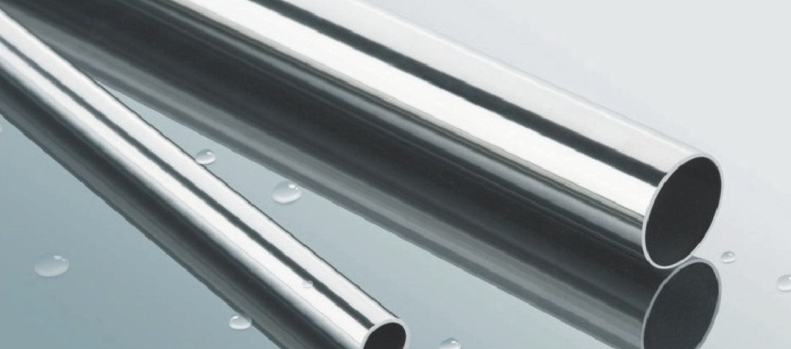

ERW Welded Pipe (Black Pipe and Hot-dip Galvanized Steel Pipe)
Handan Zhengda Steel Pipe Co., Ltd.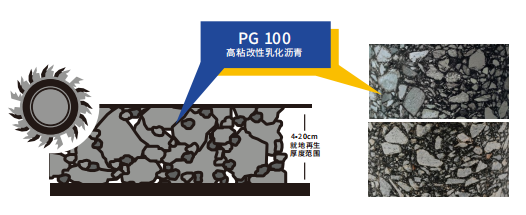
High-toughness in-Situ Cold Recycling Technology for Original Structural Layers
Central Fortune Creation Technology Group Co., Ltd.
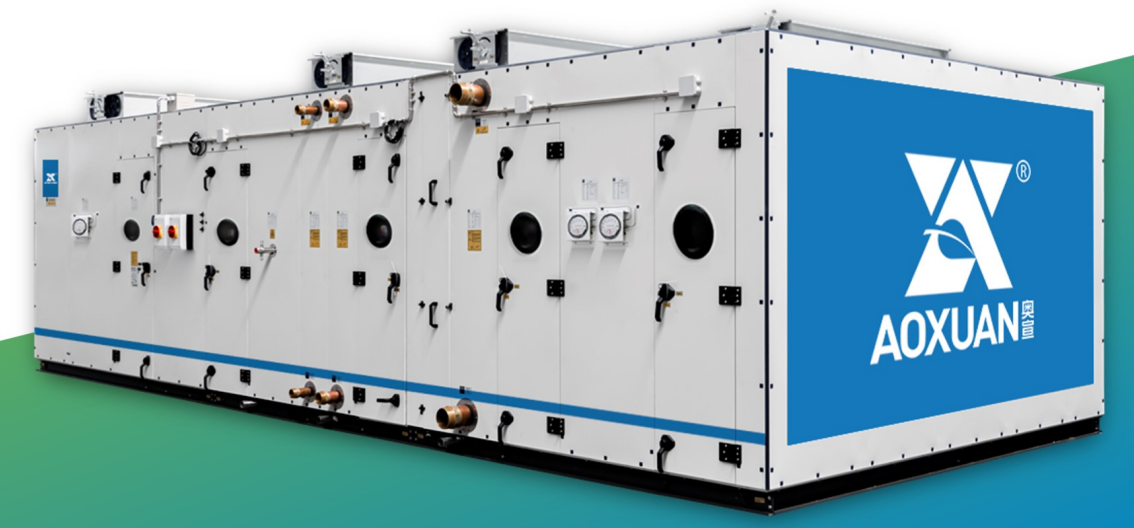
Aoxuan Intelligent Precision Air Conditioning Unit
SHANGHAI AOXUAN PURIFICATION TECHNOLOGY CO., LTD.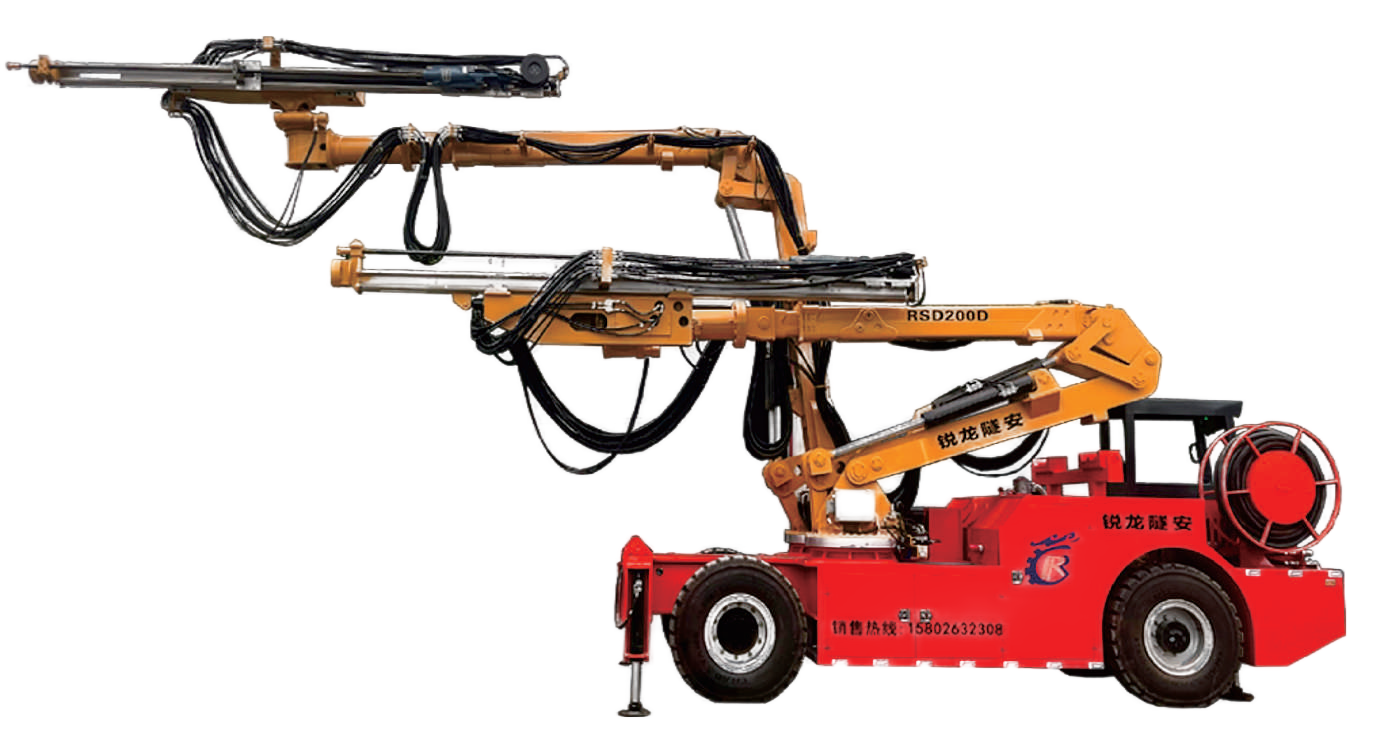
Dual-curved Arm Rock Drilling Trolley RSD200D
Chengdu Ruilong Machinery Manufacturing Co., Ltd.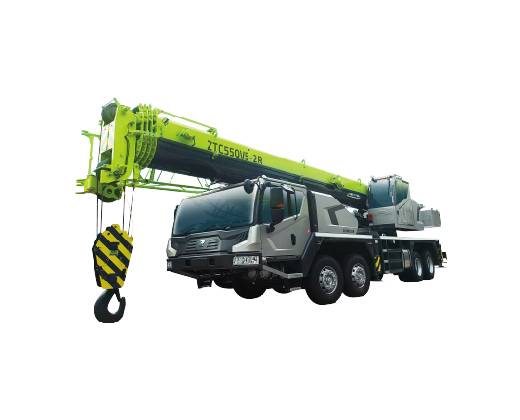
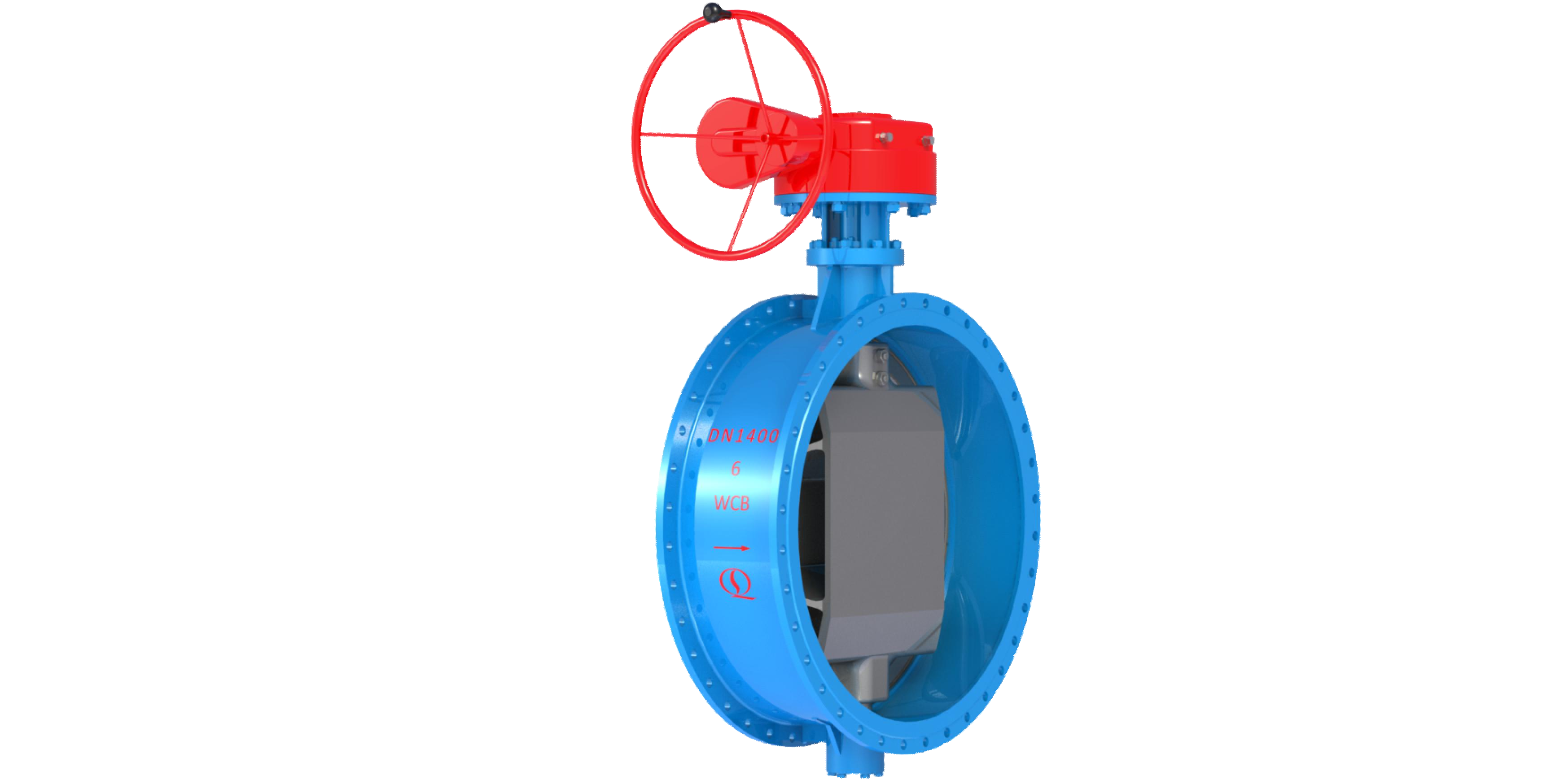
Bidirectional Metal Hard Sealed Seawater Butterfly Valve
Henan Quanshun Flow Control Science & Technology Co., Ltd.