Wedoany.com Report-May 30, Energy Transfer LNG Export, a subsidiary of U.S.-based Energy Transfer, has signed a multi-year sale and purchase agreement (SPA) with Japan’s Kyushu Electric Power Company to supply liquefied natural gas (LNG) from its proposed Lake Charles LNG project on Louisiana’s Gulf Coast. The agreement stipulates that Energy Transfer LNG will deliver up to 1 million tonnes per annum (mtpa) of LNG to Kyushu on a free-on-board (FOB) basis for 20 years, pending a positive final investment decision (FID) and other conditions.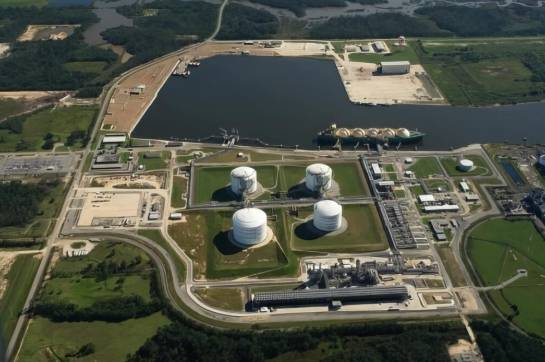
Tom Mason, President of Energy Transfer LNG, stated: “We are proud to be selected as an LNG supplier by Kyushu, one of Japan’s leading energy companies. Kyushu has been supportive of Lake Charles LNG for a long time and we appreciate their loyalty.” He added: “We are also pleased that Lake Charles LNG continues to make strong strides toward full commercialization.” The deal marks Kyushu’s first long-term LNG procurement contract from the U.S., diversifying its energy sources.
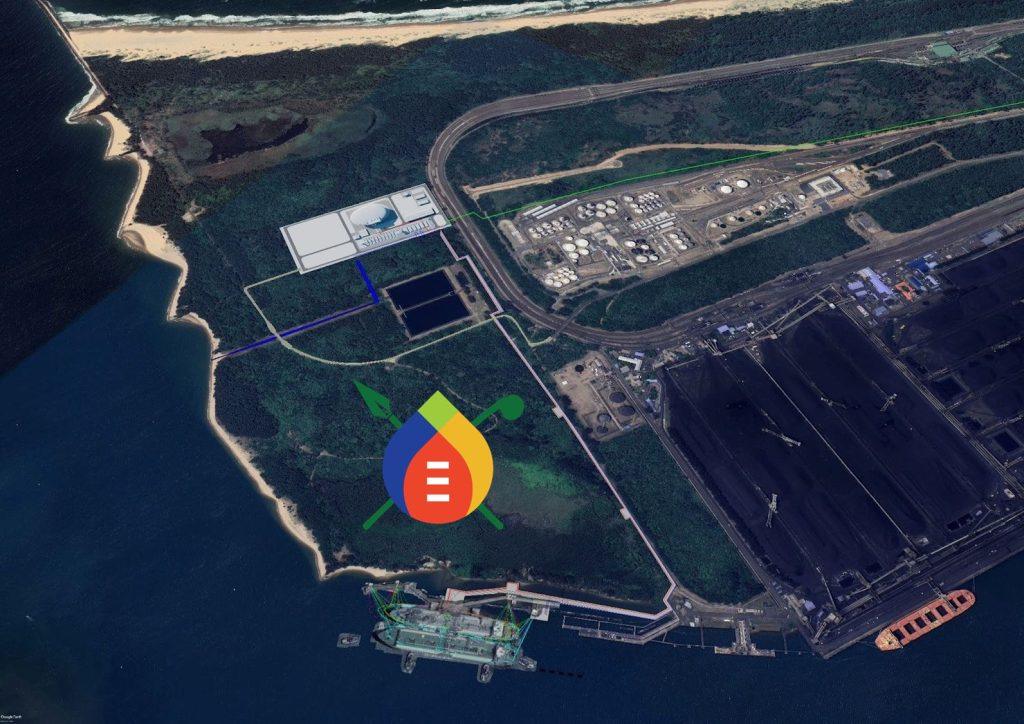
The agreement’s lack of destination restrictions allows Kyushu to adjust LNG receipt timing or sell to other companies based on demand fluctuations, enhancing flexibility in electricity procurement. A similar 20-year, 2 mtpa FOB deal was signed with Chevron in December 2024, also contingent on the project’s FID. The Lake Charles project involves converting an existing LNG import and regasification terminal into an export facility, utilizing four storage tanks, two deep-water berths, and existing infrastructure.
The terminal benefits from direct access to Energy Transfer’s Trunkline pipeline system, connected to major U.S. gas-producing basins, including Haynesville, Permian, and Marcellus Shale. In September 2024, Technip Energies and KBR were appointed to handle engineering, procurement, manufacturing, and construction (EPFC) for the export terminal, which will have a capacity of 16.45 mtpa upon completion. Recently, MidOcean signed a heads of agreement to fund 30% of construction costs in exchange for 30% of the LNG output, approximately 5 mtpa.
The project supports Japan’s energy needs through LNG imports while enhancing the U.S.’s role in global energy supply, fostering economic benefits without altering domestic consumption patterns in either country.