Smart Monitoring and DCIM Become Key to AI Data Centers in India
en.Wedoany.com Reported - As India's digital economy continues to expand, driven by cloud computing, artificial intelligence (AI), and high-performance computing (HPC) workloads, the management of underlying data center infrastructure is becoming increasingly complex. Modern facilities support critical services such as banking and healthcare, and their operations depend on interconnected systems including servers, storage, networking, power, cooling, and environmental controls—making manual management no longer viable. Advanced data center monitoring and Data Center Infrastructure Management (DCIM) solutions have become essential to ensuring system reliability, operational efficiency, and continuous uptime.
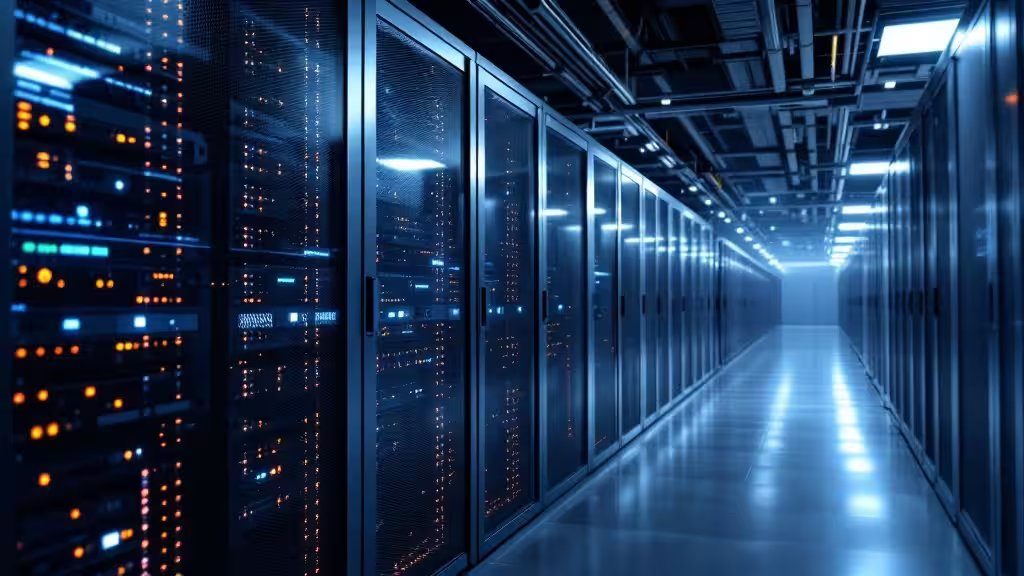
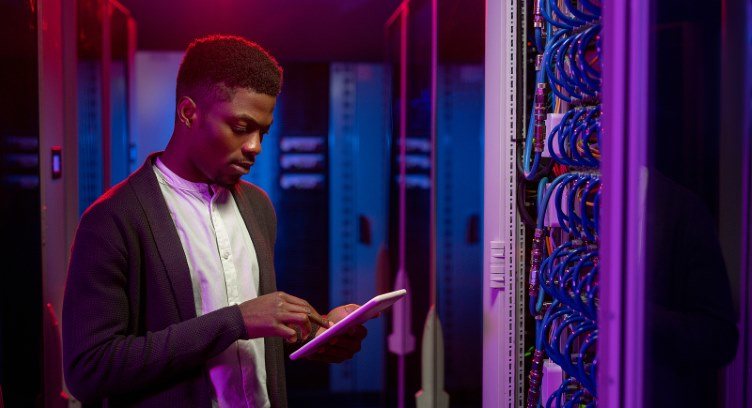
Data center monitoring refers to the continuous collection, analysis, and display of data from IT systems and physical infrastructure, providing operators with real-time visibility into system health, performance, availability, and efficiency, and helping to identify and resolve issues before business operations are affected. Unlike traditional monitoring that focuses only on servers, this approach covers both IT and facility infrastructure, tracking servers and network equipment as well as environmental and physical conditions. Modern solutions collect data through sensors, software agents, Internet of Things (IoT) devices, and network protocols, which are then analyzed for use in dashboards, alerts, reports, and predictive insights.
DCIM is a software-based management approach that integrates monitoring, asset management, capacity planning, energy management, and analytics into a unified platform, providing a holistic view of IT and facility operations and bridging the traditional divide between IT and facilities teams. The two teams can coordinate maintenance and make joint decisions based on shared operational data. The platform's core capabilities span multiple areas: asset management tracks equipment location, configuration, ownership, and maintenance history; power monitoring provides energy consumption visibility at the facility, room, rack, and equipment levels; cooling management monitors temperature, airflow, and cooling systems to prevent overheating; capacity planning assesses available space, power, cooling, and network resources to support future growth; environmental monitoring tracks conditions such as temperature, humidity, airflow, and leaks; workflow and change management documents installations, maintenance, and upgrades; and reporting and analytics provide dashboards and historical insights for planning and compliance.
The rapid growth of AI workloads has further elevated the importance of DCIM. High-density graphics processing unit (GPU) clusters require significantly more power and cooling than traditional servers, making manual management increasingly difficult. In such environments, DCIM platforms provide essential visibility into rack density, power capacity, thermal conditions, and cooling performance. Modern DCIM systems can also track efficiency metrics such as Power Usage Effectiveness (PUE) to identify wasted resources and help reduce energy consumption, supporting sustainability goals.
Effective data center monitoring and DCIM directly contribute to improved uptime and reliability. They can detect early warning signs of hardware failures, power issues, or environmental changes, and reduce costs and improve efficiency by identifying wasted resources and optimizing infrastructure usage. By tracking power consumption, cooling performance, and PUE, these systems support energy optimization and sustainability objectives. Continuous monitoring also helps prevent equipment failures by detecting issues such as overheating or voltage fluctuations early, and supports capacity planning by providing historical data on resource utilization. Monitoring platforms can also detect environmental risks and infrastructure anomalies while maintaining audit trails, enhancing security and compliance.
Modern data centers rely on numerous interconnected systems, and monitoring critical components helps identify problems early and avoid major failures. Power infrastructure requires tracking of uninterruptible power supplies (UPS), power distribution units (PDU), generators, and batteries; cooling infrastructure includes computer room air conditioners (CRAC), computer room air handlers (CRAH), chillers, and liquid cooling systems; environmental conditions are measured through sensors for temperature, humidity, vibration, and smoke; IT equipment covers servers, storage systems, virtual machines, and applications, as well as GPU utilization and accelerator temperatures in AI scenarios; network infrastructure tracks bandwidth, latency, packet loss, and device health across switches, routers, and firewalls; storage infrastructure focuses on capacity, latency, input/output operations per second (IOPS), and disk health; physical security systems track access control, cameras, and alarms to detect unauthorized activity; fire detection and safety systems ensure smoke detectors, heat sensors, and suppression systems are functioning properly; and rack-level infrastructure monitors power consumption, temperature, airflow, and humidity at the rack level, which is especially important for high-density AI and HPC environments. When this data is integrated into a unified DCIM platform, operators gain a complete view of facility operations, enabling them to understand relationships between systems and respond proactively.
The future direction of data center monitoring lies in intelligent automation. AI-driven DCIM platforms can enhance predictive maintenance, optimize energy usage, and support autonomous operations, while digital twins, edge monitoring, and advanced sustainability analytics are also emerging trends. However, implementing effective monitoring still faces challenges, including managing massive volumes of data, intelligent alert management, integrating legacy and multi-vendor equipment, maintaining accurate asset information, and ensuring robust cybersecurity. Successful adoption requires skilled teams, careful planning, and appropriate investment.
These management principles apply directly to India's rapidly expanding data center market. Data center operators and enterprises in India can leverage DCIM and AI solutions to manage increasingly complex infrastructure, improve efficiency, and prepare for growing AI and cloud demand. Adopting advanced monitoring and DCIM helps address the power, cooling, and operational resilience challenges prevalent in the Indian environment, ensuring facilities are future-ready and sustainable. This strategy remains critical to maintaining competitive advantage and supporting the nation's digital transformation initiatives.
Related Products


Comprehensive Mining Automation Control System
Beijing Tianma Intelligent Control Technology Co., Ltd.
20 Inch 1600*900 Full HD 60Hz TFT LED Monitor with VGA and DP Interfaces for Desktop Computers-Business Use
Guangzhou Zanying Optoelectronics Technology Co., Ltd.

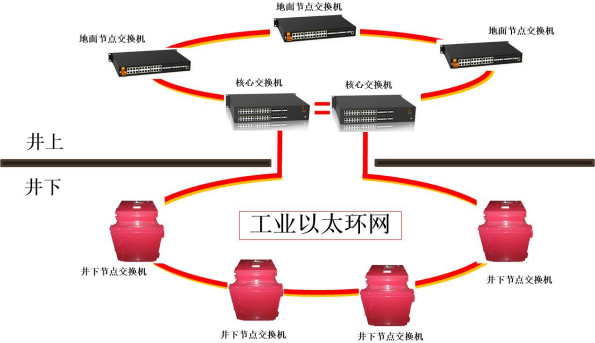
Mine Explosion-proof and Intrinsically Safe Industrial Ethernet Ring Network (10 Gigabit/Gigabit)
Chongqing Mas Sci&Tech Co., Ltd.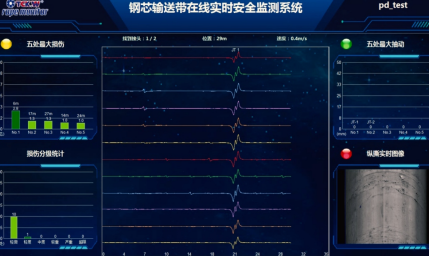
Conveyor Belt Intelligent Monitoring System
LUO YANG WIRE ROPE INSPECTION TECHNOLOGY CO., LTD.
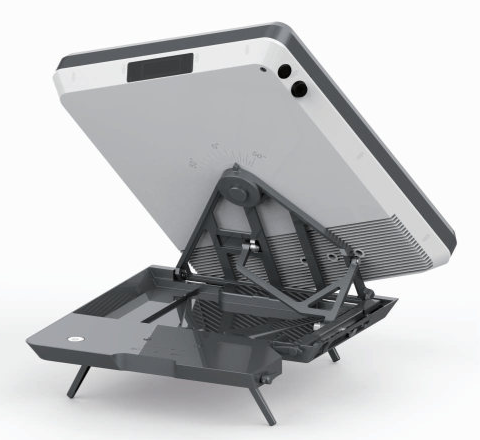
Flat Portable Satellite Terminal 0.35m Aperture Manual Portable Terminal
China Starwin Science & Technology Co., Ltd.