U.S. Senators Propose $700 Million Microgrid Bill
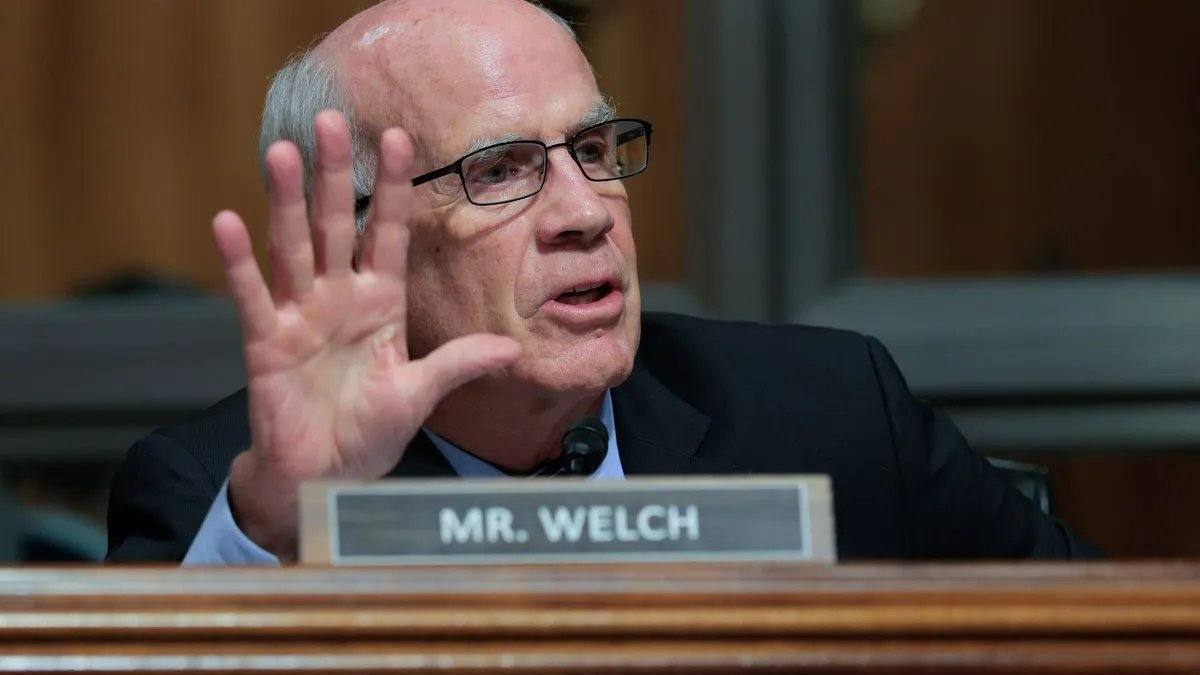
en.Wedoany.com Reported - U.S. Senator Peter Welch has introduced a new bill aimed at advancing the deployment and application of microgrid technology across the United States through a $200 million pilot program and $500 million in state energy grants.
Ferrer of the National Electrical Manufacturers Association (NEMA) stated that over the past four to five years, discussions across the nation's power sector have largely centered on the "macro grid," ultimately shaping the current debate over how to rapidly connect growing large-scale loads, such as data centers, to the grid. As these discussions have focused on the associated challenges, particularly reliability concerns, microgrids have become increasingly prominent.
Ferrer said NEMA's support for the Welch bill extends beyond its specific provisions to broadening state governments' and regulators' understanding of the technology and its ability to enhance the grid. Microgrids can offer grid modernization options for constrained systems while unlocking capacity to serve loads of all sizes, from electric vehicle charging stations to data centers and manufacturers. Ferrer noted that microgrids are a tool that helps provide more options to connect these customers to the grid in a responsible and reliable manner.
Under the bill, the U.S. Department of Energy (DOE) would establish a $200 million pilot program within one year to award competitive grants for projects demonstrating microgrid capabilities, including: providing ancillary grid services and supply-demand management; aggregating distributed energy resources into virtual power plants; facilitating load shifting to alleviate transmission congestion; and managing voltage instability or collapse.
The bill would also allocate $500 million for state energy program grants, with uses including: conducting microgrid needs assessments or feasibility studies; designing and engineering microgrids, including procuring technical assistance; constructing microgrids and their energy resources, including generation assets and energy storage; and implementing advanced cybersecurity systems.
Welch said in a statement that the U.S. grid is under more pressure now than at any point in history, and extreme weather events are exacerbating that strain. The bill aims to harness the potential of microgrids to help keep essential services online and reduce the economic impact of natural disasters.
In May of this year, NEMA projected that annual U.S. electricity consumption would grow by more than 55% by 2050.
Karen Wayland, CEO of the GridWise Alliance, said in a statement that as grid operators issue resource adequacy warnings and utilities raise demand forecasts at unprecedented rates, leveraging local resources is increasingly becoming a vital way to protect communities from reliability risks. Wayland noted that Welch's legislation provides a faster path to microgrid deployment for high-risk areas, where expanding or hardening traditional infrastructure can take years.
Related Products


Hydrogen production and hydrogenation charging refueling gas integrated energy station
Shenzhen Kohodo Hydrogen Energy Co., Ltd.
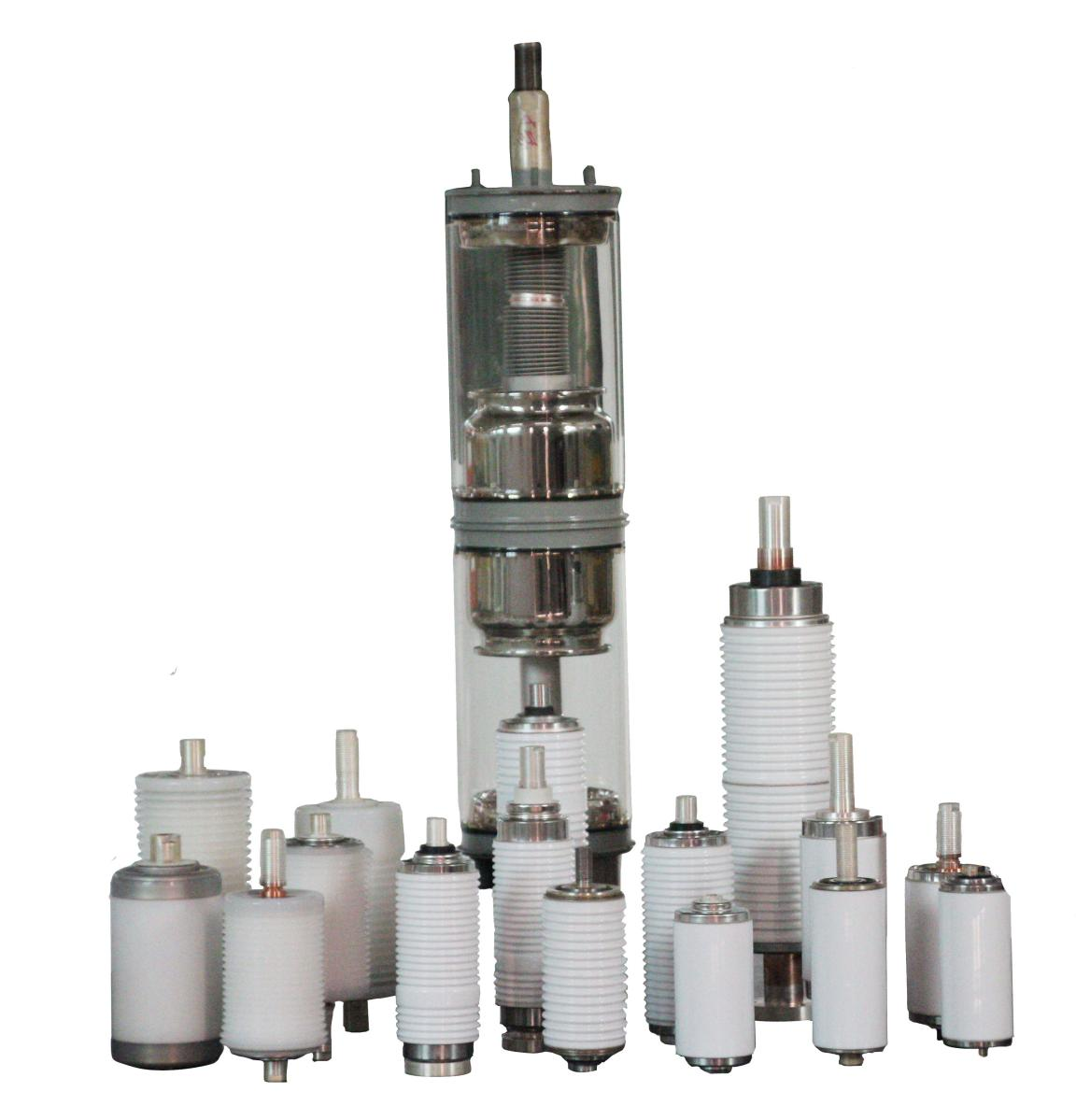

CAP1400 main feedwater flow nozzle flowmeter.
Jiangsu Hongda Instrument Technology Co., LTD.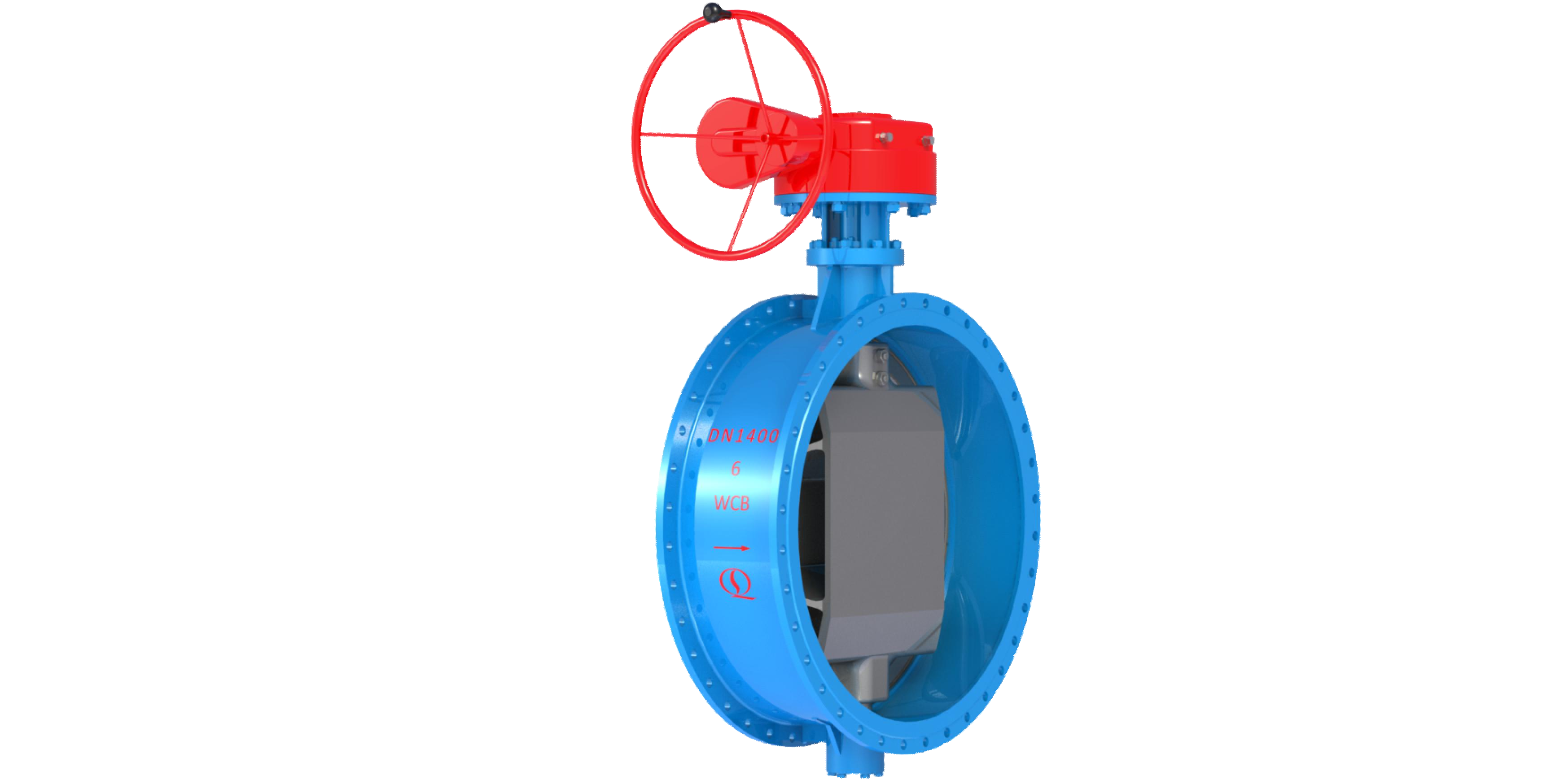
Bidirectional Metal Hard Sealed Seawater Butterfly Valve
Henan Quanshun Flow Control Science & Technology Co., Ltd.
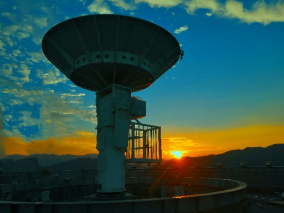
714CD Series C-Band Weather Radar
Chengdu Zhongdian Jinjiang Information Industry Co., Ltd.
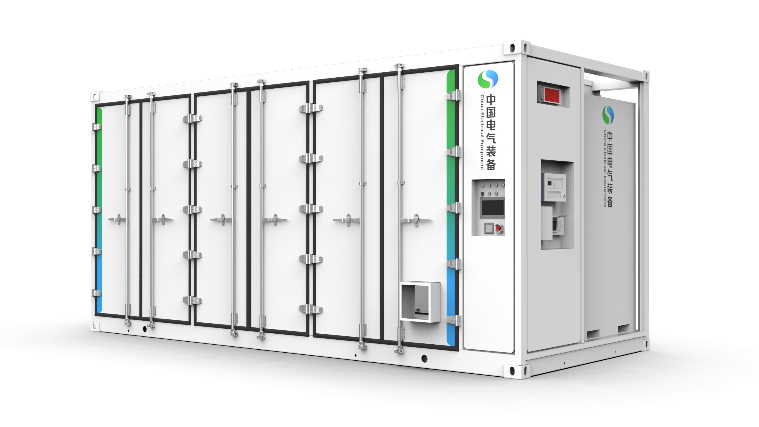
MESS8201-2507/5015-BN Prefabricated Liquid-cooled Energy Storage Battery Container
Xuchang Xuji Electric Science Energy Storage Technology Co., Ltd.