New Jersey BPU Releases Virtual Power Plant Program Framework, Launch No Later Than July 2027
en.Wedoany.com Reported - The New Jersey Board of Public Utilities (BPU) recently released an initial proposal establishing a framework for the state's distributed energy resources and virtual power plant (VPP) programs. The proposal aims to implement key directives from Executive Order No. 2, signed by Governor Mikie Sherrill in January, which sets procurement targets for distributed, community-scale, and utility-scale solar and storage, and requires the development of a VPP program within 180 days.

The BPU stated that this two-year transition plan will be administered by New Jersey's four distribution companies and will launch no later than July 1, 2027. The program will leverage the utilities' existing advanced metering infrastructure, direct load control platforms, and demand response customers enrolled under the state's "Triennium" energy efficiency programs. The proposal envisions a second phase opening to participation in 2029, which would then operate indefinitely. The BPU noted that achieving this goal will require substantial stakeholder input, distribution company investment, and third-party system integration.
The BPU held an all-day public meeting on July 30 to hear from utilities, technology vendors, ratepayer advocates, and other stakeholders, with written comments due by August 17. The proposal also sets forth eight guiding principles covering equitable design, technology neutrality, non-discriminatory aggregator access, and cross-program coordination to prevent double compensation. The BPU said it will align the initial proposal with multiple parallel proceedings, including a virtual power plant information request issued on April 20, the multi-phase "Garden State Energy Storage Program," and several proceedings concerning passive and managed electric vehicle charging.
At the stakeholder meeting, utility representatives presented their respective progress. Tim Fagan, PSE&G's Manager of Planning and Assessment for New Jersey, said the company plans to launch a VPP program this month offering approximately $5,000 in upfront incentives for 8-kilowatt home batteries, with customers able to pay off the remaining installation costs through a bill repayment plan, and in return, allowing PSE&G to discharge the batteries during peak-shaving events. Fagan also noted that resilience-focused customers have already deployed "thousands" of small batteries across New Jersey, and that future performance-based VPP programs could provide recurring payments to battery owners. He also called on New Jersey to consider allowing distribution companies to own energy storage, citing that this practice is becoming increasingly common in markets such as Massachusetts, New York, Maryland, as well as Hawaii and Minnesota. He said that because recent geographically targeted procurements for customer-sited batteries in Hawaii and Massachusetts fell short of targets, utility-owned storage could serve as a backstop, adding capacity on increasingly congested distribution lines.
Andrew Bayne, Energy Efficiency Program Manager at Pepco Holdings (PHI), said the company is studying how to reduce attrition among the approximately 100 to 300 enrolled devices in its Delaware "bring-your-own-battery" pilot program. Participating customers in the pilot receive approximately $1,080 per year in performance payments via direct deposit, rather than bill credits. Bayne said the questions PHI hopes to answer through the pilot are: whether an annual return of $1,000 is worth allowing the utility to cycle customer batteries, and how many dispatch events customers can tolerate per quarter. He also mentioned that Atlantic City Electric customers could benefit from the lessons learned.
Related Products

H-40.5/0.4~1.14kV New Energy Power Generation Dedicated High Voltage/Low Voltage Prefabricated Substation
XJ (Xiamen) Intelligent Power Equipment Co., Ltd.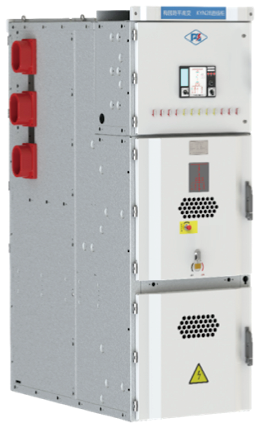

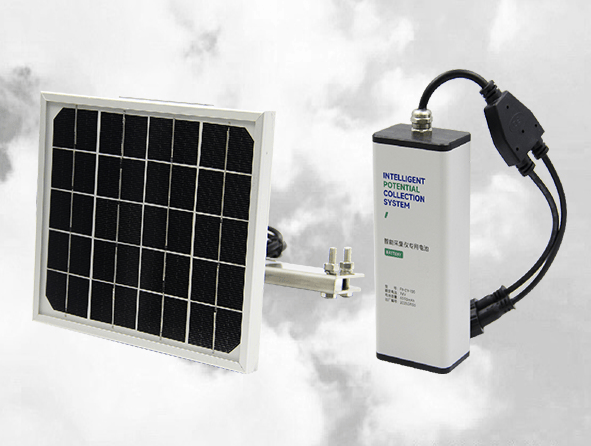
Inductive Power Harvesting Self-Powered Device - Safuneng
SELF ENERGY TECHNOLOGY (SHENZHEN) CO., LTD.
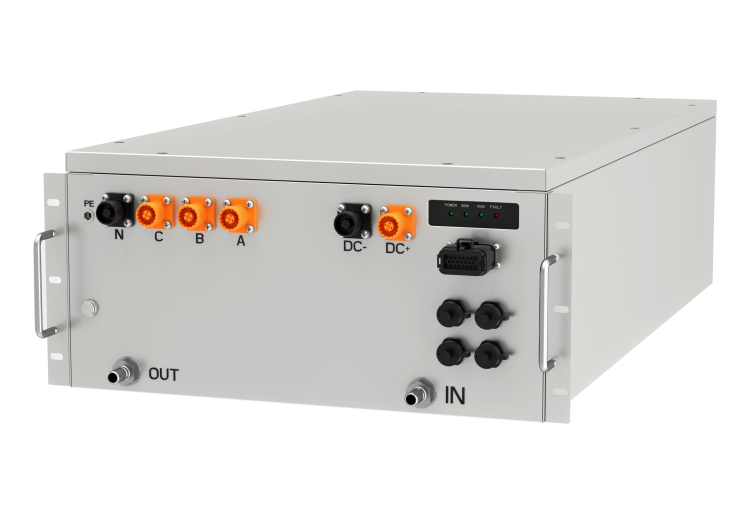
Mars (Liquid Cooling) Series Industrial and Commercial Energy Storage Converter High Protection Module
Shenzhen Winline Technology Co., Ltd.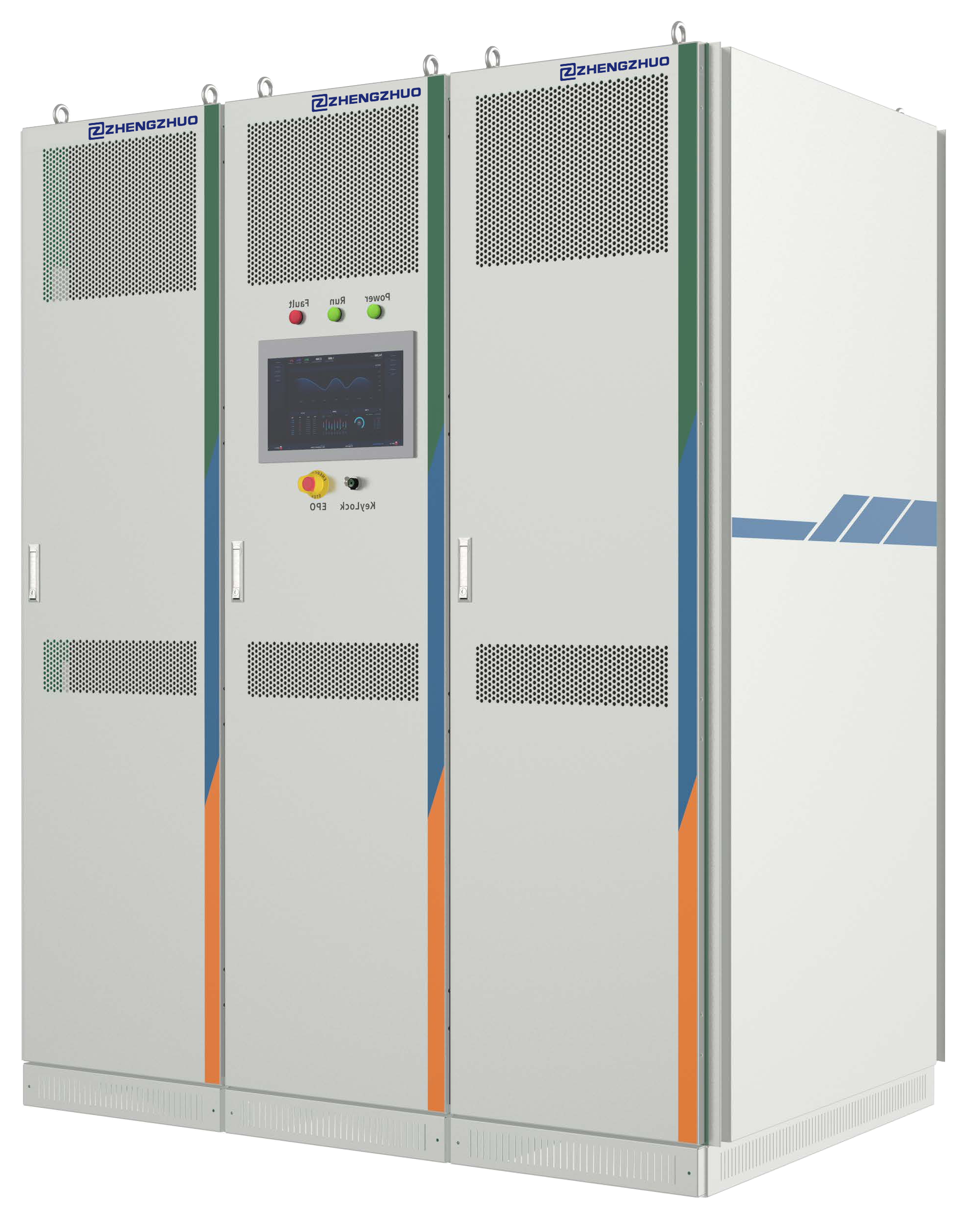
IGBT Hydrogen Production Power Supply - High Power Air Cooling
Beijing Zhengzhuo Engineering Technology Co., Ltd.
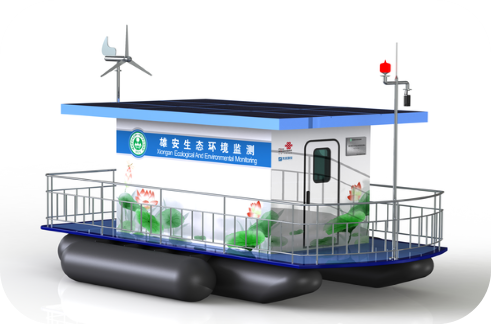
Floating Boat Water Quality Automatic Monitoring System
Hebei Sailhero Environmental Protection High-tech Co., Ltd.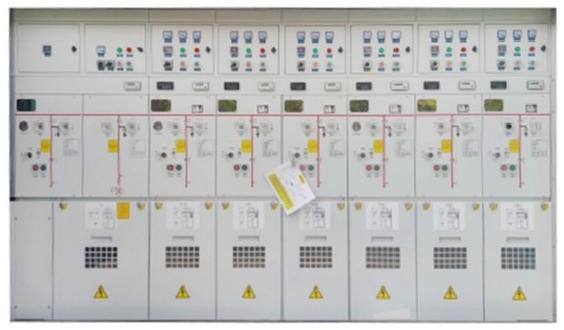
NISELA Series Environmentally Friendly Gas-Insulated Ring Main Unit
XJ DELISHIER ELECTRIC CO., LTD.