
US AEP Locks In 13 GW of Gas Turbine Capacity
en.Wedoany.com Reported - Bill Fehrman, chairman, president and CEO of American Electric Power (AEP), said on Thursday's second-quarter 2026 earnings call that the company locked in 3 GW of gas turbine capacity during the quarter, bringing total turbine supply available for deployment by 2031 to approximately 13 GW.
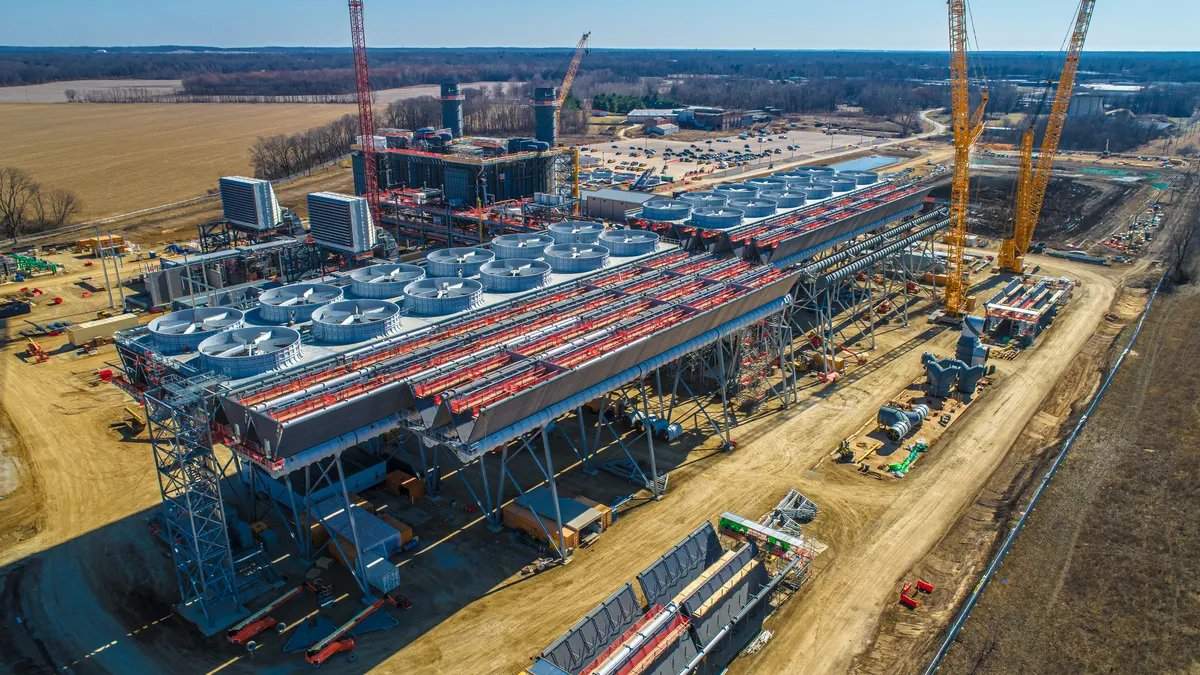
Fehrman also said AEP secured options to add another 10 GW of turbines by 2035, with deals reached with GE Vernova and Mitsubishi. AEP CFO Trevor Mihalik noted that the timing of these 10 GW of turbines aligns with the schedule of AEP's aging fleet, laying the groundwork for replacing some coal plants as well as some retiring gas plants within the vertically integrated utility.
AEP's second-quarter 2026 operating data shows the company's contracted data center and large industrial load pipeline reached 69 GW, up from 63 GW in the first quarter; commercial and industrial sales grew 12.7% in the first six months of the year; the consolidated regulatory return on equity was 9.2%, up from 8.8% in 2023; second-quarter revenue was $713 million, down from $1.2 billion in the same period last year, which included significant one-time gains.
The Financial Times reported last week that AEP Ohio reached an agreement to acquire the 710 MW coal-fired Longview plant near Maidsville, West Virginia, and purchased permits to build a 1.2 GW gas-fired power plant at the same site, though the report did not specify the amount the company paid for these assets. The plant is owned by Mountain State Energy Holdings, and AEP did not immediately respond to a request for comment.
AEP currently has a five-year capital plan totaling $78 billion from 2026 to 2030 and plans to unveil the next iteration of that plan this fall. Fehrman said that as the company deploys these 13 GW of turbine capacity within its regulated businesses, new generation investment will play a fairly central role in driving long-term growth. He believes turbines are a scarce resource that will only grow in value; the company will continue to take an aggressive stance, working with key suppliers to maintain clear visibility into locked-in capacity and resources covered by framework agreements, enabling continued delivery for customers.
AEP's earnings presentation shows its utilities expect to add 27.2 GW of system capacity by 2035, including 15.3 GW of gas, 6.4 GW of solar, 5.1 GW of wind and 500 MW of storage; there are also pending requests for proposals totaling 7.8 GW.
Fehrman said that three months ago AEP considered exiting PJM Interconnection due to concerns over the grid operator's governance, its ability to accommodate large load growth within its footprint, and resource adequacy, but the outlook for PJM has since improved. The speed and intensity of productive dialogue with PJM have increased significantly, with active engagement from the PJM team, the Federal Energy Regulatory Commission (FERC) and other key stakeholders. FERC held a technical conference on July 23 to explore potential reforms to PJM's governance framework. Fehrman said the company is optimistic about reaching agreement on certain solutions, while stressing that any proposed framework must treat all participants fairly, protect customers, and allocate costs reasonably to the parties causing them.
Mihalik noted that of the 69 GW large load pipeline, Texas accounts for 45 GW, Ohio for 12 GW, and Oklahoma, Indiana, Kentucky, Louisiana and Virginia combined for 12 GW. He said AEP utilities' large load tariffs require customers to make long-term commitments to support the investments needed to serve them; these tariff frameworks also provide strong protections against project delays and changes in development timelines, giving the company confidence to capture this growth opportunity while reasonably managing potential risks.
Related Products

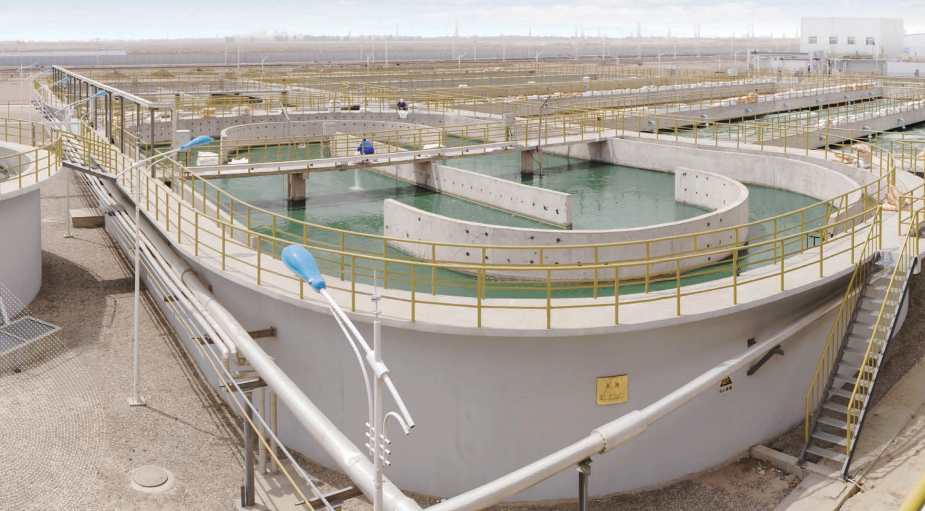
Standard Nozzle Flowmeter
Jinggong Automatic Control Instrument Complete Technology Development Company
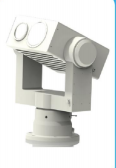
Forest and Grassland Heat Source Infrared Monitor
China Huayun Meteorological Technology Group Co., Ltd.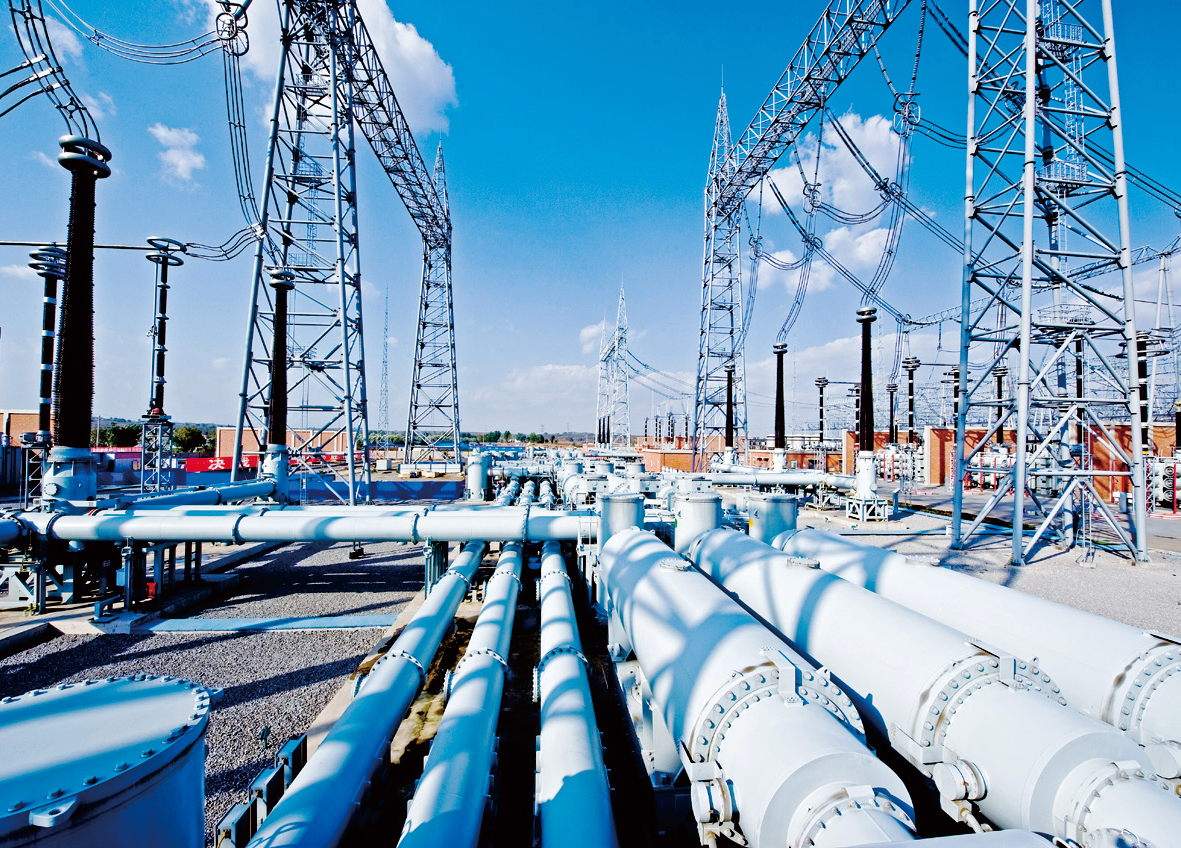
40.5kV-1100kV Gas Insulated Metal-Enclosed Switchgear (GIS)
Henan Pinggao Electric Co., Ltd.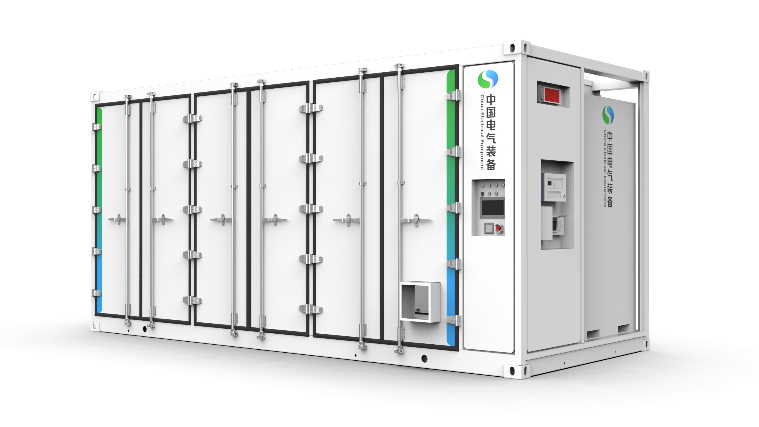
MESS8201-2507/5015-BN Prefabricated Liquid-cooled Energy Storage Battery Container
Xuchang Xuji Electric Science Energy Storage Technology Co., Ltd.
YE3 Series Low Voltage High Power Three-Phase Asynchronous Motor
Shandong Lijiu Electrical Machinery Co., Ltd.



