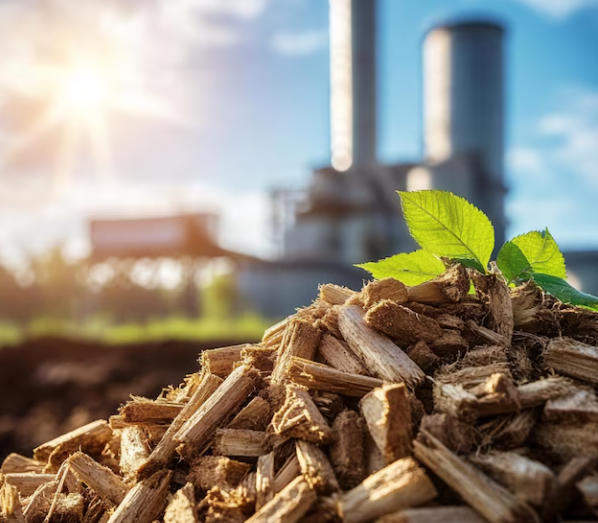
American Biogas Council Releases Data: Over Half of Biogas Used for Power Generation, RNG Share Nearly Doubles
en.Wedoany.com Reported - The American Biogas Council (ABC) recently released new data showing that more than half of the biogas produced in the United States is used for electricity generation, while the share upgraded to renewable natural gas (RNG) has nearly doubled since 2020. The data reveals how the U.S. biogas industry converts methane captured from organic waste into renewable electricity, renewable heat, and RNG that can be used by the nation's natural gas system.
Biogas is a renewable gas rich in methane, produced naturally from the decomposition of organic materials such as manure, food scraps, wastewater solids, and landfill waste. Biogas systems capture the gas before it escapes into the atmosphere, converting it into electricity, heat, or RNG, while recovering remaining nutrients as natural fertilizer products.
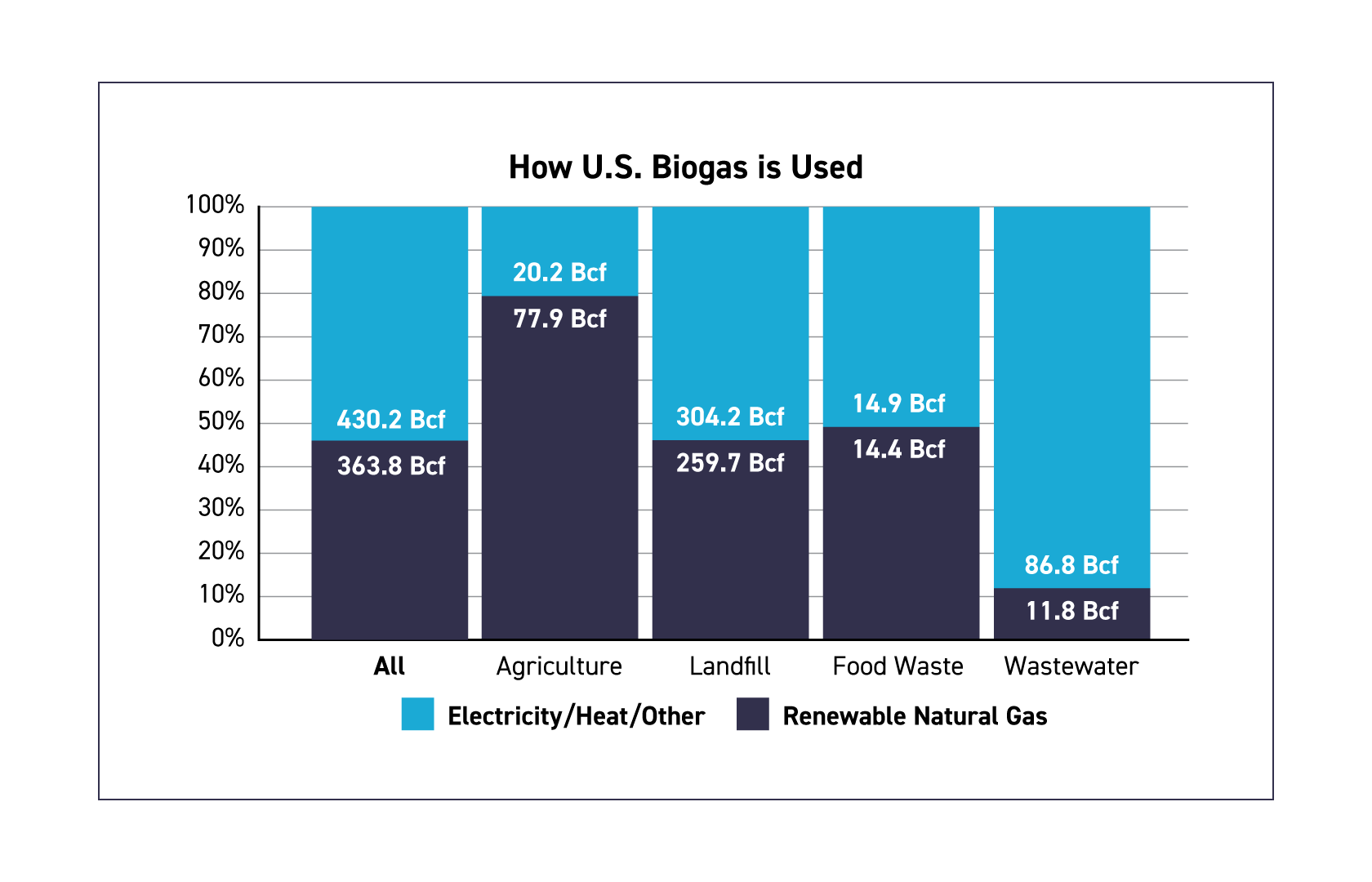
The data shows that approximately 53% of U.S. biogas is used for electricity generation, 46% is converted into RNG, and slightly more than 1% is used to produce renewable heat, reflecting how different industries choose differentiated biogas utilization methods based on their energy needs. Biogas power generation works the same way as natural gas power generation—using gas turbines, combined heat and power generators, linear generators, or fuel cells—but biogas is a renewable source. Power generation can occur on-site at biogas facilities or be fed into the grid; once on the grid, this renewable electricity powers homes, businesses, factories, and other users just like renewable electricity from other sources. Compared to solar and wind, a key advantage of biogas renewable electricity is that the fuel is available on demand, and power production is not constrained by weather conditions.
RNG is primarily used in heavy-duty truck engines, contributing to decarbonizing the transportation sector and reducing air pollution. A smaller portion of RNG is supplied to utility companies for customers seeking to reduce their carbon footprint, or sold directly by producers to commercial customers.
Over the past five years, the utilization structure of captured biogas has changed significantly. In 2020, only about a quarter of captured biogas was upgraded to RNG; today, as new projects increasingly target RNG as their primary energy product, that share has nearly doubled, reflecting a shift in market opportunities. ABC Executive Director Patrick Serfass stated that one of biogas's greatest advantages is its flexibility—when U.S. waste is converted into biogas, it can be used for reliable renewable electricity production, provide renewable heat, or be upgraded to renewable natural gas, a unique advantage as America strengthens energy security and reduces methane emissions.
The new data also reveals significant differences in biogas utilization across different segments of the industry. Farm digesters currently use nearly 80% of captured biogas for RNG production; landfill gas projects continue to allocate capacity between renewable electricity and RNG; food waste facilities increasingly support both end uses simultaneously; and wastewater treatment facilities largely use biogas on-site for power and heat to sustain plant operations.
The report also highlights significant regional variations. Texas currently converts the highest share of captured biogas into RNG, driven by large landfill gas-to-RNG projects; California, home to the nation's largest biogas resource, continues to lead in renewable electricity production from biogas. ABC estimates that developing the remaining U.S. biogas resources could support more than 17,000 additional biogas systems; depending on how the captured biogas is ultimately used, these systems could generate enough renewable electricity to power approximately 23.7 million homes, or produce enough RNG to meet the energy needs of approximately 27.4 million households.
Related Products

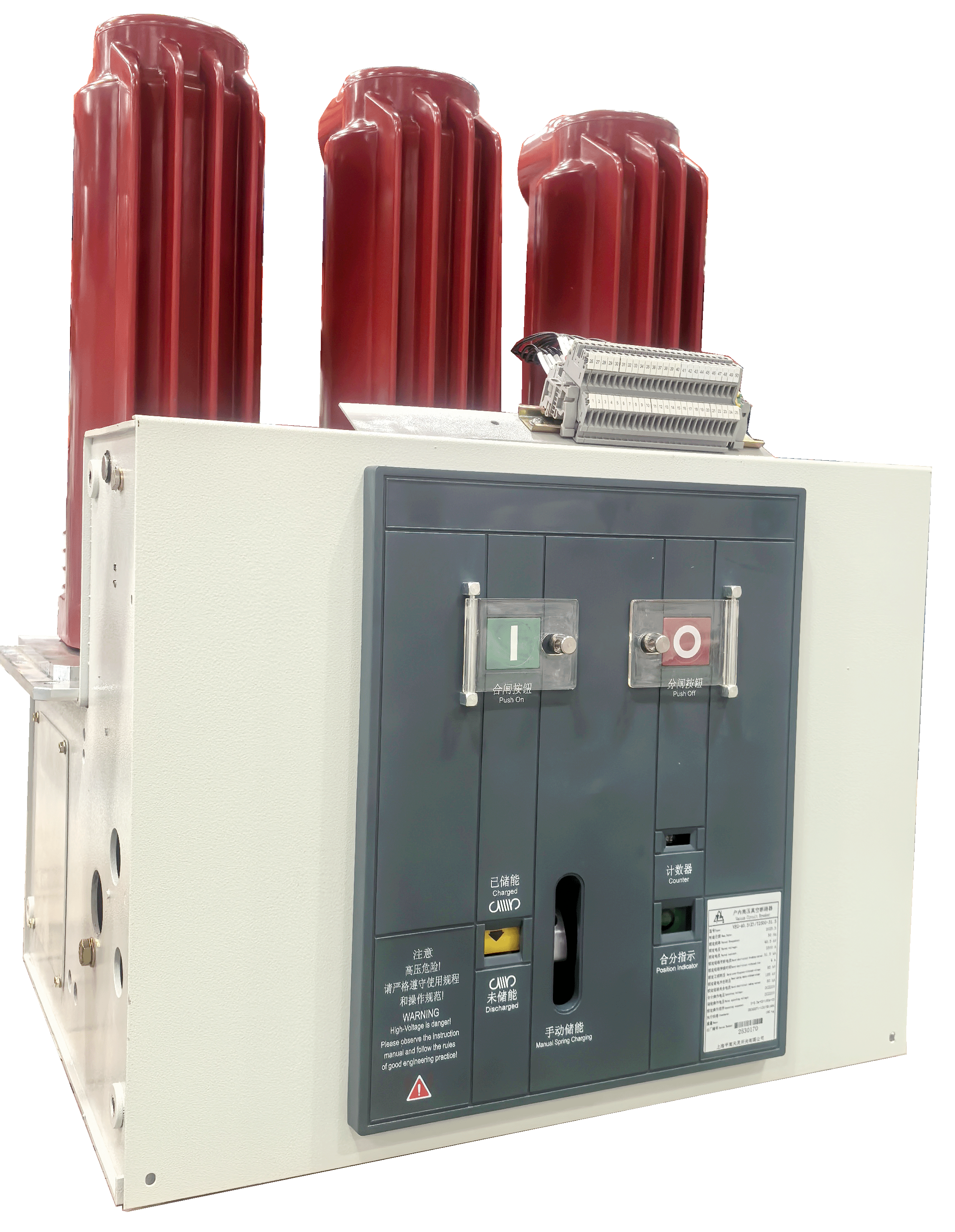
VEG-12/24/40.5 Series Vacuum Circuit Breaker
SHANGHAI PINGGAO TIANLING SWITCHGEAR CO., LTD.
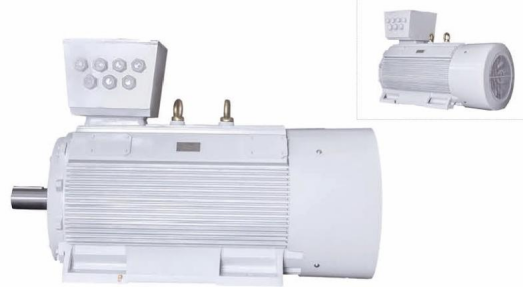
YE3 Series Low Voltage High Power Three-Phase Asynchronous Motor
Shandong Lijiu Electrical Machinery Co., Ltd.
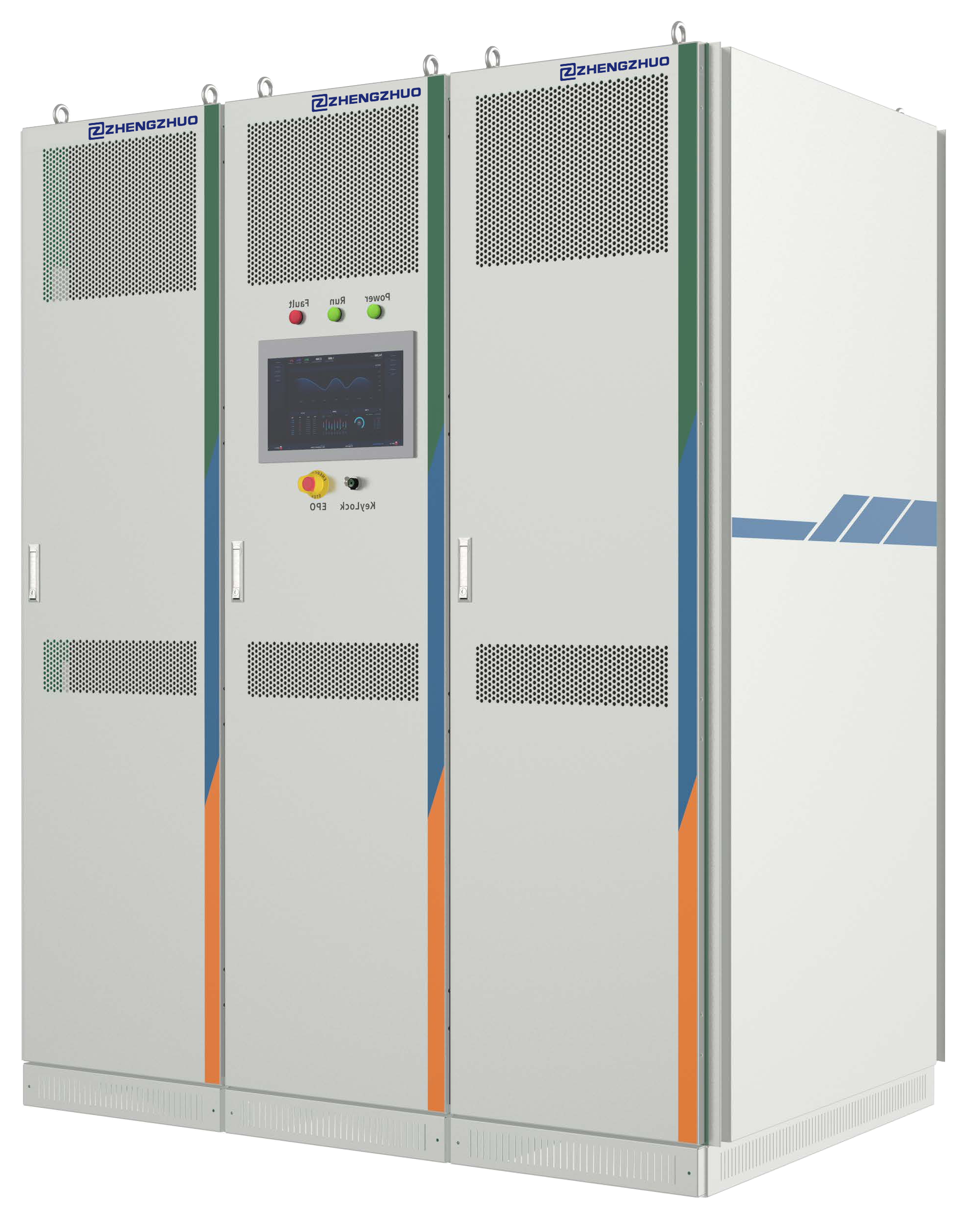
IGBT Hydrogen Production Power Supply - High Power Air Cooling
Beijing Zhengzhuo Engineering Technology Co., Ltd.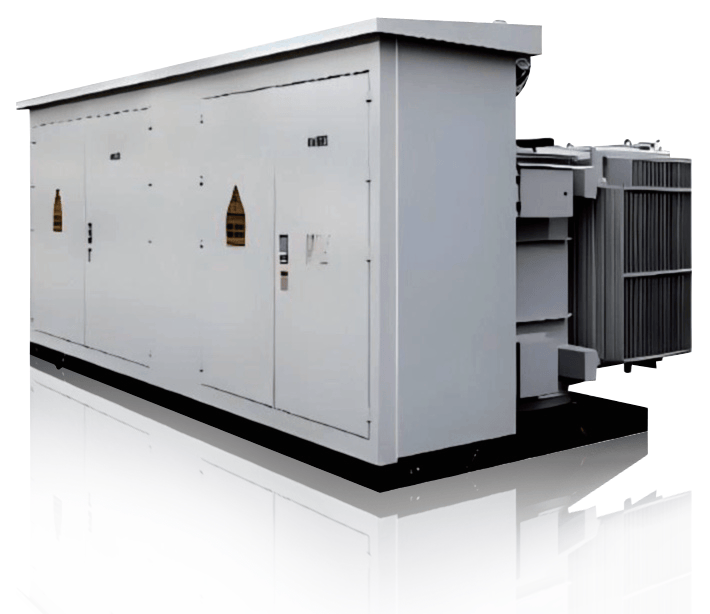
H-40.5/0.4~1.14kV New Energy Power Generation Dedicated High Voltage/Low Voltage Prefabricated Substation
XJ (Xiamen) Intelligent Power Equipment Co., Ltd.
Photovoltaic and Wind Power Generation Technology
Beijing Boqi Electric Power SCI-TECH Co., Ltd.
220kV Composite Outdoor Cable Terminal
Shenyang Guolian Cable Accessories Manufacture Co., Ltd.
220kV and Below Voltage Level Energy-saving Oil-immersed Power Transformers
FuZhou TianYu Electric Co., Ltd.