University of Bath and KU Leuven Develop Energy-Efficient Solvent Purification Membranes
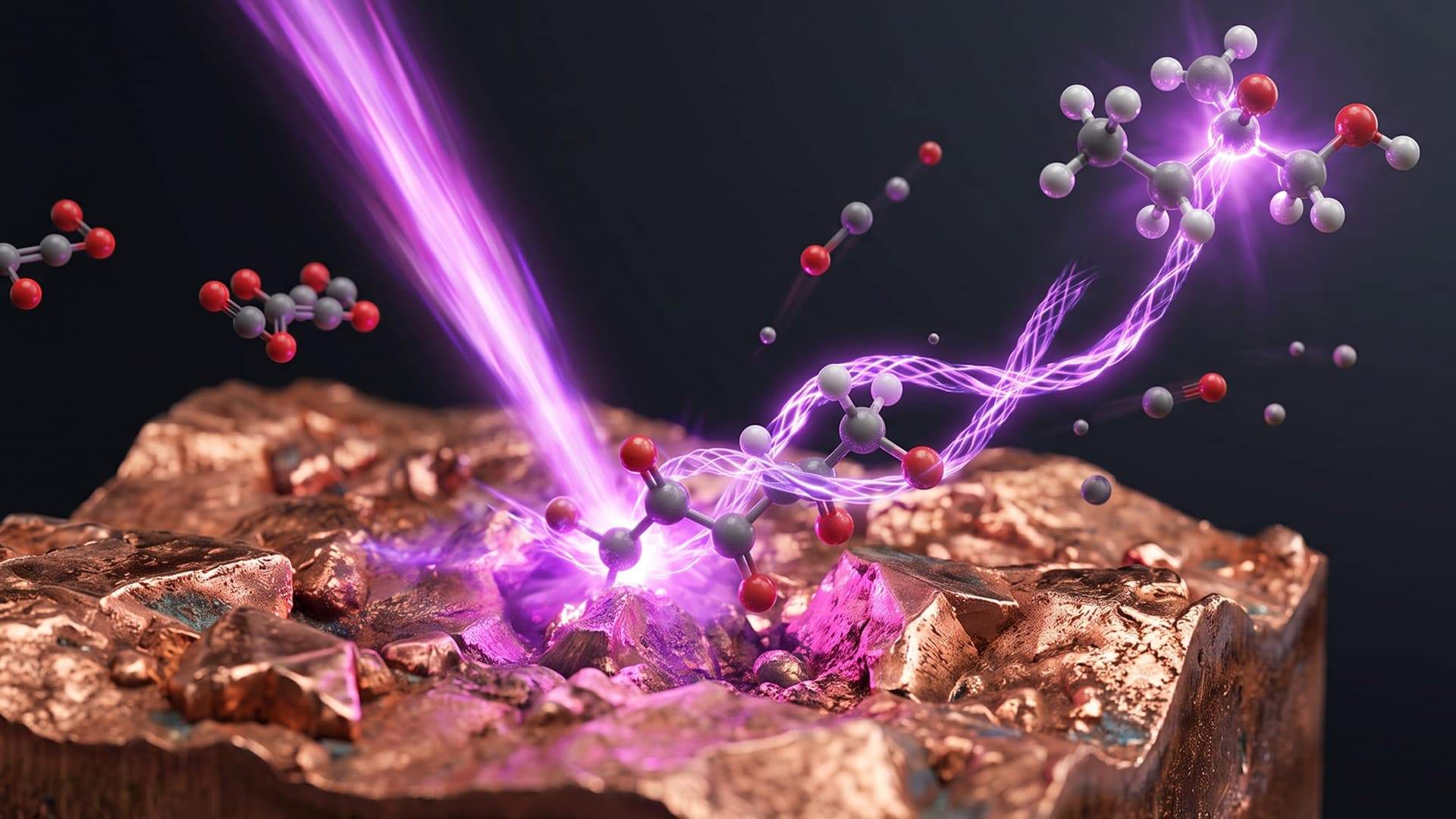
en.Wedoany.com Reported - An international research team comprising the University of Bath and KU Leuven has developed a graphene oxide-based membrane that removes water from industrial solvent production, used to purify isopropanol.

Isopropanol is a fast-drying solvent used in surface disinfectants, first-aid antiseptics, and other applications in the pharmaceutical sector. Facing increasingly stringent European restrictions on energy-intensive chemical production methods, the team developed this membrane to reduce the energy required to purify industrial chemicals. Chemical separation typically involves heating compounds to boiling point to separate them from one another, and the study reports that this process accounts for 10% to 15% of global energy usage.
The membrane is made from graphene oxide, an ultra-thin carbon layer material with pores large enough to allow molecules to pass through without high energy consumption, yet small enough to meet the purity standards required for industrial chemicals. Pengrui Jin, a researcher in the Department of Chemical Engineering at the University of Bath and the study's independent lead researcher, explained that the membrane efficiently removes water from a mixture containing 90% isopropanol and 10% water, selectively permeating water to produce a permeate containing approximately 99.6% water. She added that, compared to existing technologies, the process is faster and does not rely on high temperatures, resulting in lower energy consumption.
The researchers plan to continue testing this membrane technology on other chemicals while considering patent applications to explore opportunities for scalable production.
Related Products

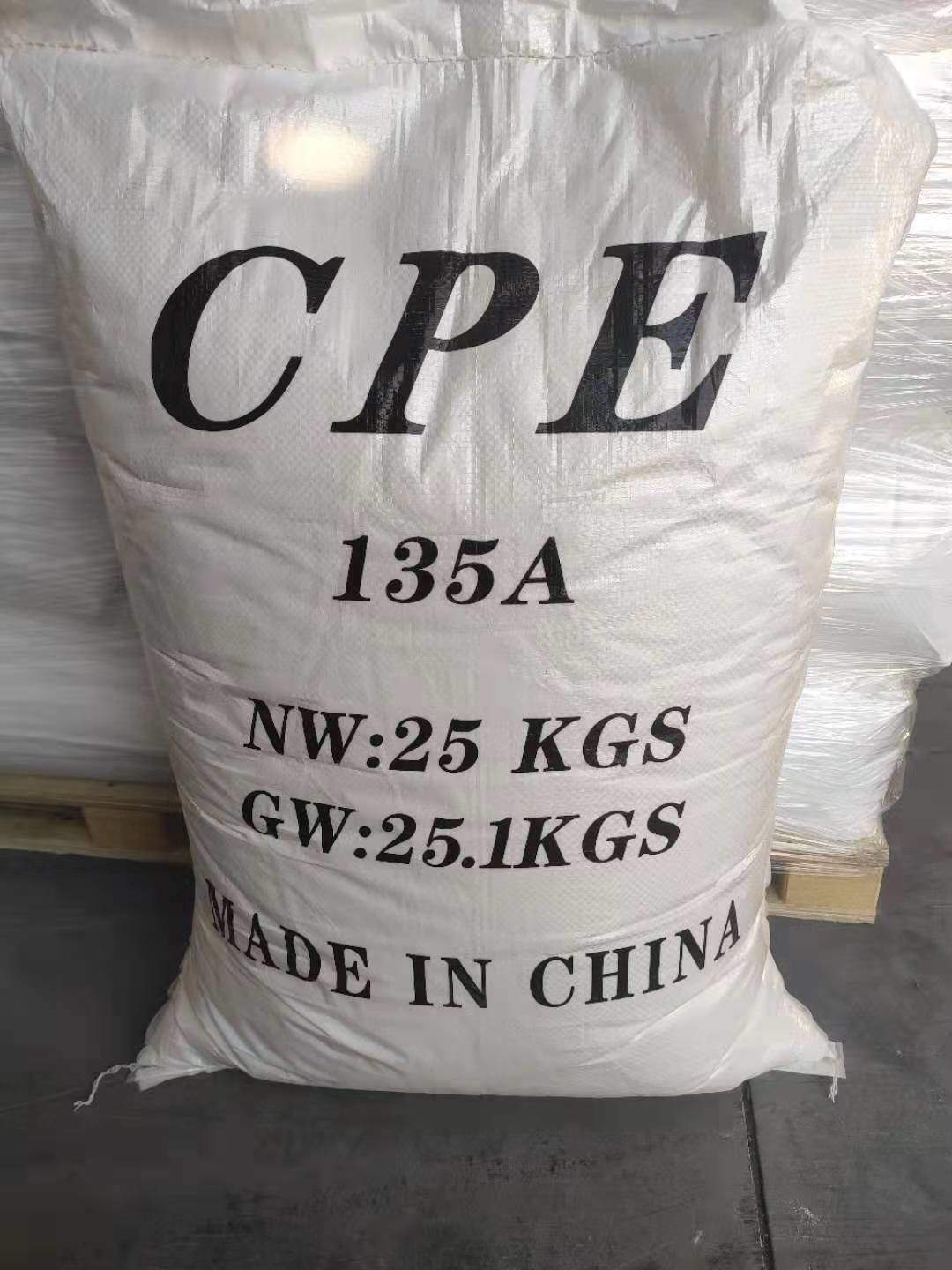
PVC Impact-Modified Chlorinated Polyethylene
Gansu Jinchuan Hengxin Polymer Technology Co., Ltd.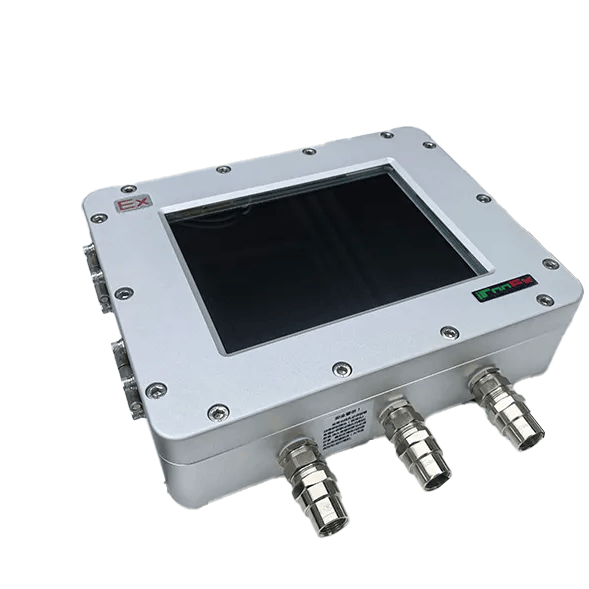
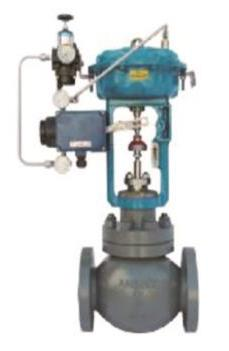
Quick-Change Single-Seat Control Valve / Quick-Change High-Pressure Single-Seat Control Valve
Beijing Consen Automation Technology Co., Ltd.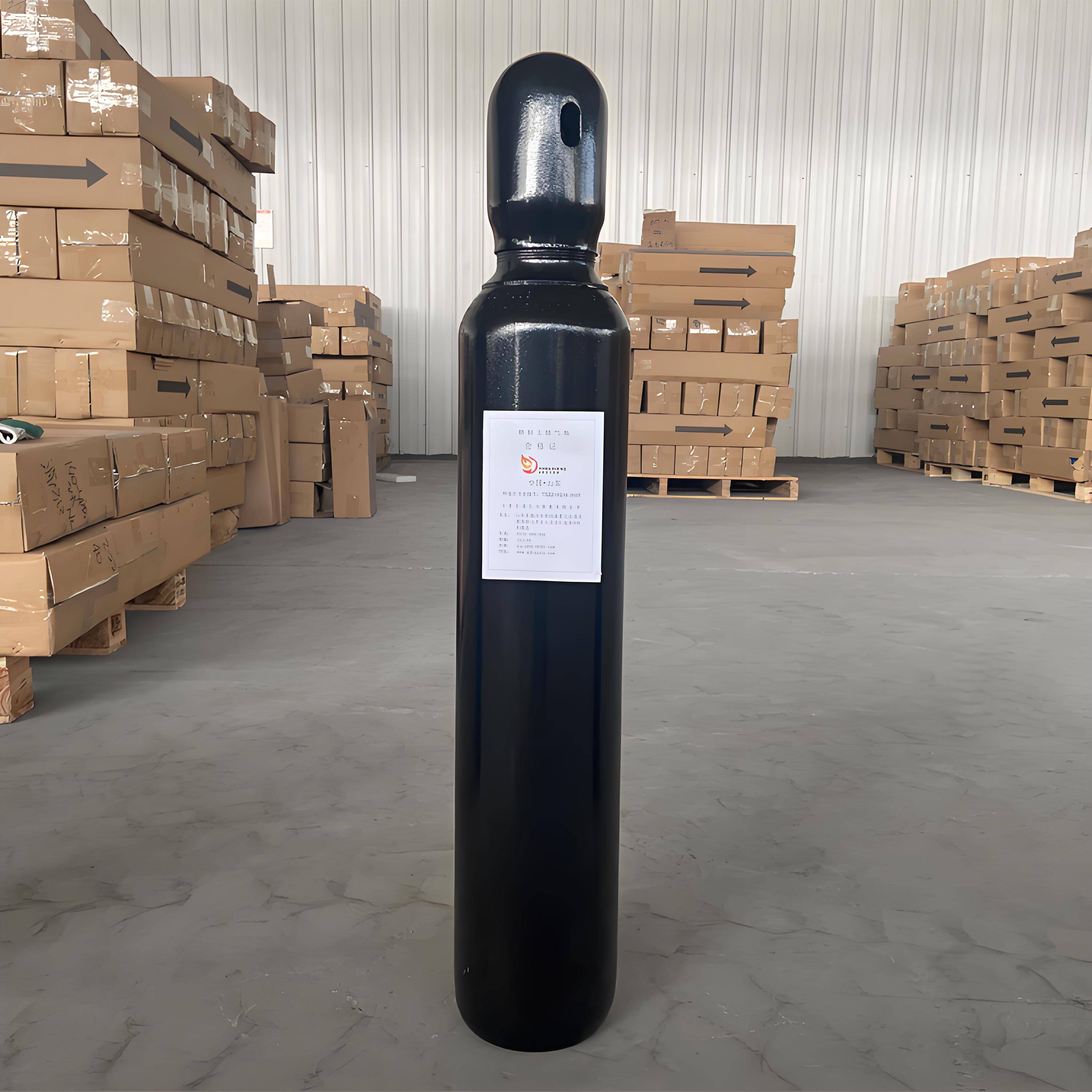
Nitrogen Export, Nitrogen Manufacturer, High-purity Nitrogen Supplier
Foshan Yuexin Industrial Gas Co., Ltd.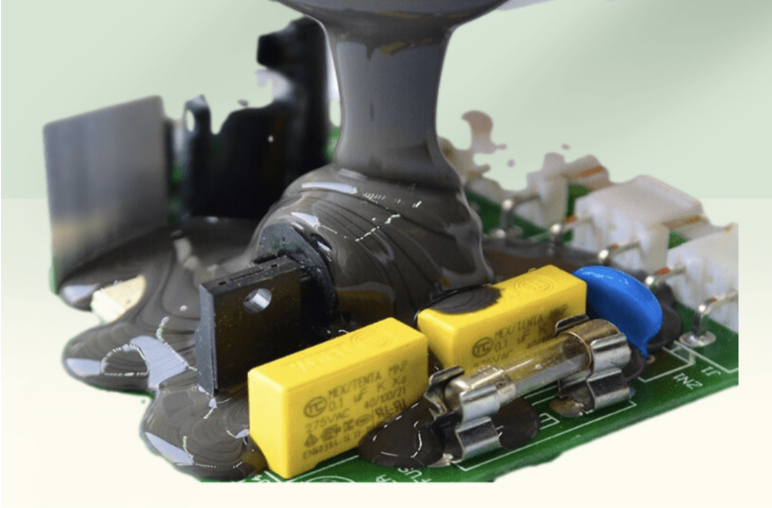
High Thermal Conductivity Encapsulating Resin
Nantong BESALL Sealing Technology Company.,Limited
CAP1400 main feedwater flow nozzle flowmeter.
Jiangsu Hongda Instrument Technology Co., LTD.
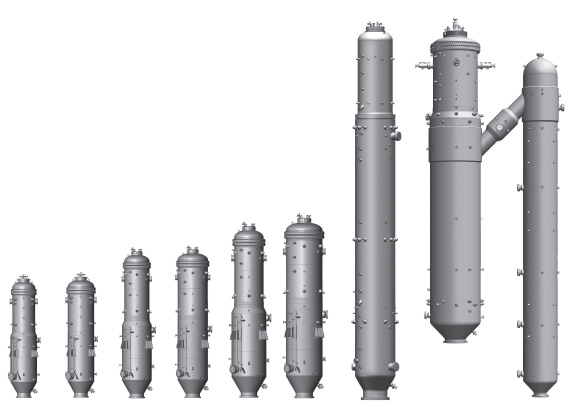
Gasification Furnace Series: Freely Combinable Aerospace Furnace
CHANGZHENG ENGLINEERING CO., LTD.