Ferrero Italy Achieves Deforestation-Free Supply Chain with Satellite Technology
en.Wedoany.com Reported - Italian chocolate maker Ferrero has been tracing the origin of raw materials and production methods through its own practice, "Sacco Conosciuto," since 1946. The company's supply chain now extends thousands of kilometers away and intersects with some of the world's most important ecosystems. This supply chain expansion has placed new demands on its agricultural production monitoring capabilities.
Over the past decade, Ferrero has relied on Starling, a satellite monitoring platform developed in collaboration between Airbus Defence and the Earthworm Foundation, to observe the landscapes where its raw materials are grown. The company integrates satellite imagery and geospatial data with information from technical experts, analysts, and local partners, and gains insight into local conditions and agricultural practices through direct engagement with suppliers, collaboration with partners, and field visits. Satellite data and on-the-ground expertise complement each other, enabling the company to more clearly see changes occurring in the landscapes where it sources raw materials, and providing a stronger basis for sourcing decisions and determining the origin of raw materials. Nicola Somenzi, Ferrero's Head of Responsible Sourcing, stated: "Thanks to this technology, we are able to monitor farms and plantations in our supply chain at scale."
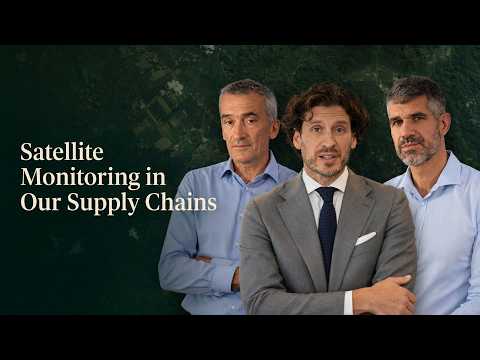
Starling, developed by Airbus in partnership with the Earthworm Foundation, is designed to verify the impact of various industries on forests. This geospatial technology can measure the environmental impact of an entire supply chain, helping companies fulfill their deforestation-free commitments and meet the compliance requirements of the upcoming EU Deforestation Regulation (EUDR). The platform leverages satellite imagery and geospatial data to provide visibility into agricultural supply chains and help identify environmental risks. Currently, Starling supports Ferrero in monitoring cocoa, palm oil, and coffee, whose plantation areas are often important components of natural habitats.
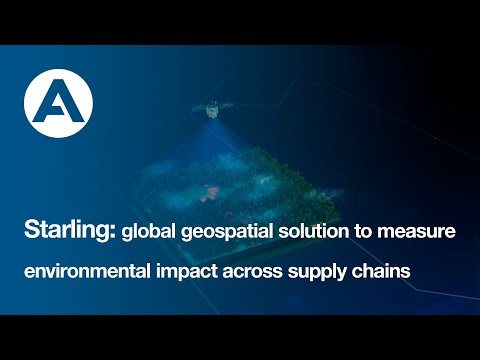
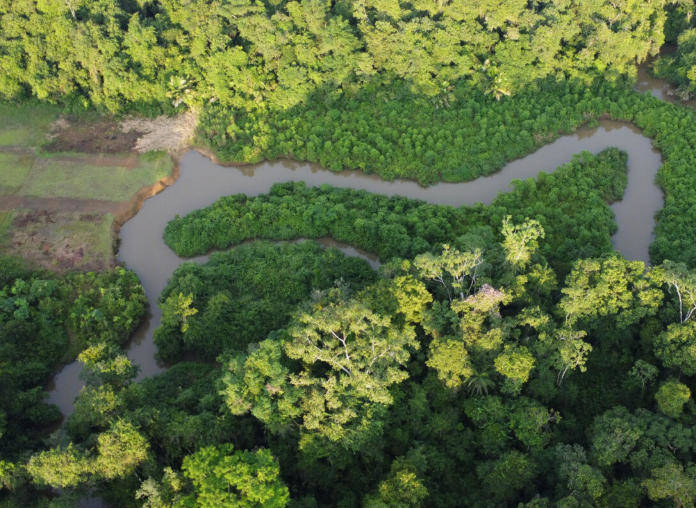
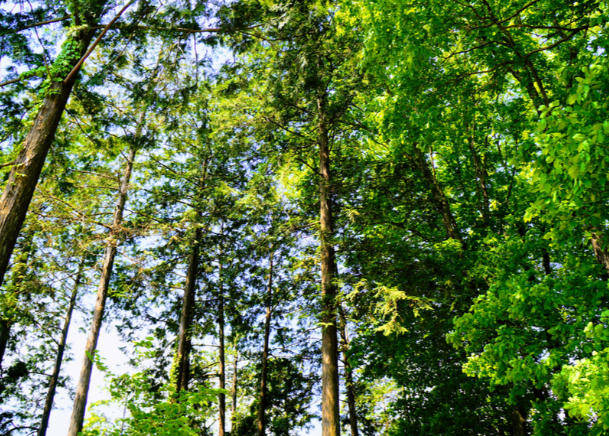
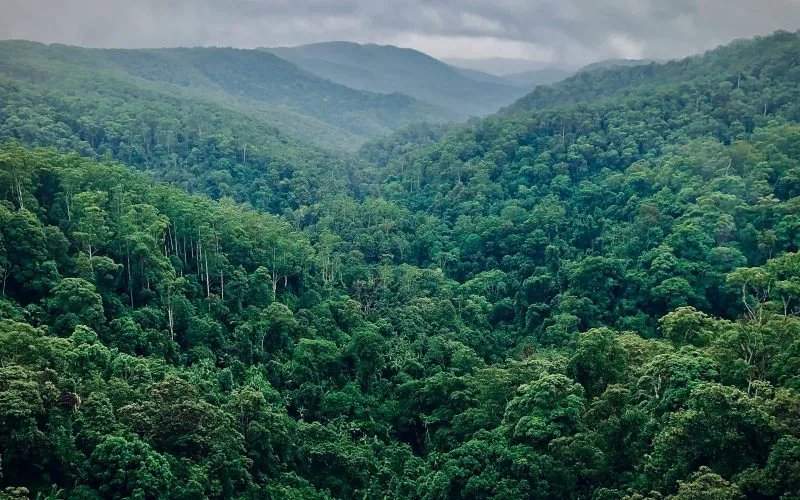
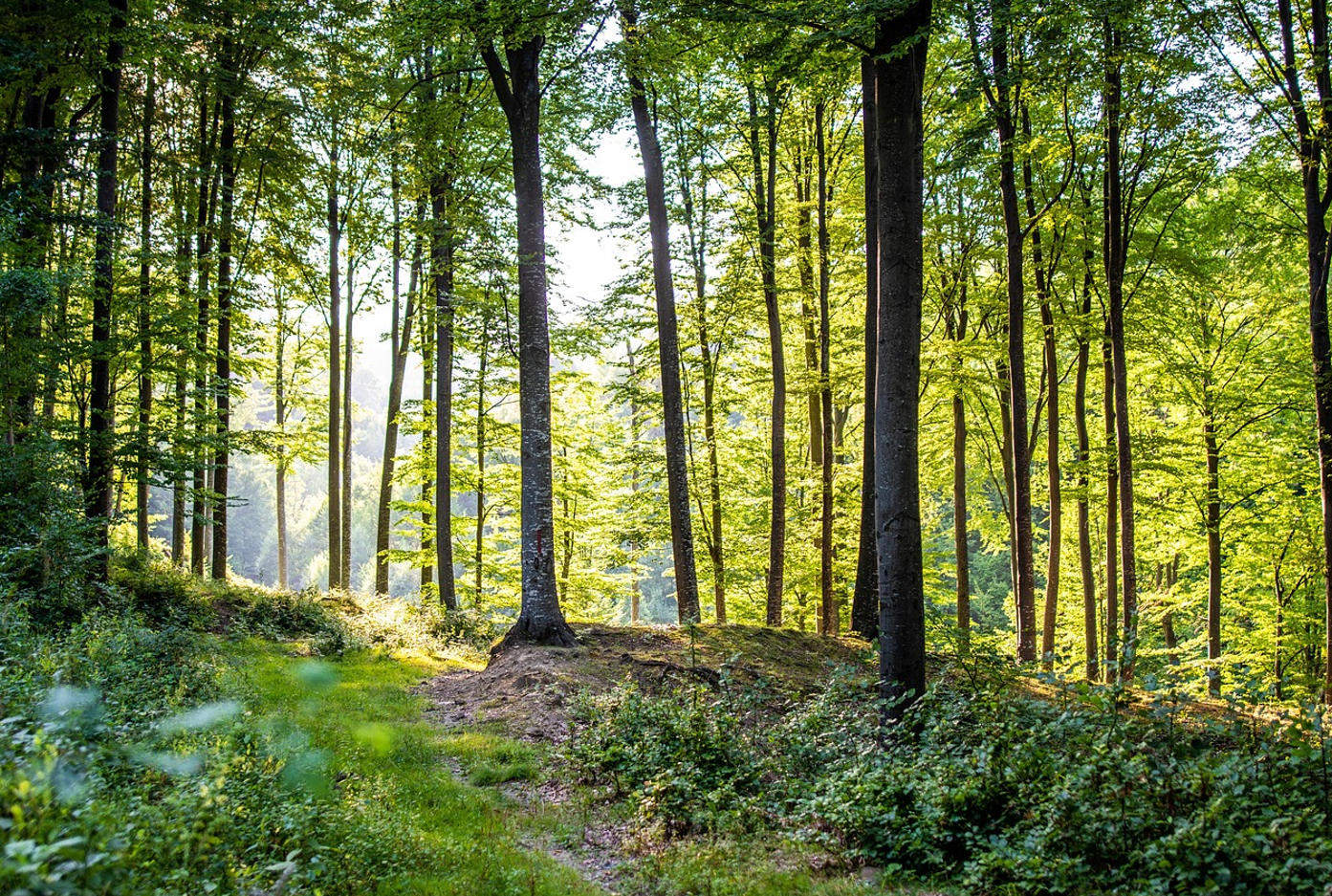
Although tropical forests cover less than 10% of the Earth's land surface, they are home to more than half of the world's terrestrial species; forests absorb approximately 7.6 billion metric tons of carbon dioxide each year, helping to slow the pace of climate change; a single hectare of rainforest may contain more than 300 species of trees. Ferrero combines satellite technology with local knowledge to understand how agricultural practices affect the environment in the regions where its raw materials are sourced.
Related Products
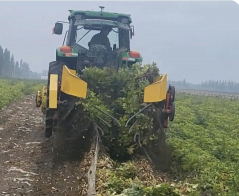

4HS-8 High-efficiency Peanut Inverted-laying Harvester
Hebei Yongfa Hongtian Agricultural Machinery Manufacturing Co., Ltd.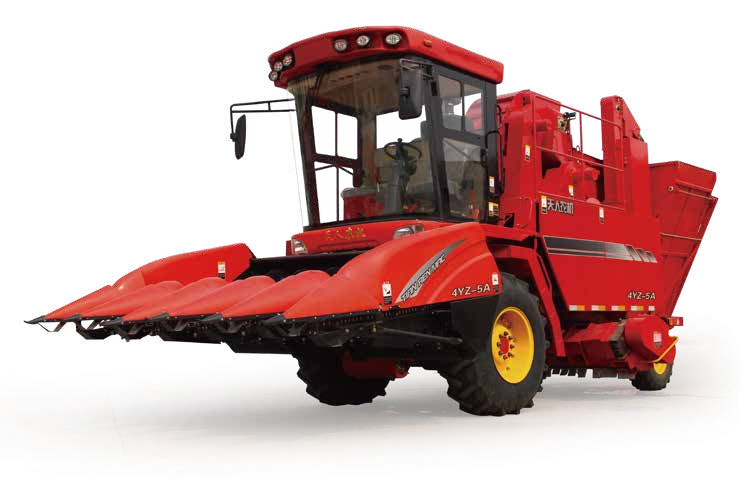

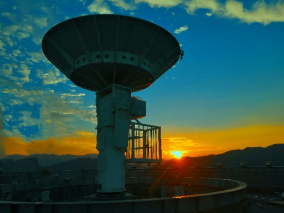
714CD Series C-Band Weather Radar
Chengdu Zhongdian Jinjiang Information Industry Co., Ltd.
Industrial and Commercial Point-Type Gas Detector
Jinan Benan Technology Development Co., Ltd.