Apple to Release New Macs in August, M6 Chip Built on 2nm Process
en.Wedoany.com Reported - Apple has announced major updates to the Mac mini and Mac Studio, introducing a new generation of processors: the Mac mini is powered by the M6 and M5 Pro, while the Mac Studio features the M5 Max and M5 Ultra. Compared to the previous generation models equipped with the M4, M4 Pro, M4 Max, and M3 Ultra, Apple claims the new machines deliver significant performance gains. The focus is on on-device AI (Local AI), primarily targeting enterprise users.
The timing of the announcement is unusual. In previous years, Apple reserved new Macs for its fall launch in October or November, but this time it has moved the release up to August. According to Apple, the earlier release is due to strong market demand, particularly driven by the use of AI agents such as OpenClaw, which has fueled demand for high-performance successors. The new Macs are available for pre-order starting today, with official sales set for September 22.
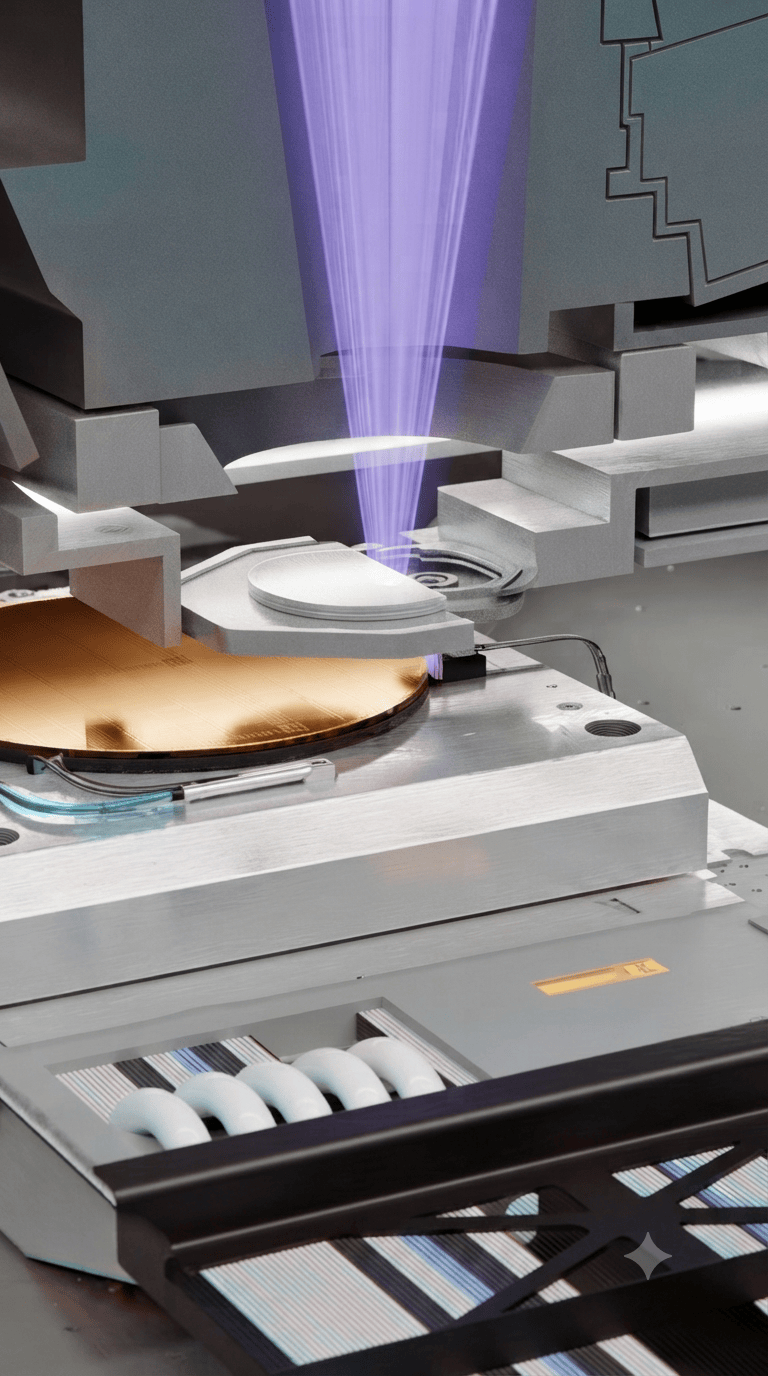
In terms of chip naming, Apple has not followed a sequential order: the M6 skips over the M5 to become the first Apple chip manufactured using a 2nm process; the M5 Pro, M5 Max, and M5 Ultra still use a 3nm process. Previously, the M3 Ultra served as a special model within the M4 series, and now the M6 has leapfrogged the M5. The M5 Ultra connects two M5 Max chips via UltraFusion technology, increasing the interconnect bandwidth from 2.5 TB/s on the M3 Ultra to 4.4 TB/s.
The Mac mini with the M6 skips two chip generations. The CPU features 12 cores, including 2 super cores, 4 performance cores, and 6 efficiency cores, delivering up to 40% higher multi-threaded performance than the M4. The 12-core GPU brings Neural Accelerators to the Mac mini for the first time, boosting AI compute performance by up to 4x and graphics performance by 2x. The Neural Engine is upgraded to a dual 16-core design, with unified memory bandwidth of up to 170 GB/s, an improvement over the M4. The M6 can be configured with up to 32 GB of unified memory.
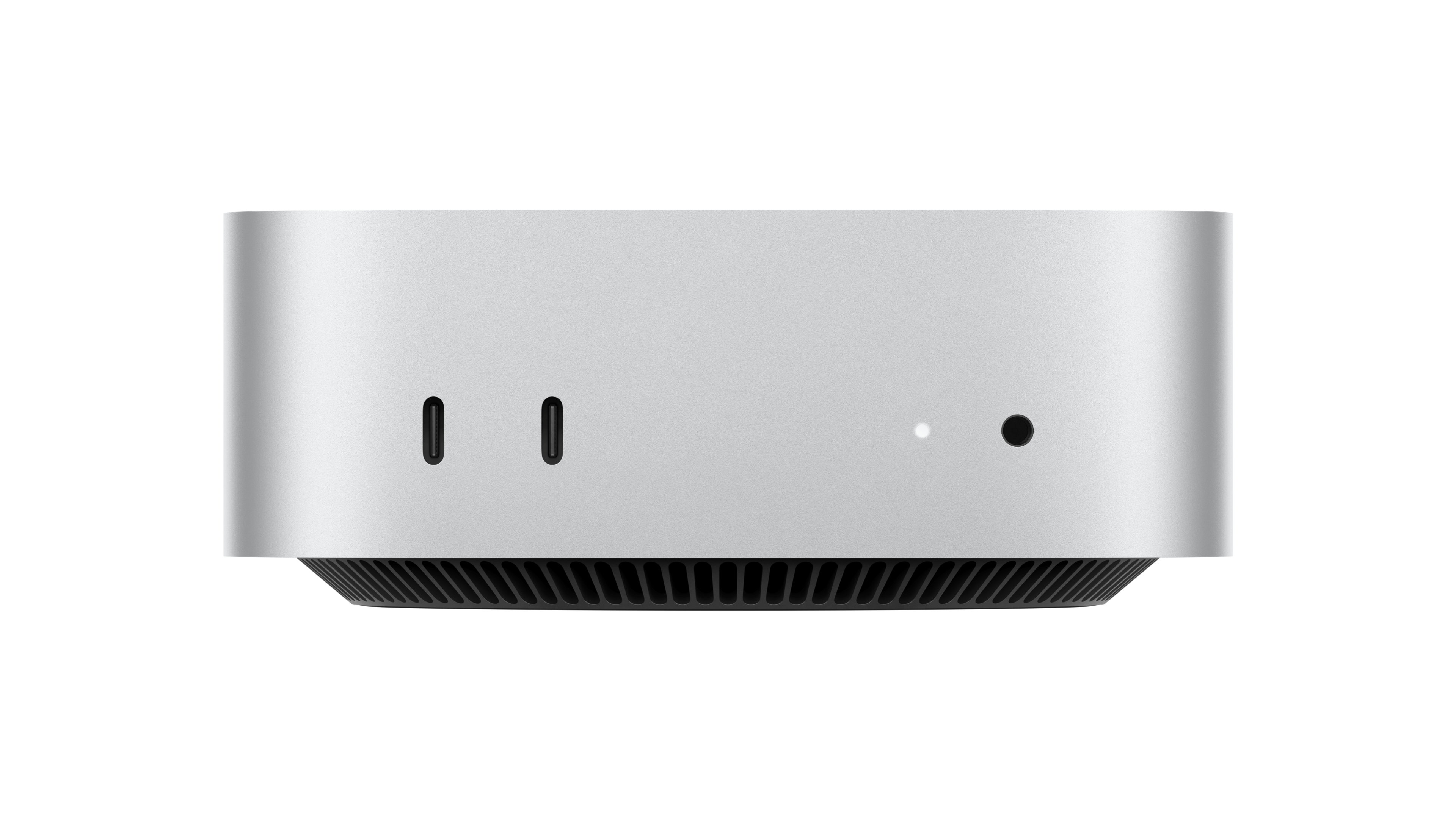
The M5 Pro, which debuted in the MacBook Pro in March 2026, now makes its way into the Mac mini. Apple states that the Mac mini with the M5 Pro processes AI workloads up to 4x faster and can be configured with up to 64 GB of unified memory. Both the M6 and M5 Pro versions share several other improvements: storage speeds are up to 2x faster; they include Apple's in-house N1 chip with support for Wi-Fi 7 and Bluetooth 6; and the wired network port has been upgraded from the previous 1 Gbit/s to a standard 2.5 Gigabit Ethernet, with an optional paid upgrade to 10 Gbit/s. The cooling system remains unchanged, and unified memory starts at 16 GB on both versions. The two versions also differ in ports: the M6 Mac mini features three Thunderbolt 4 ports, while only the M5 Pro version is equipped with Thunderbolt 5, making it the only one capable of clustering multiple machines for on-device AI models.
The M5 Max, which first appeared in the MacBook Pro this spring, is now the core of the Mac Studio. Compared to the previous M4 Max, the 18-core CPU delivers up to 30% higher performance, and the 40-core GPU offers up to 50% higher performance. Each GPU core integrates Neural Accelerators, and Apple claims AI task processing speeds are up to 4x faster. The Mac Studio with the M5 Max can be configured with up to 128 GB of unified memory, with memory bandwidth of up to 614 GB/s.
The M5 Ultra is the successor to the M3 Ultra. The 36-core CPU includes 12 super cores and 24 performance cores, delivering up to 30% higher multi-threaded performance than the M3 Ultra. The 80-core GPU introduces Neural Accelerators to the Ultra chip for the first time, boosting AI compute performance by up to 4.5x; combined with a redesigned shader core and third-generation ray tracing engine, graphics performance improves by up to 80%. Unified memory bandwidth increases by 50% to 1.2 TB/s, with a maximum capacity of 512 GB.
For compute-intensive scenarios such as training AI models or running models with over a trillion parameters, multiple Mac Studios can be clustered via Thunderbolt 5, with Apple using RDMA (Remote Direct Memory Access) as the foundation. The M5 Ultra's media engine has also been significantly enhanced, capable of processing up to 33 simultaneous streams of 8K ProRes 422 video at 30 fps. The chip's UltraFusion bandwidth improvement marks the first real boost in interconnect performance since the technology's debut in 2022, which may also explain why Apple skipped the M4 Ultra.
In terms of pricing, Apple significantly raised product prices a few weeks ago due to memory shortages. The base configuration of the Mac mini M6 is priced at €1,049, notably higher than the €699 starting price of the Mac mini M4 two years ago, and also above the €949 price of the recent M4-equipped Mac mini. The Mac mini M5 Pro starts at €1,999, compared to the M4 Pro's launch price of €1,649; the Mac Studio M5 Max starts at €2,999, versus the M4 Max's launch price of €2,499; and the Mac Studio M5 Ultra starts at €6,599, compared to the M3 Ultra's launch price of €4,999.
Apple has stated it will produce as many units as possible, hinting that demand may outstrip supply and users may face wait times. The Mac Studio version with 512 GB of unified memory will, in principle, not be available until the end of October.
The high prices may give individual consumers pause, but the situation is different for enterprise customers. Apple is focusing on on-device AI, allowing businesses to offset the performance gains of Apple's "AI compute engine" against the tokens saved by using on-device AI rather than cloud services, with data protection and data sovereignty also serving as reasons to choose on-device AI. Apple says demand for its hardware driven by AI has exceeded expectations, and this upgrade round is aimed at continuing its AI push, with the M6's shift to a 2nm process also signaling intent. In Apple's view, the biggest challenge right now may not be pricing, but meeting demand.
Related Products


One-Stop Steward Service for the Entire Logistics System Integration Chain
Zhongding Intelligent (Wuxi) Technology Co., Ltd.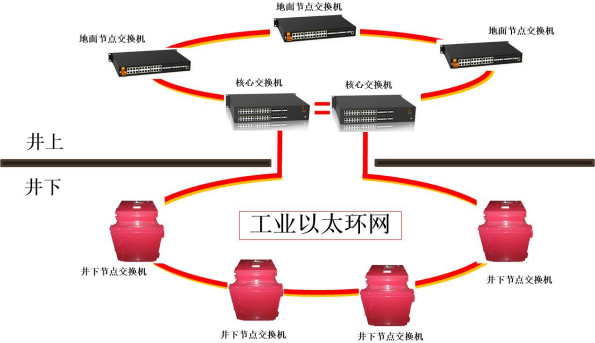
Mine Explosion-proof and Intrinsically Safe Industrial Ethernet Ring Network (10 Gigabit/Gigabit)
Chongqing Mas Sci&Tech Co., Ltd.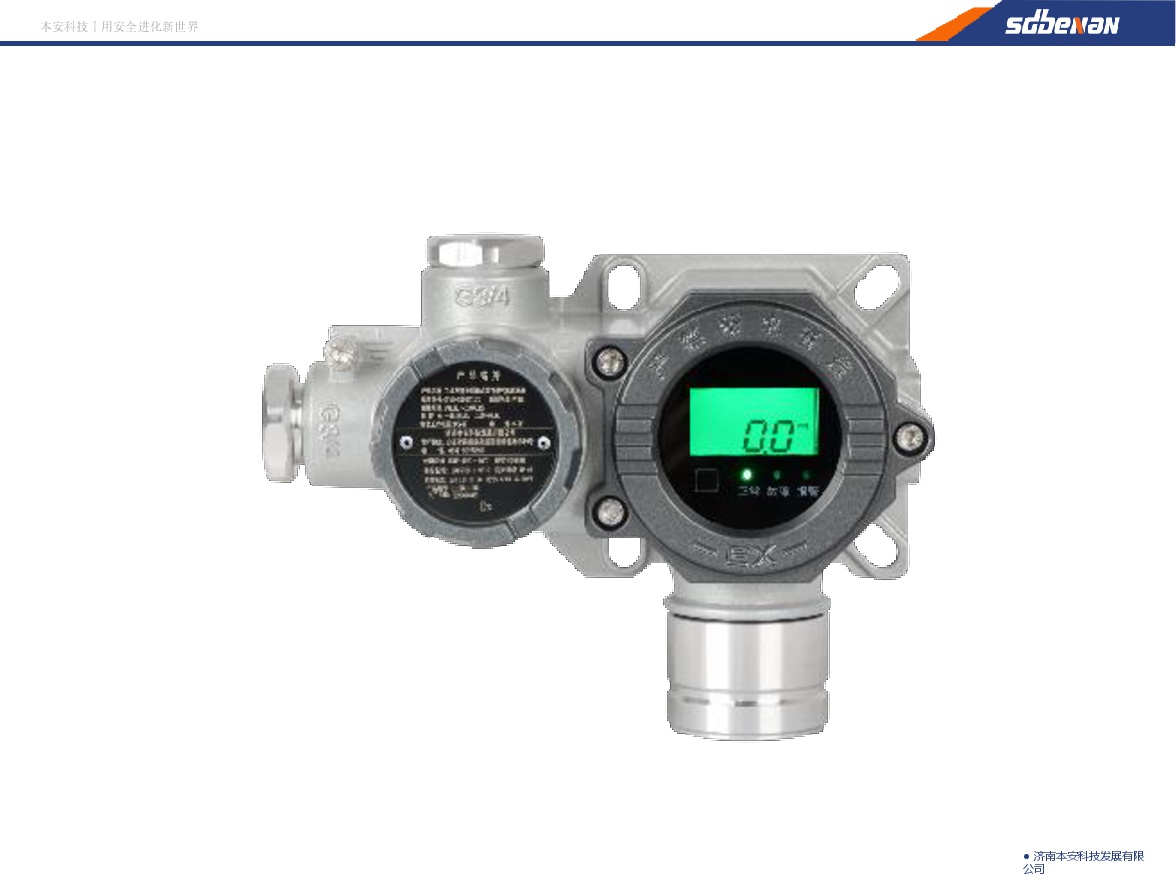
Industrial and Commercial Point-Type Gas Detector
Jinan Benan Technology Development Co., Ltd.
MUX Series Communication Interface Device for Security and Stability Control System
Nanjing NR Electric Co., Ltd.

GYTA Type Non-Self-Supporting Aerial/Duct Optical Cable
TONGDING INTERCONNECTION INFORMATION CO., LTD.
G.652.D Wavelength-extended Non-dispersion Shifted Single-mode Optical Fiber
HONGAN GROUP CO., LTD.