US Baker Hughes: Total Oil and Gas Rig Count Holds at 588
en.Wedoany.com Reported - According to the weekly statistics released by Baker Hughes on August 28, as of that day, the total number of active oil and gas rigs in the US stood at 588, unchanged from the previous week, an increase of 52 rigs, or 9.7%, compared with the same period in 2025. Over the past 90 days, the total US oil and gas rig count has increased by 26 rigs.
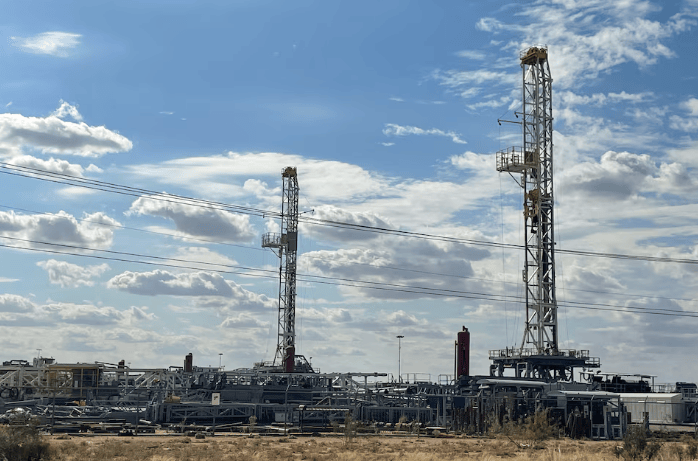
This week, oil rigs decreased by 5 to 447, natural gas rigs increased by 5 to 132, and other rigs remained at 9. Oil, natural gas, and other rigs accounted for 76%, 22%, and 2% of the total, respectively. The natural gas rig count is close to the 2026 high of 134 rigs set in February; compared with the same period last year, oil rigs increased by 35, and natural gas rigs increased by 13.
Among major producing regions, the Permian Basin rig count remained at 267, an increase of 11 rigs year-over-year; the Eagle Ford Basin remained at 52 rigs, an increase of 10 rigs year-over-year; the Haynesville Basin increased by 1 to 71 rigs, an increase of 20 rigs year-over-year. The Appalachia Basin decreased by 1 to 34 rigs, and the Gulf of Mexico rig count decreased by 1 to 8 rigs, down 2 and 3 rigs year-over-year, respectively.
Texas rig count increased by 1 to 282, the highest level since February 2025. The total US oil and gas rig count declined by 20%, 5%, and 7% in 2023, 2024, and 2025, respectively; it rebounded to 588 on July 17, 2026, and has since remained mostly between 587 and 593 rigs for most weeks.
According to the US Energy Information Administration's August Short-Term Energy Outlook, US crude oil production is expected to increase from an average of 13.59 million barrels per day in 2025 to 13.8 million barrels per day in 2026, with the average WTI spot price expected to rise from $65 per barrel to $81 per barrel. US marketed natural gas production is expected to increase from an average of 118.5 billion cubic feet per day in 2025 to 122.5 billion cubic feet per day, with the Permian Basin and Haynesville Basin being the main regions driving natural gas production growth in the first half of the year.
Related Products

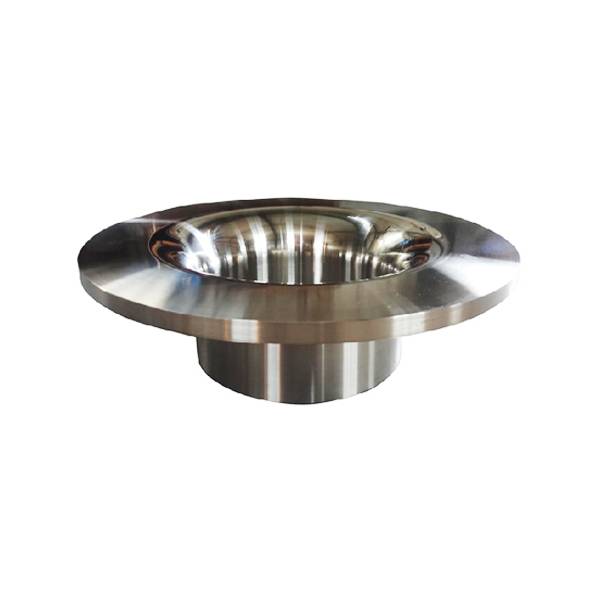
Standard Nozzle Flowmeter
Jinggong Automatic Control Instrument Complete Technology Development Company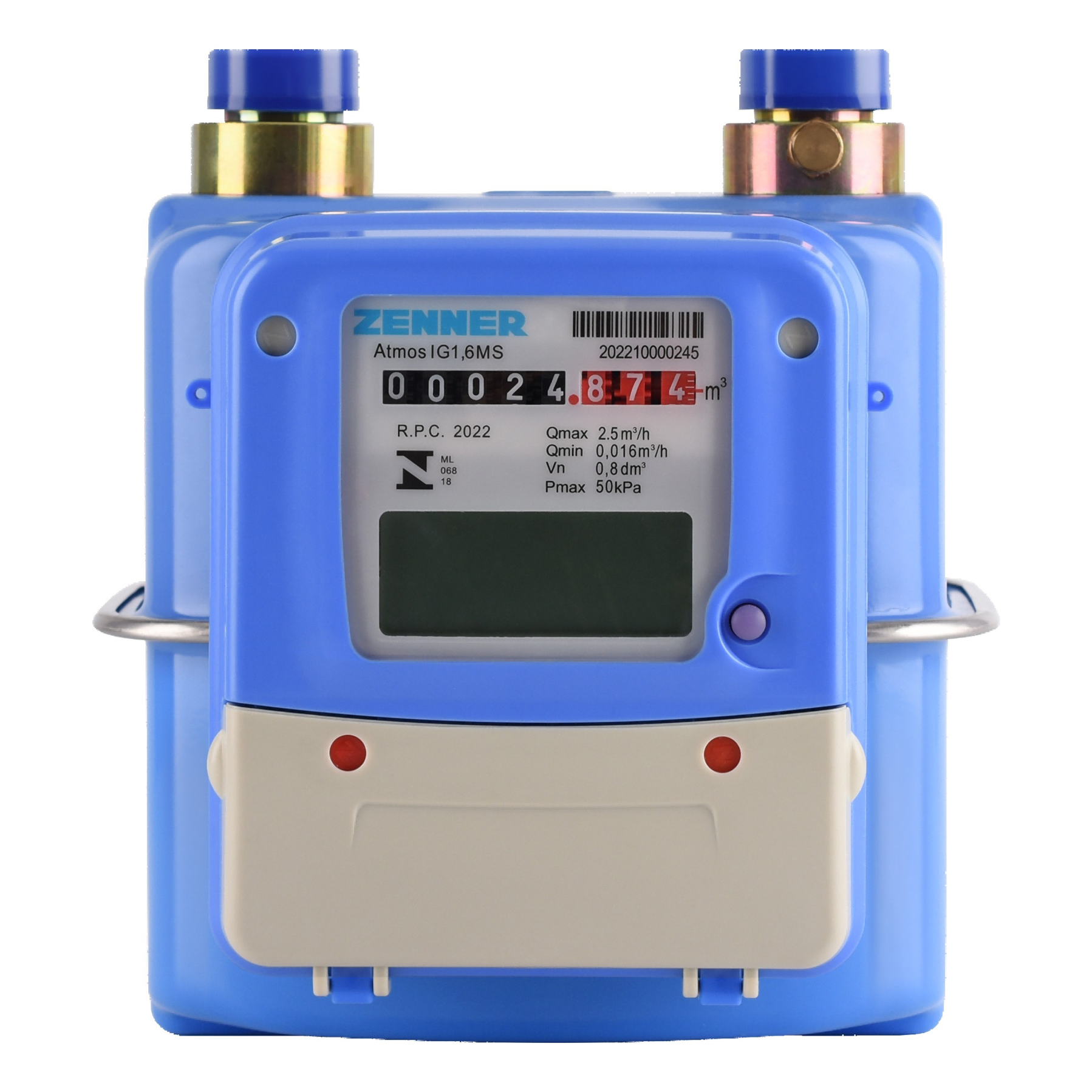
Modular Multifunctional Water Supply and Drainage Vehicle (18T)
Changsha Dewater Machinery Technology Co., Ltd.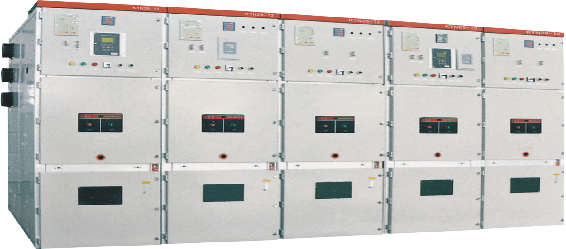
KYN28-12/24 Indoor High-Voltage Metal-Clad Removable Switchgear
Shenzhen Zhaoyang Hui Technology Co., Ltd.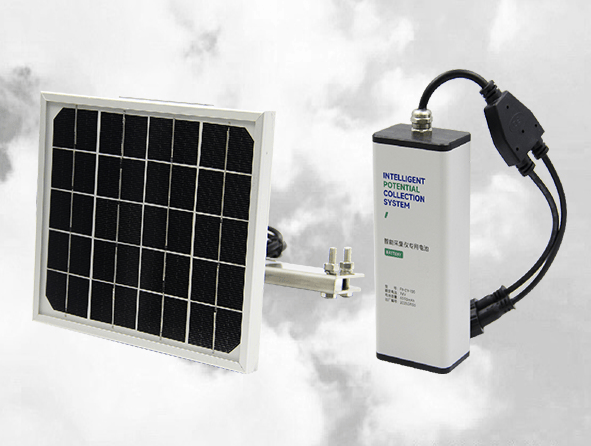
Inductive Power Harvesting Self-Powered Device - Safuneng
SELF ENERGY TECHNOLOGY (SHENZHEN) CO., LTD.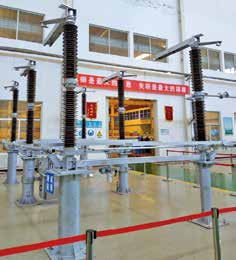
GW4-40.5/72.5/126/145/170/252/363/420 Series Double-column Horizontal Rotary High-voltage AC Disconnect Switch
SHANDONG TAIKAI DISCONNECTORS CO., LTD.