Portuguese Quercus Association opposes extraction of 101 hectares of kaolin clay in Peniche
en.Wedoany.com Reported - The environmental association Quercus publicly stated this Friday that it opposes the future plan to extract kaolin and clay in the municipality of Peniche, citing the proximity of the mining area to residential areas and the potential negative impacts on water and air quality. In a press release, the association stated its opposition to new open-pit kaolin mines in the Oeste region, particularly in areas adjacent to residential settlements, areas at risk of damaging sensitive habitats, or areas where cumulative extraction pressure exceeds the region's carrying capacity. Quercus has called on the Portuguese Environment Agency (APA) to issue an unfavorable Environmental Impact Statement (DIA), or to suspend the process pending further in-depth studies.
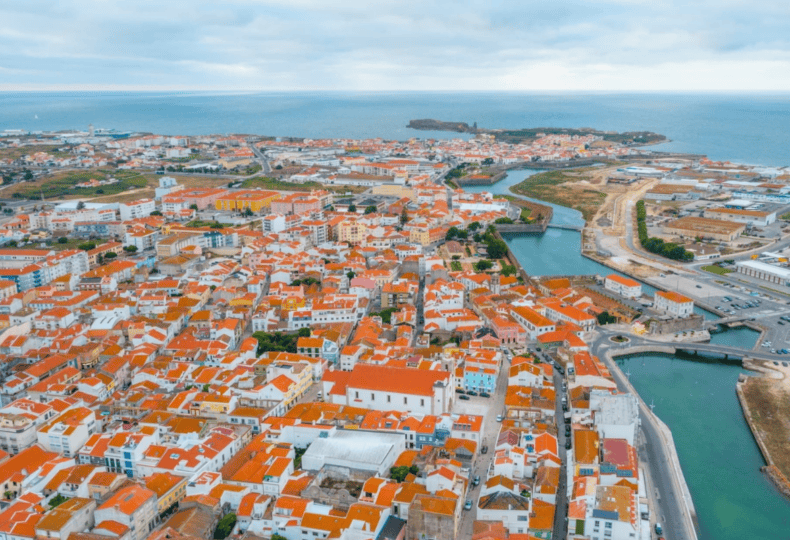
Quercus noted that the extraction operations and the sand washing process used to separate kaolin require large amounts of water, which could lead to aquifer degradation and contamination, and affect the quality of public water supply from the São Domingos Reservoir (Albufeira de São Domingos). Fine dust emissions from excavation and transport activities pose a direct health risk to residents of nearby settlements such as Casais de Mestre Mendo and Serra d'El-Rei.
The association considers that the Environmental Impact Assessment (AIA) omitted the monitoring and quantification of respirable crystalline silica, a known carcinogen abundantly present in quartz-rich kaolin sands; the assessment also failed to calculate the total annual greenhouse gas emissions the mine would generate.
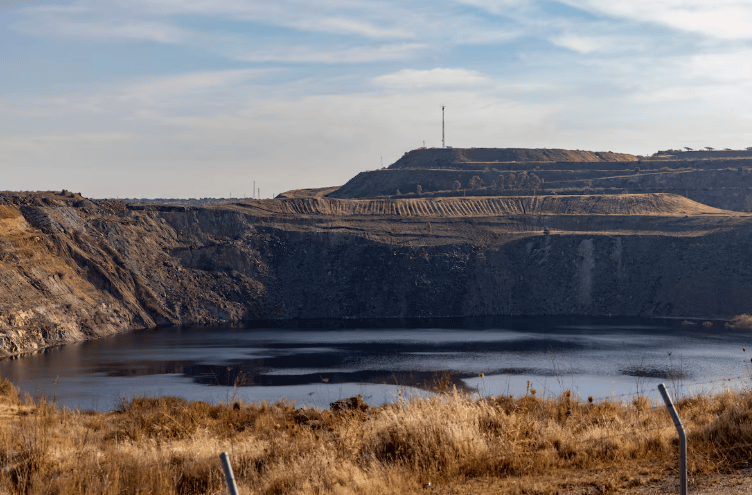
In terms of ecological impact, the mining concession would involve 471 of the 662 existing cork oaks, while compensation plans only include 300 new trees; it would also affect 9 vulnerable animal species, a humid heathland habitat, and the native plant Drosophyllum lusitanicum. Quercus also warned that the construction of excavation pits would irreversibly alter the topography, leaving a long-term environmental liability if the final landscape restoration plan is not implemented.
The association added that the project does not establish a financial guarantee for regional restoration after the concession contract ends; and since the developer Motamineral – Minerais Industriais, S. A. is headquartered in Alvarães (Viana do Castelo district), the project would not generate local tax revenue for the region.
The municipalities of Óbidos and Peniche, both in the Leiria district, as well as the parishes of Atouguia da Baleia, Peniche, and Serra d'El-Rei in Peniche, all issued unfavorable opinions during the public consultation phase of the Environmental Impact Assessment, which concluded this Tuesday. Quercus also urged the Intermunicipal Community of the West (Comunidade Intermunicipal do Oeste) to intervene in the matter.
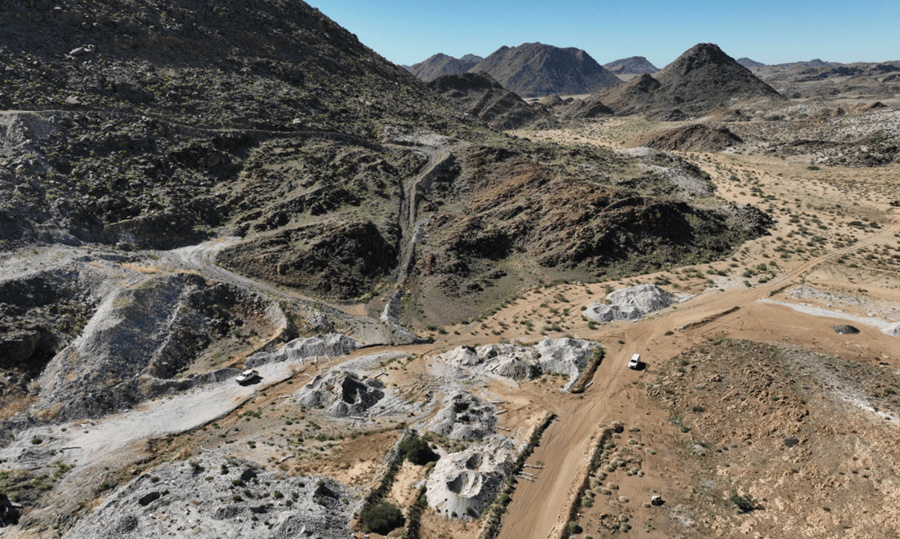
According to the non-technical summary of the project's Environmental Impact Assessment, the mining area, named "Royal China Clay," is located in the parish of Serra d'El-Rei, covering an open-pit extraction area of 101 hectares, granted by the state to Motamineral – Minerais Industriais, S. A. for a period of twenty years. Three extraction core zones are defined within the mining area, totaling 51.4 hectares, with a designed total annual output of approximately 569,100 tons, including approximately 31,800 tons of kaolin, 270,000 tons of washed sand, and 267,300 tons of common clay.
The above information comes from the press release issued by Quercus and the non-technical summary of the project's Environmental Impact Assessment.
Related Products

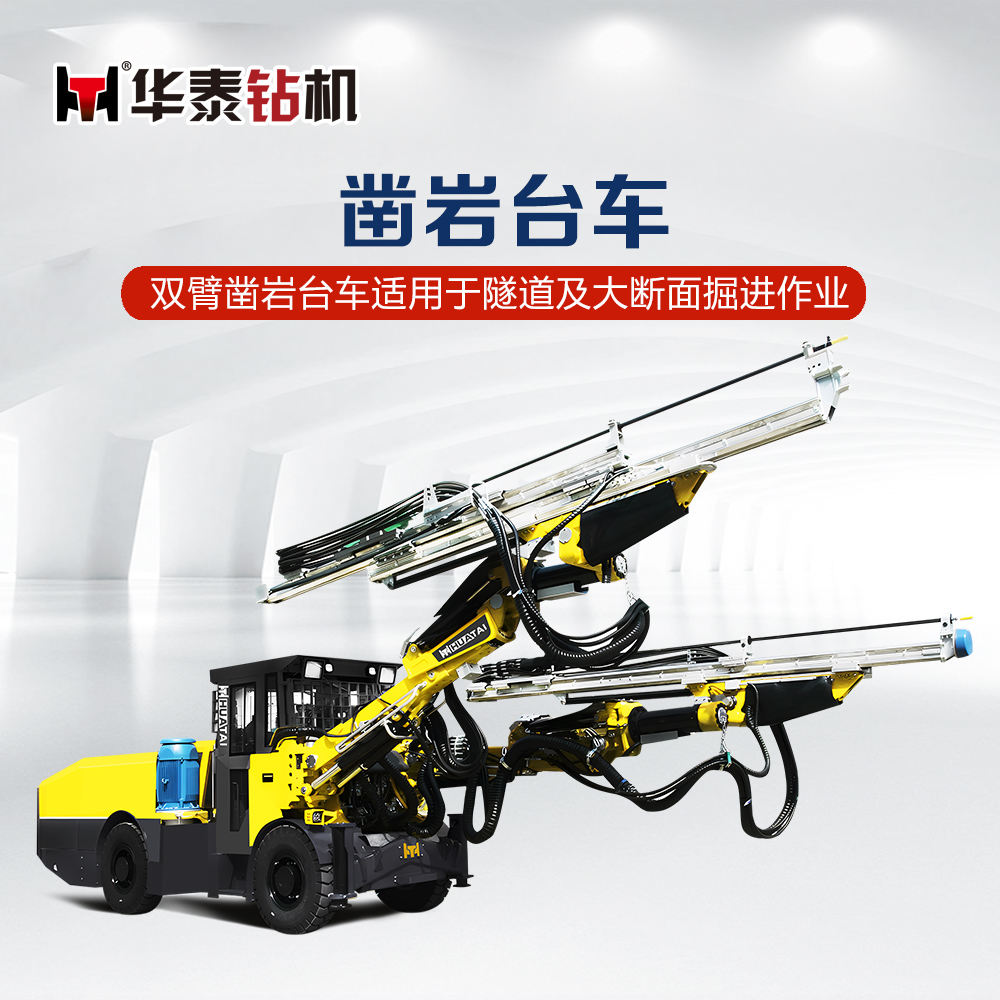
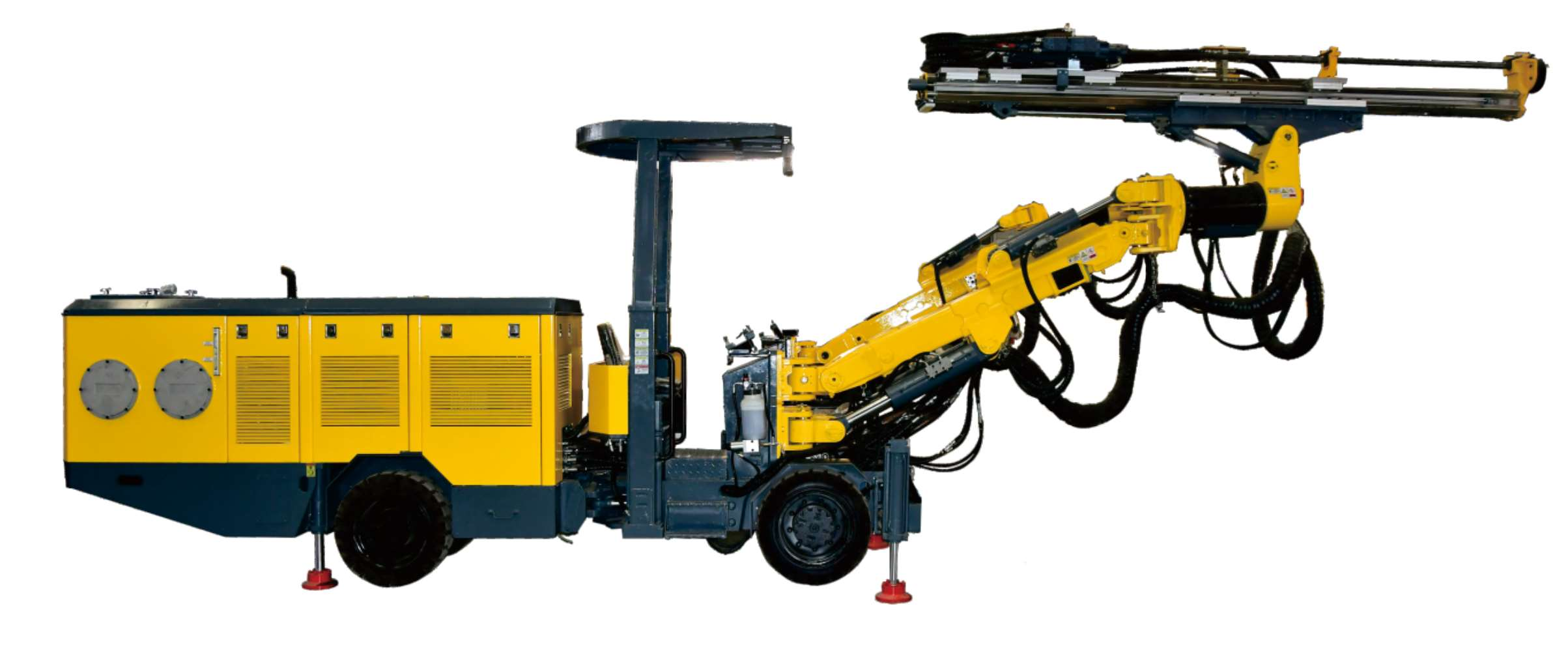
CYTJ45/2 Mining Hydraulic Tunneling Drill Rig
Zhangjiakou Xuanhua Huatai Mining and Metallurgical Machinery Co., Ltd.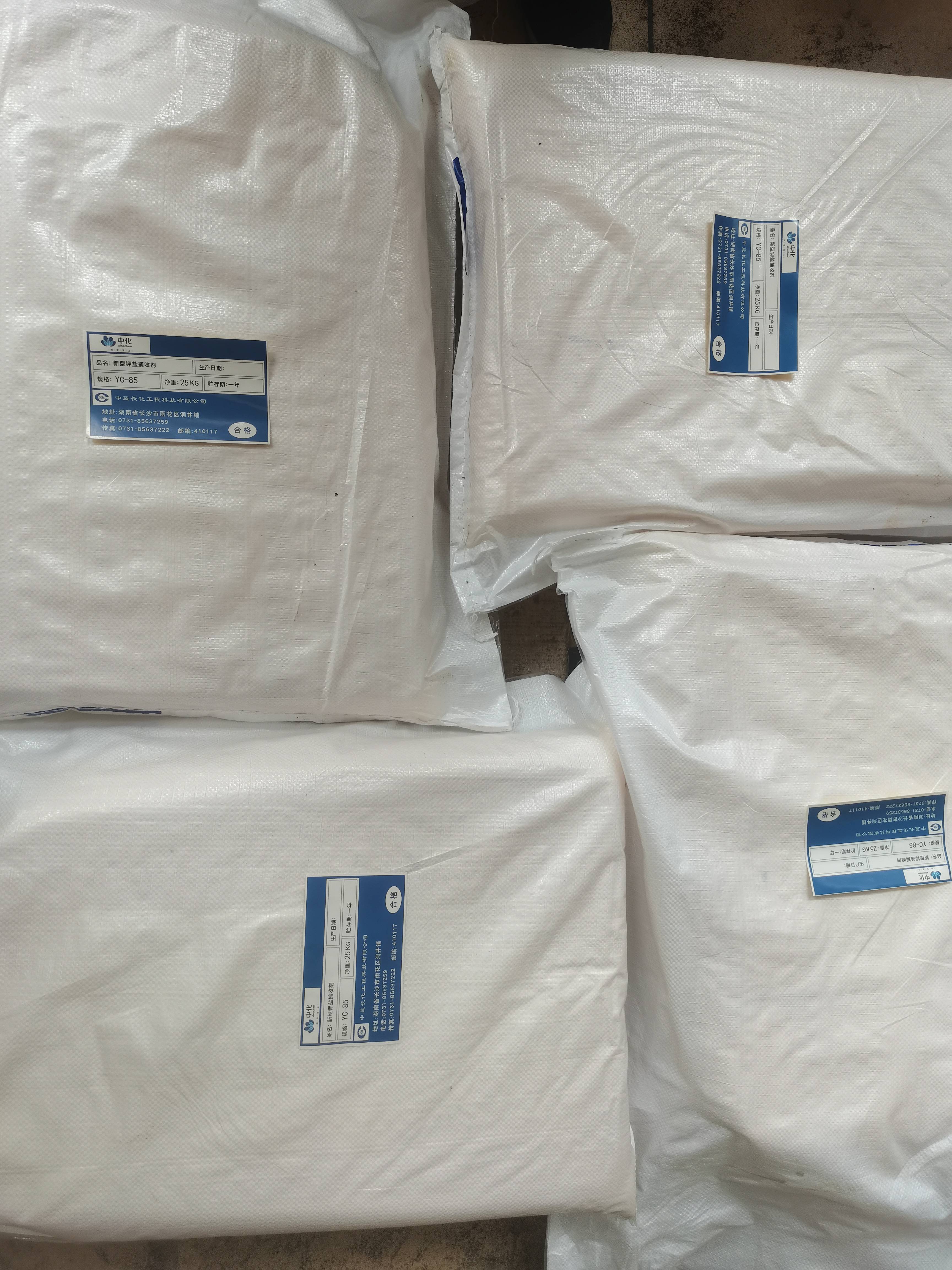
New Environmentally Friendly Green Potassium Salt Collector
Chonfar Engineering and Technology Co., Ltd.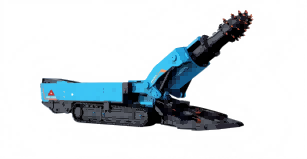
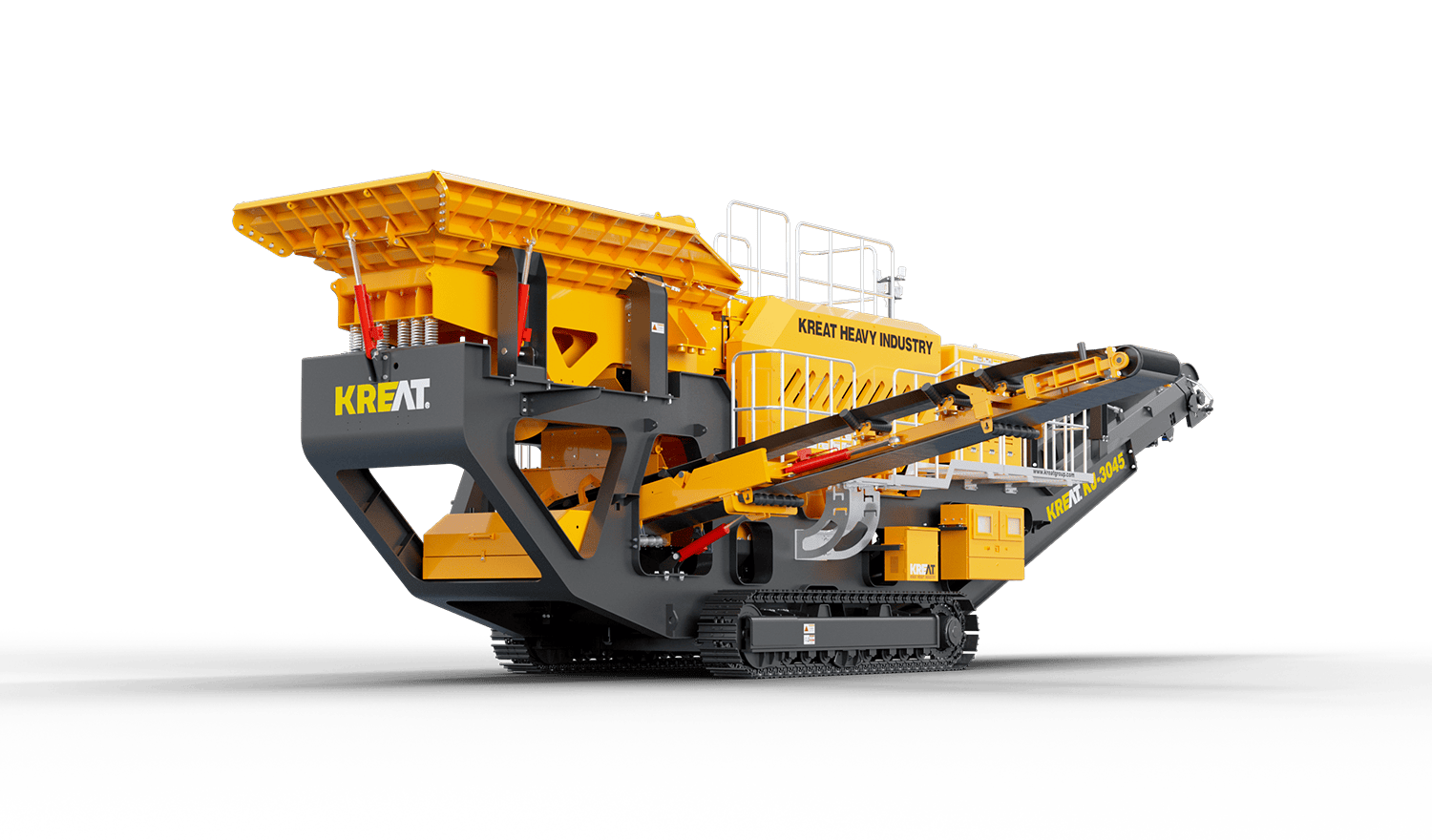
KJ-3045 Crawler Mobile Jaw Crushing Station
Yunnan Kairuite Construction Machinery Equipment Co., Ltd.

Mine Explosion-proof and Intrinsically Safe Industrial Ethernet Ring Network (10 Gigabit/Gigabit)
Chongqing Mas Sci&Tech Co., Ltd.