VELUX and WWF Finalize 450,000 Hectare Forest Portfolio Across Madagascar and Other Countries
en.Wedoany.com Reported - The VELUX Group, through its 20-year partnership with the World Wide Fund for Nature (WWF), has identified the fourth and final project in its forest protection and conservation portfolio—the Vanilla Forest project in northern Madagascar. Covering 275,000 hectares, this project joins existing initiatives in Vietnam and Uganda to form a total forest portfolio exceeding 450,000 hectares, with the goal of reducing and removing 4.5 million tonnes of CO2 once fully implemented.
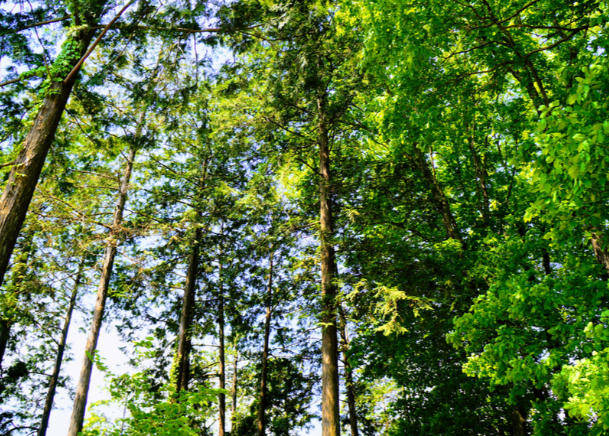
WWF notes that more than 80% of the world's terrestrial animals, plants, and insects call forests home. The Vanilla Forest project is located in the northern highlands of Madagascar, an area featuring biodiverse landscapes, endangered species, and communities whose livelihoods depend on sustainable vanilla production. The project focuses on protecting existing forests while supporting the restoration of degraded areas.
The VELUX-WWF collaboration began in 2020 with a commitment to address the company's estimated historical Scope 1 and Scope 2 carbon footprint dating back to its founding in 1941. The forest portfolio also includes tropical forests in Vietnam and Uganda, as well as mangroves and terrestrial rainforests in Madagascar, with each project benefiting climate, biodiversity, and local communities while supporting landscape-scale conservation.
Lars Petersson, CEO of the VELUX Group, stated that together with WWF, the Group has now identified areas where millions of tonnes of CO2 will be reduced and removed once the projects are implemented. He believes sustainability will continue to shape tomorrow's successful companies and expressed pride in the steady progress toward this goal as the partnership enters its sixth year. Completing the full portfolio is a significant milestone, but the Group remains fully committed to achieving its objectives.
These forest projects are classified as mitigation measures outside the value chain, separate from the company's own decarbonization activities and value chain emissions, and are designed to contribute to broader climate action and nature conservation rather than offset emissions from company operations. The projects combine protection of existing forests with restoration of degraded landscapes, helping both to prevent the release of stored CO2 and to increase carbon absorption potential through tree growth.
Fleming Voetmann, Vice President of Public Affairs & Product Regulation at VELUX, told Sustainability Magazine that the forest partnership is an important part of the Group's responsibility for its historical footprint, while the Group simultaneously works to reduce emissions in its own operations and value chain. Protecting existing forests and restoring degraded areas delivers significant benefits for climate, nature, and local communities, and the Group is proud to support this work at scale and over the long term.
The climate benefits of these projects are also intended to contribute to the climate goals of the host countries. VELUX does not intend to use verified carbon units generated by the collaboration to offset its own emissions, thereby maintaining a clear distinction between forest investments and the company's emission reduction efforts. The Group estimates that the 4.5 million tonne CO2 target reflects the scale of its historical Scope 1 and Scope 2 carbon footprint since 1941.
WWF forest data shows that forests provide a home for approximately 68% of mammal species, 75% of bird species, and 80% of amphibian species; as carbon sinks, forests store around 70% of their carbon in the soil, helping to stabilize the global climate. Up to 15 billion trees are cut down globally each year, and human activity has so far caused the loss of approximately 40% of the world's forests; since 1970, monitored forest vertebrate populations have declined by 53%.
The company expects that the above reduction and removal targets will be achieved as the projects are fully implemented over the course of the 20-year partnership. Once the portfolio is fully established, implementation, monitoring, and protection activities across the four landscape areas will continue.
Mikkel Aarø-Hansen, Secretary General of WWF Denmark, stated that according to the World Economic Forum, more than half of global GDP depends on nature, which is why private companies need to genuinely step up their efforts to address climate change and the rapidly accelerating loss of biodiversity. He hopes more companies will be inspired by the VELUX Group to join in funding ambitious forest conservation projects. The partnership also aims to create a platform to attract additional partners to forest conservation and restoration projects in the coming years.
The portfolio goes beyond carbon removal, placing biodiversity and local livelihoods on equal footing with climate action. The communities in the Vanilla Forest project area depend on sustainable vanilla production, linking forest conservation to economic activity. The four projects' focus on tropical, mangrove, and terrestrial rainforest ecosystems provides opportunities to protect habitats and support species under pressure from environmental change and land degradation. This approach also reflects the growing role of private sector investment in nature conservation beyond corporate value chains.
With the VELUX forest portfolio now complete, the next phase will focus on achieving and tracking conservation outcomes across more than 450,000 hectares of land.
In addition to VELUX, WWF has established partnerships with several other companies. HSBC has collaborated with WWF on nature and climate since 2002 and, together with the World Resources Institute, runs the Climate Solutions Partnership, supporting renewable energy, agroforestry, and climate resilience projects across Asia. Anheuser-Busch InBev works with WWF to address water challenges in high-risk river basins, building on pioneering water footprint accounting work with SABMiller in 2008; current projects in Africa and South America focus on improving water availability and quality, restoring freshwater ecosystems, supporting sustainable agriculture, and enhancing community resilience.
Marks & Spencer partners with WWF to advance sustainability across its food and fashion businesses, encompassing early initiatives on sustainable seafood, cotton production, freshwater risk, and marine protection, while supporting broader industry initiatives. KPMG International collaborates with WWF to support the transition to a net-zero, nature-positive economy; a 2026 global survey found strong support among businesses for taking action, though relatively few companies currently integrate social factors into their transition plans. AstraZeneca works with WWF to protect freshwater ecosystems and encourage stronger water stewardship in the pharmaceutical industry. GSK, meanwhile, partners with WWF to protect and restore freshwater ecosystems in India, Pakistan, and Algeria, using nature-based solutions to improve water availability, restore wetlands, and support local communities, with targets to replenish over 300,000 cubic metres of water and positively impact more than 100,000 people by 2030.
Related Products


MH220E Two-Row Hybrid Packaged Cotton Picker
CHINA RAILWAY CONSTRUCTION HEAVY NDUSTRY XINJIANG CO., LTD.
714CD Series C-Band Weather Radar
Chengdu Zhongdian Jinjiang Information Industry Co., Ltd.

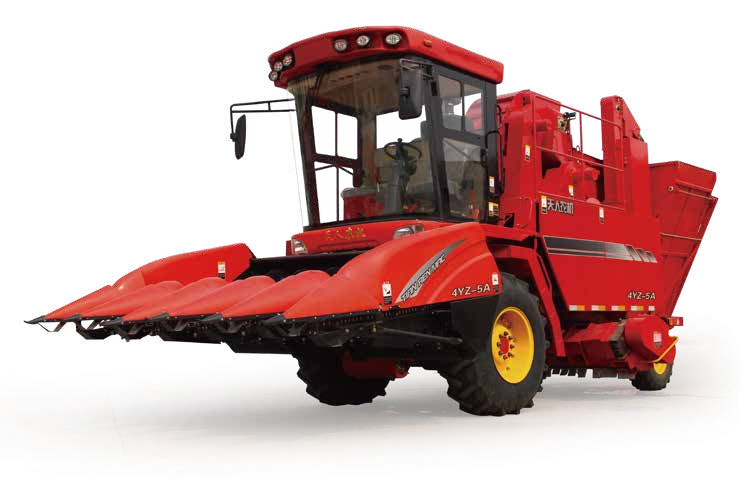
4HS-8 High-efficiency Peanut Inverted-laying Harvester
Hebei Yongfa Hongtian Agricultural Machinery Manufacturing Co., Ltd.
Industrial and Commercial Point-Type Gas Detector
Jinan Benan Technology Development Co., Ltd.