Battelle Develops Protein-Based Rare Earth Separation Technology with Purity Exceeding 90%
en.Wedoany.com Reported - Battelle, a U.S.-based research organization, has developed a protein-based rare earth separation technology that promises to offer American manufacturers a recycling solution with fewer processing steps. The technology utilizes engineered calcium-binding proteins to separate lanthanum and neodymium in a single-stage process, achieving both purity and recovery rates exceeding 90%.
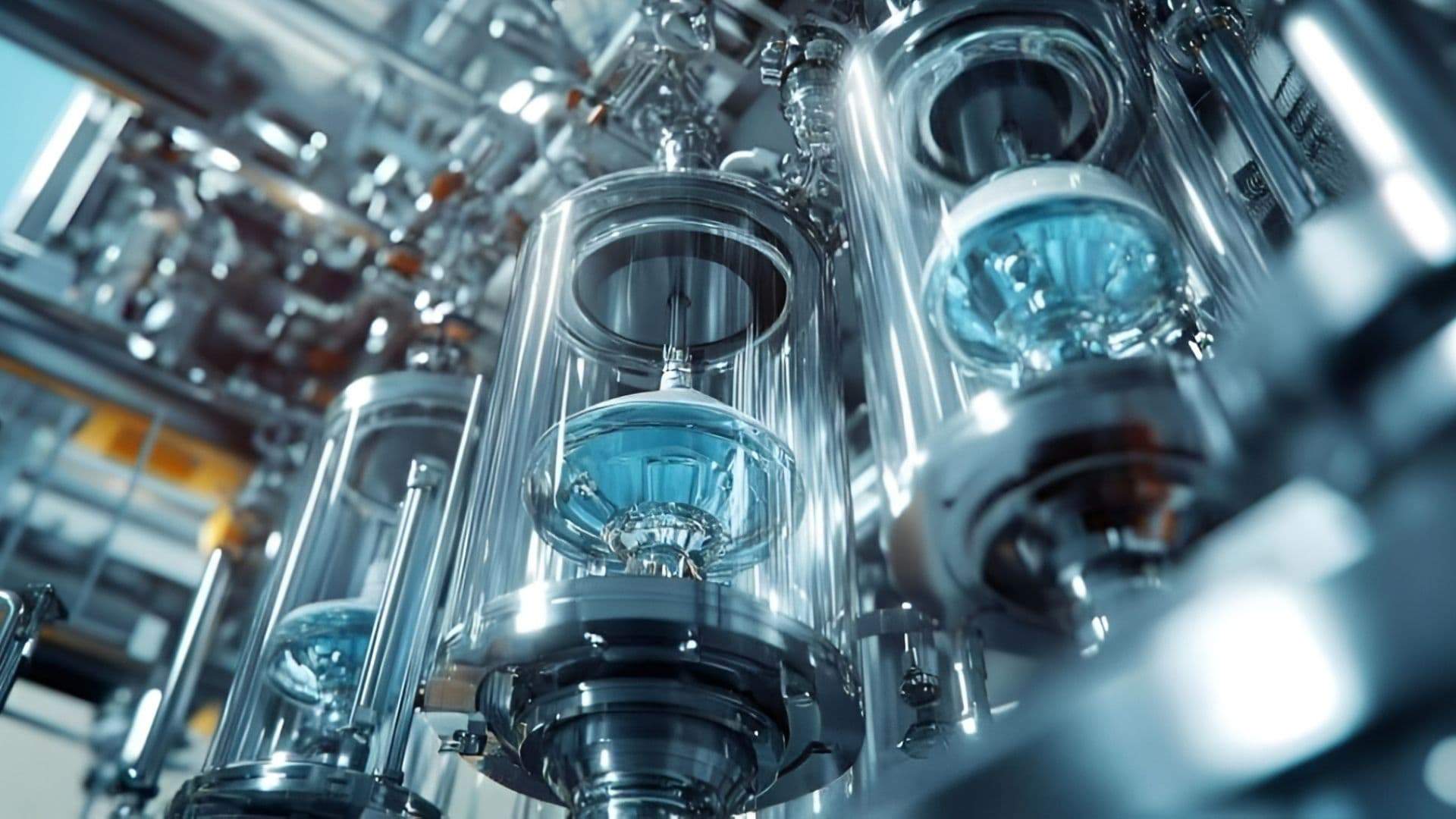
Rare earth elements are critical materials for permanent magnets in electric vehicles and wind turbines, as well as for smartphones, defense equipment, and advanced computing hardware. Because many rare earth elements behave similarly in conventional chemical separation, separation and processing rank among the most challenging steps in the mineral supply chain. As demand for related applications grows, the United States has been seeking ways to reduce vulnerabilities in its critical mineral supply chain, and this new separation technology could help expand domestic processing options without relying entirely on existing chemical routes.
The Battelle research team shifted the chemical engineering challenge onto a biological track. They designed calcium-binding proteins capable of distinguishing between different rare earth elements at the molecular level and engineered calcium-binding peptides so that the proteins can selectively interact with specific rare earth elements. As a result, the process does not require repeated chemical treatments—target elements in mixed feed streams can be directly recognized by the engineered proteins.
In tests using simulated leach solutions and industrial feedstocks, the team verified that the method can also remove non-rare-earth ions from the feed stream. In single-stage separation trials targeting lanthanum and neodymium, both purity and recovery rates exceeded 90%.
Dr. Kate H. Kucharzyk, the lead researcher at Battelle, believes biology can broaden the toolbox available for mineral recovery. "Biology may provide important new building blocks for separation and recovery solutions," she said. "Engineered proteins can selectively recognize and separate rare earth elements with extraordinary precision."
The research was funded by the U.S. Defense Advanced Research Projects Agency (DARPA) under its "Environmental Microbes as a Bioengineering Resource" program. Battelle stated that the protein-based process has the potential to be scaled up for commercial applications.
Moving from the laboratory to industrial application, engineering challenges remain. Large-volume material processing may require significant changes in protein production, recovery, and system design. Researchers also need to confirm the performance of engineered proteins across different feedstocks and real-world operating conditions, as industrial mineral feedstocks are compositionally complex and differ from controlled laboratory samples.
The durability of proteins over repeated processing cycles is equally critical—any commercial system must maintain consistent separation performance while controlling operating costs. This demonstration highlights a convergence point between biotechnology and mineral processing, and engineered proteins may ultimately provide a new tool for domestic recovery of strategic materials in the United States.
Related Products

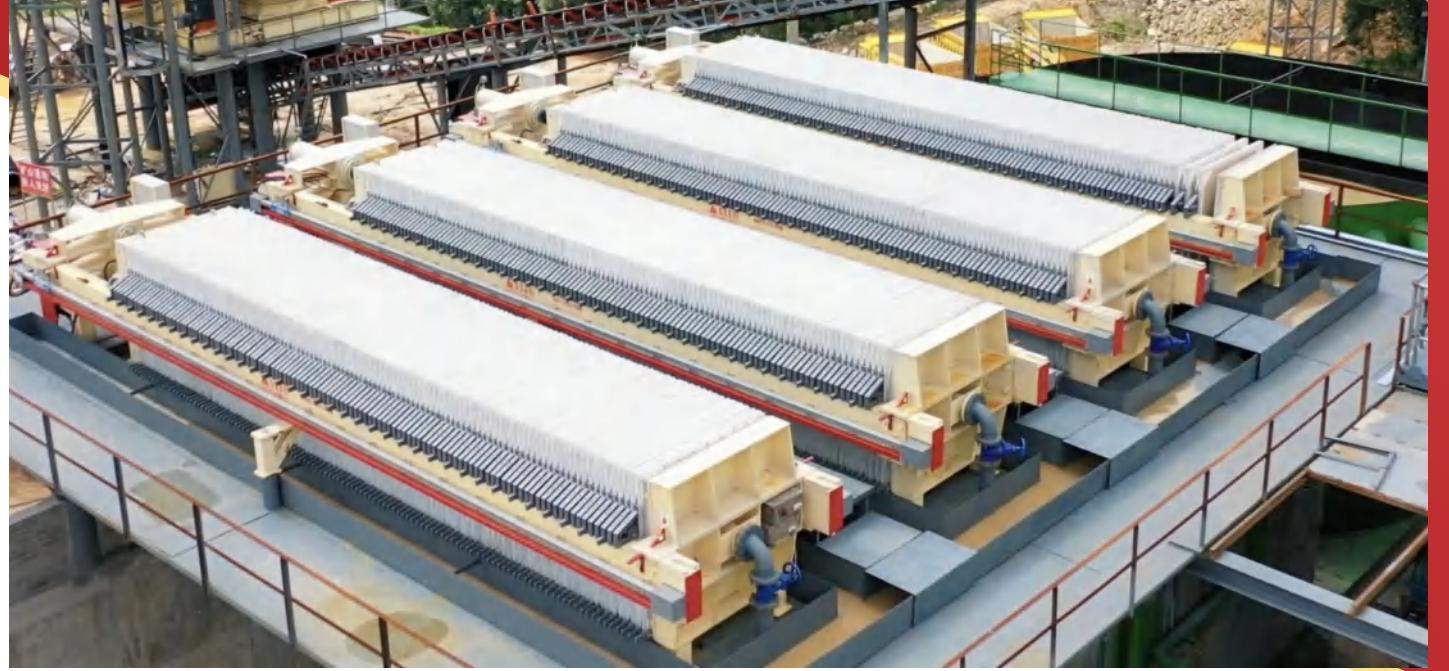
Hydraulic Plate and Frame Filter Press
Guangdong Leimeng Intelligent Equipment Group Co., Ltd.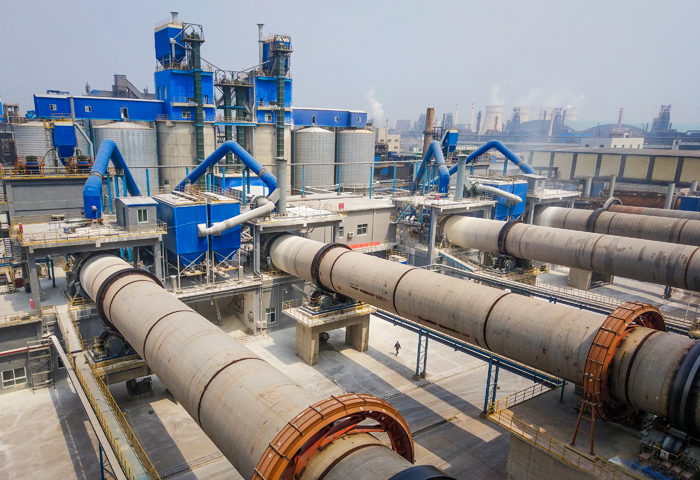
CITIC Heavy Industries Metallurgical Equipment Steel Smelting Engineering Equipment
CITIC Heavy Industries Co., Ltd.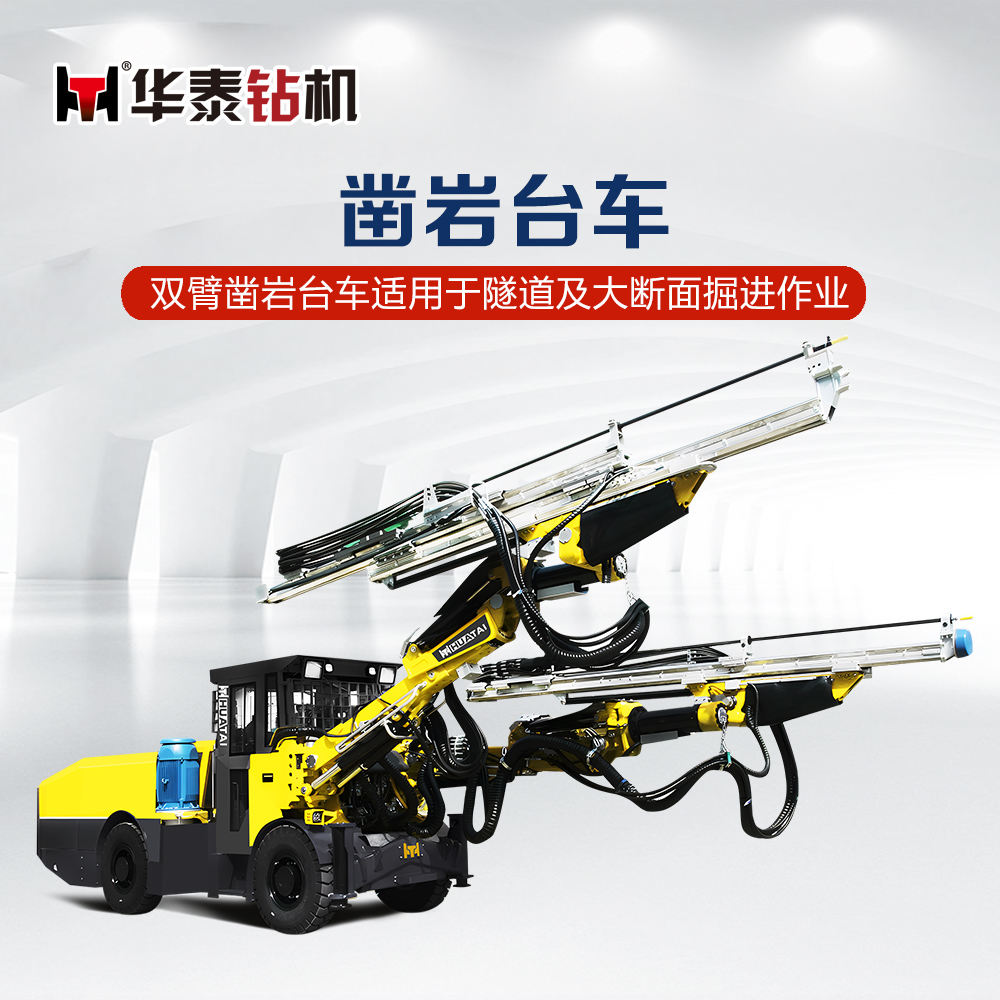
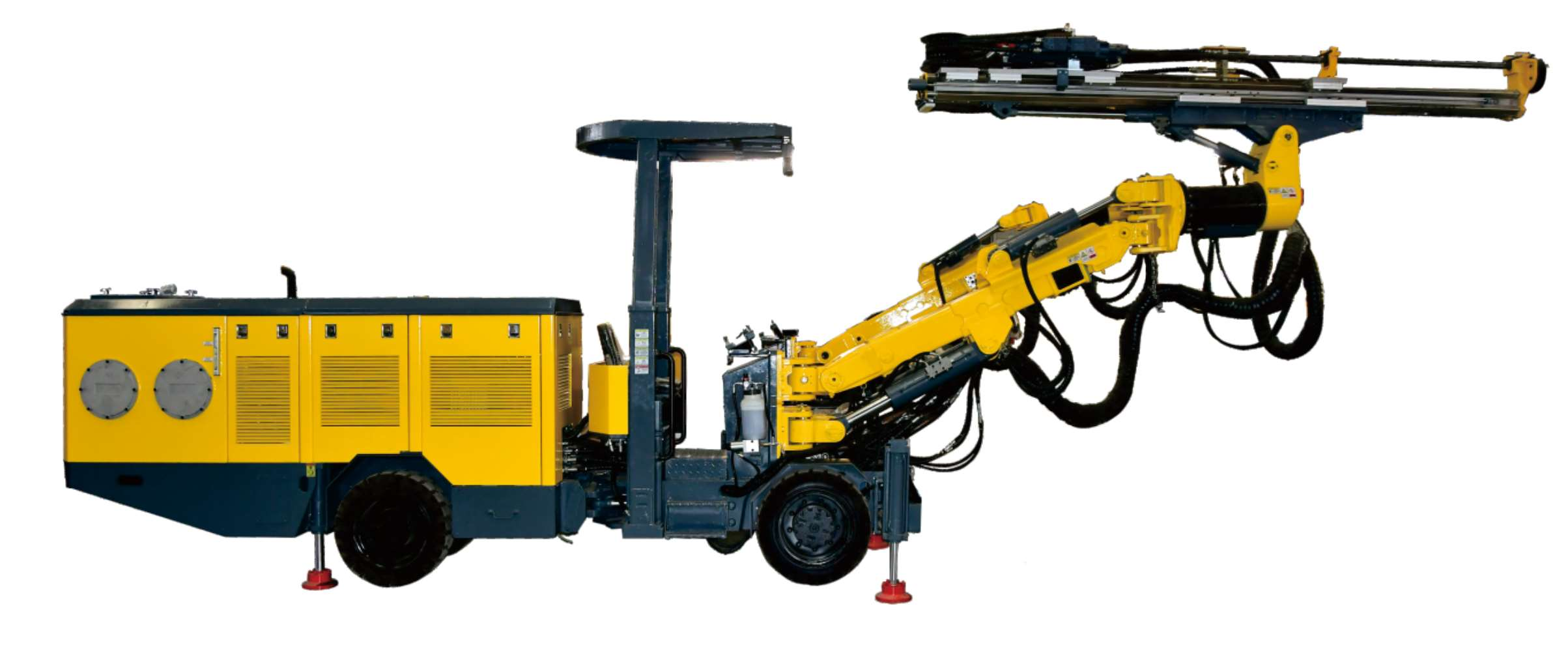
CYTJ45/2 Mining Hydraulic Tunneling Drill Rig
Zhangjiakou Xuanhua Huatai Mining and Metallurgical Machinery Co., Ltd.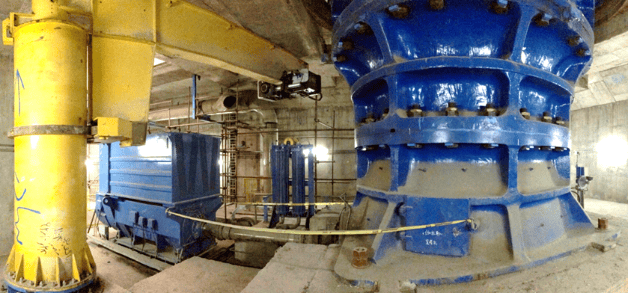
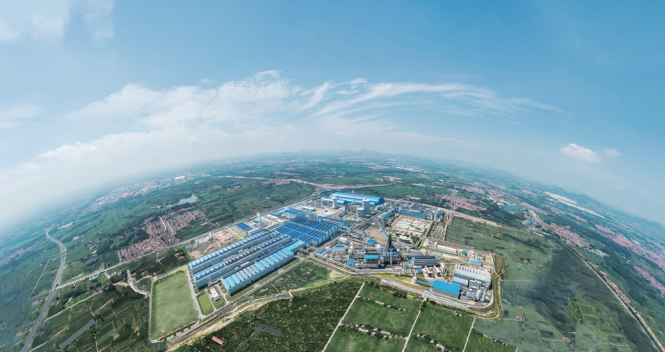
Linyi Steel Investment Special Steel 2.7 Million Tons per Year High-quality Special Steel Project
Capital Engineering & Research Incorporation Limited