CATL Unveils TECTRANS II Commercial Vehicle Battery Platform in Germany, Offering Up to 1,000 km Range
en.Wedoany.com Reported - On September 14, CATL unveiled its next-generation commercial vehicle battery platform, TECTRANS II, at IAA Transportation 2026 in Hannover, Germany. The platform features a standardized, modular design that can be adapted to different vehicles and transportation scenarios by combining different numbers of battery packs, delivers a maximum range of up to 1,000 km, and is compatible with both electric drive axles and central drive architectures, supporting both charging and battery swapping as energy replenishment modes. CATL stated that TECTRANS II is aimed at commercial transport vehicles such as heavy-duty trucks, with a focus on addressing range, payload, replenishment efficiency, and vehicle platform adaptability.
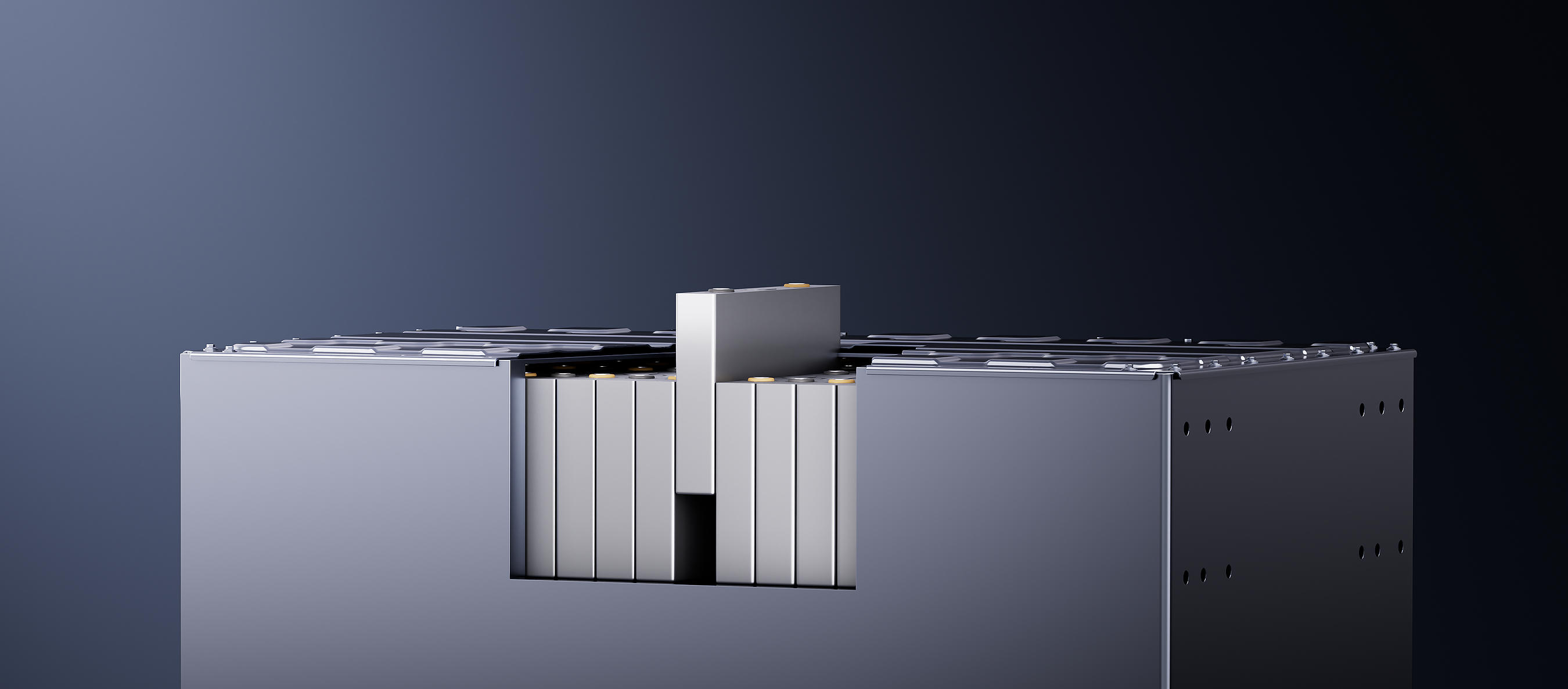
TECTRANS II standardizes the external dimensions, electrical interfaces, and communication protocols of battery packs, while allowing subsequent cell chemistries and battery pack designs to continue evolving. For OEMs, the same vehicle platform can adjust capacity and range by adding or removing standard battery packs, eliminating the need to separately redevelop battery systems for different vehicle models. CATL disclosed that this modular approach can shorten vehicle development cycles by approximately 50% and reduce R&D costs by 60% to 70%.
In terms of power battery parameters, the TECTRANS II system achieves a gravimetric energy density of 170 Wh/kg. CATL claims that under the same battery capacity, vehicles can gain approximately 0.6 tonnes of additional payload compared with the industry average. The platform's top configuration supports a range of 1,000 km and can use megawatt-level fast charging to replenish 80% of charge in 25 minutes, primarily targeting the balance between vehicle range and downtime in long-haul trunk logistics.
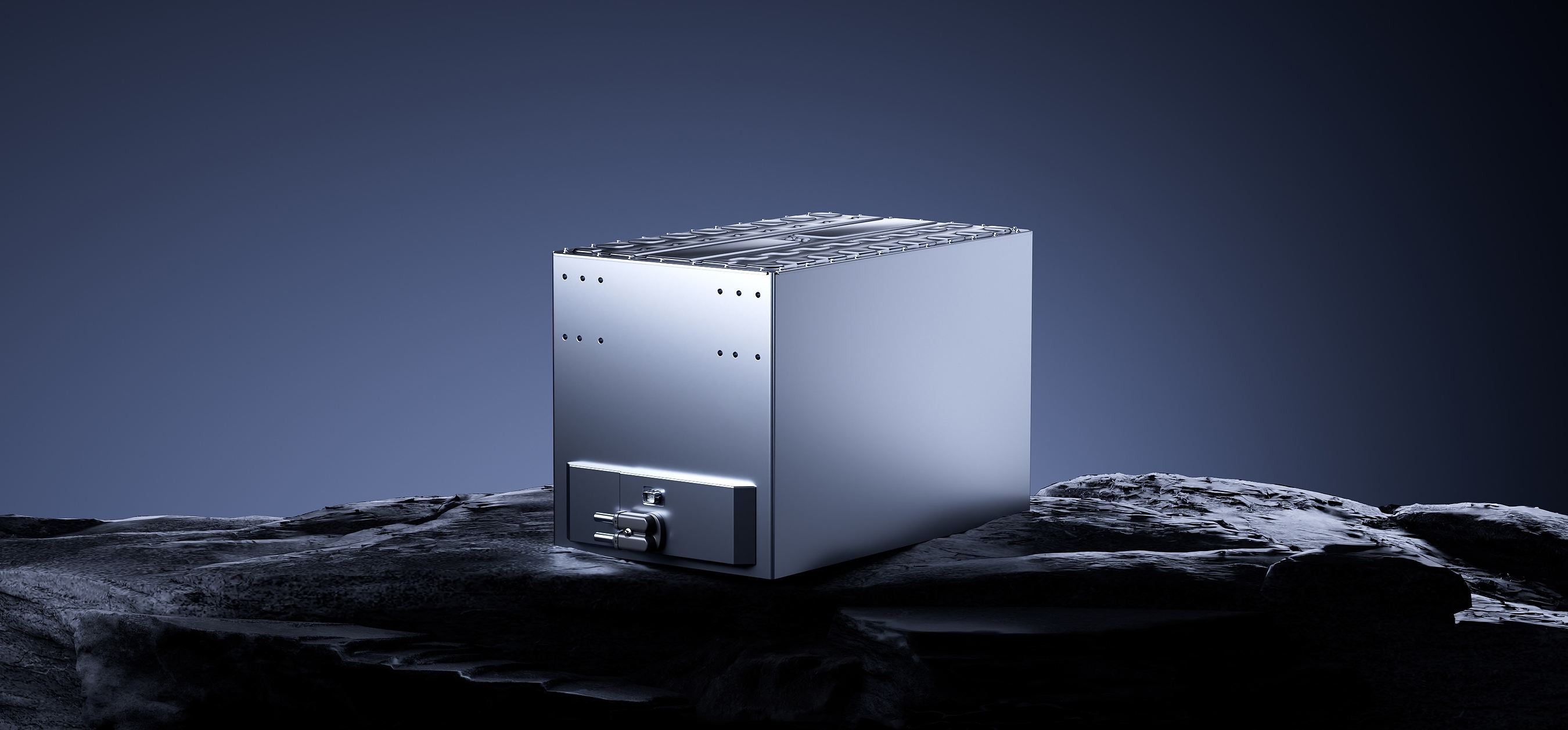
The new platform also adopts an all-tab low-impedance design, achieving a system round-trip efficiency of 96%. Addressing the high-frequency operation characteristics of heavy-duty trucks, its design life is 12 years or 1.5 million km, with a target capacity retention rate of 70% after the corresponding life cycle. In terms of structural protection, the battery pack features a hot-formed steel upper cover, an aluminum alloy extruded enclosure, and a reinforced bottom plate, achieving bottom impact resistance of 1,000 joules, lateral crush resistance of up to 250 kilonewtons, and a design rated for 15 years of corrosion resistance.
In terms of the control system, TECTRANS II is equipped with a multi-branch independent BMS control architecture. When one battery branch fails, the system can isolate the faulty branch while the remaining branches continue to supply power. The platform also features insulation fault localization, which can determine whether an insulation issue originates from the battery system or other high-voltage components of the vehicle, and incorporates multi-layered cybersecurity protection spanning chips, software, and the entire vehicle system.
TECTRANS II is not CATL's first foray into the commercial vehicle battery market. During IAA Transportation 2024, the company had already launched the first-generation TECTRANS system, in which the heavy-duty truck ultra-fast-charging version supported 4C peak charging, replenishing 70% of charge in 15 minutes; the long-life version had a design life of up to 15 years or 2.8 million km, with heavy-duty truck products offering a range of approximately 500 km. The company subsequently introduced a long-range heavy-duty truck battery solution with a maximum capacity of 1,000 kWh and a range of approximately 800 km. This second-generation platform further raises the maximum range to 1,000 km and unifies battery interfaces, communication, and pack structure into a modular platform.
During the exhibition, CATL also signed a new memorandum of cooperation with DHL Group, planning to jointly build green freight corridors in Europe. The two parties will combine DHL's existing logistics network and actual transport routes to jointly develop electric commercial vehicles with OEMs and other partners, and conduct demonstration operations. The two parties had previously established cooperation in areas such as fleet electrification, energy solutions, and battery full-lifecycle management.