India CEEW: Rajasthan Can Save Up to Rs 85 Billion by Replacing Coal with Wind-Solar-Storage by 2030
en.Wedoany.com Reported - A new study by the New Delhi-based think tank Council on Energy, Environment and Water (CEEW) shows that if Rajasthan meets its incremental reliability needs through renewable energy plus storage by 2030, without building new coal capacity, power procurement costs could be reduced by up to Rs 85 billion (US$886.4 million).
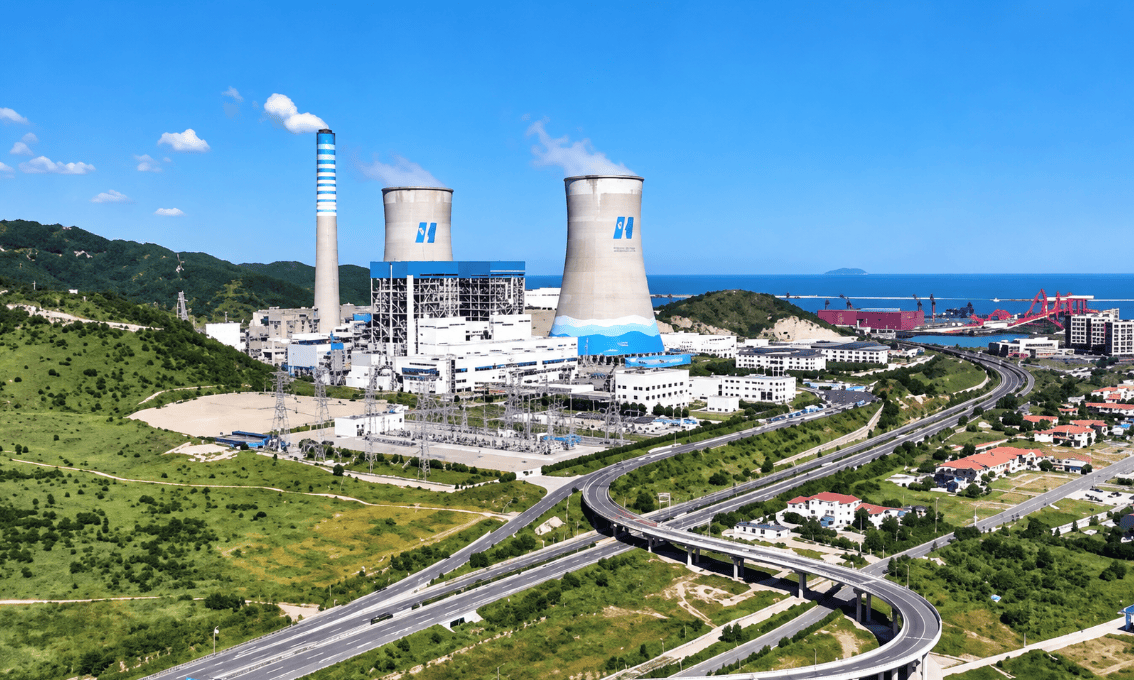
The study, titled "How Should Indian States Choose New Power Generation Capacity? A Case Study of Rajasthan," assesses a proposal put forward by Rajasthan's distribution companies (discoms) in February 2025 to contract 3.2 GW (3,200 MW) of new coal capacity to address an anticipated power shortage. CEEW points out that the gap Rajasthan faces in 2030 is essentially a temporal and flexibility issue, not merely a capacity issue—nearly 90% of the projected 5.5 billion kWh shortfall occurs during non-sunlight hours, when solar PV is unavailable and the system needs resources that can respond quickly to demand.
The study uses 15-minute granularity generation cost simulations for 2030 to compare three pathways: a baseline scenario, adding 3,200 MW of coal capacity, and a "renewable energy plus storage" portfolio comprising solar, wind, and battery storage providing equivalent electricity, in order to determine which pathway can best meet Rajasthan's needs at the lowest cost.
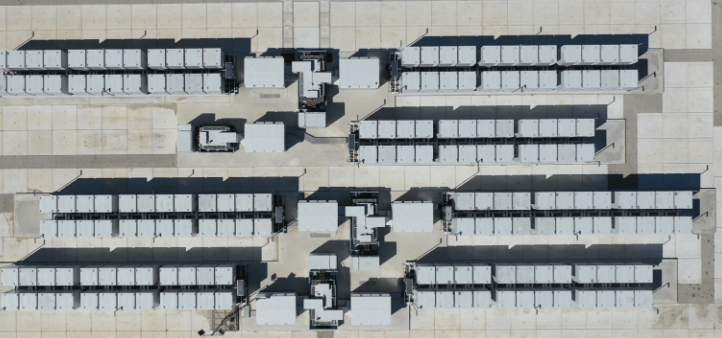
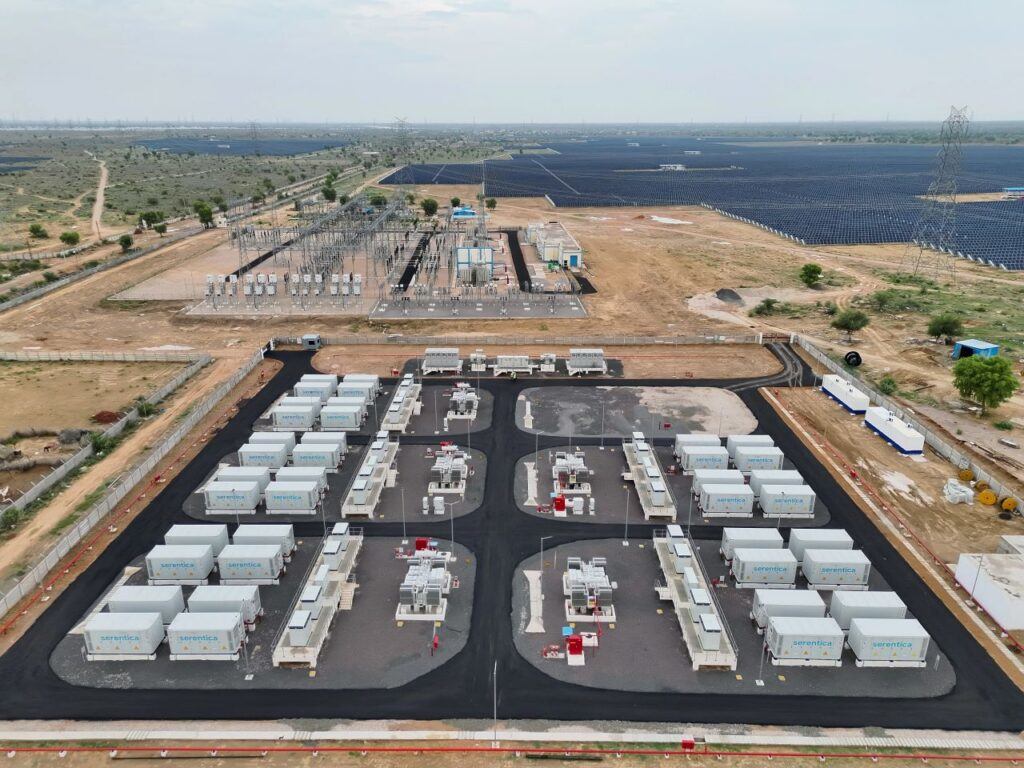
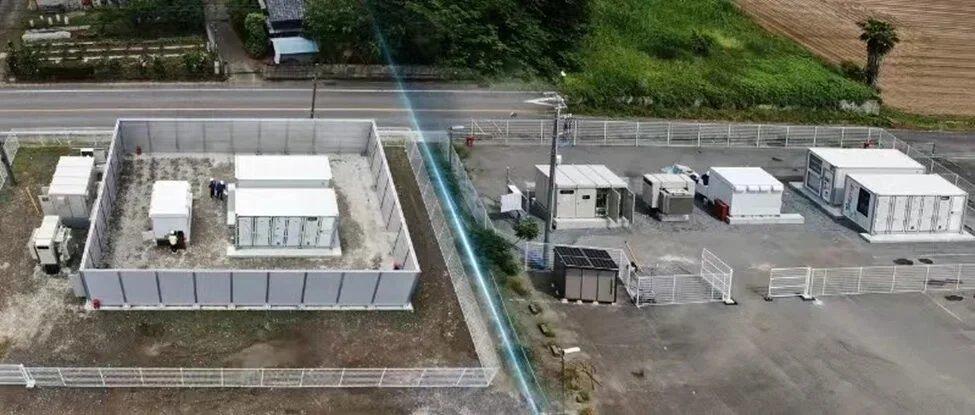
CEEW's modeling shows that replacing new coal capacity with "renewable energy plus storage" can achieve net savings of Rs 11.4 billion to Rs 85 billion in 2030; discoms can also earn an additional Rs 35 billion in revenue by selling surplus power in the power exchange market.
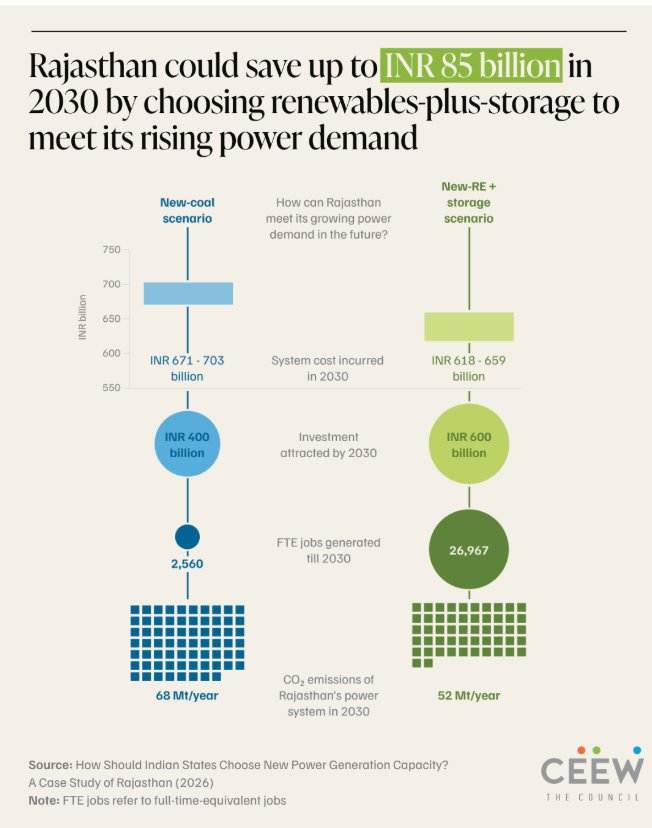
By 2030, this clean pathway can create 27,000 full-time equivalent (FTE) jobs, compared with only 2,560 under the new coal pathway, while attracting Rs 600 billion in clean energy investment. The state's power sector carbon dioxide emissions would fall by 24% to 52 million metric tons, compared with 68 million metric tons under the new coal pathway. This comparison comes against the backdrop of Rajasthan's electricity demand growing at an 8% compound annual growth rate (CAGR) between fiscal year 2022 and fiscal year 2025, and projected to rise to 1.5 times the fiscal year 2025 level by fiscal year 2030.
CEEW researcher Disha Agarwal said discoms should evaluate options based on grid needs and total system costs, rather than looking only at technology-level costs; the analysis shows that "renewable energy plus storage" can meet Rajasthan's future reliability needs at a lower cost than the proposed coal capacity. She noted that recent round-the-clock renewable energy tenders by the Solar Energy Corporation of India (SECI) have seen winning tariffs lower than the prices of coal capacity recently contracted or proposed for construction in several states. Such studies demonstrate that states must continuously carry out planning work, because technology capabilities and costs change rapidly, and demand is becoming increasingly uncertain.
Related Products

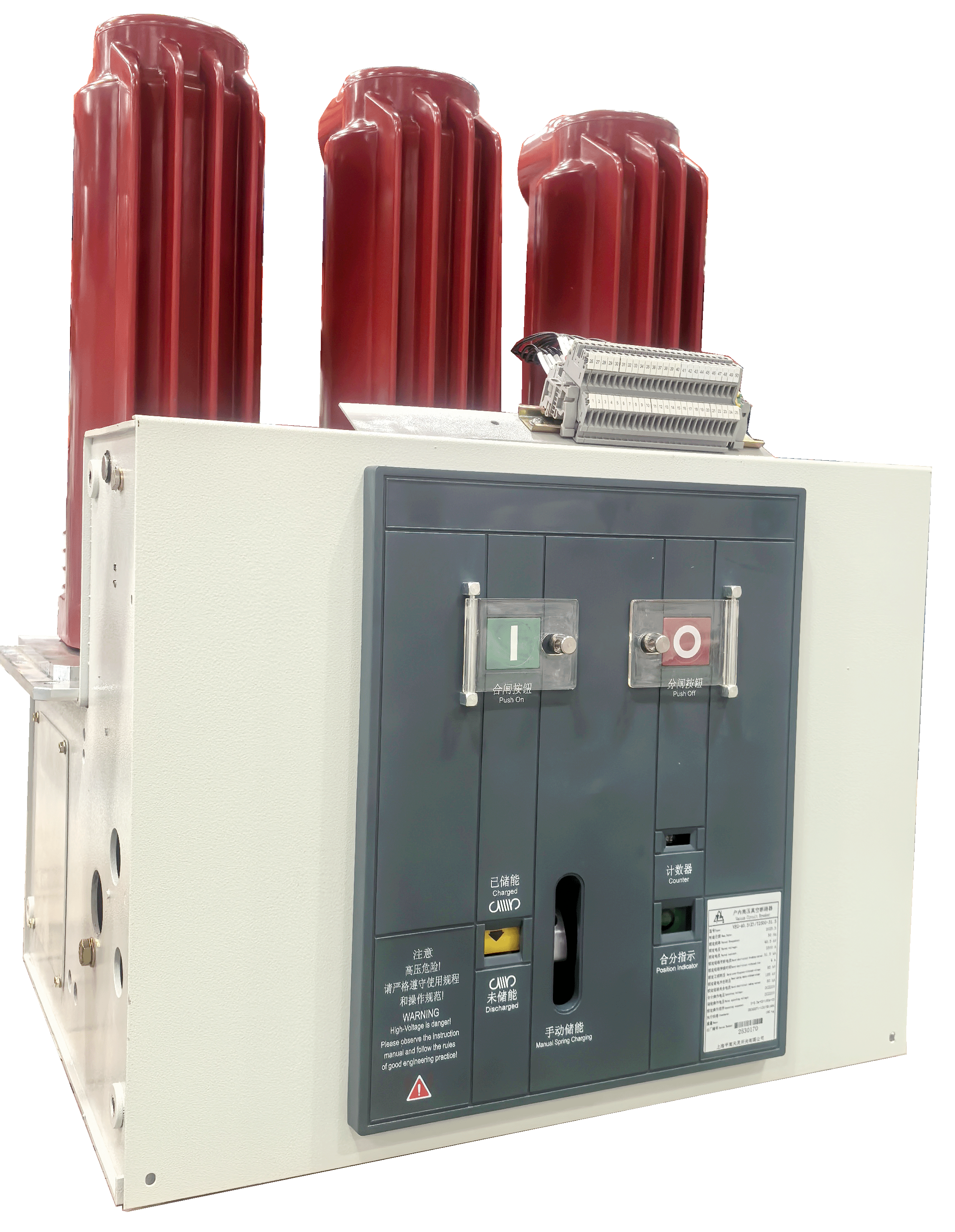
VEG-12/24/40.5 Series Vacuum Circuit Breaker
SHANGHAI PINGGAO TIANLING SWITCHGEAR CO., LTD.
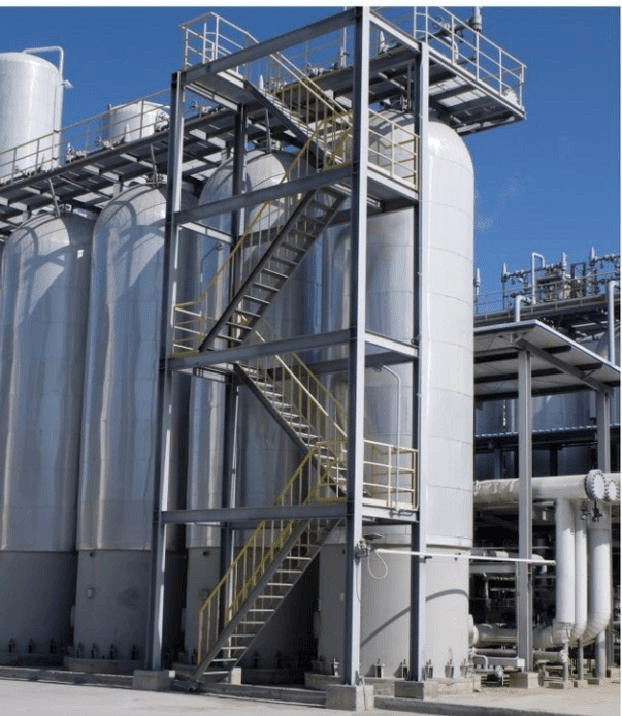
Hydrogen Production Technology: Hydrogen Purification by Pressure Swing Adsorption
Chengdu Yizhi Technology Co., Ltd.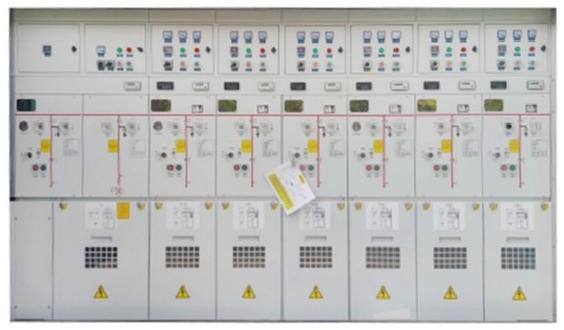
NISELA Series Environmentally Friendly Gas-Insulated Ring Main Unit
XJ DELISHIER ELECTRIC CO., LTD.

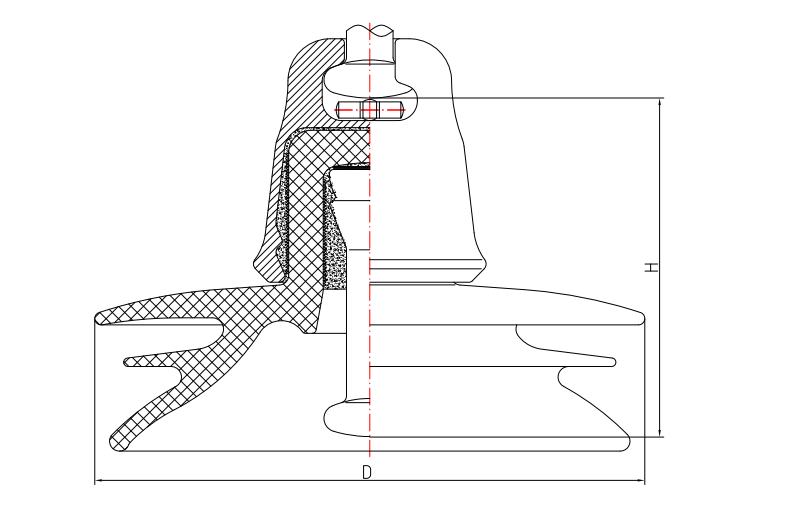
Post-type AC Pollution-resistant Disc Suspension Porcelain Insulator (Triple Umbrella Type)
Shandong High Voltage Insulator Co., Ltd.