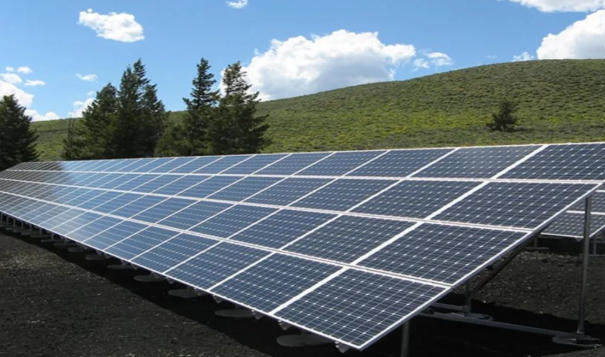
Greece's Ministry of Environment and Energy Introduces New Self-Consumption Framework, Allowing Up to 800 W Balcony PV for the First Time
en.Wedoany.com Reported - Greece's Ministry of Environment and Energy has issued a new policy framework that comprehensively reforms the country's electricity self-consumption regime. The framework does not require parliamentary approval and has taken effect immediately. The ministry said the new framework "makes self-consumption simpler and more flexible, streamlines procedures, and expands opportunities for consumer participation." The framework had previously undergone a summer public consultation.
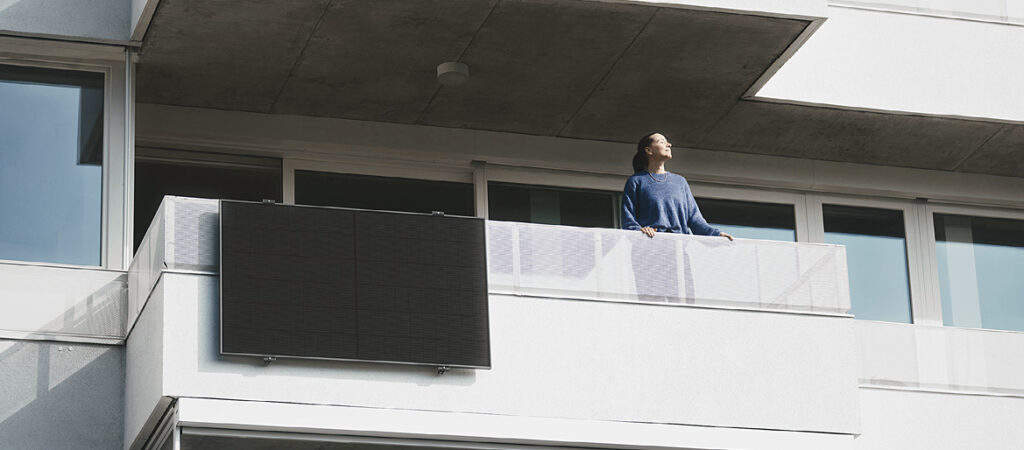
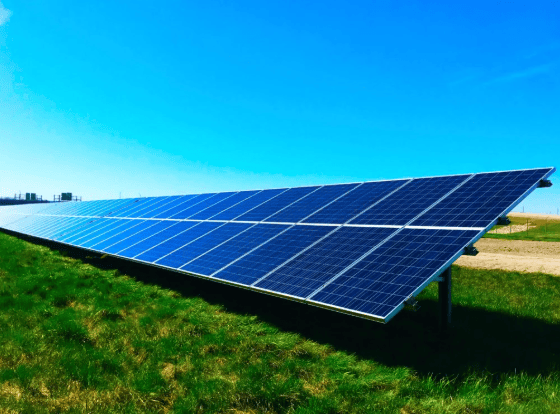
For the first time in Greece, the new framework allows plug-and-play PV systems of up to 800 W (commonly known as balcony PV), and also for the first time allows standalone batteries not connected to renewable energy systems. Balcony PV systems and standalone batteries must be dedicated exclusively to self-consumption and must not feed electricity into the grid. The ministry said that, combined with dynamic electricity tariffs, consumers can store electricity from the grid during low-price periods and use that electricity to meet their own needs during high-price periods, thereby reducing electricity costs.
Plug-and-play PV systems must be installed together with smart meters so that the local distribution operator can monitor them remotely, and must comply with safety requirements designed to protect the grid and other electrical installations. Grid operators must publish these requirements on their websites by October 31, 2026, and installers must sign documents confirming compliance with the specifications. The ministry also said the framework allows grid operators to identify grid areas where limited capacity to absorb additional generation makes it impossible to connect new "balcony PV" systems, and to prohibit connections in those areas.
The ministry said the new regime will simplify the development and operation of such systems and comprehensively reform Greece's self-consumption market. Key changes include establishing an electronic registry of energy self-consumers containing data on self-consumption systems and supply points; combined with smart meter installation, the registry is expected to improve market management. Self-consumption systems on the Greek mainland and islands will be permitted to add batteries, subject to technical requirements; some self-consumption systems in Greece already have batteries installed, and the framework will allow existing systems that have not yet installed batteries to add them. Batteries installed together with PV systems on islands must not feed electricity into the grid.
The framework also seeks to expand self-consumption on Greek islands, and the ministry plans to allocate EUR 476 million (USD 549.5 million) through the Islands Decarbonization Fund to support related projects. Excess electricity fed into the grid will be compensated at day-ahead market prices. Systems on non-interconnected islands do not supply electricity to the mainland grid and do not participate in the mainland electricity market; they will be compensated at special market prices set separately for each renewable energy technology, with prices set periodically by the Greek Operator of Renewable Energy Sources and Guarantees of Origin.
The policy establishes settlement procedures for all self-consumption schemes, including net metering, virtual net metering, net billing, and virtual net billing. The ministry said this will simplify relationships among system owners, suppliers, and aggregators while accelerating payments. Special provisions allow local governments, public sector entities governed by public or private law, and charitable foundations to operate self-consumption systems under net billing and virtual net billing schemes.
As a result, schools, health centers, hospitals, sports facilities, street lighting networks, and water supply and sewage infrastructure will be able to install PV and battery systems and receive credits directly on their electricity bills for the electricity generated. Such provisions previously applied only to residential self-consumption systems. Collective self-consumption, previously available only to residents of the same building, will be expanded to consumers within residential complexes, supporting community-level self-consumption projects.
The Hellenic Association of Photovoltaic Companies (Helapco) welcomed the framework, saying it "incorporates most of the recommendations put forward by the market, as well as the new rules required by EU directives." Helapco said the previous regulatory framework had shortcomings that left Greece's self-consumption market stagnant.
Related Products

Manufacturer Direct Sales Tesla New Energy Electric Vehicle Universal DC 180kW Dual-gun Charging Pile Commercial Fast Charger
Anhui Haidira Electric Technology Co., Ltd.

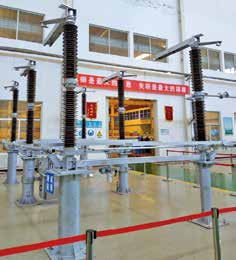
GW4-40.5/72.5/126/145/170/252/363/420 Series Double-column Horizontal Rotary High-voltage AC Disconnect Switch
SHANDONG TAIKAI DISCONNECTORS CO., LTD.
Double-slide Triple-sealed Hot Air Isolation Door
Xi'an Yingchuan Electric Power Equipment Co., Ltd.
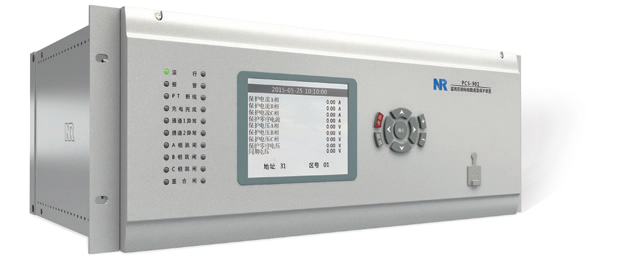
PCS-901 Series Ultra (Extra) High-voltage Transmission Line Complete Protection Device
Nanjing NR Electric Co., Ltd.


Industrial and Commercial Point-Type Gas Detector
Jinan Benan Technology Development Co., Ltd.